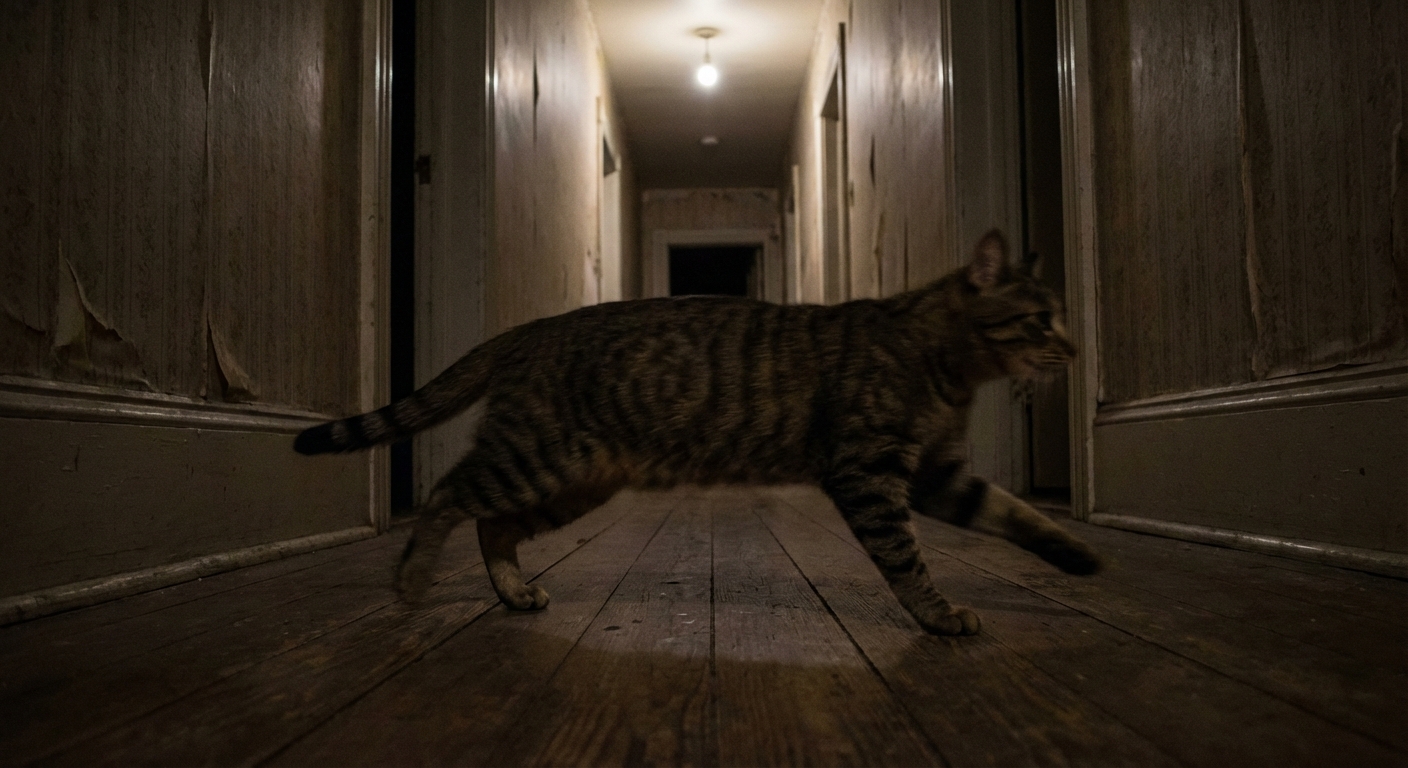
Your cat’s nighttime zoomies are usually normal FRAPs. Learn the biology behind late-night bursts, common triggers, when to call the vet, and routines that...
Article
•
Designer Mixes
Are Orange Cats Really Crazier?

Shari Shidate
Designer Mixes contributor
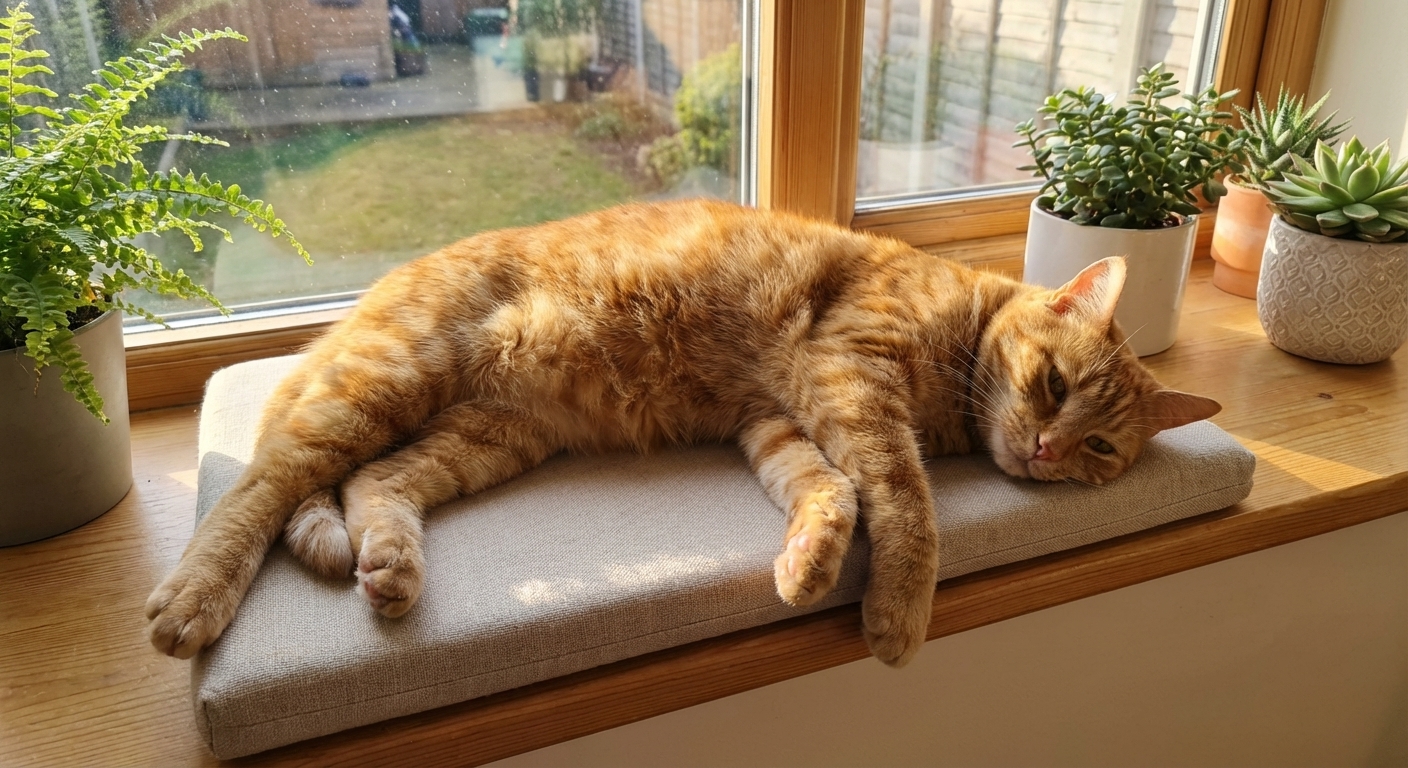
If you have ever lived with an orange cat, you have probably heard it at least once: “Ginger cats are a little… wild.” The internet even has a name for it, “orange cat energy.” As a veterinary assistant, I get why this stereotype sticks. Orange cats can be bold, social, and hilariously unfiltered.
But here is the evidence-based truth: coat color alone has not been shown to reliably predict a cat’s personality. Most studies we have are owner-survey based, and small effects can be hard to separate from human expectations. What people are noticing is usually a mix of sex differences, early life experiences, environment, and plain old coincidence.
Scope note: This article is about typical domestic cats (mixed breed and pedigreed) and the behavior patterns we commonly see in everyday homes and clinics.
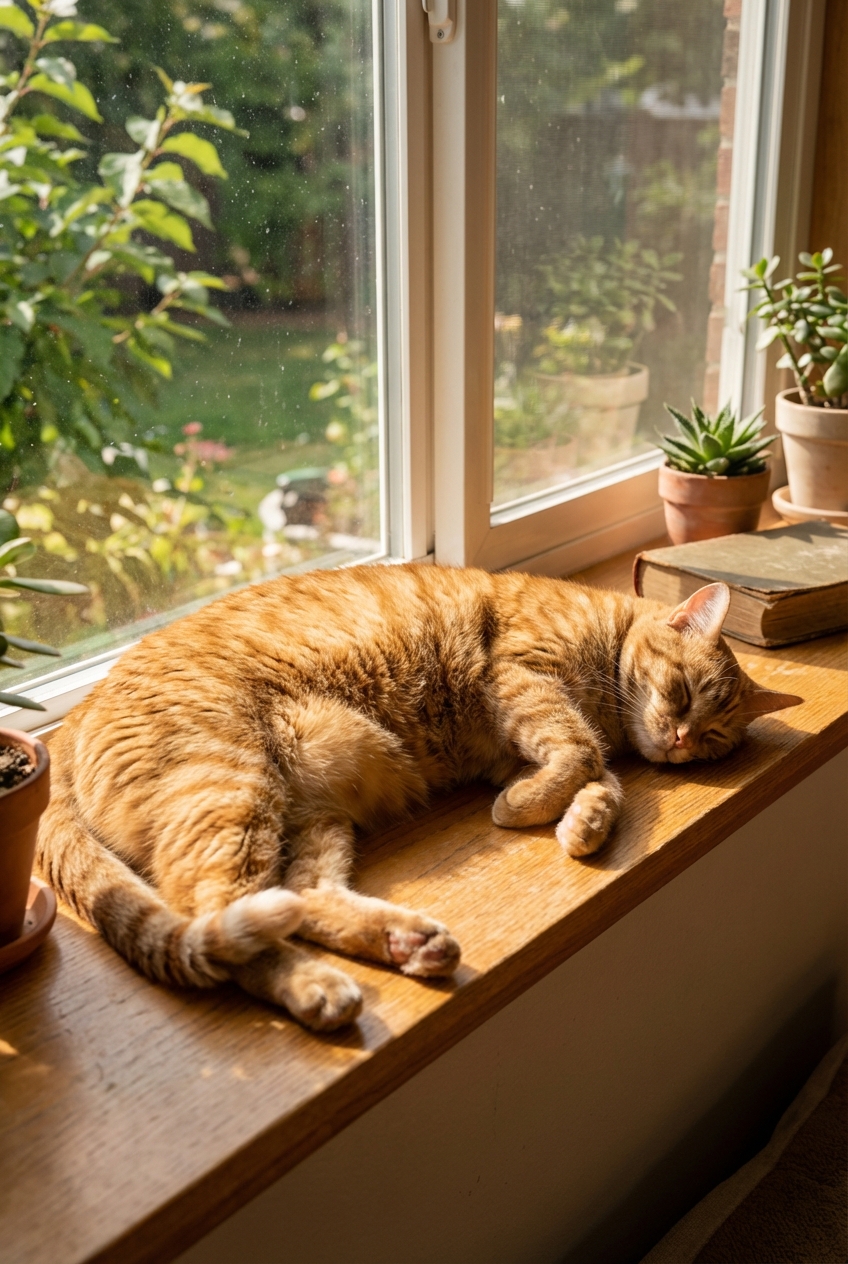
Why the myth exists
Most pet myths start with a real observation, then get stretched into a “rule.” With orange cats, a few things fuel the legend.
1) Orange cats are often male
Orange coat color is linked to sex because the orange (O) gene is carried on the X chromosome. In simple terms:
- Males (XY) only need the orange allele on their single X chromosome to be orange.
- Females (XX) generally need the orange allele on both X chromosomes to be fully orange, which makes orange females less common.
This matters because intact (unneutered) male cats, regardless of color, are more likely to show behaviors people label as “crazy,” such as roaming, urine marking, and territorial or inter-male aggression. Neutering often reduces these behaviors, though it does not guarantee they disappear entirely.
Takeaway: People may be noticing “intact male cat behaviors” and attributing them to orange fur.
2) Confirmation bias is powerful
If you expect orange cats to be chaotic, you will remember the orange cat who scales the curtains and forget the orange cat who naps peacefully all day. That is confirmation bias. Social media supercharges it by sharing the funniest, most dramatic moments.
3) Confident cats look “extra”
In my experience, many orange cats come across as friendly, confident, or people-forward, and some owner surveys have reported similar impressions. That said, it is hard to know how much is biology versus environment, adoption patterns, or the stereotype itself. A cat that greets guests, opens cabinets, and inserts themselves into everything will be perceived as “a lot,” even if they are simply well-socialized and curious.
Quick related note: calicos and torties
Since the orange gene is X-linked, you will often hear that tortoiseshell and calico cats are “almost always female.” That is generally true, because those coat patterns usually require two X chromosomes with different color alleles. (Rare male torties exist, but they are uncommon.) This is another example of color genetics being tied to sex, not a guarantee of any specific personality type.
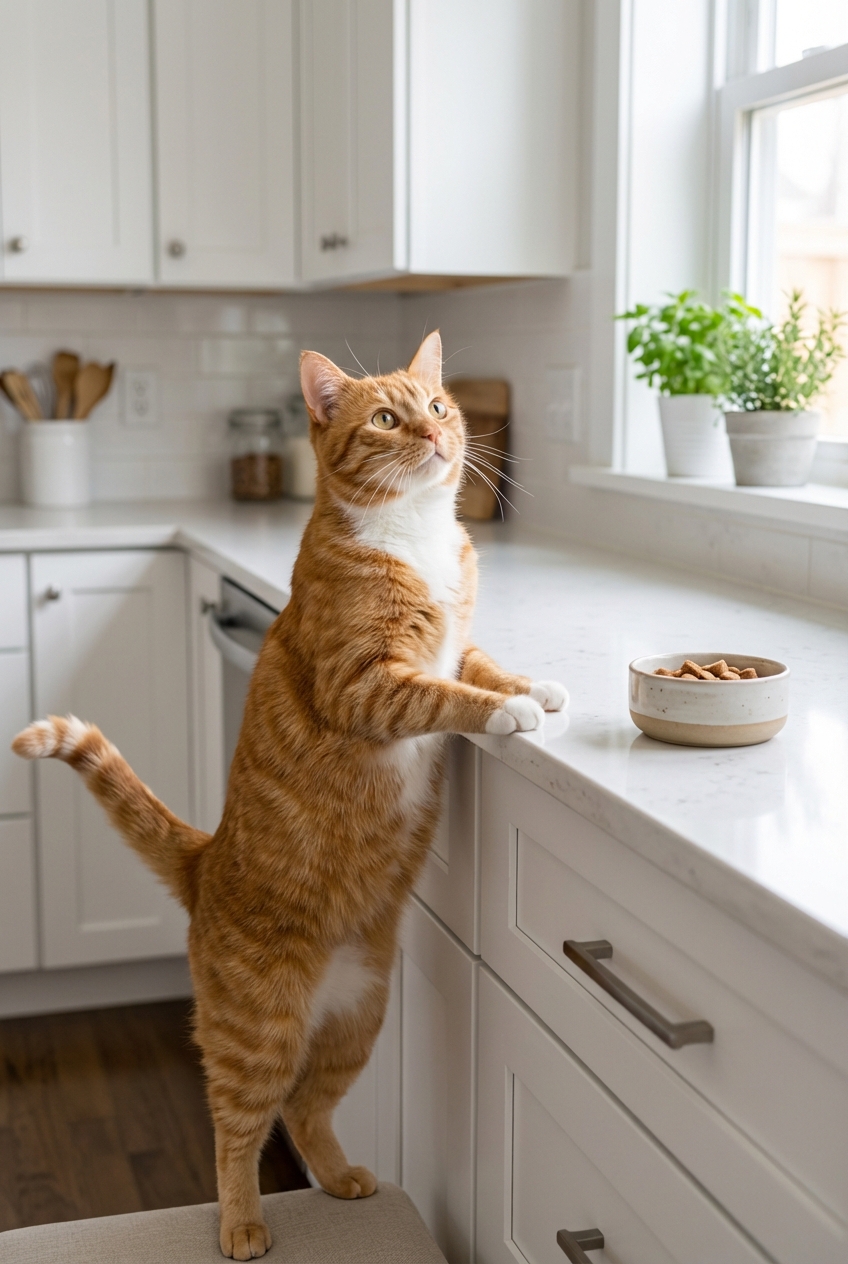
What science says
Researchers have looked for links between coat color and behavior, but results are inconsistent. Many studies rely on owner-reported questionnaires, which is a real limitation because owner perception can be influenced by stereotypes. Even when a study finds an association, it may be small, and it can be confounded by factors like sex, neuter status, early handling, and household stress.
In clinic, when we evaluate behavior, we focus on factors with much stronger evidence behind them than coat color:
- Early socialization and handling as a kitten
- Genetics and breed tendencies (for pedigreed cats)
- Sex and reproductive status (neutered versus intact)
- Home environment, enrichment, and stress levels
- Pain or medical issues that change behavior
Bottom line: Coat color alone is not a reliable predictor of high-energy behavior, overarousal, or “craziness.”
Why a cat may seem “crazy”
When a cat is zooming at midnight, swatting unexpectedly, or acting unusually intense, there is usually a practical explanation. Here are the most common ones I see.
1) Too little enrichment
Cats are natural hunters. If they have no outlet, that energy can come out as random sprints, play-biting, or knocking things off shelves.
Try this:
- Two short interactive play sessions daily (5 to 15 minutes)
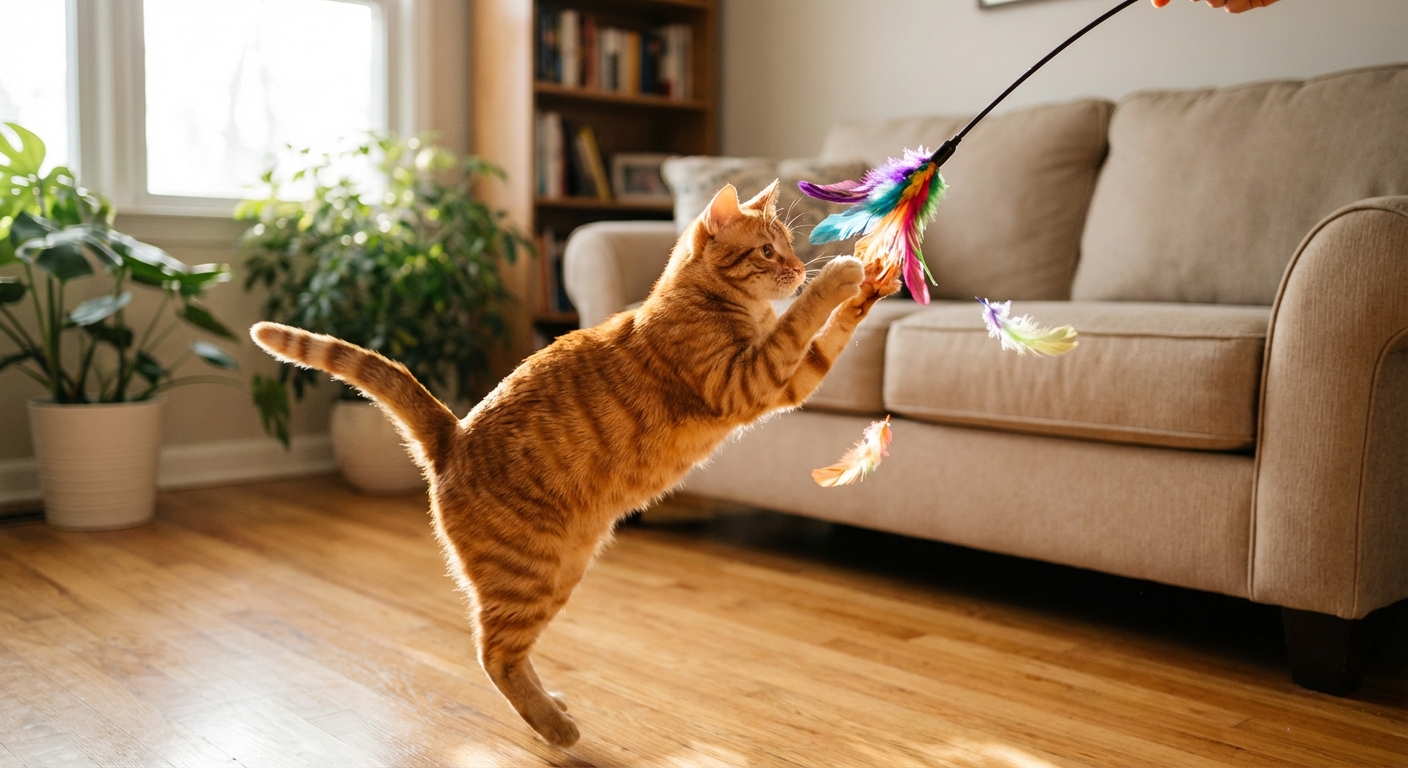
- Wand toys that mimic prey movement, followed by a small meal to “complete the hunt”
- Food puzzles or scatter-feeding to engage the brain
2) Learned behavior gets rewarded
If your cat yowls and you immediately talk, pet, or feed them, they learn that the dramatic behavior works. Cats are excellent trainers of humans.
3) Stress or conflict at home
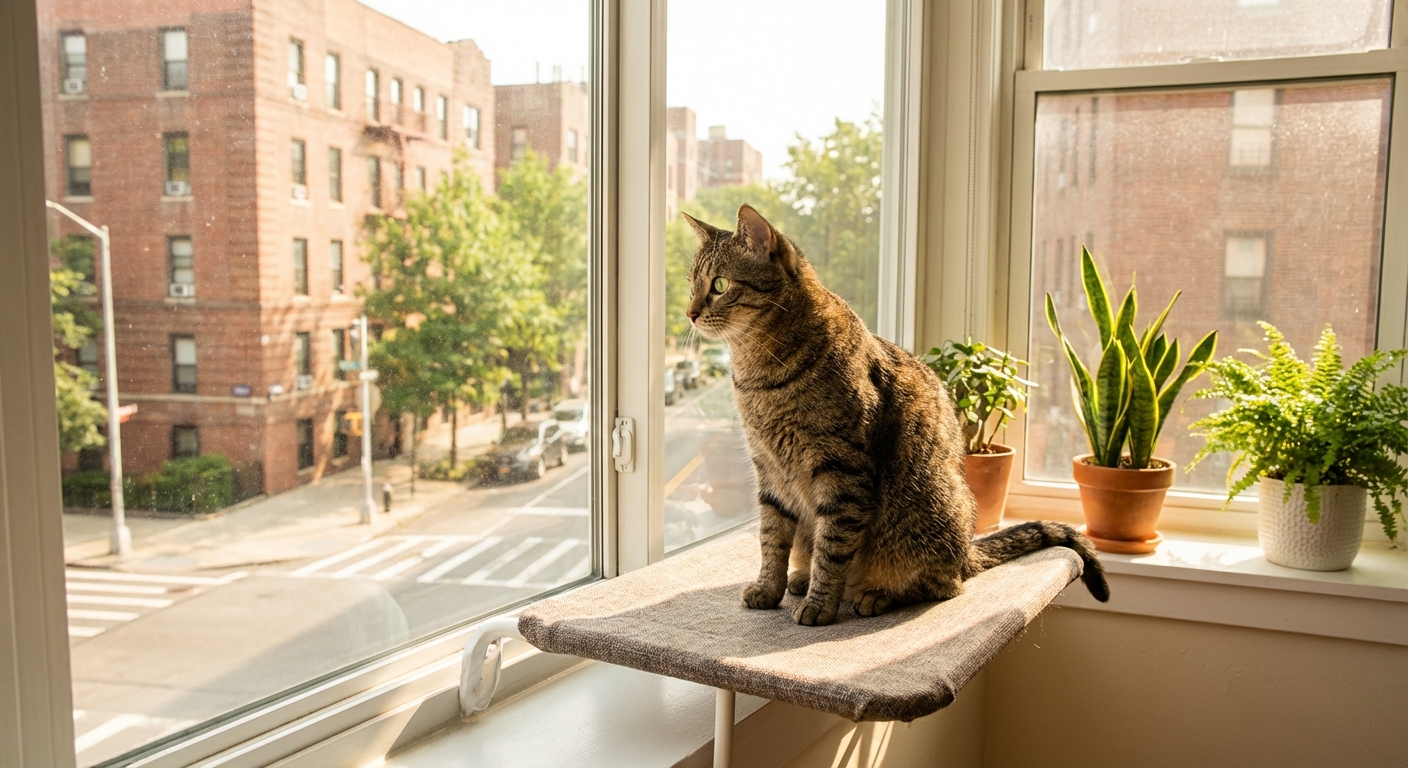
A new baby, a move, another pet, or even neighborhood cats outside the window can trigger big behavior changes. Multi-cat homes add another layer. Cats may compete for litter boxes, resting spots, and access to people.
Helpful tools: consistent routines, safe hiding spaces, vertical territory like cat trees, and slow introductions between pets. Also check the basics in multi-cat households: enough resources (especially litter boxes) in calm, accessible locations.
4) Medical issues and pain
This one matters a lot. Cats hide pain. Sudden aggression, restlessness, litter box changes, nighttime vocalizing, or not wanting to be touched can be linked to problems such as dental disease, arthritis, urinary discomfort, hyperthyroidism, or GI upset.
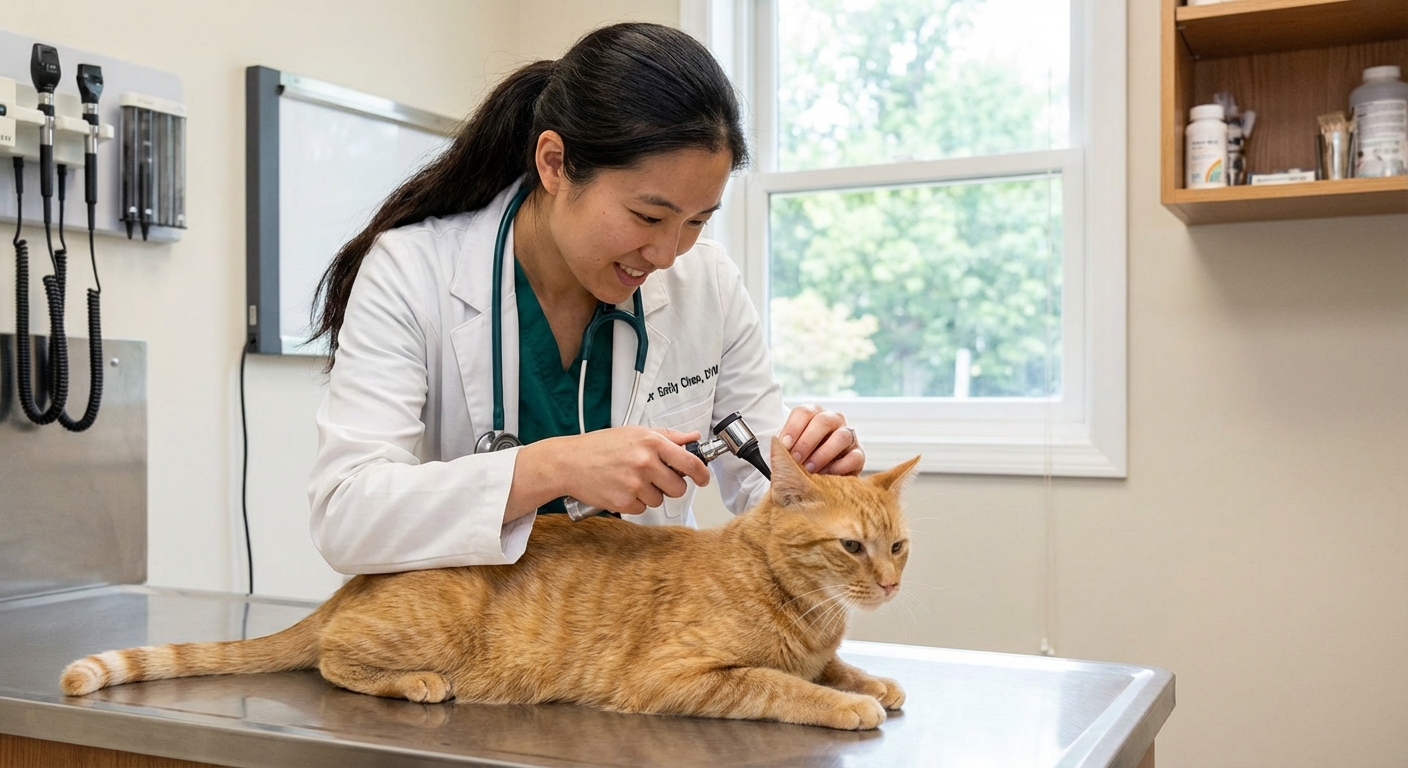
If behavior changes suddenly or feels extreme, it is always worth a vet visit.
Are orange cats different?
Orange cats are not biologically destined to be “crazier.” What is true is that:
- Orange cats are often male, and intact males can have more noticeable behavior issues.
- People expect orange cats to be wild, so they interpret normal cat behavior through that lens.
- Individual personality varies widely, and the funniest stories spread fastest online.
If you have a spicy orange tabby, you are not imagining their big personality. Just do not assume the fur color is the cause. You can absolutely shape calmer, happier behavior with enrichment, routine, and proactive health care.
Tips for orange cat energy
If your ginger cat is running the household, these gentle, evidence-based steps can help.
Build a daily hunt cycle
- Play with a wand toy
- Let your cat catch it a few times
- Offer a small meal or treat right after
Add vertical space
Cat trees, wall shelves, or even a cleared bookcase give cats safe territory and can reduce conflict and counter chaos.
Use enrichment that works while you are busy
- Rotate toys weekly so they stay interesting
- Try treat balls or puzzle feeders
- Set up a window perch for “cat TV”
Support calm behaviors
Reward the behaviors you want. If your cat sits politely, offer attention then. If your cat screams for attention, wait for a quiet moment before responding.
Do not skip wellness checks
Behavior is health information. If your cat is suddenly “acting crazy,” let your veterinarian help rule out pain or illness.
For readers who want sources
If you like to go deeper, look for feline behavior research that uses validated questionnaires (such as Fe-BARQ) and reviews on feline aggression and environmental enrichment. These tend to be more useful than one-off color personality claims.