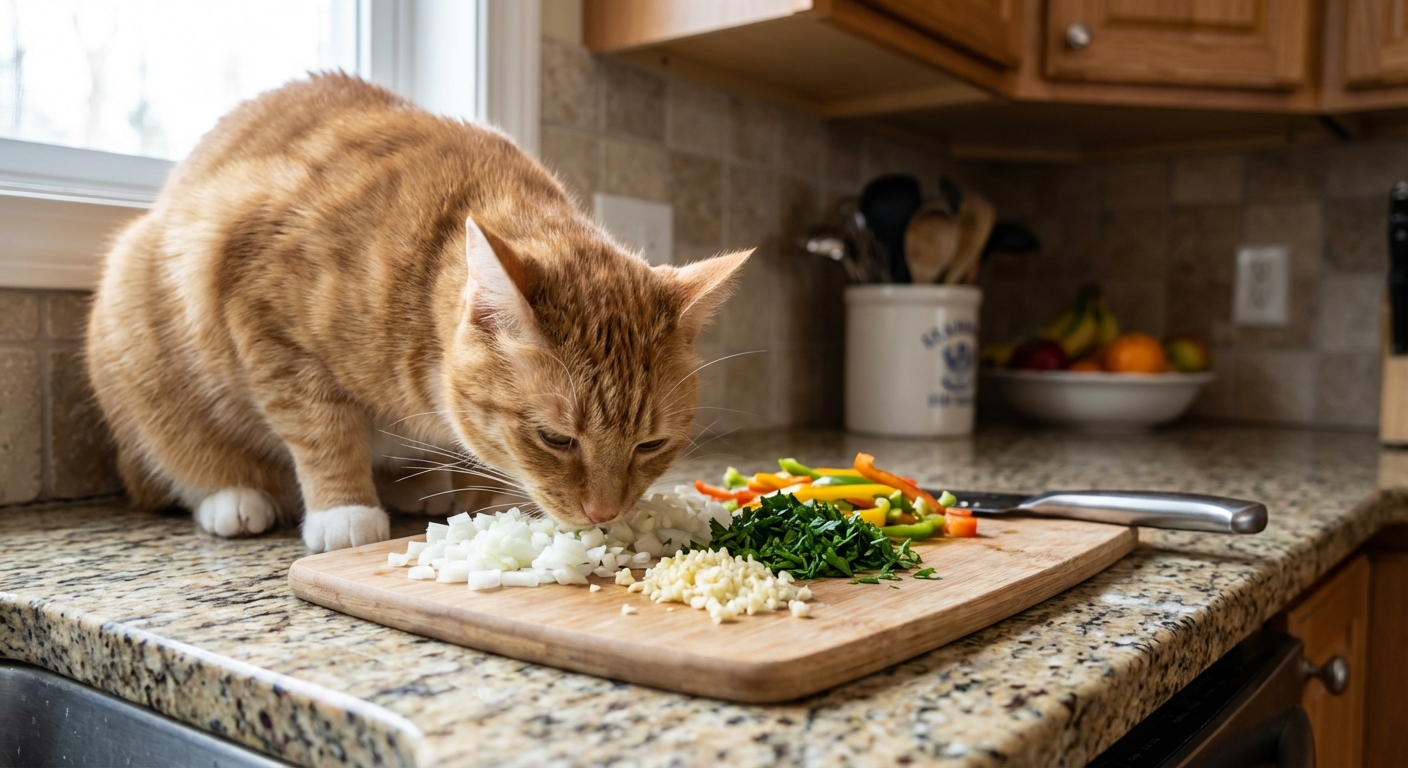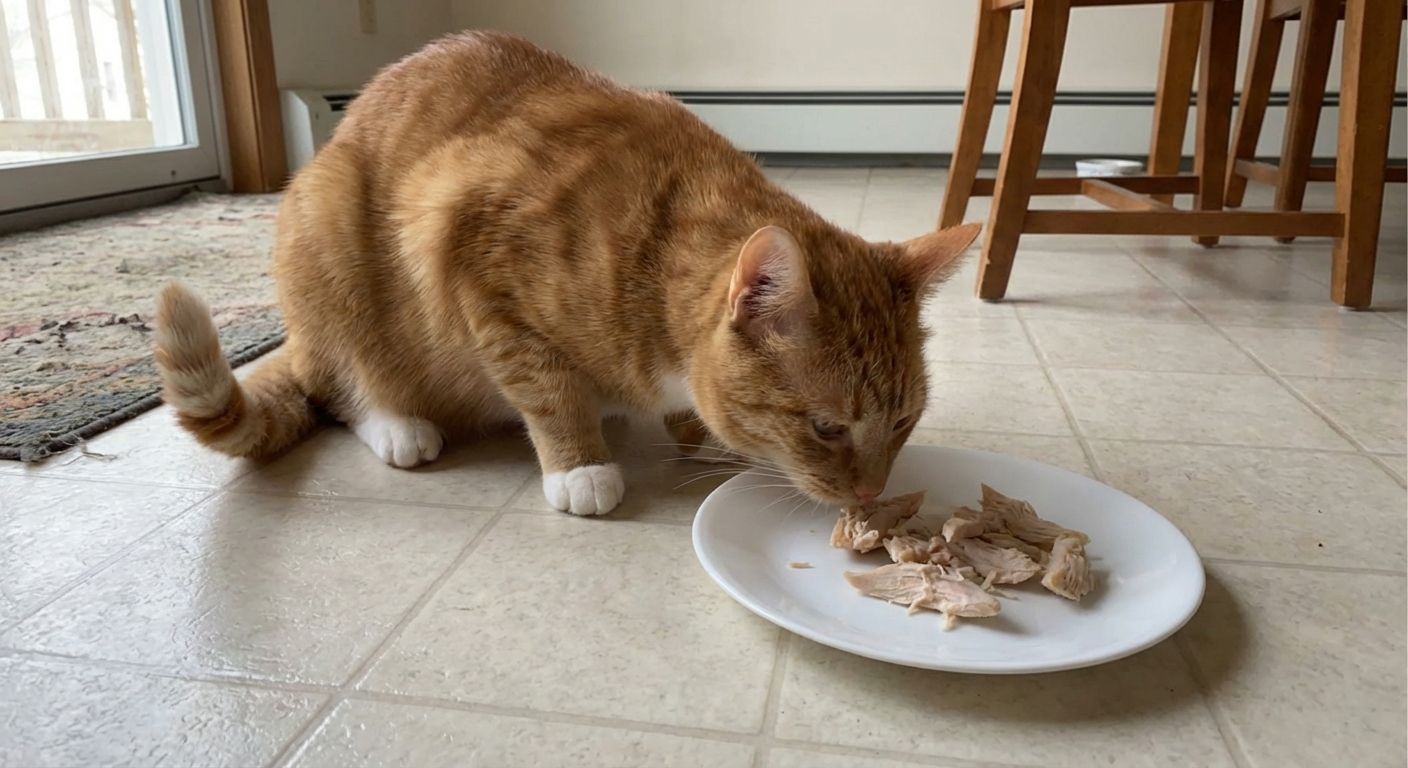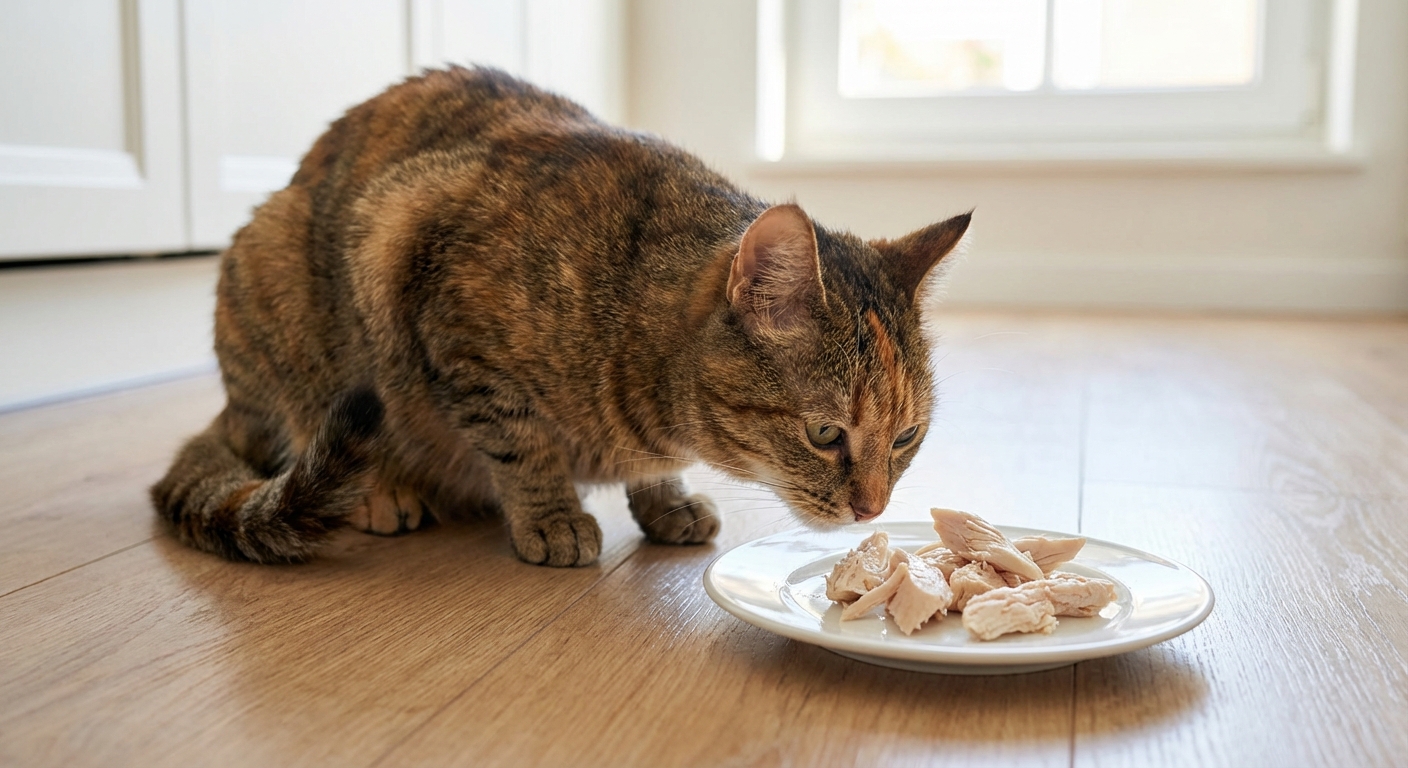
A vet assistant’s quick list of cat-safe human foods, with simple serving rules, portion guides, “maybe” foods, and a clear avoid list for common toxins.
Article
•
Designer Mixes
Are Grapes and Raisins Dangerous for Cats?

Shari Shidate
Designer Mixes contributor
As a veterinary assistant, I get this question a lot because most of us have heard the warning for dogs: grapes and raisins can be dangerously toxic. With cats, the story is a little different, but the safest takeaway is simple: do not offer grapes or raisins to your cat, and call your veterinarian if you suspect your cat swallowed any amount.
Note: This article is general education and is not a substitute for veterinary advice. If you are worried about an exposure, your veterinarian or a pet poison hotline can guide you based on your cat’s details.
Quick answer
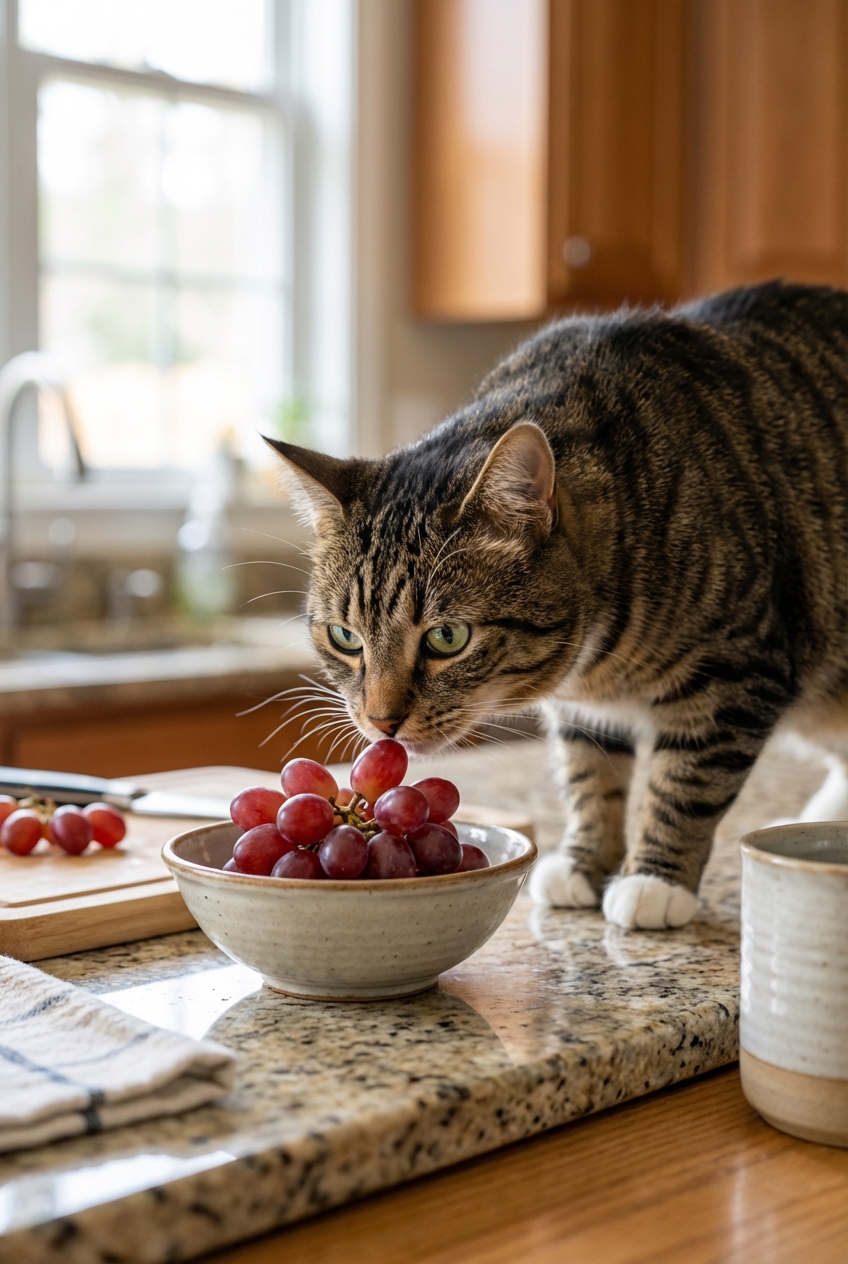
Grapes and raisins are not considered a proven, common toxin in cats the way they are in dogs. That said, there are sporadic reports (including poison control calls) involving cats, and because grape and raisin toxicity can be serious in dogs and the science in cats is limited, most veterinary professionals recommend treating grape and raisin exposure in cats as a potentially serious ingestion.
In other words: the risk is uncertain, and when kidneys are involved, we take uncertainty seriously.
Why grapes and raisins matter
In dogs, ingestion of grapes or raisins can lead to acute kidney injury. The challenging part is that:
- The toxic dose is unpredictable. Some dogs get very sick after a small amount, while others may not.
- Recent research strongly suggests tartaric acid (and possibly related compounds) is the likely culprit. One reason toxicity can look so random is that tartaric acid levels can vary widely between different grapes, raisins, and batches.
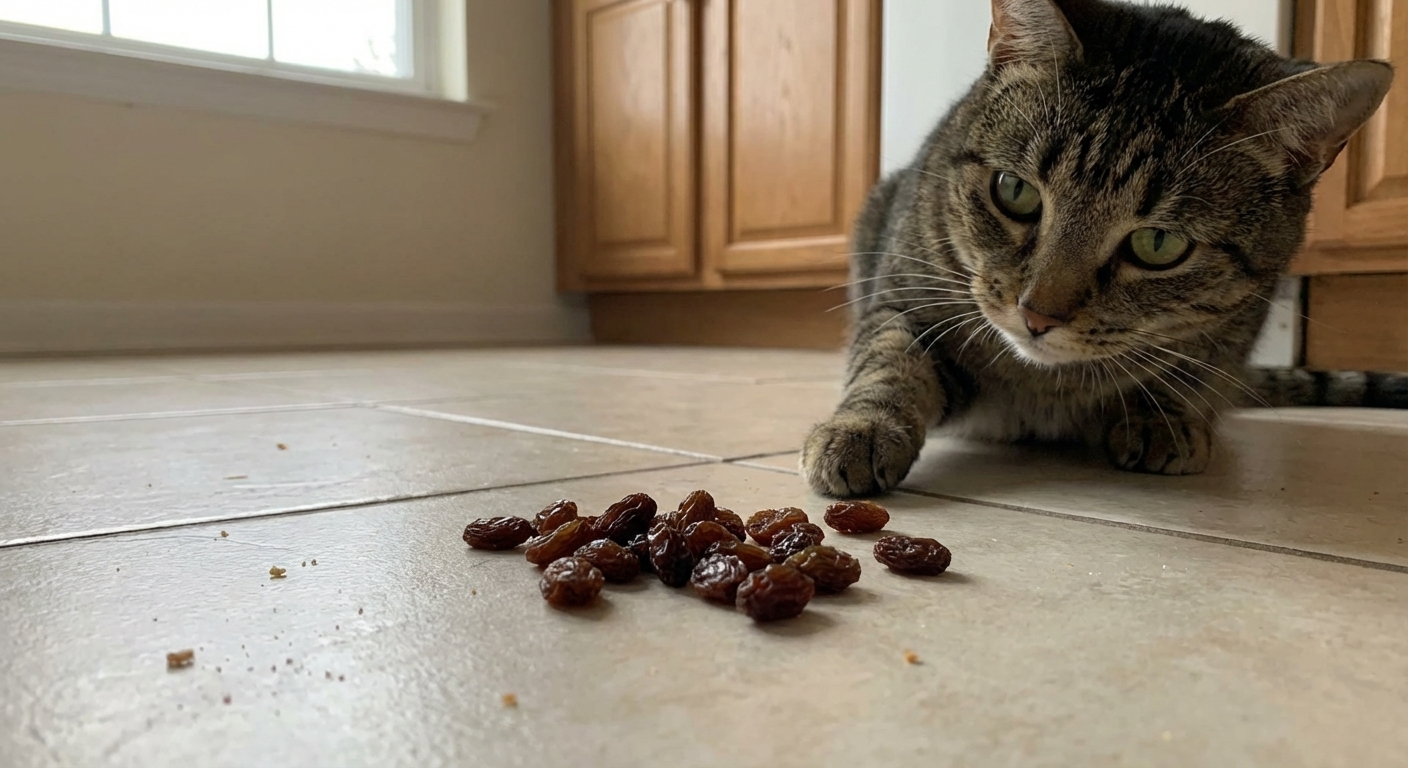
For cats, we have much less data and cats are less likely to eat grapes or raisins in the first place. We also do not know if cats respond the same way dogs do. But cats can still get into trouble, especially if grapes are in foods like trail mix, cereal, baked goods, or if raisins are dropped on the floor.
Symptoms to watch for
If a cat eats grapes or raisins, the symptoms we worry about are similar to what we monitor in dogs, especially signs of stomach upset or possible kidney stress.
Possible early signs (within hours)
- Vomiting or gagging
- Drooling
- Refusing food
- Diarrhea
- Lethargy or hiding
Urgent signs
- Not drinking or drinking excessively
- Urinating less than normal, straining, or not urinating
- Weakness or dehydration
- Very bad breath, mouth ulcers, or a painful mouth (these are more typical of later kidney-related illness, not an early sign)
Important: Cats are masters at being quiet when they feel unwell. If you suspect ingestion, do not wait for symptoms to prove it.
My cat ate a grape or raisin
Here is a calm, step-by-step plan that helps you act quickly.
1) Remove access and check the scene
- Pick up any remaining grapes or raisins.
- Check for foods that contain them (cookies, bread, granola, trail mix).
- Estimate how many were eaten and when.
2) Call a professional right away
- Call your veterinarian or an emergency clinic.
- If you cannot reach a clinic, contact a pet poison hotline (fees may apply):
- ASPCA Animal Poison Control Center (APCC): 1-888-426-4435
- Pet Poison Helpline: 1-855-764-7661
3) Do not induce vomiting unless you are instructed
With cats, inducing vomiting at home can be risky and is not recommended unless a veterinarian specifically tells you to do so and guides you.
4) Be ready to share key details
- Your cat’s weight, age, and medical history (especially kidney disease)
- What was eaten (grape vs raisin vs food with raisins)
- Approximate amount
- Time since ingestion
- Any symptoms you see
How vets may treat exposure
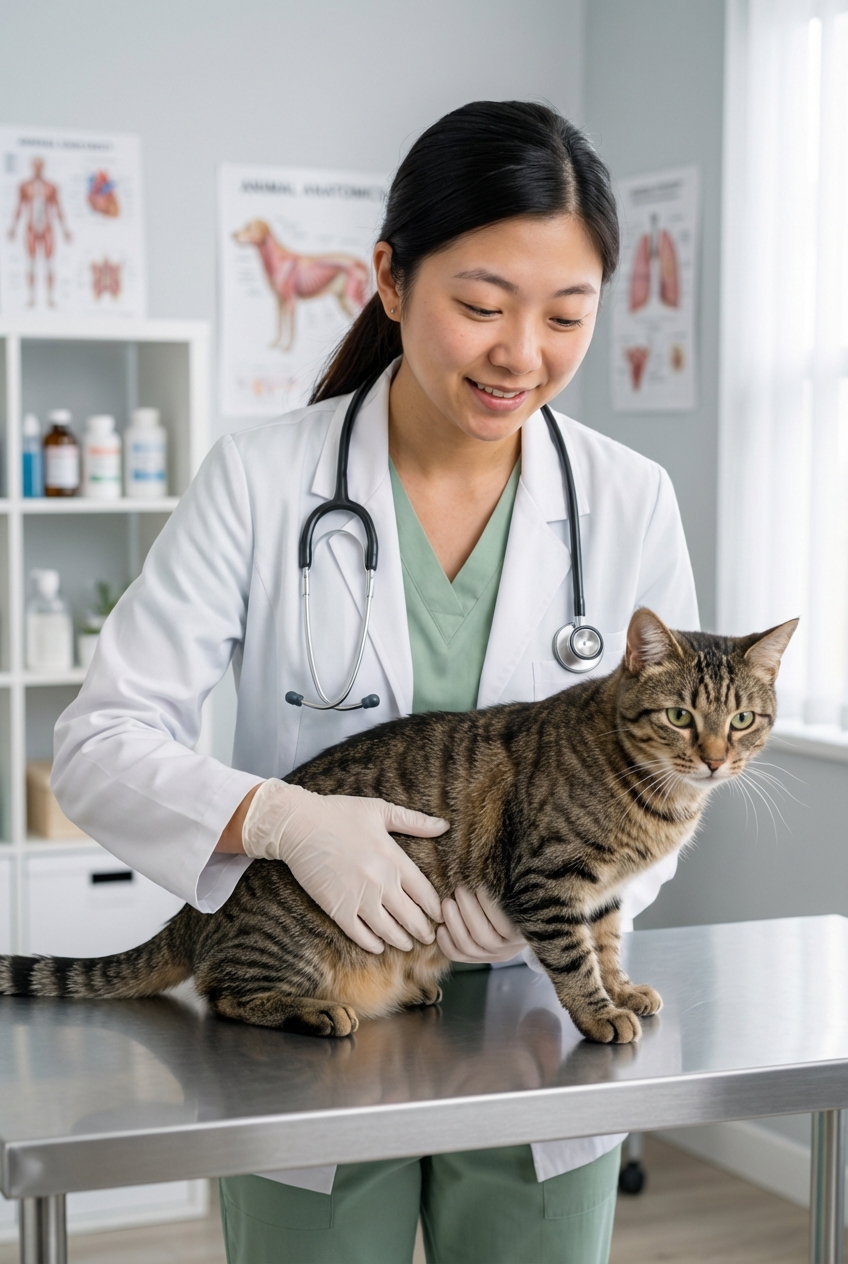
Treatment depends on the amount, timing, and your cat’s health, but the goal is to protect the kidneys and reduce absorption if the ingestion was recent.
- Decontamination: if the timing is right, your vet may consider in-hospital vomiting induction and or activated charcoal. In cats, vomiting induction is not appropriate for every patient and may not be effective or recommended depending on the situation.
- IV fluids: often used to support hydration and kidney perfusion when there is meaningful concern.
- Lab work: baseline kidney values, then rechecks to monitor for changes. Your vet may also recommend repeat labs over the next day or two because kidney changes can take time to show up.
- Anti-nausea meds: to keep your cat comfortable and eating.
When in doubt, veterinarians tend to be proactive because kidney injury is much easier to prevent than to reverse.
What about a lick or sniff?
If your cat only sniffed a grape or gave it a quick lick and you are confident nothing was swallowed, you likely do not need to panic. Just remove access and keep an eye out for vomiting or appetite changes.
If you are not sure whether your cat swallowed any, it is still worth a quick call to your vet because:
- We cannot reliably define a safe dose.
- Some cats have underlying kidney vulnerability that you may not know about yet.
If your cat ate multiple raisins or got into a raisin-containing food, treat it as more urgent and call immediately.
Safer treats
I love giving cats variety, but I also love keeping it simple and safe. If you want a special snack, consider:
- Small pieces of cooked plain chicken or turkey (no seasoning, no onion or garlic)
- Commercial cat treats from reputable brands
- A little canned cat food as a treat topper
And for the humans in the house: keep grapes, raisins, trail mix, and baked goods in closed containers. Prevention really is the easiest medicine here.
Bottom line
Grapes and raisins should be treated as unsafe for cats. While the classic, well-studied toxicity is in dogs and the evidence in cats is limited, we do not have enough certainty to call them harmless for cats. If your cat eats any amount, or if you are not sure what happened, call your veterinarian or an emergency clinic for individualized guidance. Acting early is the best way to protect your cat’s kidneys and your peace of mind.