A practical guide to feeding dogs with diarrhea: hydration first, bland meal plans (chicken/rice, turkey/potato, egg/rice), portion tips, pumpkin and probiot...
Article
•
Designer Mixes
Are Eggs Good for Dogs With Diarrhea?

Shari Shidate
Designer Mixes contributor
When your dog has diarrhea, it can feel urgent to do something right away. I get it. As a veterinary assistant, I’ve seen how stressful tummy troubles can be for both pups and their people.
Eggs are a common home food that many dogs tolerate well. But whether they help with diarrhea depends on why your dog has diarrhea, how the eggs are prepared, and what else your dog is eating.
Can eggs help a dog with diarrhea?
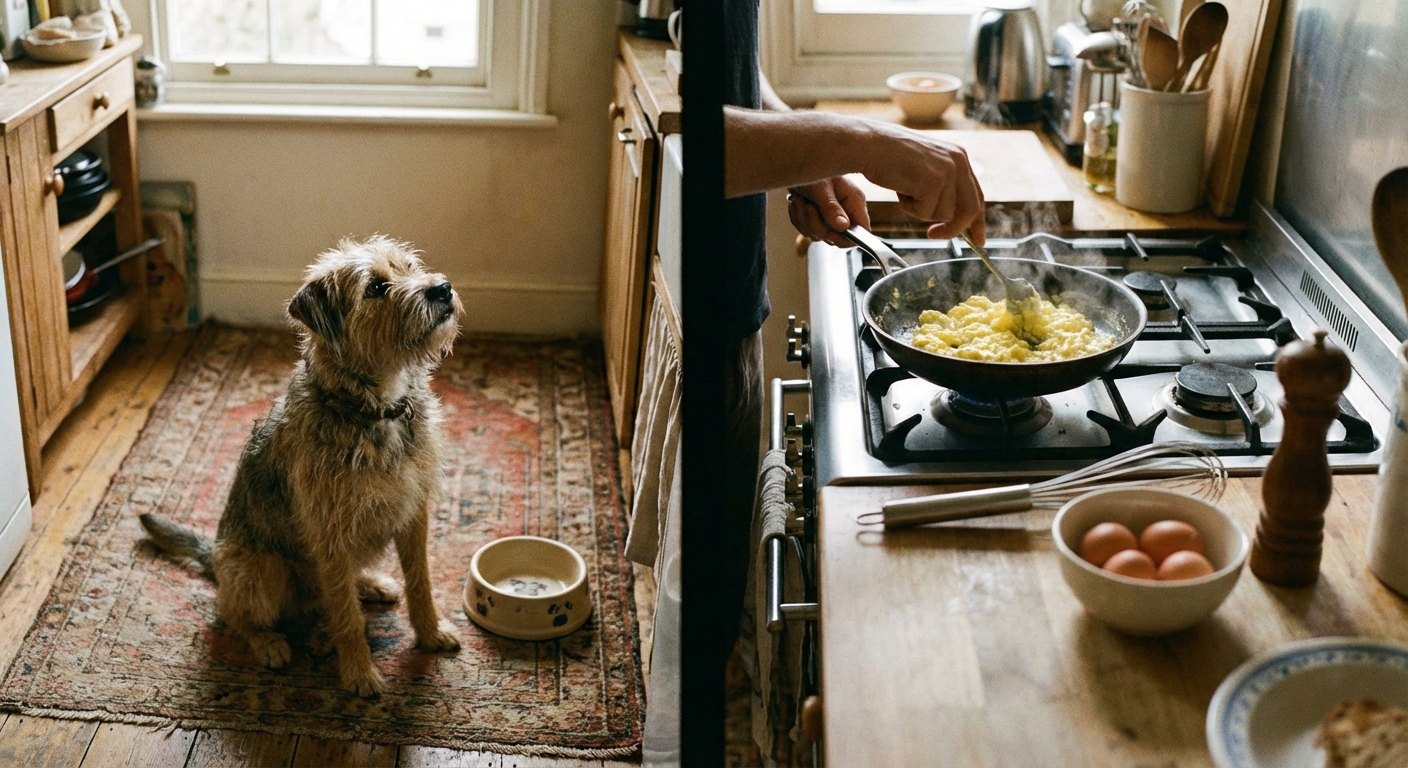
Sometimes, yes. Plain, fully cooked eggs can be a gentle, easy-to-digest protein source for many dogs. If your dog’s diarrhea is mild and short-lived, a bland, simple diet can give the gut a break while still providing nutrients.
That said, eggs are not a guaranteed fix. Diarrhea can come from many causes like parasites, stress, diet changes, eating garbage, infections, pancreatitis, medication side effects, food intolerance, and more. The best food is different for each situation.
Why eggs can be a good choice
1) Easy-to-digest protein
Eggs provide highly digestible protein and amino acids for many dogs. That can be helpful when the GI tract is irritated and they are losing nutrients.
2) Gentle when kept plain
When you skip butter, oil, milk, cheese, and seasoning, eggs tend to be simple and bland. That simplicity matters when the gut is inflamed.
3) Works well with other bland options
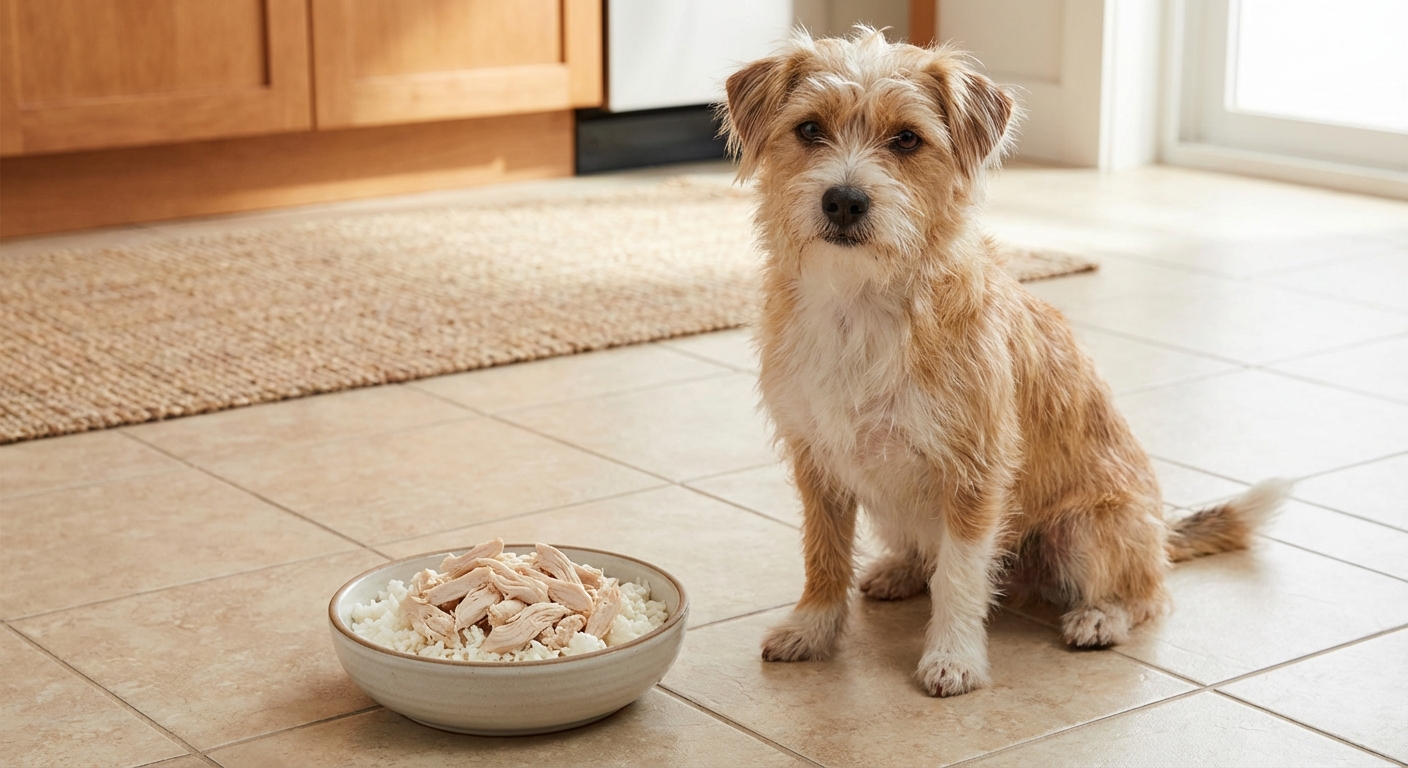
Eggs often pair nicely with classic bland staples like plain white rice and a small amount of plain canned pumpkin (not pie filling). This can make it easier to feed small meals throughout the day.
When eggs can make diarrhea worse
Eggs are not the right choice for every dog or every diarrhea episode. Here are the most common situations where I recommend extra caution.
- Suspected pancreatitis or a history of pancreatitis: Fatty foods can worsen symptoms. Egg yolks contain fat, and many scrambled egg recipes include butter or oil. While egg whites are essentially fat-free, I still recommend checking with your veterinarian before offering any egg if pancreatitis is on the table.
- Egg sensitivity or food intolerance: Some dogs react to egg proteins, which can cause loose stool, itching, ear infections, or GI upset.
- Diarrhea with vomiting, lethargy, or fever: This is not a try-a-home-remedy situation. Your dog may need diagnostics and medication.
- Raw egg feeding: Raw egg is not recommended for a dog with diarrhea. It increases the risk of bacterial exposure. Also, a common question I hear is about biotin. The biotin issue is mainly linked to long-term feeding of raw egg whites, not an occasional cooked egg.
How to feed eggs for diarrhea
If your dog is bright, alert, drinking water, and the diarrhea is mild, here is the safest way to try eggs at home.
Keep it fully cooked and plain
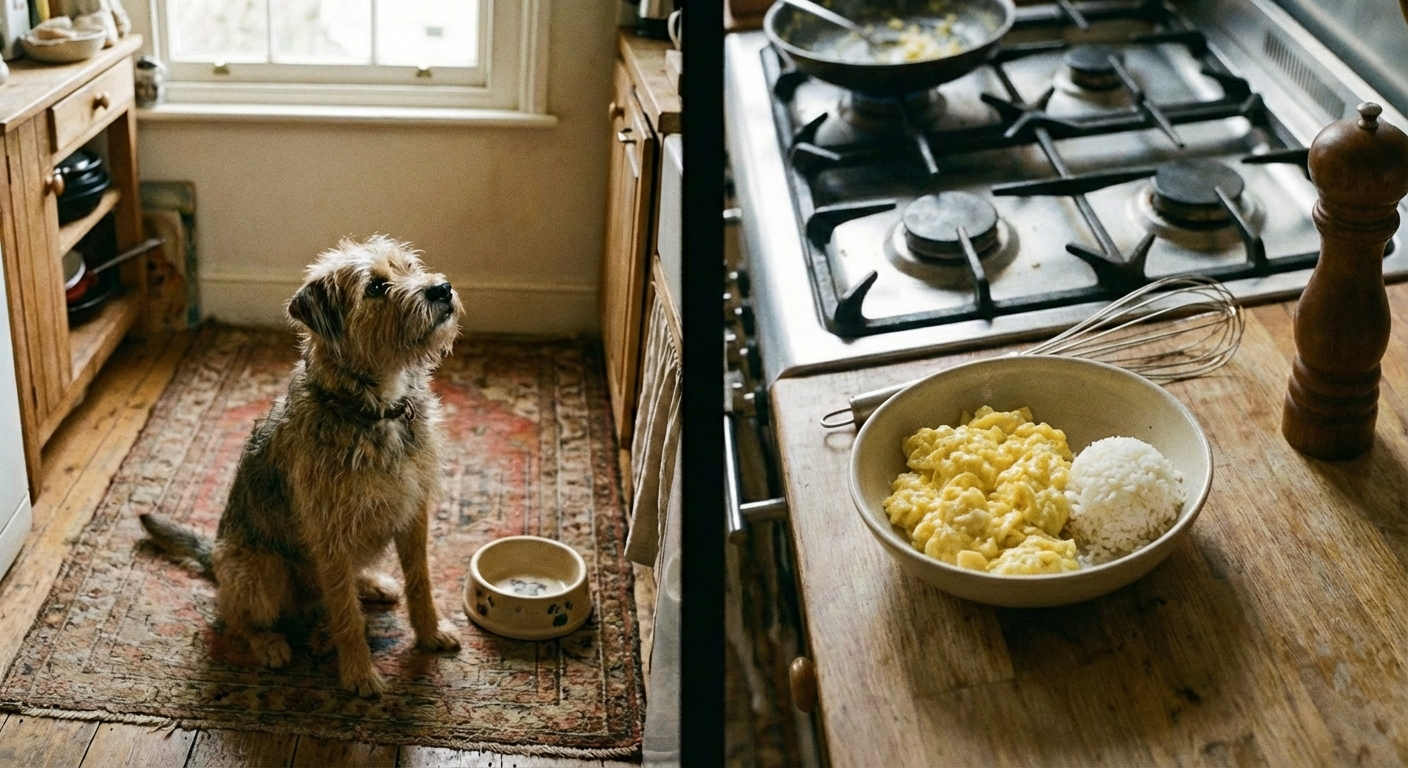
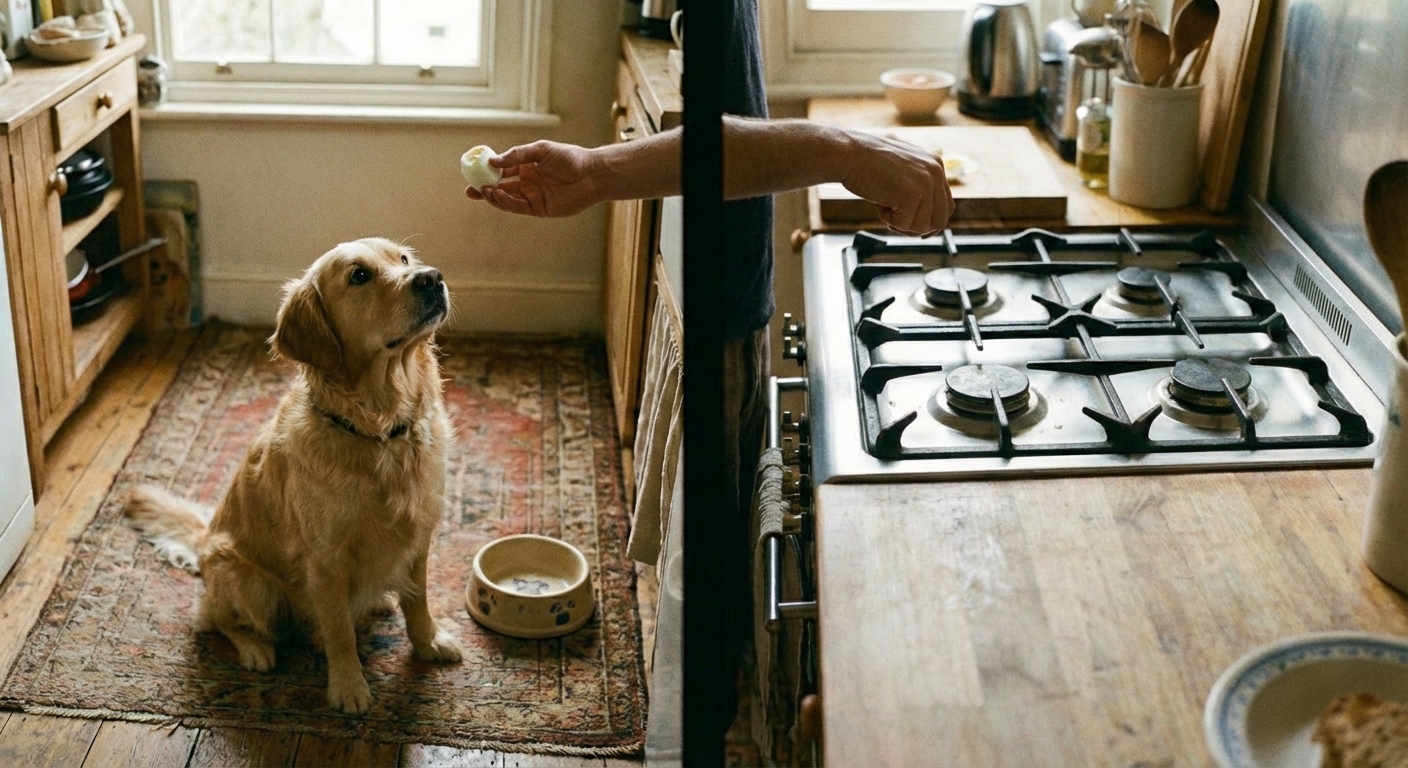
- Best: Scrambled or hard-boiled eggs made with no butter, no oil, no milk, no salt, no spices.
- Avoid: Fried eggs, cheesy eggs, eggs cooked in bacon grease, or anything seasoned.
Start small
For an upset stomach, I like the less-is-more approach. Offer a small portion first and watch stool and appetite over the next 12 to 24 hours.
Conservative starting amounts (not a perfect dose):
- Small dogs: 1 to 2 teaspoons of plain scrambled egg
- Medium dogs: 1 to 2 tablespoons
- Large dogs: Up to 1 egg, split into multiple small meals
Some dogs may tolerate more or less than this depending on size, age, and what is causing the diarrhea. When in doubt, go smaller and check in with your veterinarian.
Feed small, frequent meals
Instead of one big meal, offer 3 to 6 small meals throughout the day. This is often easier on the GI tract.
Pair with bland carbs if tolerated
Many dogs do well with a bland combo like:
- Plain scrambled egg + plain white rice
- Plain scrambled egg + plain boiled potato (no butter)
- Plain egg + a spoon of plain canned pumpkin (for some dogs)
Note: Pumpkin is fiber, and it may help some cases (often large-bowel diarrhea). It can also make things worse for other dogs. If stool worsens, stop and talk with your veterinarian.
Egg nutrition facts
- High-quality protein: Eggs are often used as a gold-standard reference protein because they contain all essential amino acids in a highly usable form.
- Eggs are nutrient-dense: They contain vitamins (like A and several B vitamins) and minerals like selenium.
- Yolk vs. white: The yolk is where most fat and many nutrients live. The white is mostly protein.
What else to do for diarrhea
Hydration comes first
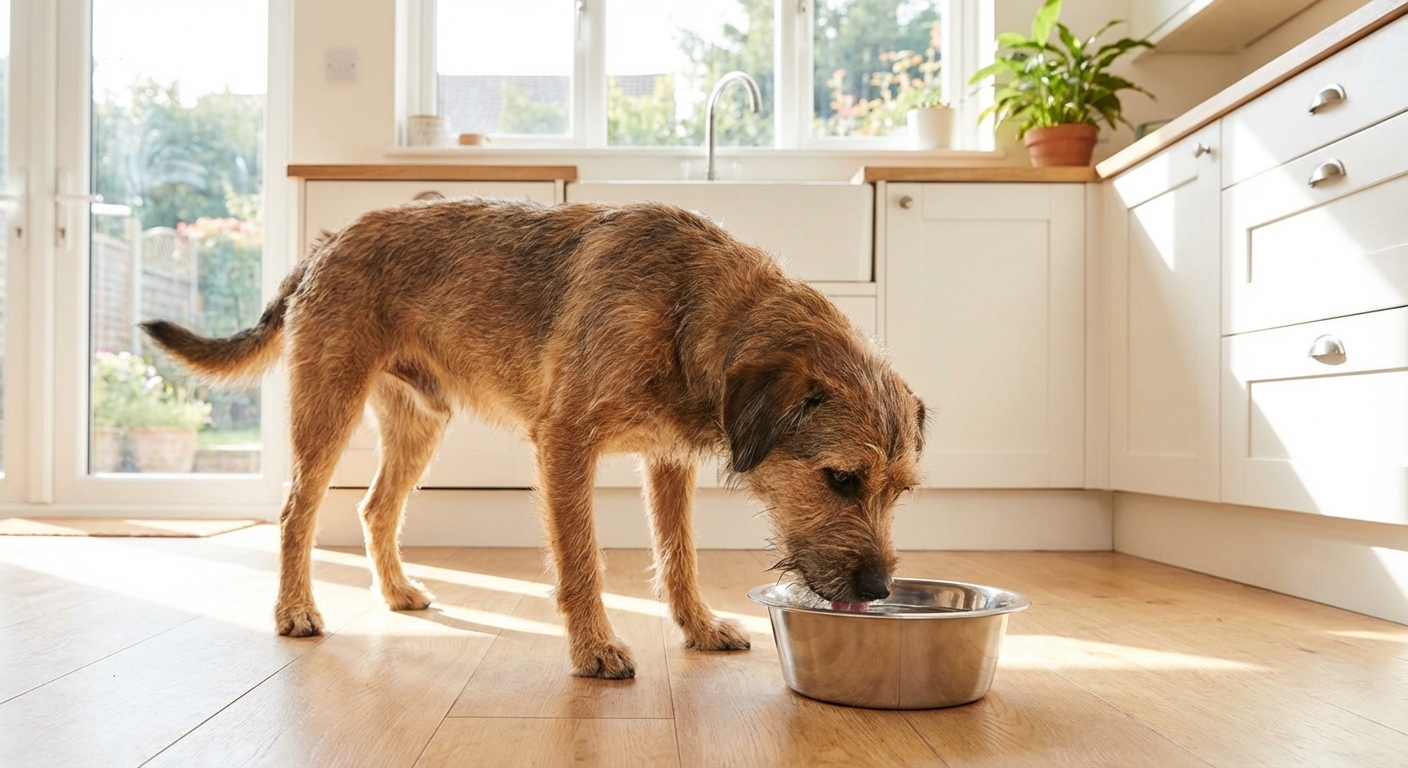
Diarrhea can dehydrate dogs, especially puppies, toy breeds, and dogs having frequent watery stool. Make sure fresh water is always available. If your vet approves, an oral electrolyte solution formulated for pets can be helpful in some cases.
Do not withhold water. If you are considering fasting your dog, ask your veterinarian first. Many dogs do better with small bland meals instead of prolonged fasting.
Check for common triggers
- Did your dog get into the trash?
- Any new treats, chews, table food, or sudden diet changes?
- Stressful events like boarding, travel, visitors, storms?
- Is your dog on preventives, antibiotics, or other meds?
Consider a vet-recommended probiotic
Probiotics can support gut balance, but quality matters. Ask your veterinarian for a product they trust, especially if diarrhea lasts more than a day or two.
When to switch back to normal food
If your dog’s stool is improving within 24 to 48 hours, you can usually begin transitioning back to their regular diet. Go slow by mixing increasing amounts of the regular food into the bland meals over 2 to 3 days. A sudden switch can trigger diarrhea all over again.
When to call the vet
Please contact your veterinarian promptly if you notice any of the following:
- Blood in stool (bright red or black, tarry stool)
- Vomiting along with diarrhea
- Lethargy, weakness, fever, or pain
- Puppy, senior dog, or immunocompromised dog
- Unvaccinated or unknown vaccine status puppy: Diarrhea can become serious quickly and parvo is a concern.
- Diarrhea lasting more than 24 to 48 hours
- Frequent watery stool or signs of dehydration (dry gums, sunken eyes, collapse)
- Possible toxin exposure or foreign object ingestion
Diarrhea is a symptom, not a diagnosis. If your dog looks off, trust your gut and get help.
The bottom line
Plain, fully cooked eggs can be a helpful short-term food for some dogs with mild diarrhea, especially as part of a simple bland diet. But eggs are not a cure-all, and in certain cases they can worsen problems or delay needed treatment.
If you want to try eggs, keep them plain, start small, and watch your dog’s stool and energy closely. And if symptoms are severe, persistent, or paired with vomiting, blood, or dehydration, your veterinarian should be your next call.