Vet-assistant guide to calming itchy dogs at home. Learn common causes (fleas, allergies, yeast), a 10-minute itch check, safe remedies, what to avoid, and w...
Article
•
Designer Mixes
Apple Cider Vinegar for Dogs

Shari Shidate
Designer Mixes contributor
Apple cider vinegar, or ACV, is one of those remedies that shows up in nearly every “natural dog care” conversation. As a veterinary assistant in Frisco, Texas, I totally understand why. It is inexpensive, easy to find, and it feels like a simple solution.
Here’s the truth: ACV can be helpful for a few very specific, diluted, external uses. Many of the big claims you see online, especially about fleas and internal “detox,” are not supported by solid evidence and can backfire.
Quick note: This article is general education for dogs and is not a substitute for an exam. If your dog is painful, has discharge, open sores, or feels sick, skip home remedies and call your veterinarian.
This is for dogs only. Do not use ACV on cats unless your veterinarian specifically tells you to.
What ACV is
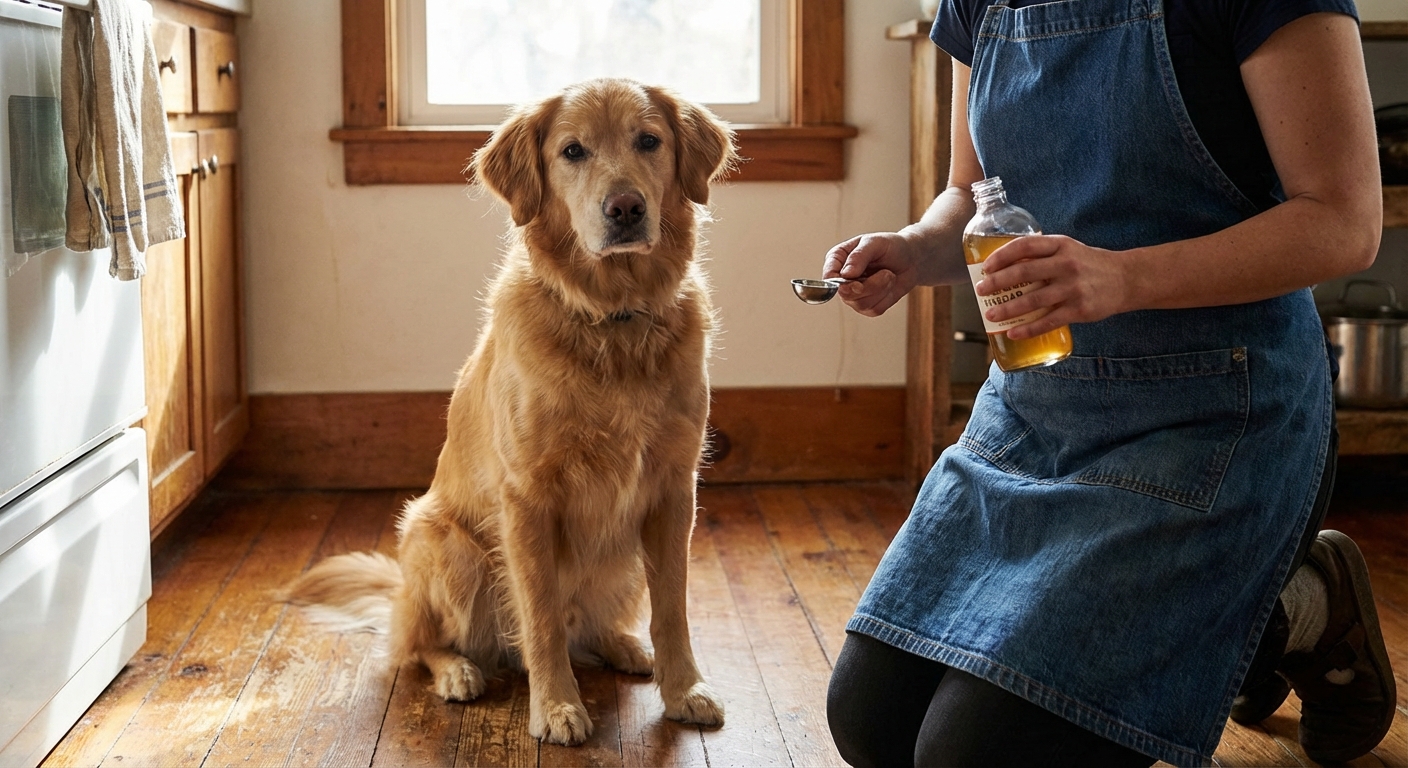
ACV is made through a two-step fermentation (sugars become alcohol, then alcohol becomes vinegar). The main active component is acetic acid, which lowers pH (makes things more acidic). That acidity is why ACV is sometimes used for mild odor control and as a short-contact skin rinse.
You may also see bottles labeled “with the mother.” That refers to a cloudy mix of proteins and bacteria from fermentation. There is no strong evidence that “the mother” provides extra, dog-specific health benefits.
In dogs, the most common do-it-yourself uses are:
- As a skin rinse for mild itch or musty odor
- As an outer ear wipe in very limited situations
- As a flea deterrent (this one is more myth than fact)
- Added to food or water for “health,” “yeast,” or “detox” (often risky and usually unnecessary)
Safe dilutions
Undiluted vinegar can sting and irritate, especially on inflamed skin or inside ears. When ACV is used topically, dilution is the safety step that makes or breaks it.
Skin rinse dilution
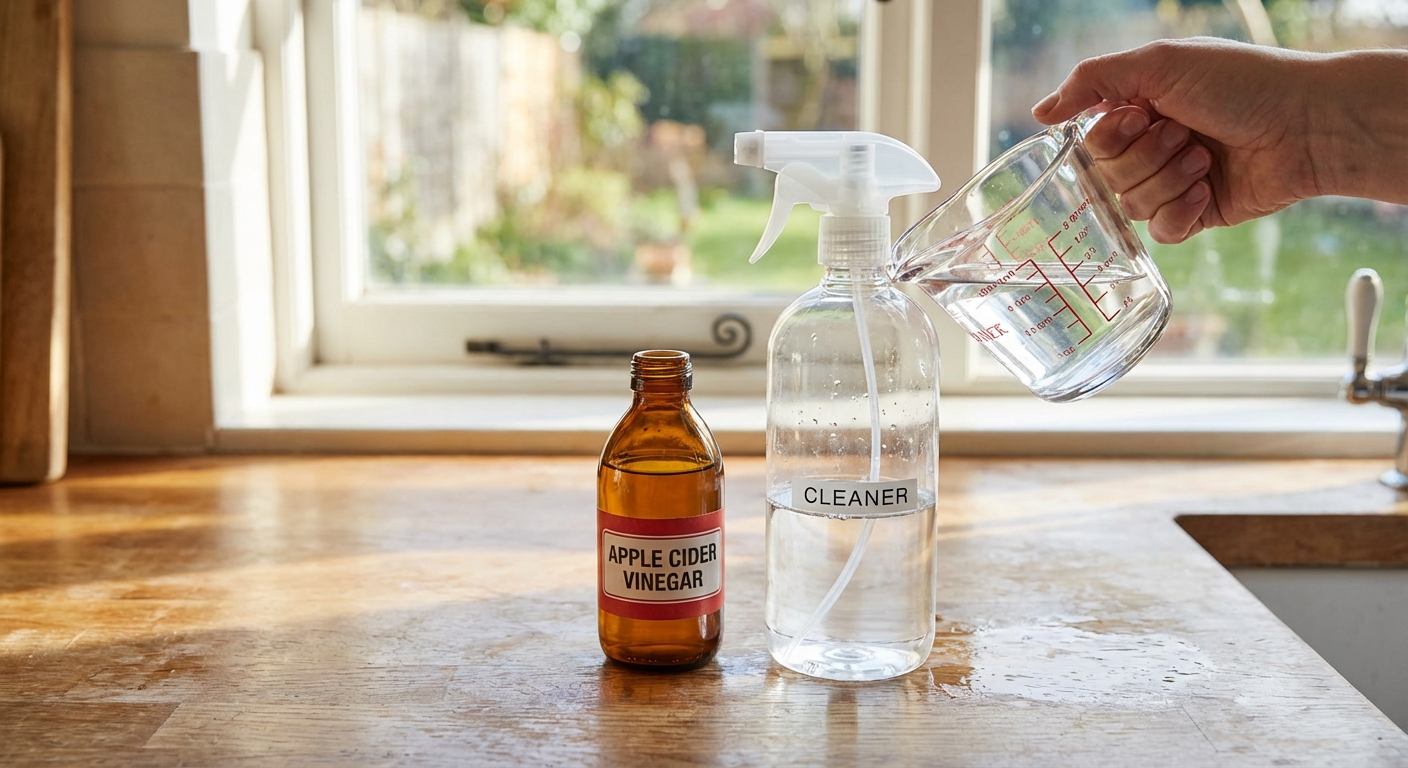
- Start mild: 1 tablespoon ACV in 1 cup water (about a 1:16 dilution)
- Stronger mixes: Some DIY sources suggest 1 part ACV to 3 or 4 parts water (1:3 to 1:4), but higher concentrations are much more likely to sting and irritate. I do not recommend starting there, and I would avoid that strength entirely on itchy, red, or broken skin.
If your dog flinches, licks frantically, or you notice redness, stop and rinse with plain water.
Ear use (extra caution)
Ears are sensitive, and many ear problems involve a damaged skin barrier. If you use ACV at all around the ear, keep it very dilute and keep it external only:
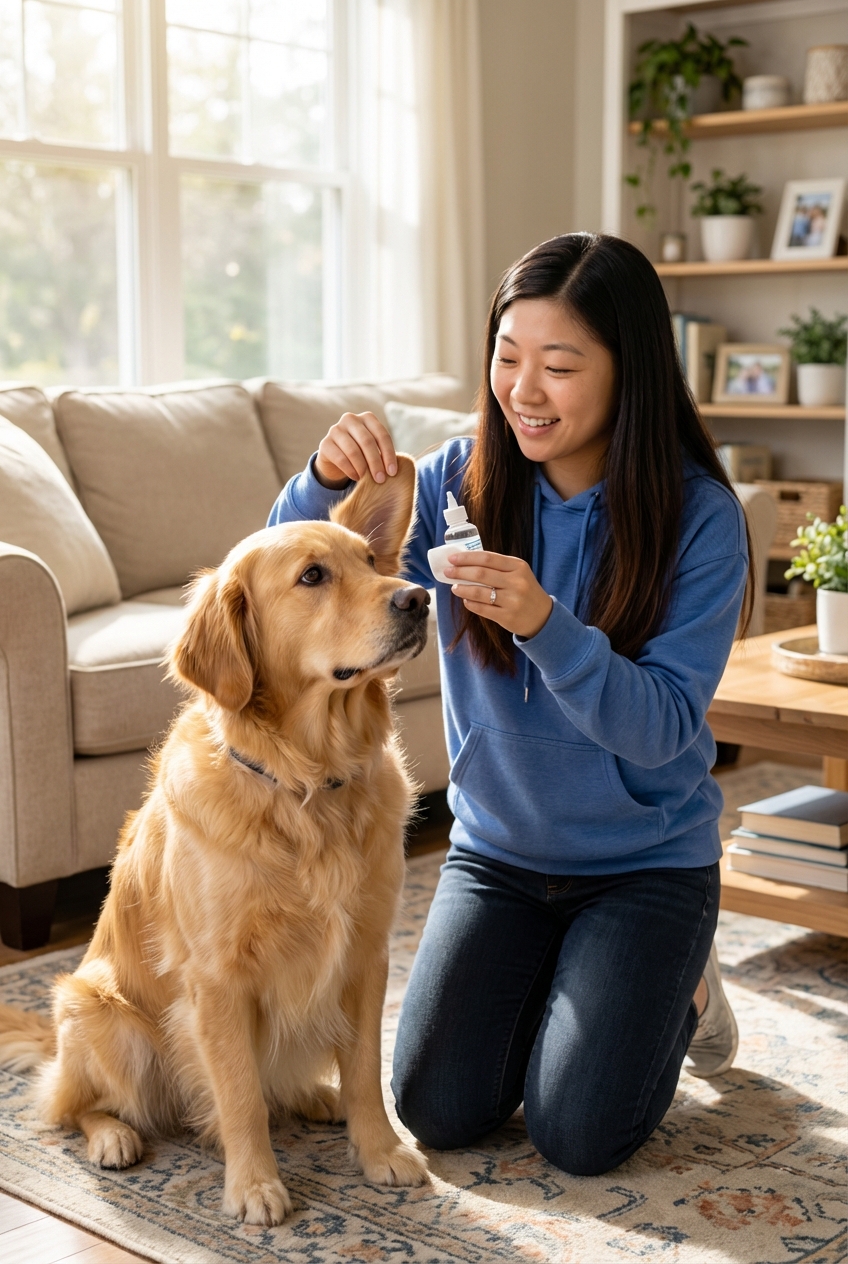
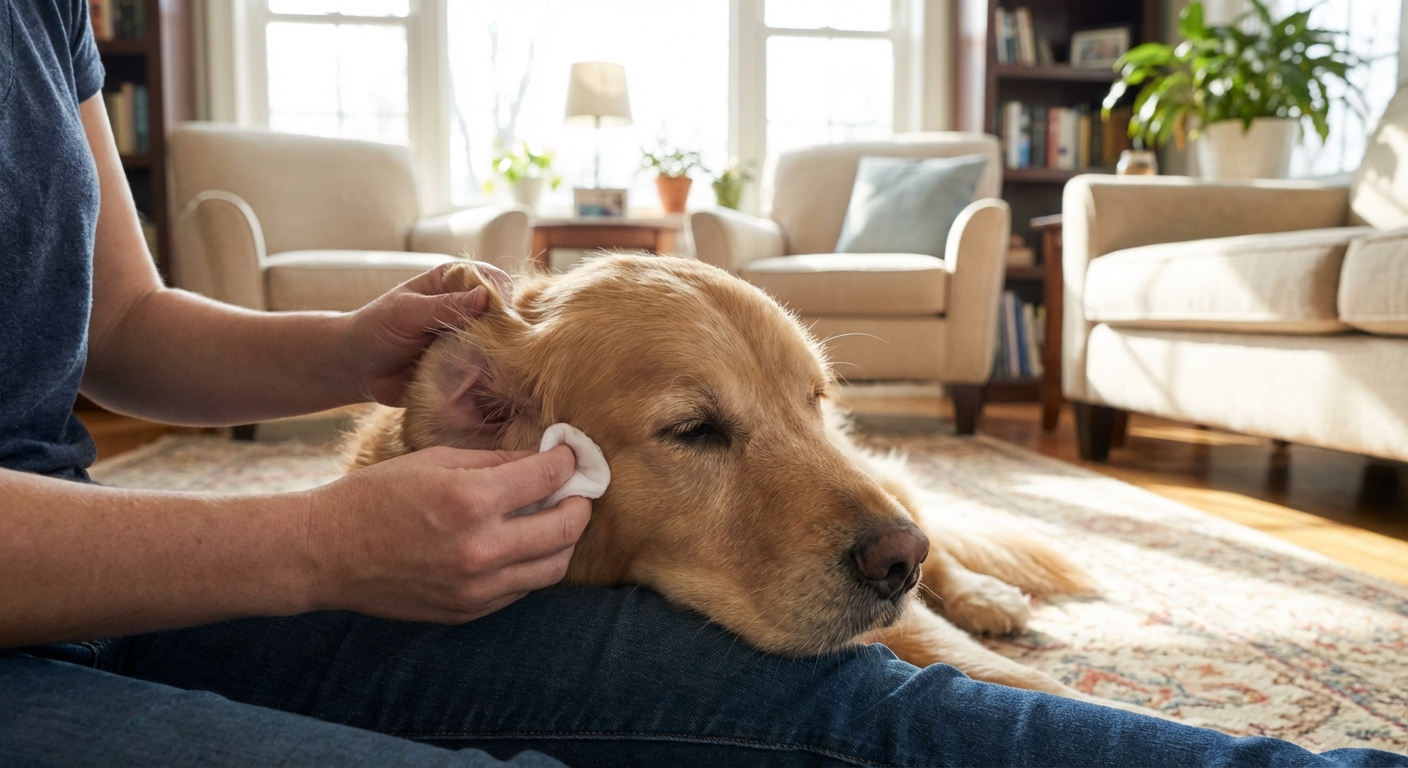
- 1 part ACV to 4 parts water (1:4) on a cotton pad to gently wipe the outer ear flap (pinna)
Do not pour ACV into the ear canal and do not use it as an ear flush. If the ear looks raw, your dog is in pain, there is discharge, there is a strong odor, or you suspect infection, vinegar can burn and delay proper treatment.
When ACV can help
1) Mild itch or musty odor
If your dog has occasional mild itch or a little musty smell, a brief, diluted ACV rinse can sometimes help by changing the skin surface environment. The antimicrobial idea is plausible because acidity can discourage some organisms, but evidence in pets is limited and it is not a substitute for vet-prescribed treatment for infections.
How to try it safely:
- Mix a mild dilution (start 1 tablespoon in 1 cup water).
- Apply to the coat with a clean washcloth or spray bottle, avoiding eyes and genitals.
- Let it sit 1 to 2 minutes, then rinse with plain water the first time to check tolerance.
- Use no more than 1 to 2 times weekly unless your veterinarian suggests otherwise.
Stop rule: If you see no improvement after 1 to 2 uses, stop and check in with your vet. Do not keep escalating strength or frequency.
Skip this if your dog has open sores, hot spots, clipper irritation after grooming, or is chewing the area raw. ACV will sting and can worsen inflammation. Also avoid using ACV on areas where you recently applied topical medications unless your veterinarian says it is OK.
2) Outer ear wipe for mild wax
A small number of dogs get mild waxy buildup without infection. In that narrow situation, a very diluted solution on a cotton pad can help clean the outer ear flap.
Important: Many ear issues look similar at home. Yeast, bacteria, mites, foreign material, or allergies can all cause head shaking and odor. If the ear is painful or smelly, the safest move is a vet exam and an ear cytology test.
Common myths
Myth: ACV kills fleas
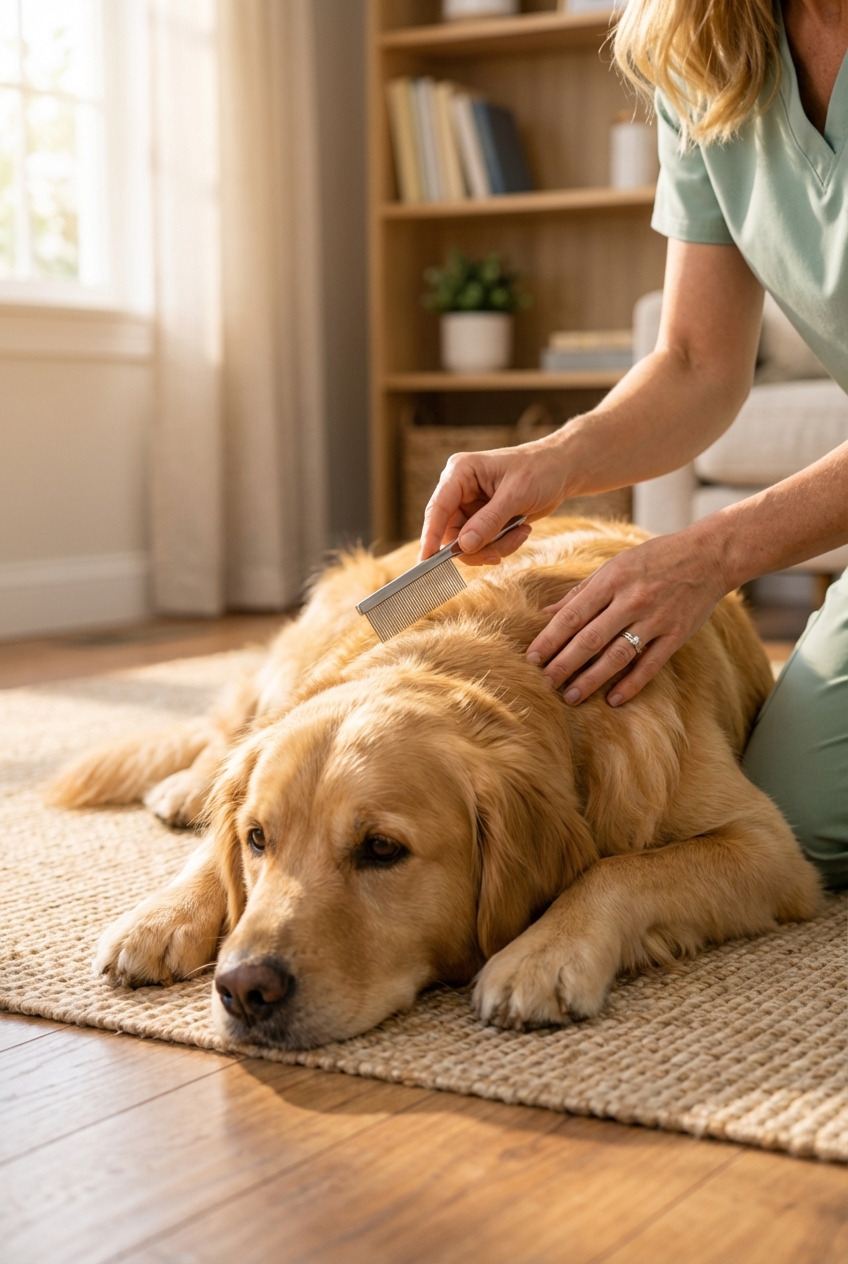
ACV is not a reliable flea treatment. You might see fewer fleas temporarily if you are bathing and combing more often, but vinegar itself does not replace effective flea prevention.
If fleas are part of your life right now, focus on evidence-based steps:
- Year-round veterinarian-recommended flea prevention
- Wash bedding in hot water
- Vacuum frequently, especially baseboards and rugs
- Treat all pets in the home, not just the itchy one
Myth: ACV “cures yeast” when added to food
Yeast overgrowth on skin and in ears is usually tied to allergies, moisture, and skin barrier problems. Changing body pH through vinegar in food is not a proven solution and can cause stomach upset.
Also, yeast is not something you can diagnose confidently by smell alone. A quick cytology test at the vet (checking a sample under the microscope) helps confirm what is actually going on, and that guides the right antifungal or antibacterial plan.
Myth: ACV detoxes the body
Dogs have a built-in detox system: the liver, kidneys, GI tract, and skin. The most helpful “detox” you can do is give a complete, balanced diet, fresh water, parasite prevention, dental care, and appropriate vet visits.
Internal use risks
This is where I want you to be extra careful. Internal ACV is popular online, but it is not benign.
Potential risks include:
- Stomach irritation and vomiting, especially in small dogs or dogs with sensitive stomachs
- Worsening reflux and possible esophagus irritation in dogs prone to acid-related nausea
- Dental enamel irritation over time if used regularly
- Throat irritation if not diluted
- May complicate management of medical issues like kidney disease or electrolyte problems, where “kitchen remedies” can muddy the waters
If your goal is improved digestion, itch relief, or healthier skin, there are safer, more evidence-based options to discuss with your veterinarian such as diet trials, omega-3s, vet-approved probiotics, medicated shampoos, or targeted allergy control.
When to see a vet
ACV is not the right tool for urgent or painful problems. Please get veterinary help if you notice:
- Ear symptoms: head shaking, crying when touched, strong odor, discharge, swelling, or a tilted head
- Skin symptoms: hot spots, open sores, pus, scabs, hair loss in patches, or intense itching that disrupts sleep
- Persistent odor that comes back quickly after bathing
- Fleas or flea dirt (black pepper-like specks) since fleas can trigger significant allergy reactions
- Signs of illness: lethargy, fever, not eating, vomiting, diarrhea, or sudden behavior changes
If it is inflamed, painful, wet, or bleeding, vinegar will usually make it worse. That is your cue to pause the home remedies and get answers.
Quick safety checklist
- Always dilute. Start mild (1 tablespoon per 1 cup water).
- Avoid eyes, nose, genitals, and any broken skin.
- Do a small patch test on a non-irritated area first.
- Ear warning: Use only as an outer ear flap wipe. Do not pour into the ear canal.
- Do not rely on ACV for fleas. Use veterinarian-recommended preventives.
- Be cautious with internal use. Ask your vet first, especially if your dog has medical conditions or takes medications.
- Stop if it is not helping. No improvement after 1 to 2 uses means it is time to stop and get guidance.
Bottom line
Apple cider vinegar can be a helpful supportive rinse for mild, occasional skin issues, and in very limited situations it may help with outer ear cleanliness when used as a gentle wipe. It is not a dependable flea treatment, and internal use is where I see the most avoidable problems.
If you want, tell me your dog’s breed, age, and what you are hoping ACV will help with (ears, itchy paws, odor, fleas, something else), and I can help you sort out what is safe to try at home versus what really deserves a vet visit.