
Antifreeze Poisoning in Dogs (Ethylene Glycol)

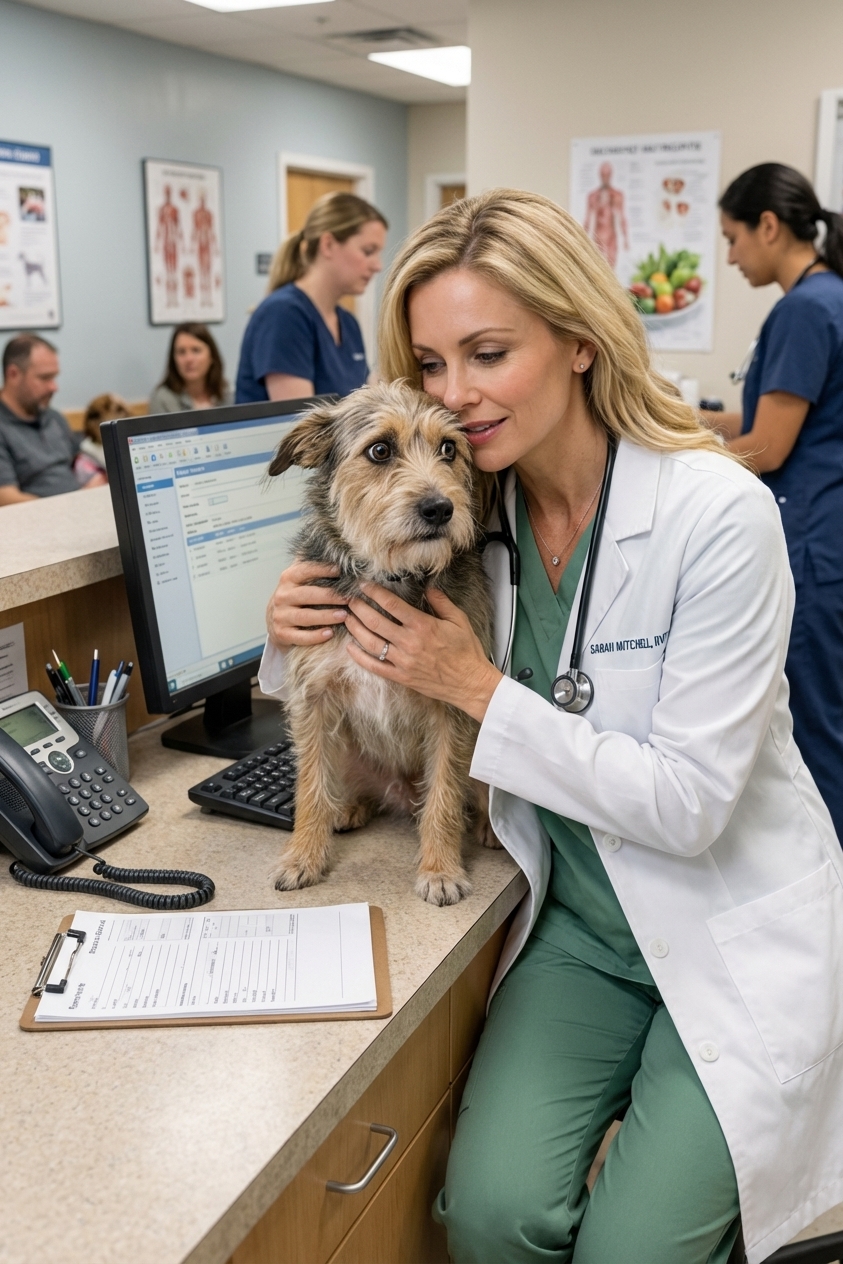
As a veterinary assistant, I have learned to take antifreeze seriously, and fast. Antifreeze poisoning is one of those emergencies where a dog can look mostly okay at first, then crash later when it is much harder to help. The toxic ingredient we worry about most is ethylene glycol, and in many products it may taste sweet to pets.
What makes this especially scary is how little it can take. Depending on the product and the dog’s size, even a small swallow can be life-threatening (toxic doses are often cited around 4.4 ml/kg for dogs, and sometimes less). Bittering agents added to some antifreeze are not reliable protection.
If you think your dog licked, drank, or even had a suspicious puddle on their paws, treat it as an emergency. Call your veterinarian or an ER clinic right away. In the U.S., you can also call ASPCA Animal Poison Control (888-426-4435) or Pet Poison Helpline (855-764-7661). Fees may apply, but they can save precious time.
This article is educational and not a substitute for veterinary care.
Why antifreeze is so dangerous
Ethylene glycol itself is not the only problem. Once swallowed, the body (primarily the liver) metabolizes it into highly toxic acids that can cause:
- Severe metabolic acidosis (the blood becomes dangerously acidic)
- Kidney damage and kidney failure (calcium oxalate crystals can form in the kidneys)
- Neurologic signs that can look like alcohol intoxication
The hard part is that the best window for treatment is early, before the toxin is fully metabolized. That is why speed matters more than almost anything with ethylene glycol exposure.
Common exposure routes
Many families picture a dog drinking straight from a container, but most exposures are more ordinary:
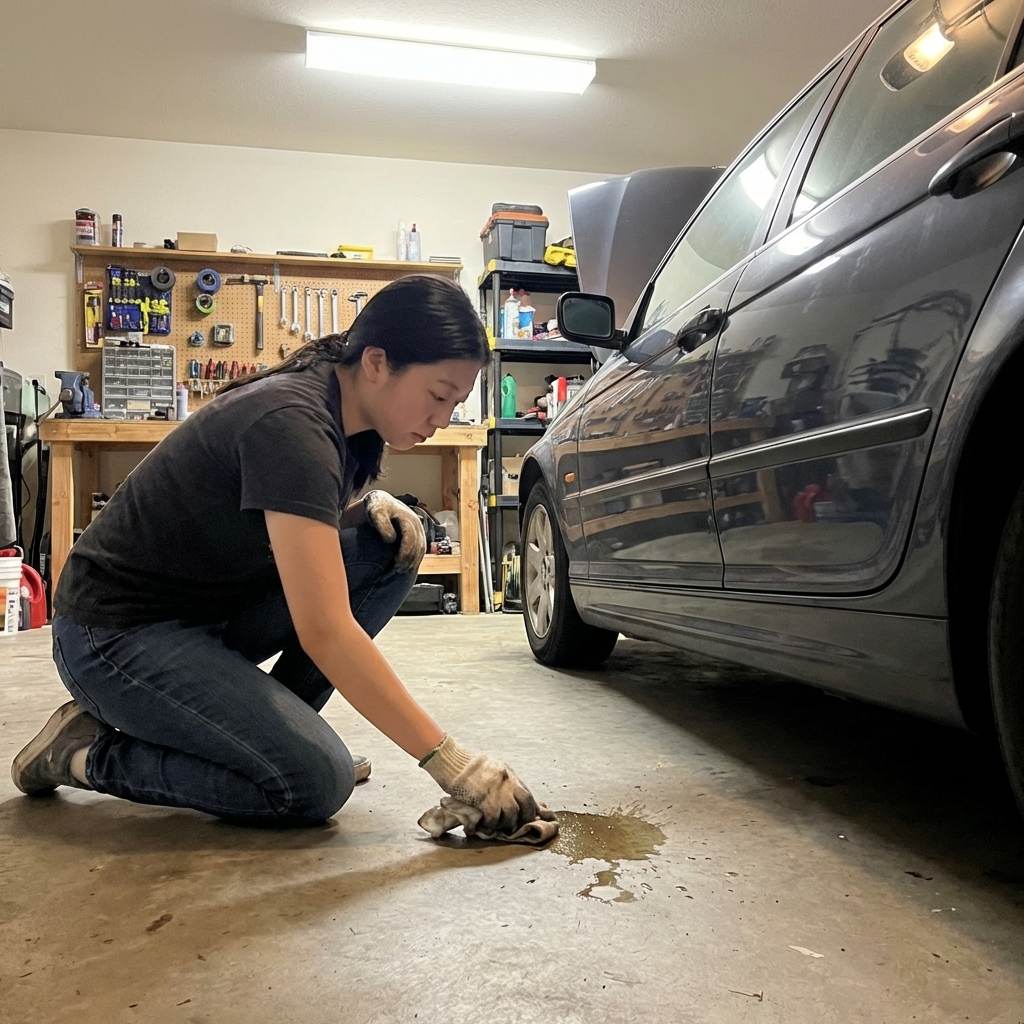
- Driveway or garage puddles after a coolant leak or radiator work
- Spills during refills, storage, or cleanup that did not fully remove residue
- Open drain pans left under a car
- Trash access to rags, towels, or absorbent pads used to wipe up coolant
- Other automotive and winter fluids (ingredients vary, so check labels). Some windshield washer fluids contain methanol or other toxic alcohols, which is a different emergency, but still urgent.
Dogs can also ingest it by licking their paws after stepping in a spill. Cats are also at risk, but this article is focused on dogs.
How fast do signs appear?
Clinical signs can begin within 30 minutes to a few hours after ingestion, but the most life-threatening kidney effects often develop later. Timing can vary by dose, whether food was in the stomach, and the individual dog.
If antifreeze is even a possibility, do not wait for symptoms. Call an ER clinic immediately.
Symptoms by stage
Stage 1: early (about 30 minutes to 12 hours)
This stage often looks like intoxication. Dogs may show:
- Wobbliness or acting “drunk”
- Disorientation, depression, or agitation
- Nausea, drooling, vomiting
- Increased thirst and increased urination
These signs can temporarily lessen, which can mislead people into thinking their dog is improving.
Stage 2: middle (about 12 to 24 hours)
Some dogs appear quieter. Internally, the body is struggling with acid-base imbalance. You might notice:
- Fast breathing or panting
- Increased heart rate
- Worsening weakness
Stage 3: late (about 24 to 72 hours)
This is when kidney injury can become obvious and severe. Signs may include:
- Not eating
- Vomiting
- Drooling or mouth ulcers
- Little to no urination
- Abdominal pain
- Profound lethargy
Once a dog reaches significant kidney failure, treatment is more complex and the prognosis worsens.
Why home treatment fails
I understand the instinct to try something at home, especially if you are not 100% sure what happened. But with ethylene glycol, home care can waste the time window when an antidote can work.
- Milk, bread, oils, and “detox” remedies do not bind ethylene glycol in a reliable way.
- Inducing vomiting at home can be risky, especially if your dog is already wobbly or sedated, because aspiration pneumonia is a real concern.
- Activated charcoal is not reliably effective for ethylene glycol compared to many other toxins. Poison control may still recommend it in certain situations (for example, if there are other ingredients involved), so follow professional guidance.
- Waiting for symptoms is dangerous because the most effective treatments are time-sensitive.
The safest move is to call a veterinary professional immediately and follow their instructions.
What to do right now
- Get your dog away from the source and prevent more licking or drinking.
- Do not try to “dilute” at home with food or water unless poison control or a veterinarian instructs you to.
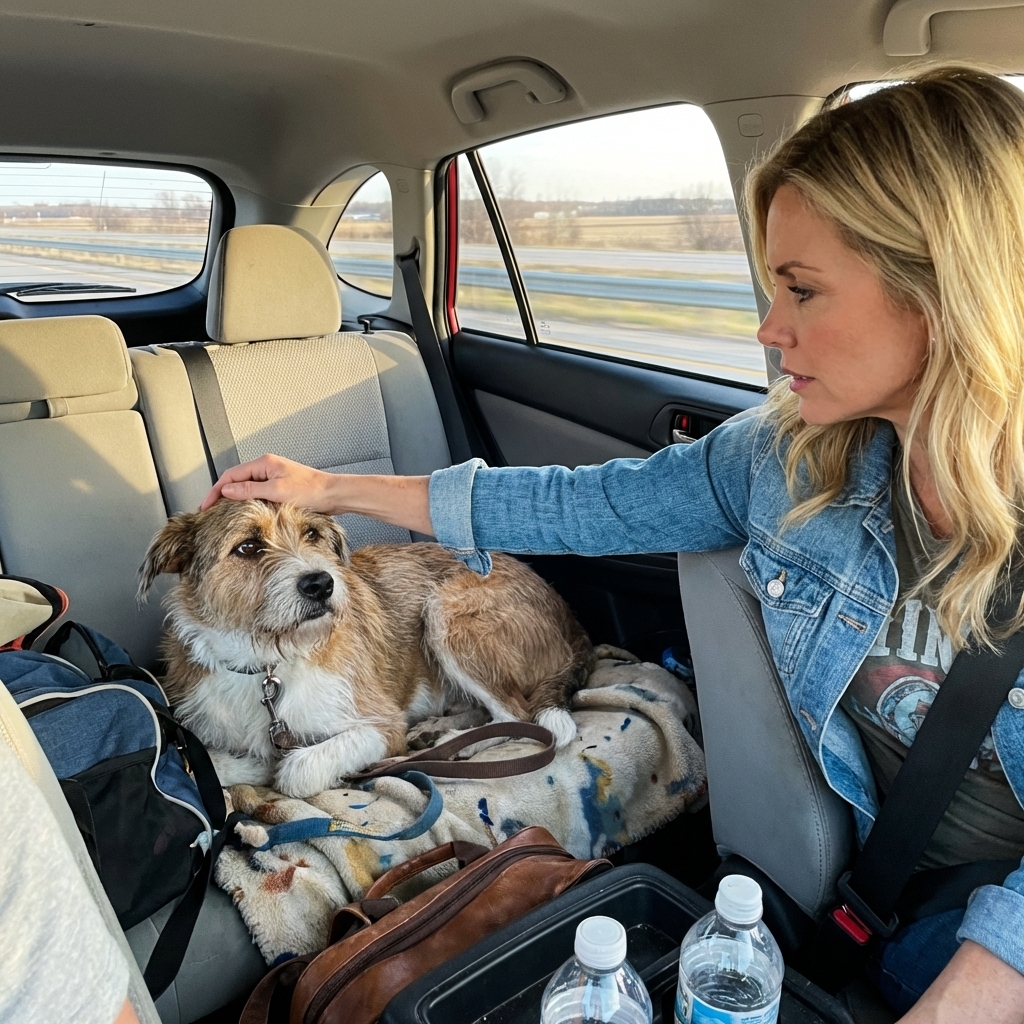
- Call an ER clinic while you are on the way. Tell them you suspect ethylene glycol, your dog’s weight, and the time of possible ingestion.
- Bring the container or a clear photo of the label if it is safe to do so. Do not delay departure to hunt for it.
If your dog is collapsed, seizing, or having trouble breathing, go immediately. Call from the car if needed.
ER care: what vets may do
ER teams move quickly because outcomes depend on time since ingestion and kidney status. Depending on timing and your dog’s condition, care may include:
- Decontamination (such as inducing vomiting in the clinic if appropriate and safe)
- Antidote therapy to block metabolism of ethylene glycol, most commonly fomepizole (4-MP) or, in some situations, ethanol (veterinary supervision only). This is most effective when given early.
- IV fluids to support circulation and help protect kidneys
- Correction of acid-base and electrolyte issues
- Anti-nausea medications and supportive care
- Monitoring urine output, blood pressure, and repeat lab work
In severe cases, some dogs may need advanced options like dialysis where available. The most important takeaway is that ER care is not just “supportive”; it is time-sensitive, targeted treatment.
Tests you may hear about
Diagnostics help confirm exposure, assess severity, and guide treatment. Your veterinarian may recommend:
- Blood chemistry panel to evaluate kidney values (BUN, creatinine) and electrolytes
- Blood gas to assess metabolic acidosis
- Urinalysis to look for urine concentration changes and calcium oxalate crystals
- Ethylene glycol testing (availability varies and results depend on timing)
- Osmol gap and anion gap calculations (tools that can support suspicion early in some cases)
If your vet says, “We need to treat based on suspicion,” that is not guesswork. It is how we save lives with toxins where waiting can close the treatment window.
Prognosis: time matters most
With ethylene glycol, the outlook depends heavily on how soon treatment begins and whether kidney injury has already started. Dogs treated very early have a far better chance than dogs treated after kidney values rise or urine production drops.
That is why I tell families: if you are debating whether to go, you should go.
Prevention at home
Antifreeze emergencies are heartbreaking because many are preventable. Here are practical ways to lower risk:
- Switch to a pet-safer coolant if possible. Many products use propylene glycol instead of ethylene glycol, which is generally less likely to cause the same kidney-crystal catastrophe, but it can still cause serious illness (often GI and neurologic signs) and it is not safe to drink. Always store securely and clean spills.
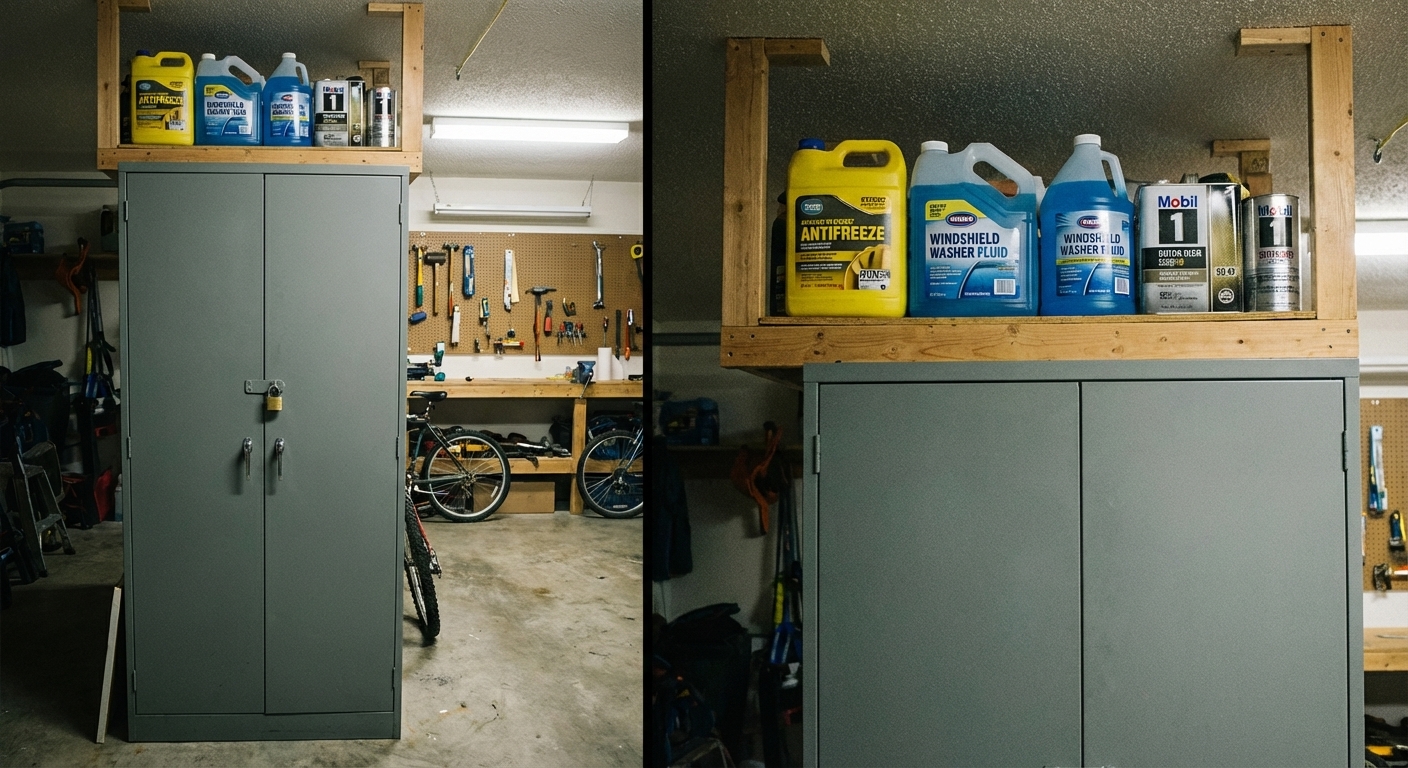
- Store all automotive fluids in locked cabinets or high shelves.
- Clean spills immediately and thoroughly. Use absorbent material, then wash the area.
- Never leave open drain pans unattended.
- Check for leaks under your vehicle, especially in cold weather.
- Secure trash that may contain contaminated rags or paper towels.
When in doubt, call
If your dog could have licked or swallowed antifreeze, it is worth a call even if you are unsure. Veterinary teams would rather talk you through it early than meet you later when kidneys are failing.
Quick action saves lives.