
Anemia in Dogs: Symptoms, Causes, and What to Do

Anemia in dogs is usually a sign of an underlying problem, not a diagnosis all by itself. It means something is affecting your dog’s red blood cells. Red blood cells are the body’s oxygen delivery system, so when they drop too low, your dog can suddenly seem tired, weak, or “just not right.”
As a veterinary assistant, I always tell families this: anemia is treatable, but it can become an emergency fast depending on the cause. I cannot diagnose your dog online, but I can help you recognize common warning signs and know when to get care right away.

What anemia means
Anemia happens when the body does not have enough circulating red blood cells, or when those red blood cells cannot carry oxygen effectively. Veterinarians usually describe anemia in three main categories:
- Blood loss (the body is losing red blood cells)
- Destruction of red blood cells (the immune system or an infection is breaking them down)
- Decreased production (the bone marrow or kidneys are not making enough)
Your vet will often talk about your dog’s PCV or hematocrit, which is the percentage of blood volume made up of red blood cells. They will also describe whether the anemia is regenerative (the body is trying to replace the cells) or non-regenerative (the body is not replacing them well).
As a simple rule of thumb, blood loss and red cell destruction are often regenerative, while conditions like chronic kidney disease or some bone marrow problems are often non-regenerative. This matters because it helps your vet narrow down the cause faster.
Symptoms of anemia in dogs
Some dogs show obvious signs. Others are subtle at first, especially if the anemia develops slowly. Common symptoms include:
- Pale gums or pale inner eyelids (sometimes the gums can look white)
- Lethargy, sleeping more, less interest in walks or play
- Weakness, wobbliness, or collapsing
- Rapid breathing or panting at rest
- Fast heart rate
- Decreased appetite
- Exercise intolerance (your dog gets tired unusually quickly)
Other clues can point to the cause, like black tarry stool (possible GI bleeding), bruising, nosebleeds, yellow-tinged gums or eyes (jaundice from red cell destruction), or ticks seen on the body.
One important note: pale gums can also happen with shock or poor circulation, not only anemia. Either way, it is an urgent sign that deserves a call to your vet.
When it is an emergency
Next, here is when to treat this as urgent. Please seek veterinary care today if you notice any of the following:
- Collapse, severe weakness, or your dog cannot stand
- Gums that look white or very pale
- Labored breathing or breathing much faster than normal at rest
- Signs of significant bleeding (vomiting blood, black stool, heavy nosebleed, bleeding that will not stop)
- A swollen belly with sudden weakness (can be internal bleeding)
If you are unsure, it is always safer to call an ER vet. With anemia, waiting “to see if it improves” can cost valuable time.
Common causes
Anemia has many possible causes. Your vet’s job is to figure out which bucket your dog fits into, then treat both the anemia and the underlying problem.
Immune-mediated hemolytic anemia (IMHA)
IMHA is one of the most serious causes. In IMHA, the immune system mistakenly attacks the dog’s own red blood cells. This can happen on its own (primary IMHA) or be triggered by something else (secondary IMHA), such as infection, inflammation, cancer, or certain medications.
Dogs with IMHA can decline quickly and may show pale gums, weakness, rapid breathing, and sometimes yellow gums or eyes from bilirubin buildup. Blood clots (thromboembolism) are also a major risk, which is why many treatment plans include anti-clotting support and close monitoring.
Tick-borne diseases
Ticks can transmit infections that damage red blood cells or affect the bone marrow. Depending on your region and travel history, veterinarians may consider diseases such as ehrlichiosis, anaplasmosis, babesiosis, and others.
In many areas, including Texas, consistent tick prevention is strongly recommended year-round. In other regions, seasonality varies, so ask your vet what is appropriate where you live.
Many tick-borne illnesses also cause fever, low platelets (which can mean bruising or bleeding risk), joint pain, or enlarged lymph nodes.
Internal bleeding
Blood loss is one common cause of anemia. Sometimes the bleeding is visible (like a wound), but often it is hidden. Internal bleeding can occur from:
- GI bleeding (ulcers, severe intestinal inflammation, parasites, certain medications like NSAIDs)
- Trauma (hit by car, fall)
- Bleeding tumors (such as splenic masses)
- Bleeding disorders (including toxin exposures like rat bait)
Chronic kidney disease (CKD)
Kidneys help regulate red blood cell production through a hormone called erythropoietin. In chronic kidney disease, the body may not signal the bone marrow to make enough red blood cells, causing a slow, progressive anemia. CKD-related anemia can also be influenced by chronic inflammation and shorter red blood cell lifespan.
Dogs with CKD often have increased thirst and urination, weight loss, nausea, and decreased appetite along with low energy.
Other causes
- Intestinal parasites (especially hookworms)
- Fleas, particularly in small dogs and puppies
- Nutritional deficiencies (less common as a sole cause in dogs, but possible in some situations)
- Bone marrow disease or suppression (certain cancers, severe chronic inflammation, toxins)

How vets diagnose it
Diagnosing anemia is not just confirming that the red blood cell count is low. It is figuring out why.
Step 1: Exam and history
Your vet will check gum color, heart rate, breathing rate, hydration, temperature, and abdominal comfort, and will ask about recent medications, travel, tick exposure, possible toxin exposure, and any bleeding you have noticed.
Step 2: Basic lab work
- Complete blood count (CBC) to measure red blood cells and evaluate white cells and platelets
- PCV/TS (packed cell volume and total solids) for a quick snapshot in urgent cases
- Reticulocyte count to determine regenerative versus non-regenerative anemia
You may also see owner-facing terms like RBC count, hemoglobin, and sometimes red cell indices like MCV and MCHC. Those details help your veterinarian describe the type of anemia and what patterns fit best with blood loss, destruction, or decreased production.
Step 3: Look for the cause
Depending on what the first tests show, your veterinarian may recommend:
- Blood smear review to look for parasite organisms, abnormal cells, or signs of immune destruction (for example, spherocytes or autoagglutination)
- Chemistry panel and urinalysis to assess kidney function and overall organ health
- Tick-borne disease testing
- Coagulation testing if a bleeding disorder is suspected
- Imaging (x-rays or ultrasound) to look for internal bleeding, masses, or organ changes
- Fecal testing for parasites or GI blood loss
- Specific IMHA testing such as saline agglutination or Coombs testing (also called a direct antiglobulin test), based on your vet’s protocol
Because anemia can be linked to serious underlying illness, your vet may also discuss screening for cancer or chronic inflammatory disease depending on age and symptoms.
Treatment options
Treatment depends on how severe the anemia is, how quickly it developed, and what caused it. Many dogs need a combination of supportive care and targeted therapy.
Blood transfusion
If your dog’s red blood cell level is dangerously low or symptoms are severe, a blood transfusion can be lifesaving. A transfusion does not fix the underlying cause, but it buys time and improves oxygen delivery while the medical team treats what is driving the anemia.
Iron supplementation
Iron supplementation may be used when iron deficiency is confirmed or strongly suspected, most commonly after chronic blood loss. It is important not to start iron on your own without veterinary guidance. Too much iron can cause significant GI upset, and excessive dosing can be harmful. Also, many anemic dogs are not iron-deficient.
Treat the cause
- IMHA: immunosuppressive medications, careful monitoring, and often anti-clotting support since clots are a major risk in IMHA
- Tick-borne disease: appropriate antibiotics or antiparasitic medications based on the organism, plus supportive care
- Internal bleeding: address the source of bleeding, which may involve hospitalization, medications to protect the GI tract, surgery, toxin antidotes, or parasite treatment
- Chronic kidney disease: kidney-supportive diet and medications, hydration support, and in some cases medications that stimulate red blood cell production
Your vet may also recommend fluids, oxygen support, anti-nausea medications, appetite support, or hospitalization depending on your dog’s stability.

What you can do now
If you suspect anemia, the most helpful actions are practical and quick:
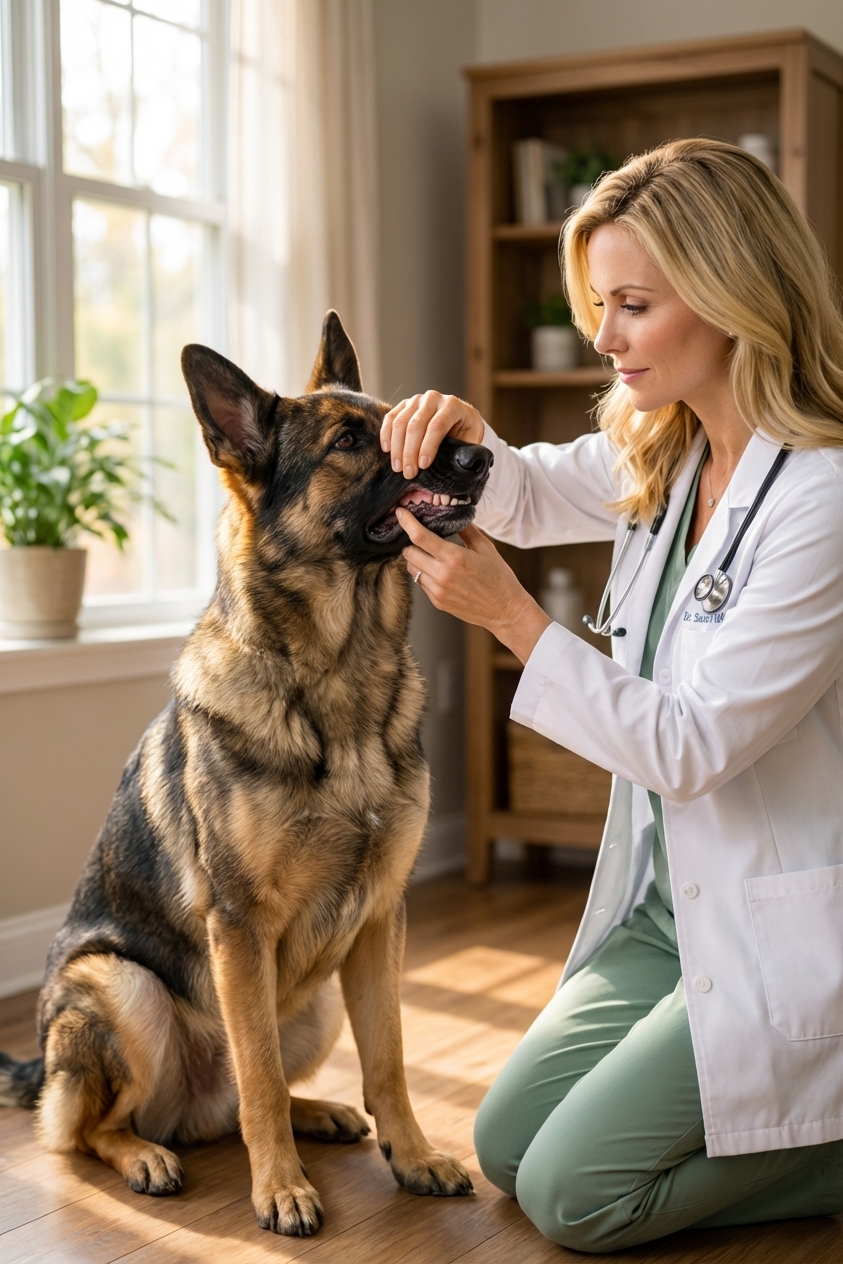
- Check gum color in good lighting. Healthy gums are usually bubblegum pink (pigmented gums can be trickier, so check the inner eyelids too).
- Limit activity until your dog is evaluated. Anemic dogs can overexert easily.
- Look for evidence of bleeding (black stool, blood in urine, bruising, heavy flea burden, recent injury).
- Do not give human medications, especially aspirin or NSAIDs, unless your veterinarian has instructed you. These can worsen bleeding.
- Bring a list of all medications and supplements your dog takes.
If your dog is stable enough for a regular appointment, request the soonest visit. If your dog is weak, breathing fast, or has very pale gums, go to emergency care.
Prevention tips
Not all anemia is preventable, but these steps lower risk in a big way:
- Use consistent flea and tick prevention, especially in warm climates and during peak tick seasons. Ask your vet whether year-round prevention makes sense in your area.
- Keep up with routine wellness exams and lab work, particularly for senior dogs. Slow anemia can be picked up early on screening.
- Talk to your vet before using NSAIDs and never combine pain medications without guidance, since GI bleeding is a real risk.
- Keep toxins locked up, including rat bait and certain human supplements or medications.
- Feed a balanced diet that supports overall health. If you do homemade meals, work with a veterinary professional to keep them nutritionally complete.
Outlook and follow-up
The prognosis for anemia depends on the cause and how quickly treatment starts. Some dogs bounce back beautifully once parasites are treated or bleeding stops. Others, like dogs with IMHA or advanced kidney disease, may need intensive care and long-term management.
Follow-up is not optional with anemia. Your veterinarian will likely recheck bloodwork to confirm your dog’s red blood cell numbers are improving and to adjust medications safely.
If you are dealing with an underlying condition like tick-borne disease, lymphoma, or kidney disease, this is also the time to build a simple plan with your vet: what to monitor at home, when to recheck labs, and what symptoms mean it is time to go in.