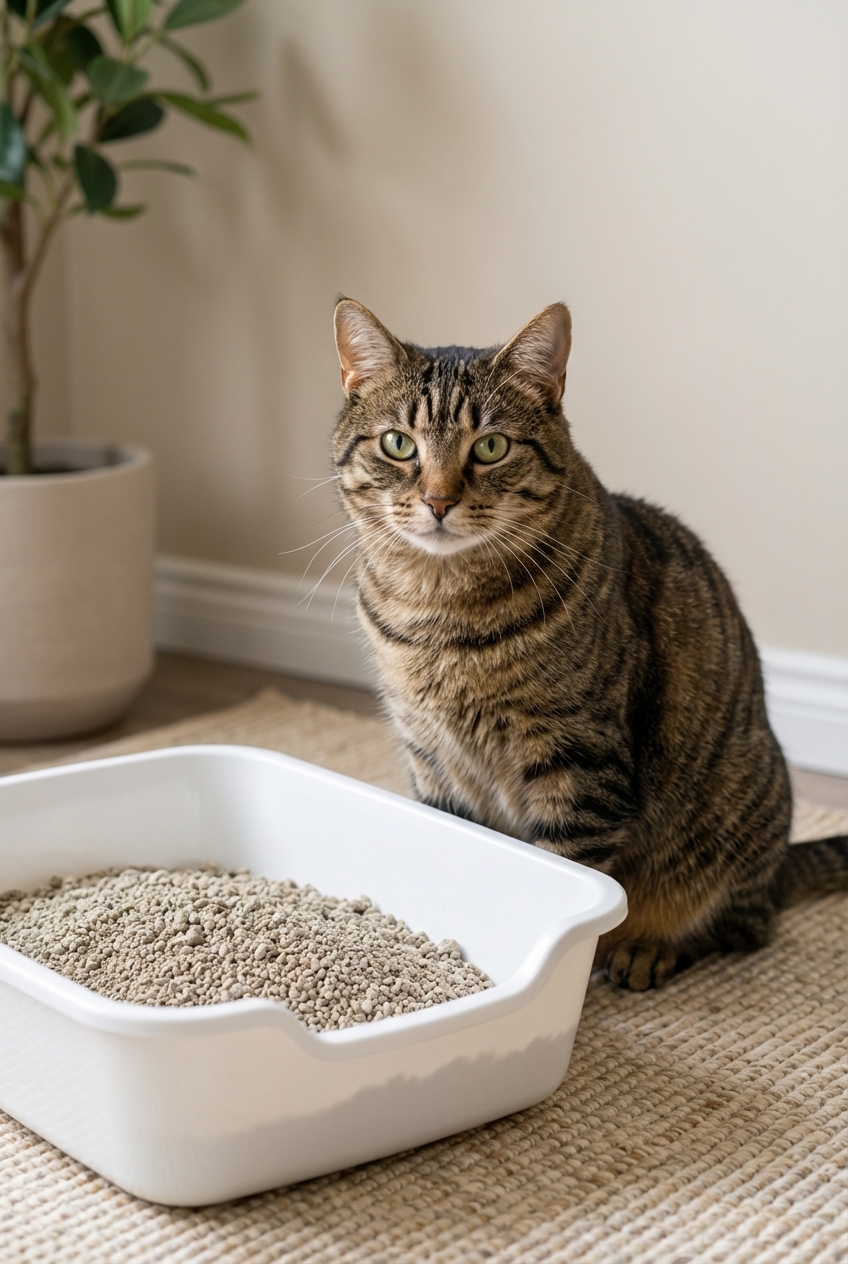
Scooting, licking, fishy odor? Learn what anal glands do, common behavior signs, how to try safe external expression at home, prevention tips, and urgent red...
Article
•
Designer Mixes
Anal Gland Issues in Cats: Facts Every Owner Should Know

Shari Shidate
Designer Mixes contributor
If you have ever noticed your cat scooting, licking under their tail, or acting suddenly uncomfortable, your mind might jump to fleas or constipation. But there is another often-missed cause that can make cats pretty miserable: anal gland (anal sac) trouble. As a veterinary assistant in Frisco, Texas, I can tell you this is not the most glamorous topic, but it is one of the most important for keeping your cat comfortable and preventing painful infections.
Let’s walk through what is normal, what is not, and when you should call your veterinarian.
What anal glands are and what they do
Cats have two small anal sacs located just inside the anus, one on each side (often described as around the 4 o’clock and 8 o’clock positions). These sacs contain a strong-smelling fluid. In a healthy cat, tiny amounts of this material may be expressed naturally during bowel movements.
That scent is part of animal communication. In the wild, it helps with marking and identification. In your home, it mostly just becomes noticeable when something goes wrong.
Common signs something is off
Anal gland issues can look like a lot of other problems, so it helps to know the classic signs. Some cats show only one or two. Also, a quick reality check on “normal”: occasional grooming is normal. Repeated, focused licking under the tail or frequent scooting is not.
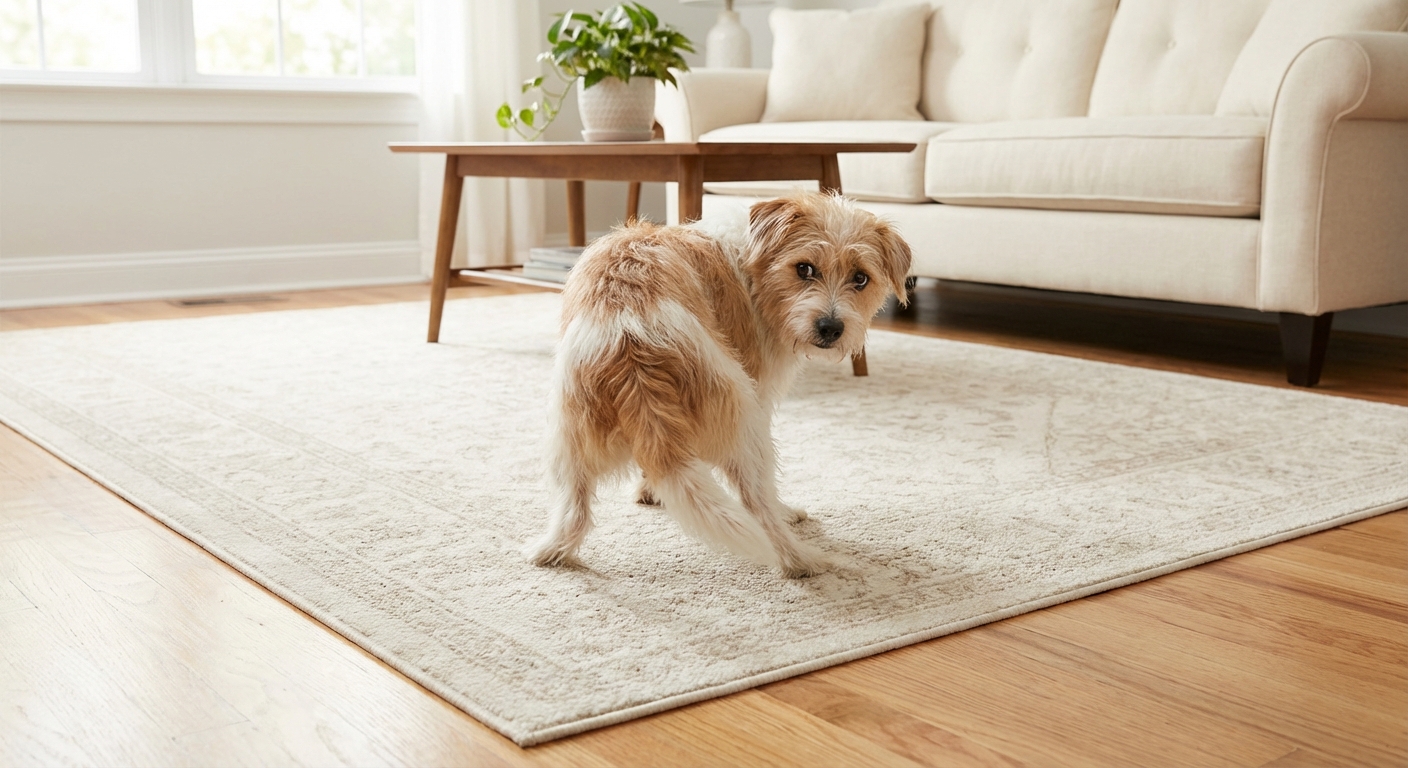
- Scooting or dragging the rear end on carpet or flooring (especially repeated scooting)
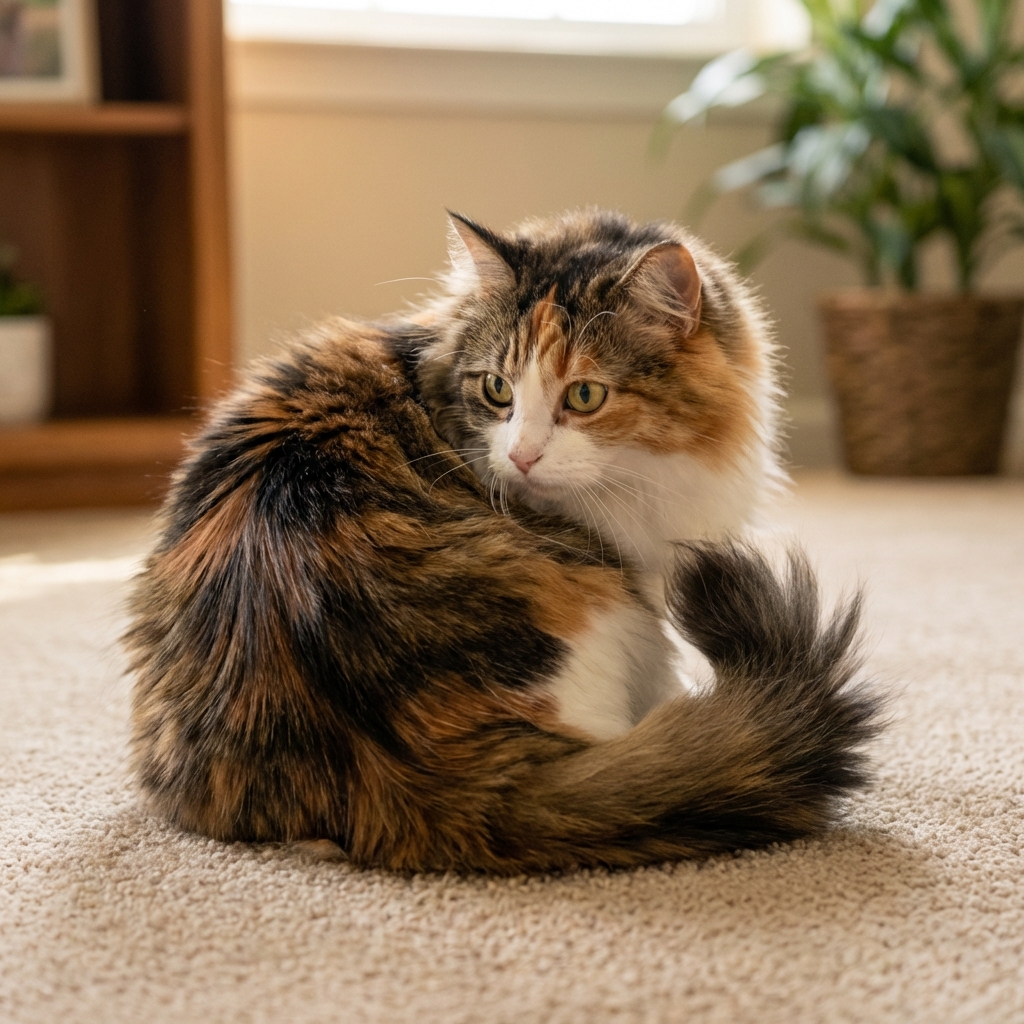
- Frequent licking or chewing around the anus or tail base
- Sudden sensitivity when you pick them up or touch their back end
- A strong, fishy smell that seems to come out of nowhere
- Small spots of brownish fluid where your cat was sitting
- Straining or vocalizing in the litter box (sometimes mistaken for constipation)
- Swelling, redness, or a lump near the anus
If you see swelling, an open sore, bleeding, or your cat seems to be in pain, that is not a “wait and see” situation.
The three big anal gland problems in cats
1) Impacted anal glands
An impaction means the material in the sacs becomes too thick to release normally. The sacs fill and stretch, which can cause discomfort and licking.
2) Anal sac infection (sacculitis)
When impacted glands sit too long, bacteria can multiply. Infections can cause redness, swelling, and pain. Cats may avoid the litter box or act “off” because they do not feel well.
3) Anal gland abscess
An abscess is a pocket of infection that can rupture through the skin next to the anus. Owners sometimes notice a sudden hole, drainage, or blood. It looks alarming because it is. It also hurts. Abscesses typically need veterinary treatment, often including pain relief. Your veterinarian will decide whether antibiotics are needed based on severity and whether your cat has any signs of illness, and treatment may include flushing and sometimes sedation.
Why anal gland issues happen
In cats, anal gland trouble is less common than in dogs, but it still happens. Common contributing factors include:
- Soft stools or diarrhea: Firm stool provides more natural pressure to empty the sacs.
- Inflammatory bowel disease or food sensitivities: Ongoing gut inflammation can lead to inconsistent stool quality. In clinic, we often see flare-ups after bouts of diarrhea.
- Obesity: Extra body fat can change anatomy and reduce normal emptying.
- Allergies or skin disease: Itching and inflammation can involve the rear end, too.
- Parasites: Tapeworm segments and other parasites can cause licking and irritation, and they can mimic anal gland discomfort (and sometimes show up at the same time).
- Stress-related GI upset: Stress can trigger loose stool in some cats, indirectly raising risk.
Important note: scooting is not automatically an anal gland problem. Fleas, worms, constipation, urinary issues, and pain can all look similar at home.
Should you express your cat’s anal glands at home?
Most cats do not need routine anal gland expression. When they do, it is usually best handled by a veterinary professional. Here is why:
- Cats can be stressed and may bite or scratch, even if they are normally sweet.
- Incorrect technique can cause pain, inflammation, or even injury.
- If there is an infection or abscess, squeezing can worsen discomfort and may spread infection.
If your cat has recurring issues, ask your veterinarian to show you what they recommend and whether at-home care is appropriate for your specific cat. Many clinics will advise against it for most owners, and that is not meant to be discouraging. It is meant to keep everyone safe and keep your cat comfortable.
When to call the vet (and when to go urgently)
Call your vet within 24 to 48 hours if you notice:
- Scooting that lasts more than a day
- Frequent licking under the tail
- Recurring fishy smell or sudden anal sac odor
- Straining in the litter box, especially if stools are abnormal
Important litter box warning: Straining can also be a sign of a urinary emergency. If your cat is making frequent trips to the litter box, crying, producing little or no urine, or licking the genital area, seek emergency care immediately (especially for male cats).
Seek urgent care the same day if you notice:
- Swelling or a visible lump next to the anus
- Bleeding, pus, or an open draining area
- Crying, hiding, or clear signs of pain
- Loss of appetite, lethargy, or feverish behavior
Cats are masters at masking pain. If your cat is acting withdrawn or suddenly grumpy, trust that instinct and get them checked.
What to expect at the appointment
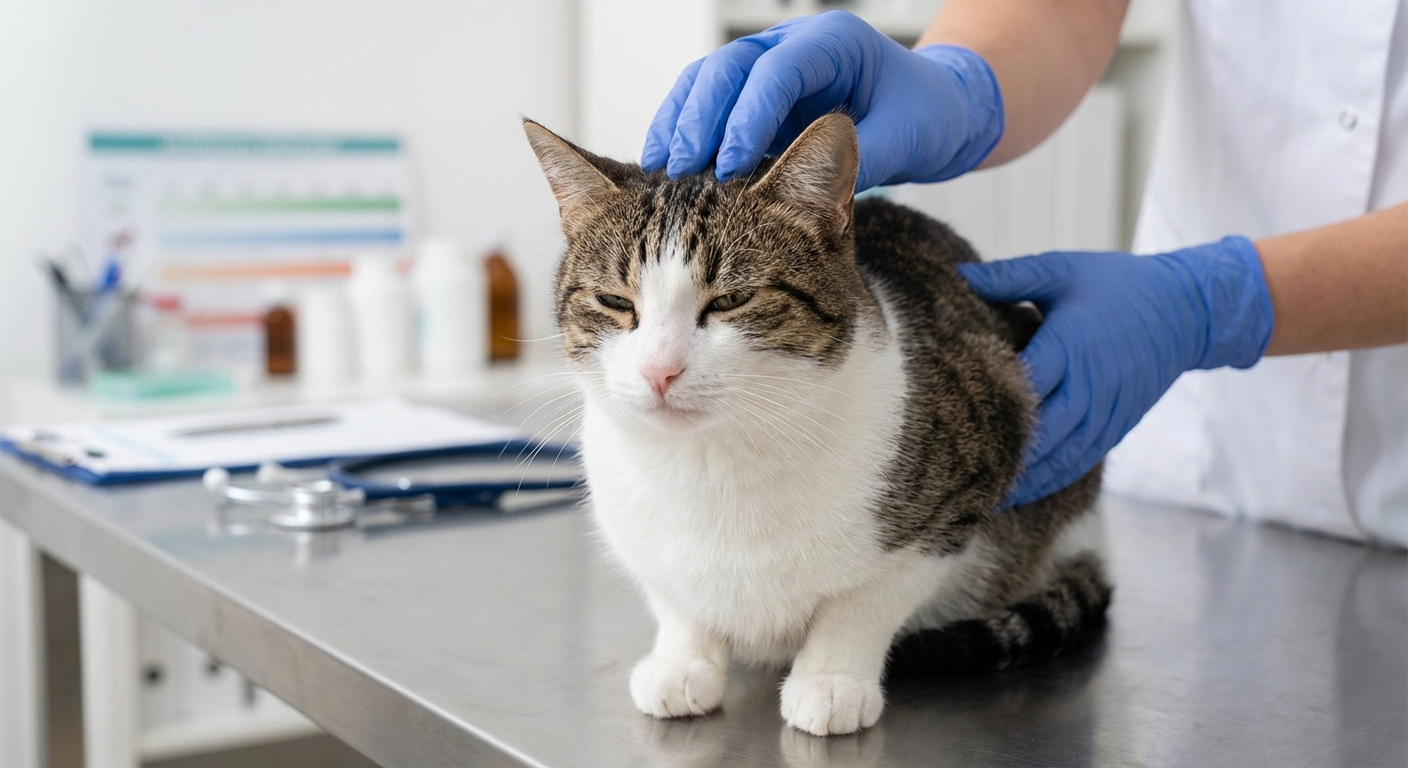
Your veterinarian will typically start with a history (stool quality, diet, licking, scooting, odor, changes in behavior) and a physical exam. If anal sacs are the issue, your vet may:
- Perform a gentle rectal exam to assess the sacs
- Express impacted glands (if appropriate)
- Recommend a fecal test to check for parasites if there is scooting or irritation
- Prescribe medication if infection is present, sometimes including pain control
- Flush the glands under sedation if severe, very painful, or your cat is too stressed for a safe exam
If there is an abscess, treatment may involve cleaning, flushing, pain relief, and follow-up visits to ensure proper healing. Your vet will also look for other causes of swelling near the anus. Less commonly, lumps in this area can be something else entirely (including a mass), which is another reason an exam matters.
Prevention that actually helps
The goal is simple: keep your cat’s stools consistently well-formed and reduce inflammation. Practical steps include:
- Keep weight in a healthy range: If your cat is overweight, ask your vet about a safe weight-loss plan.
- Support predictable stool quality: Sudden diet changes can cause diarrhea. Transition foods slowly over 7 to 10 days.
- Talk to your vet before adding fiber: Some cats benefit from targeted fiber, but too much or the wrong type can worsen stool issues.
- Stay on a parasite prevention plan: Parasites can irritate the rear end and trigger licking and scooting.
- Manage allergies and chronic GI disease: If your cat has frequent vomiting, soft stool, or itchy skin, address the root cause with your veterinarian.
One more practical tip: pay attention to the litter box. Stool consistency and frequency give you early clues that something is brewing, often before your cat shows obvious discomfort.
Myths and trusted facts
Myth: Scooting always means worms
Fact: Worms are one possibility, but scooting can also mean anal gland discomfort, irritation from diarrhea, skin issues, or even pain.
Myth: Anal gland expression should be done routinely for all cats
Fact: Most cats never need it. It is usually done only when there are clear clinical signs or a history of recurring problems.
Myth: A strong fishy odor is “just a cat thing”
Fact: A sudden fishy smell often suggests anal sac leakage or expression from stress. If it keeps happening, it is worth a checkup.
Quick safety notes
- Do not try to lance, squeeze, or “pop” a lump near the anus.
- Do not use human hemorrhoid creams, essential oils, or random ointments unless your veterinarian tells you to. Many products are unsafe for cats to lick.
- Do get help promptly if your cat seems painful or you see swelling, bleeding, or drainage.
The bottom line
Anal gland issues in cats are treatable, and the earlier you address them, the easier it is on your cat. If you notice scooting, excessive licking, a fishy smell, or swelling near the anus, do not feel embarrassed. This is a common, medical issue and your veterinary team truly wants to help.
If you are unsure whether it is anal glands, constipation, urinary trouble, or something else, a quick exam can save your cat a lot of discomfort and prevent an infection from turning into an abscess.