Worried your senior dog seems confused, paces at night, or has accidents? Learn CCD (dog dementia) signs, medical look-alikes, diagnosis, and practical home ...
Article
•
Designer Mixes
Alzheimer’s in Dogs: Signs, Stages, and Support

Shari Shidate
Designer Mixes contributor
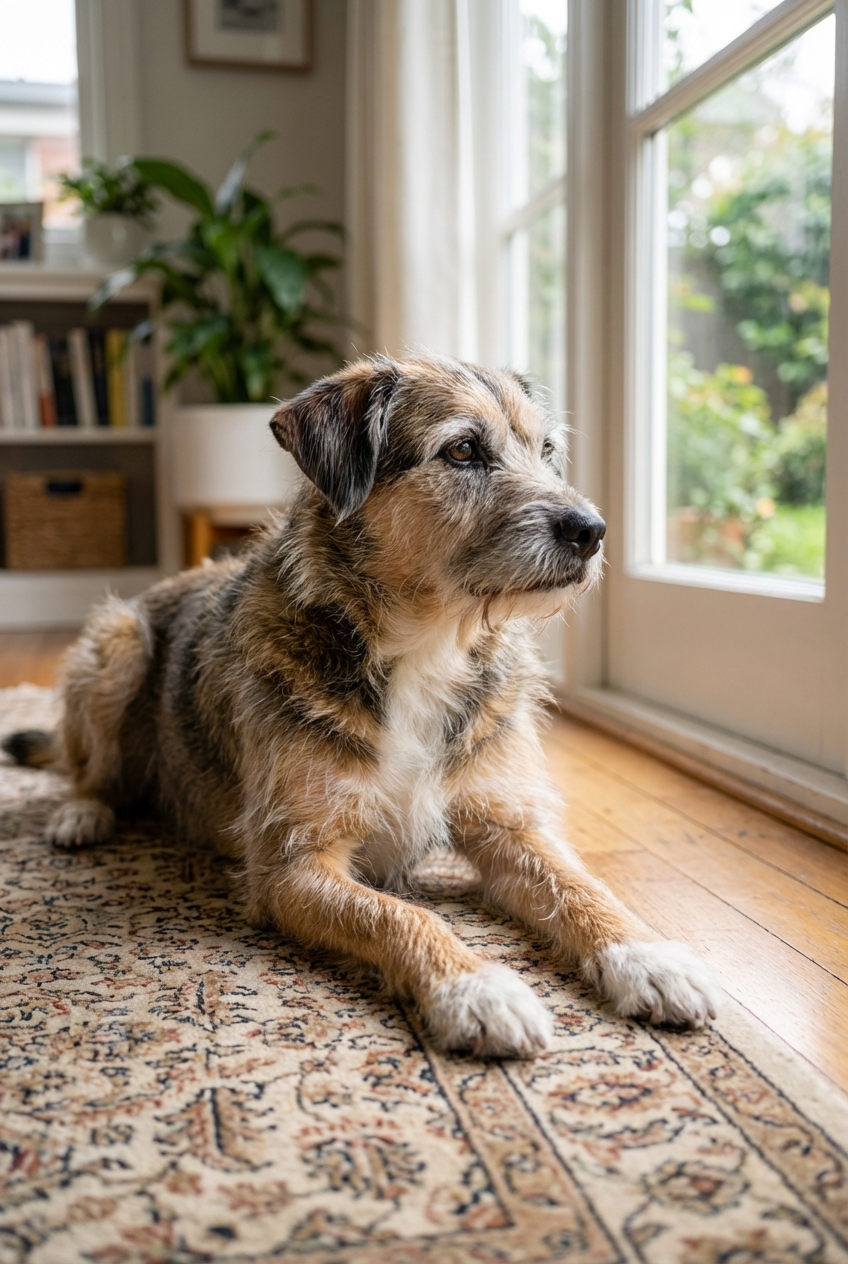
When people say “Alzheimer’s in dogs,” they are usually talking about Canine Cognitive Dysfunction (CCD). It is a brain aging condition that can look a lot like human dementia: confusion, disrupted sleep, accidents in the house, and personality changes.
As a veterinary assistant, I want you to know two encouraging things right up front: you did not cause this, and there are many ways to support your dog’s comfort and function. Early recognition matters because some problems that look like dementia can be treated, and true CCD often responds best when you start supportive steps sooner rather than later.
Quick note: This article is educational and not a substitute for veterinary diagnosis or treatment.
What CCD is (and is not)
CCD is an age-related decline in brain function, most often seen in senior dogs. Researchers believe it involves changes such as oxidative stress, inflammation, reduced blood flow, and age-related changes in brain proteins. Studies in dogs have found associations with beta-amyloid deposits and other changes, which is one reason people compare it to Alzheimer’s disease. Still, CCD is not identical to human Alzheimer’s, and the overlap is not one-to-one.
It is important not to self-diagnose. These issues can mimic CCD and may be treatable:
- Arthritis or pain causing sleep disruption, irritability, or reluctance to move
- Vision or hearing loss leading to “confusion” or startle responses
- Urinary tract infection or kidney disease contributing to accidents
- Endocrine disease such as diabetes or Cushing’s disease
- Brain tumors, vestibular disease, seizures, or medication side effects
If your dog has new behavior changes, the kindest first step is a veterinary exam with basic screening. It can spare your dog discomfort and you a lot of worry.
Also, even when CCD is part of the picture, treating pain, supporting vision and hearing changes, and managing other health issues can make a huge difference in day to day comfort.
Common signs (DISHAA)
Vets often group CCD signs using the acronym DISHAA. If you notice a few of these, especially worsening over months, it is worth scheduling a checkup.
- Disorientation: getting stuck behind furniture, staring at walls, seeming “lost” in familiar areas
- Interactions change: clingier, withdrawn, less interested in play, altered greeting behavior
- Sleep-wake changes: pacing at night, waking frequently, sleeping more during the day
- House soiling: accidents despite previous training, signaling to go out less
- Activity changes: less exploring, repetitive behaviors (pacing, licking, wandering)
- Anxiety: increased separation distress, restlessness, new fears
One subtle early clue I hear about often is: “My dog just seems a little different.” Trust that instinct. You know your dog best.
Stages and what to expect
CCD is typically progressive, but progression speed varies. Some dogs change slowly over years, and others decline more quickly. Many families notice patterns like these:
Mild
- Occasional disorientation
- New anxiety or mild clinginess
- Slightly disrupted sleep
Moderate
- More frequent pacing or repetitive behaviors
- Accidents indoors
- Less interest in social interaction or play
- Difficulty learning new routines
Severe
- Significant confusion and restlessness
- Frequent accidents
- Possible vocalizing at night
- Reduced recognition of family members at times
What improvement can look like: supportive changes often help reduce anxiety, improve nighttime settling, and make daily routines smoother. They may not reverse the condition, but they can absolutely improve quality of life.
Even in later stages, your dog can still experience comfort, safety, and connection. The goal becomes lowering stress and meeting needs in the simplest, most predictable way possible.
How vets evaluate symptoms
There is not one single “Alzheimer’s test” for dogs. Diagnosis is usually based on history, behavior changes, and ruling out other causes. Your veterinarian may recommend:
- A thorough physical exam and neurologic screening
- Bloodwork and urinalysis to check organ function and look for infection or metabolic issues
- Blood pressure measurement
- Vision and hearing evaluation
- When indicated: thyroid testing
- In some cases: imaging such as MRI, especially with sudden or severe changes
A helpful tip: bring a short written list of the changes you have noticed and when they started. Even better, take a quick phone video of pacing, staring, or nighttime restlessness. It can be very useful in the exam room.
Daily support that helps
Most CCD plans involve a combination of environment, routine, enrichment, and sometimes medication or supplements. Think of it as building steady support for your dog’s brain and body.
1) Keep life predictable
- Feed and walk on a consistent schedule
- Use the same door for potty breaks if possible
- Avoid frequent furniture rearranging
2) Make your home easier to navigate
- Add night lights in hallways and near water bowls
- Use non-slip rugs or runners for traction
- Block stair access if falls are a risk
- Create a quiet rest area away from busy traffic zones
3) Support sleep
Night pacing is one of the hardest parts for families. Practical steps include:
- More daylight exposure and gentle daytime activity
- A calm bedtime routine
- Last potty break right before sleep
- Comfort items: familiar bedding, a low-volume fan for white noise
If nights are deteriorating, talk with your veterinarian. Sometimes pain control, medication adjustments, or targeted anxiety support can make a real difference.
4) Use gentle enrichment
We do not want to overwhelm senior dogs, but we do want gentle mental engagement:
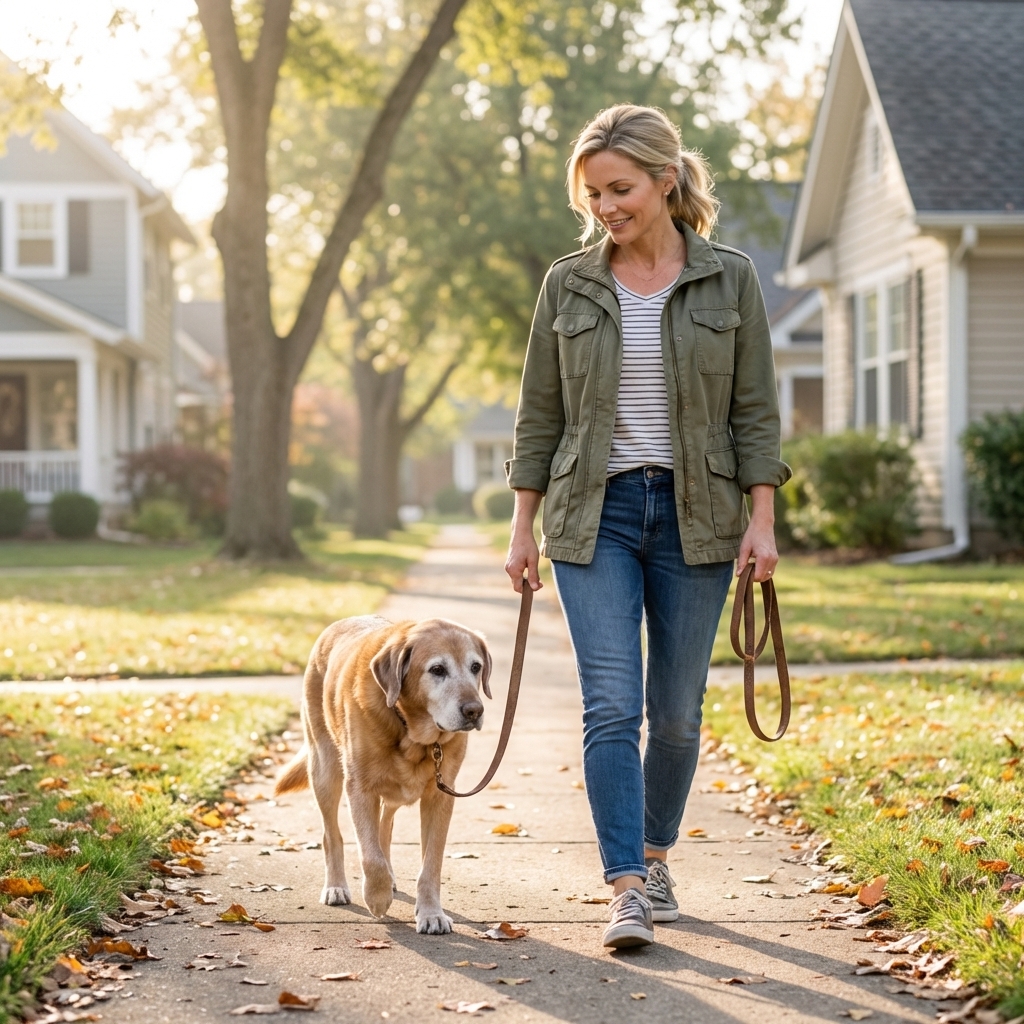
- Short sniff walks where your dog sets the pace
- Food puzzles that are easy to solve
- Simple training cues with high success (touch, sit, find it)
- Scent games using a few treats hidden in plain sight
Aim for small wins. Confidence lowers stress, and lower stress supports better cognition.
5) Help with house soiling kindly
Accidents are usually a symptom, not “bad behavior.” Helpful strategies:
- Increase potty frequency and keep it on schedule
- Use baby gates to limit roaming
- Try washable pee pads or a designated indoor potty area if needed
- Use an enzymatic cleaner to fully remove odors
Nutrition and supplements
Nutrition cannot cure CCD, but it can support brain health and overall vitality. That said, with supplements in particular, evidence is mixed and benefits are often modest. It is still worth discussing options with your vet, especially when specific symptoms (like nighttime restlessness) are hurting quality of life.
Diet basics
- Complete and balanced nutrition is the foundation. If you feed homemade, work with your veterinarian or a board-certified veterinary nutritionist so the recipe is truly balanced.
- Healthy fats are important for brain function. Many cognitive-support plans include omega-3 fatty acids (especially DHA and EPA) from fish oil.
- Antioxidant support may be recommended in some diets and plans. If you add any “people food” toppers, do it only with vet guidance. Some foods are toxic to dogs, including grapes and raisins, onions, and garlic.
Important note from the clinic side: some supplements interact with medications or are risky for dogs with pancreatitis history, bleeding disorders, or certain chronic illnesses. Personalized guidance matters.
Common options to ask about
Your veterinarian may discuss options such as:
- Omega-3 fatty acids (DHA/EPA) for cognitive and inflammatory support
- SAMe (S-adenosylmethionine) for antioxidant support in the liver and brain
- Medium-chain triglycerides (MCTs) in specific cognitive-support diets
- Selegiline (often known by the brand name Anipryl) in some cases, depending on your dog’s health history and what is available in your region
- Anti-anxiety or sleep supports when restlessness is affecting quality of life
Please avoid starting multiple new supplements at once. Introduce one change at a time so you can clearly see what helps and what does not.
When to call the vet quickly
CCD is usually gradual. If you see sudden changes, treat it as urgent. Contact your veterinarian promptly if your dog has:
- Sudden severe disorientation or circling
- Head tilt, falling, or inability to stand
- Seizures or collapse
- Rapid onset house soiling with straining, blood, or pain
- Not eating, vomiting, or dramatic lethargy
- New aggression or extreme panic
These can indicate issues beyond cognitive decline, and quick treatment can be lifesaving.
Quality of life
Caring for a dog with cognitive decline can be emotionally heavy. I always encourage families to measure what matters most: comfort, safety, appetite, hydration, mobility, and the ability to settle and rest.
You are not “giving up” by asking hard questions. You are advocating for your dog with love and clarity.
Ask your veterinarian for a quality-of-life scale you can fill out weekly. Tracking helps remove some of the guesswork and guilt, especially during the ups and downs.
An action plan for this week
- Schedule a vet visit if signs are new or worsening, and bring notes or videos.
- Add one safety upgrade such as a night light or non-slip runner.
- Create a simple routine for meals, potty, and bedtime.
- Try one enrichment activity like a short sniff walk or an easy food puzzle.
- Talk nutrition with your veterinarian before making major diet or supplement changes.
Your senior dog is still the same beloved soul. With the right support, many dogs with CCD can enjoy good days, connection, and comfort, and you do not have to navigate it alone.