Discover Siberian Husky facts that matter, with practical guidance on exercise, training, escape-proofing, grooming a double coat, nutrition, and common heal...
Article
•
Designer Mixes
Alaskan Malamute vs. Husky: Size and Personality

Shari Shidate
Designer Mixes contributor
If you have ever met an Alaskan Malamute and a Siberian Husky and thought, “Aren’t these basically the same dog?” you are not alone. They can look like close cousins (because they are), but they were developed for different jobs and that shows up clearly in both size and personality.
As a veterinary assistant, I always tell families to pick the breed that matches their daily life, not just the one that looks the most “wolf-like.” These are smart, athletic, strong dogs, and they thrive when their needs are met.
Quick overview
Here is the simplest way to think about it:
- Alaskan Malamute: bigger, heavier-boned, built for power and hauling, often more laid-back but very strong-willed.
- Siberian Husky: lighter, built for endurance and efficient movement over distance, typically more vocal, more mischievous, and more likely to roam.
Size differences
Height and weight
While they share a similar shape, they fall into different size classes. Malamutes are typically large dogs, while Huskies are usually considered medium to medium-large depending on the chart you use.
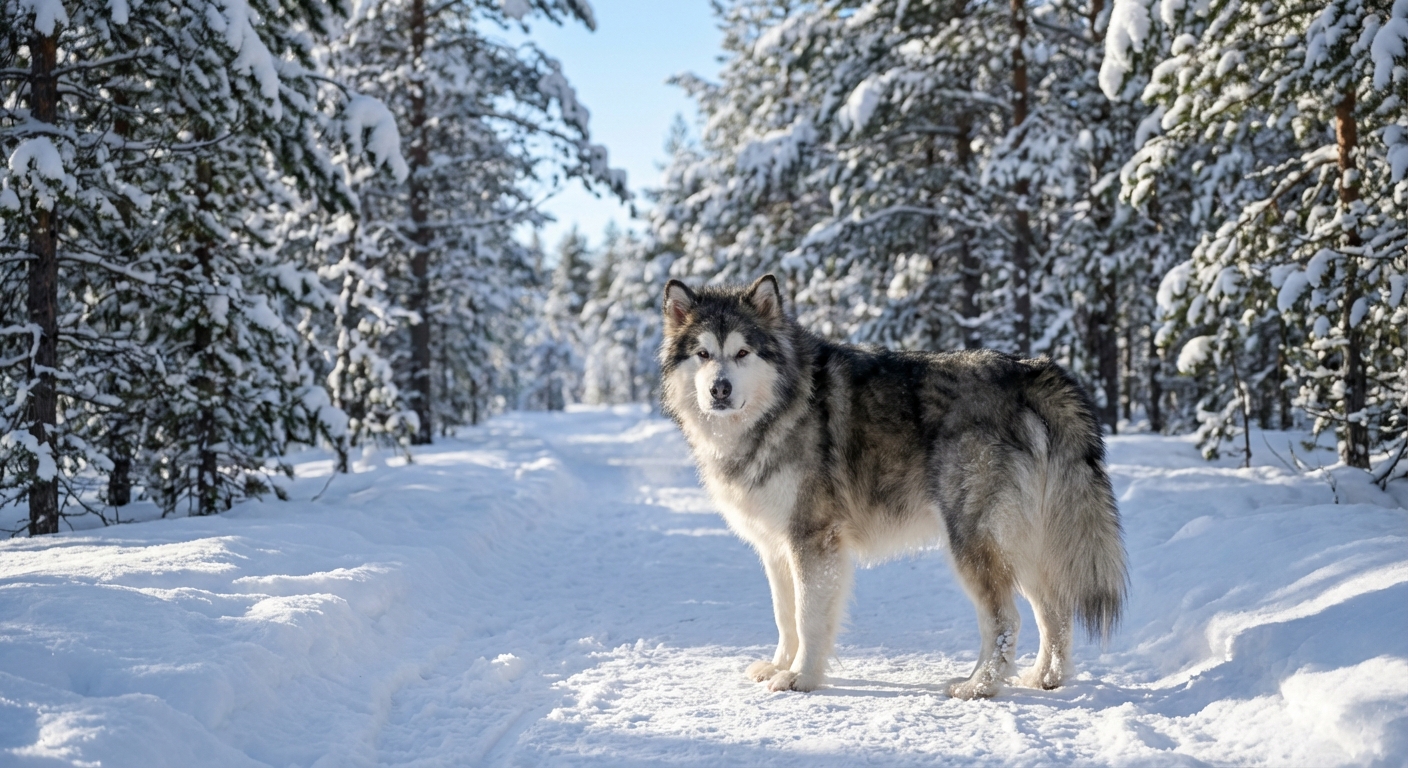
- Alaskan Malamute: about 23 to 25 inches at the shoulder. Weight is often around 75 to 85 pounds for males and 65 to 75 pounds for females, though individuals can be larger or smaller depending on build and genetics.
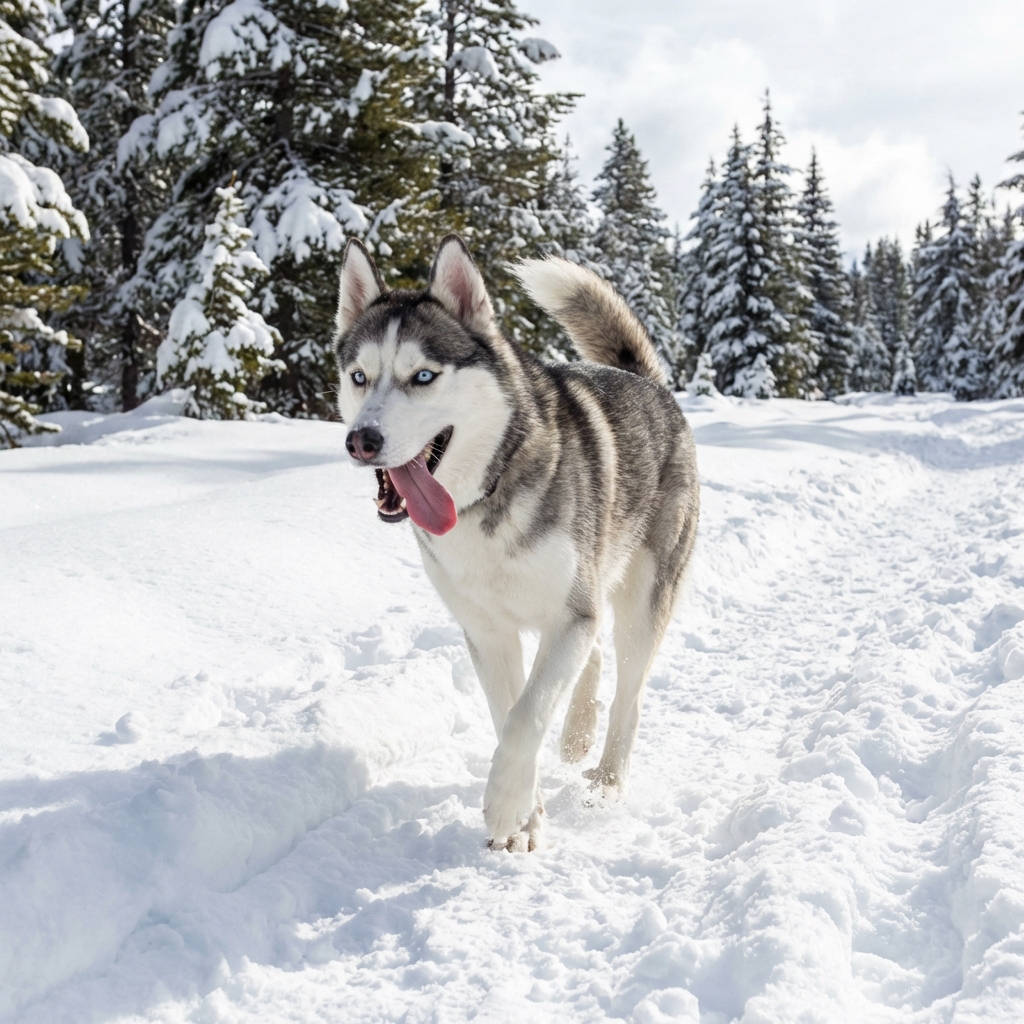
- Siberian Husky: about 20 to 23.5 inches at the shoulder. Weight is often around 45 to 60 pounds for males and 35 to 50 pounds for females, typically leaner and more “athletic runner” in shape.
Real-life impact: that weight difference matters for leash control, travel, boarding, food costs, and even how much “accidental force” they can throw around when excited. A Malamute that launches toward a squirrel can feel like a small forklift.
Build and movement
Malamutes are broad-chested with heavy bone and a powerful, steady gait built for pulling. Huskies are more streamlined with a lighter frame designed for efficient trotting and covering miles.
Personality differences
Energy and exercise style
Both breeds need daily activity, but they often prefer different types.
- Malamute: tends to do well with strength-based work like hiking, pulling (properly conditioned), backpacking, and structured walks. Many are playful, but not always as “go go go” as a Husky.
- Husky: usually thrives with running, fast-paced play, and long endurance outings. They are famous for being energetic and for turning boredom into creative household “remodeling.”
Actionable tip: If you cannot realistically commit to daily exercise plus mental enrichment (training, scent games, puzzle feeders), these breeds can struggle in a typical home environment.
Independence and trainability
Both breeds are intelligent and independent, which is where many new owners get surprised.
- Malamute: often confident and steady, but can be stubborn and slow to obey if they do not see the point. They respond best to calm consistency and rewards.
- Husky: often bright and quick to learn, but famous for being opinionated and distractible. Many Huskies learn commands fast, then choose whether to follow them.
Actionable tip: Start training early, keep sessions short, and practice in low-distraction environments before expecting reliability outdoors.
Off-leash reliability and prey drive
One of the biggest real-world differences for families is how these dogs behave when something exciting moves.
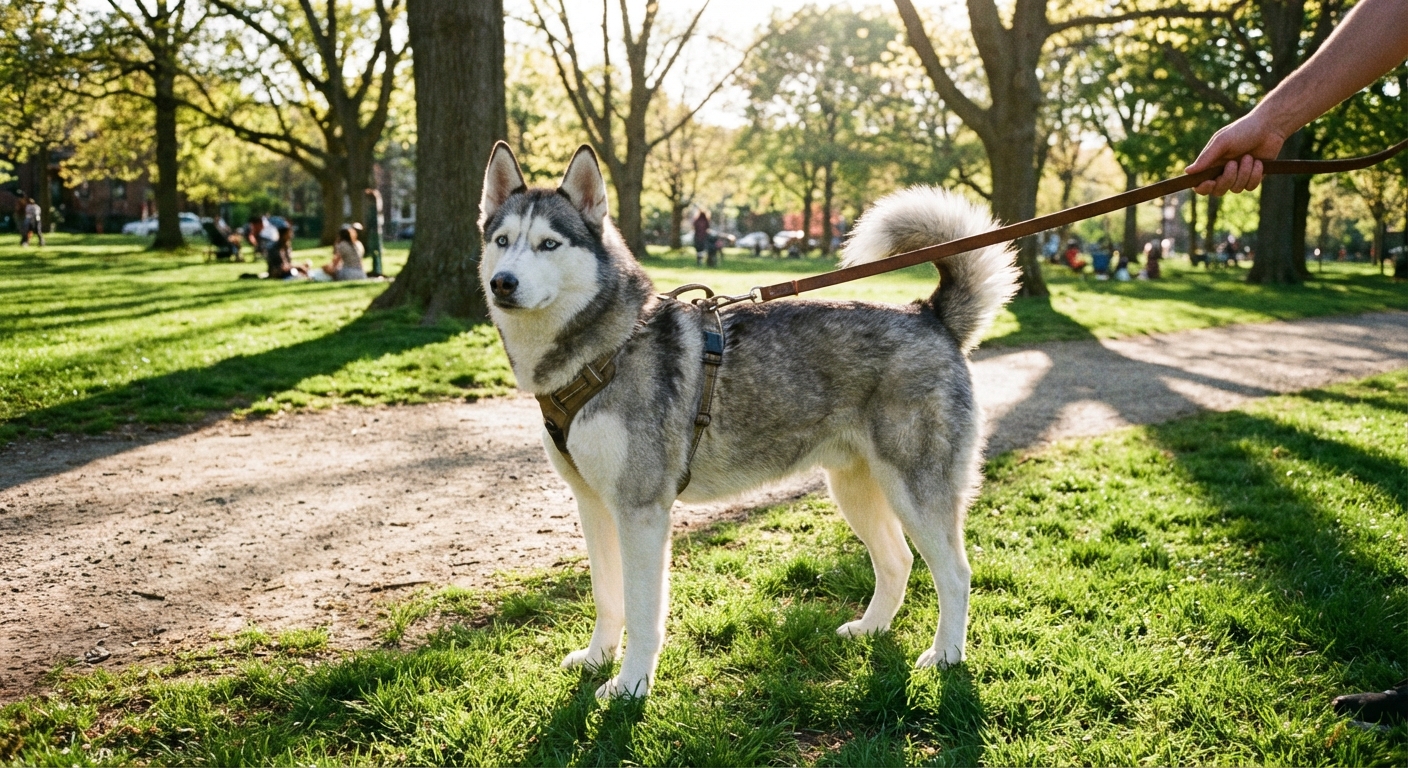
- Husky: often has a strong roaming instinct and prey drive. Even well trained Huskies can be unreliable off-leash, especially around squirrels, rabbits, or cats.
- Malamute: can also have prey drive and can be very determined once they decide to investigate something, but they are often less “take off and disappear” than many Huskies.
Vet assistant note: If you have cats or small pets, plan slow introductions, management, and a trainer consult if needed. With either breed, assume you will need a leash or secure fenced area for safety.
Social behavior with people and dogs
In general, both breeds can be affectionate and social, but individuals vary, and early socialization matters.
- Malamute: can be very loving with family and may be more reserved with strangers. Some lines can show dog-selective behavior, especially with same-sex dogs.
- Husky: often friendly with people, sometimes to the point of being a poor “guard dog.” Many enjoy other dogs, but they can play rough and ignore social cues if not well socialized.
Vet assistant note: If you already have a dog at home, do a careful meet-and-greet and consider a trainer’s input. Temperament is individual, and introductions matter more than breed stereotypes.
Vocalization
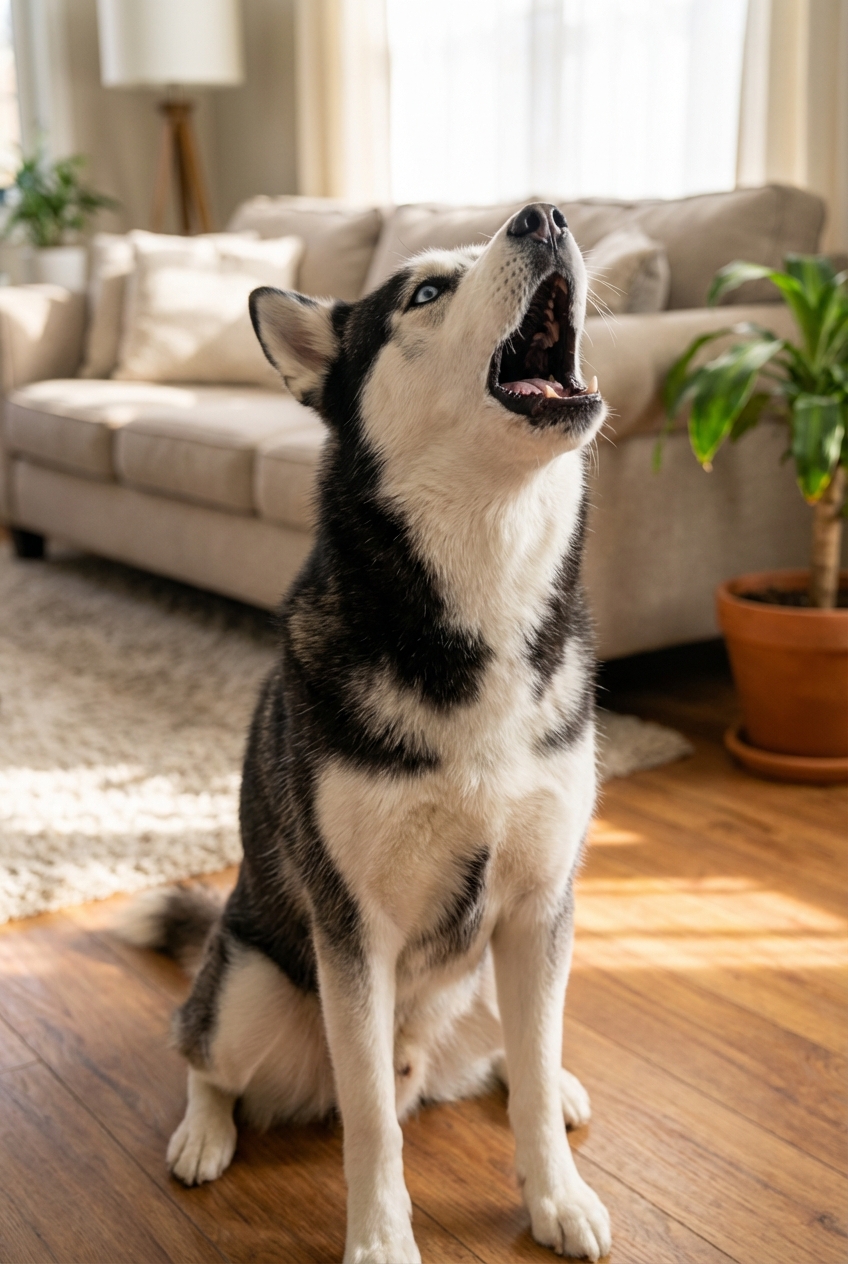
Huskies are legendary talkers. Malamutes can be vocal too, but the Husky “woo-woo,” howling, and commentary is more common.
- Malamute: may be quieter overall, but many still howl and “talk.”
- Husky: more likely to howl, chatter, and complain, especially if bored or under-exercised.
Coat and grooming
Both have thick double coats designed for cold climates. Both shed. A lot.
- Malamute: typically has a dense, plush coat that can hold a surprising amount of undercoat during seasonal shedding.
- Husky: also has a double coat, often slightly less bulky than a Malamute, but still a heavy shedder.
Actionable tip: Plan for brushing several times a week and daily during heavy “blow coat” periods (often seasonal). A high-quality undercoat rake and a slicker brush are your best friends.
About shaving: Avoid shaving the coat unless a veterinarian recommends it for a medical reason. Shaving can increase sunburn risk and does not reliably prevent heat stress. In hot weather, cooling strategies and smart exercise timing matter more than clipping the coat.
Common challenges
Escaping and roaming
Both breeds can be escape artists, but Huskies are especially known for roaming. Malamutes may dig. Huskies may dig, climb, squeeze, and sprint.
- Use secure fencing and check for gaps regularly.
- Provide daily exercise so the yard is not their only outlet.
- Consider GPS ID tags for added peace of mind.
Heat sensitivity
These dogs were built for cold weather. In warm climates like Texas, summer management is essential.
- Walk early morning or late evening.
- Offer shade and fresh water.
- Watch for heavy panting, bright red gums, weakness, or vomiting, and contact a veterinarian right away if you suspect heat illness.
Destructive boredom
When working breeds do not have a “job,” they often make one up.
- Rotate enrichment toys.
- Use food puzzles and sniff games.
- Teach a daily training routine, even 10 minutes at a time.
Apartment and noise reality check
It is not impossible to keep either breed in an apartment, but it takes commitment.
- Huskies: their vocal habits plus high exercise needs can be a tough combo in close quarters.
- Malamutes: may be calmer indoors after exercise, but their size and strength still require solid training and routine.
Which one fits you?
You may be a good match for a Malamute if...
- You want a larger, sturdier dog.
- You enjoy hiking or structured outdoor time.
- You prefer a dog that is often calmer indoors once exercised.
- You can manage leash training and strength safely.
You may be a good match for a Husky if...
- You want a leaner, high-energy running partner.
- You enjoy a playful, vocal personality.
- You are prepared for escape-prevention and consistent training.
- You can commit to daily enrichment and exercise.
My best advice: pick the dog whose needs you can happily meet on your busiest week, not your most motivated week.
Health and lifespan
Both breeds can be generally healthy when well bred, fed appropriately, and kept at a lean body condition. Like many purebreds, they do have inherited risks to be aware of.
- Siberian Husky: often associated with inherited eye conditions such as progressive retinal atrophy (PRA), cataracts, and corneal dystrophy. Some lines can also be prone to skin issues.
- Alaskan Malamute: can be prone to hip dysplasia and other orthopedic concerns due to size and structure. Some lines also have inherited risks like hypothyroidism and polyneuropathy.
Typical lifespan: many Huskies live around 12 to 14 years. Many Malamutes live around 10 to 14 years, with size, genetics, and body condition making a big difference.
Actionable tip: Ask breeders or rescues about health testing and veterinary records, and schedule regular exams. Keeping these dogs lean is one of the most evidence-based ways to support joints and longevity.
Standards note: Size ranges vary slightly by source, but the weights and heights above generally align with major breed standards and common veterinary reference charts.
Final thoughts
If you want a powerful, big-hearted dog who looks like they could pull a sled through a snowstorm, the Alaskan Malamute may be your perfect match. If you love a high-energy athlete with a dramatic, talkative streak and serious stamina, the Siberian Husky might steal your heart.
Either way, plan for daily exercise, consistent training, and lots of brushing. When those basics are covered, both breeds can be incredible companions.