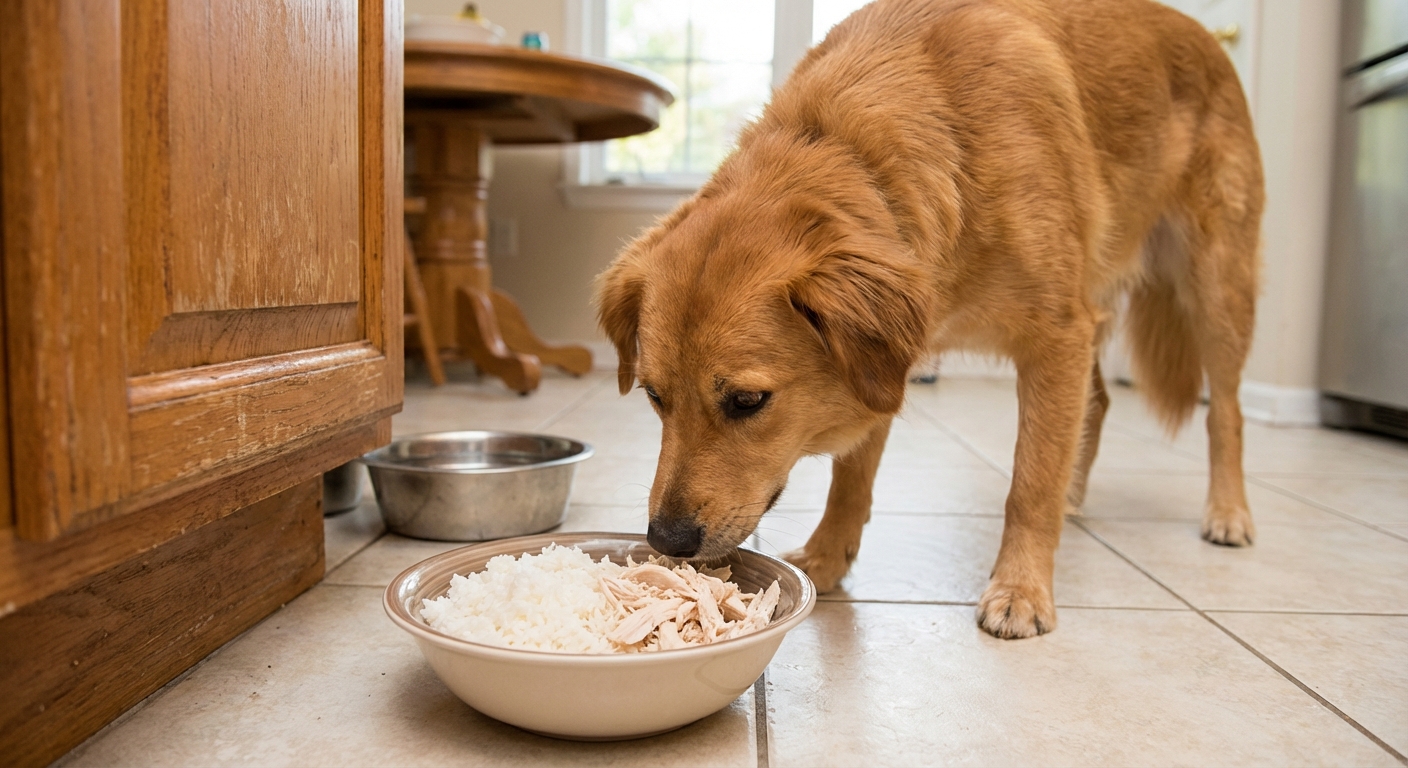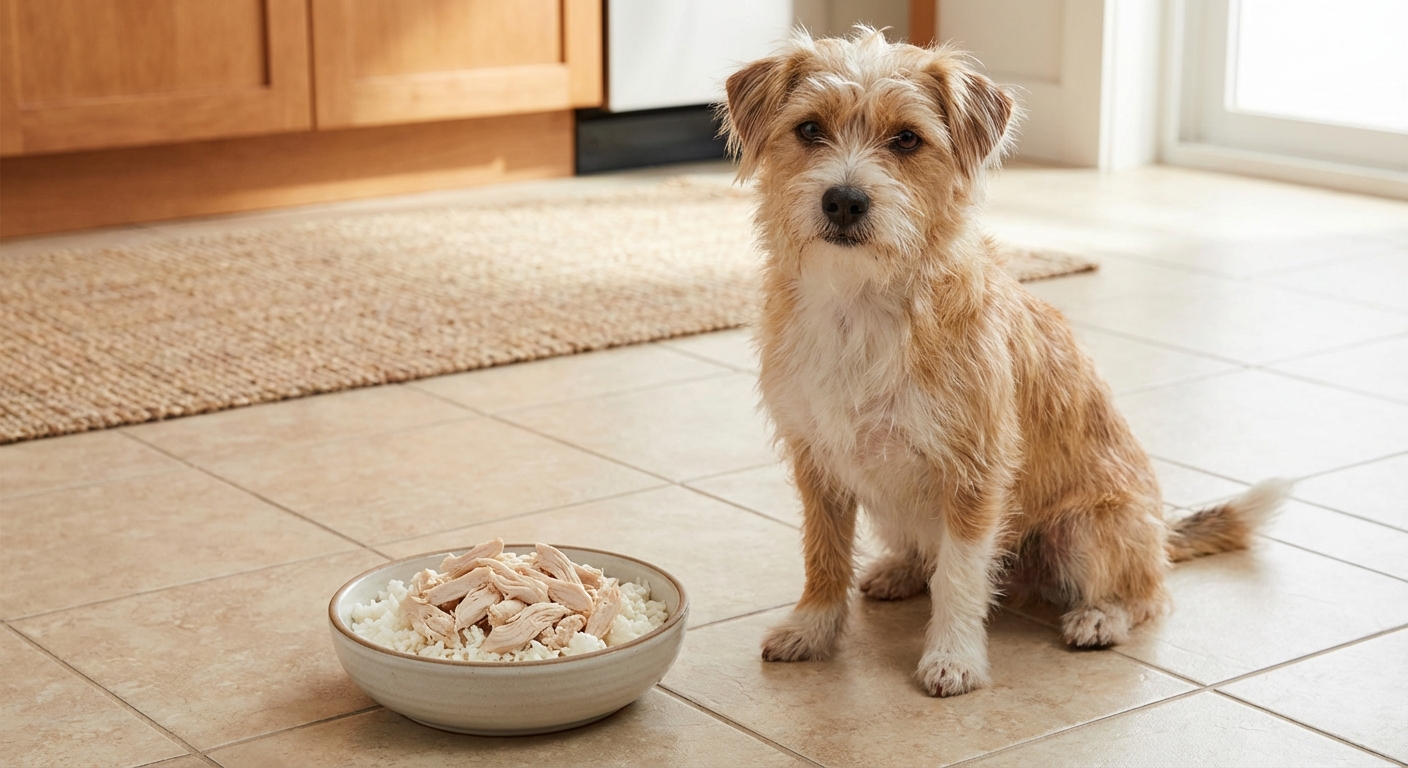
Chicken and rice can soothe mild stomach upset and help dogs transition back to normal food. Learn safe recipes, portions, how long to feed it, and when to c...
Article
•
Designer Mixes
Akita: Temperament, Loyalty, and Care Guide

Shari Shidate
Designer Mixes contributor
The Akita is one of those breeds that leaves a lasting impression. Powerful, dignified, and deeply loyal, an Akita can be a devoted companion who takes family protection seriously. At the same time, this is not a “go with the flow” dog. Akitas are independent thinkers with strong instincts, and they typically do best with experienced owners who enjoy training, structure, and clear boundaries.
This guide will walk you through Akita temperament, social needs, exercise and grooming basics, and common health concerns so you can decide if this incredible breed fits your home and lifestyle.
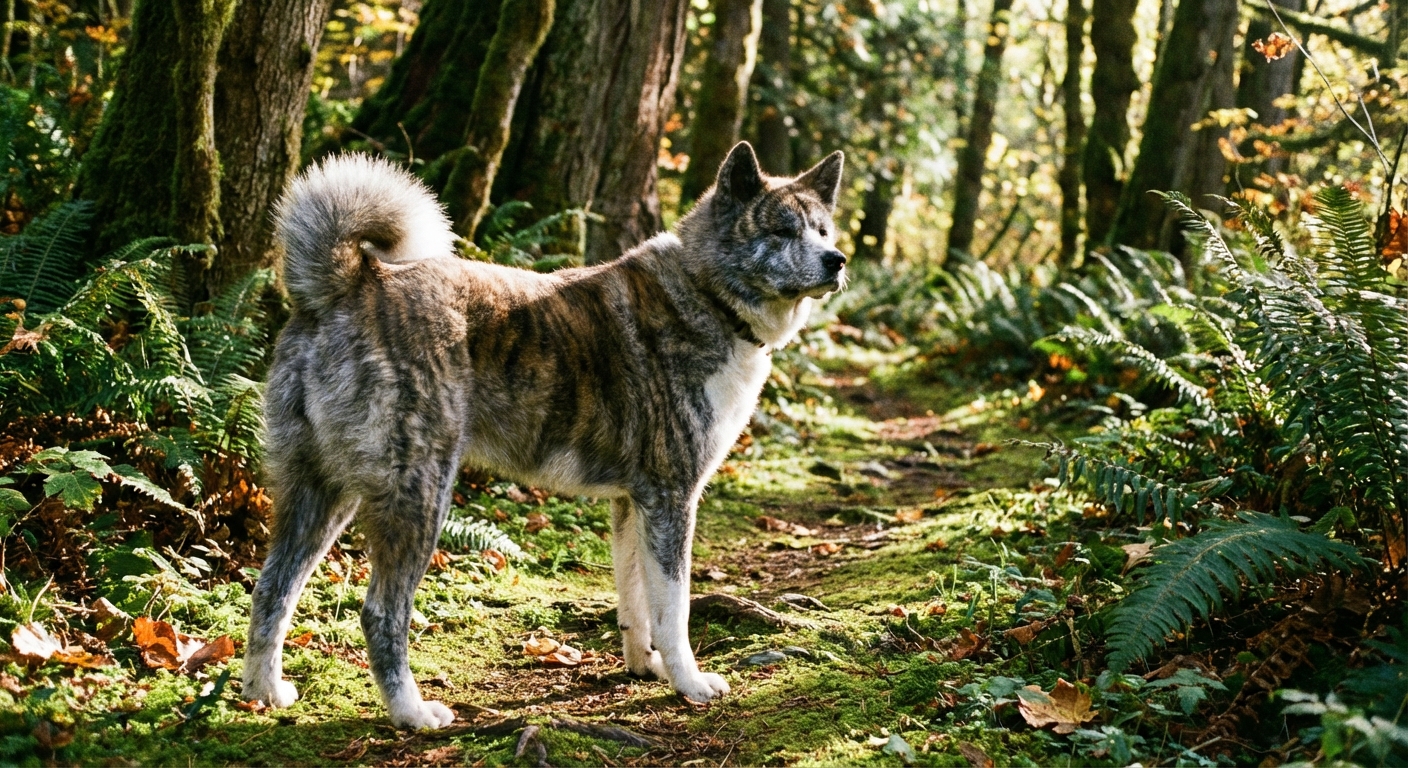
Akita quick stats
- Height: about 24 to 28 inches at the shoulder
- Weight: often 70 to 130 pounds, with some males exceeding that range
- Lifespan: commonly 10 to 13 years
- Coat: dense double coat, heavy seasonal shedding
Note: You may see the breed referenced as the Japanese Akita (Akita Inu or Akita Ken) and the American Akita. They share the same foundation, but American Akitas tend to be heavier and broader, and the Japanese type is typically more foxlike in head and lighter in build. Temperament varies by individual and breeding lines in both types, but the overall “steady guardian” vibe is consistent.
Temperament at a glance
Akitas were developed in Japan for hunting large game (including boar and bear) and for guarding. Those roots show up today in their confident posture, watchful nature, and calm intensity. Many Akitas are quiet dogs that do not bark nonstop, but when they do alert, it is usually for a reason.
- Loyal and bonded: Akitas often form a deep, primary bond with their people.
- Protective: They can be reserved with strangers and naturally territorial.
- Independent: They are smart, but not always eager to please.
- Strong prey drive: Many will chase cats, squirrels, and other small animals.
- Dog selective: Many do not tolerate unfamiliar dogs, especially same-sex dogs. Same-sex aggression can emerge or intensify with maturity.
Temperament also varies by individual and by lines, but overall, think “steady guardian” rather than “social butterfly.”
Loyalty and protection
People often search for Akitas because of their legendary loyalty, and that reputation is not hype. An Akita typically wants to be near their family, keep tabs on the household, and notice anything “different” in their environment.
That protectiveness is a gift when guided, and a challenge when unmanaged. A well-raised Akita should be stable and discerning, not fearful or constantly on edge. The goal is a dog who can calmly observe guests, follow your lead, and relax once you say everything is okay.
With an Akita, your training is not about “making them friendly with everyone.” It is about building trust, teaching neutrality, and showing your dog that you are in charge of decisions.
Socialization matters
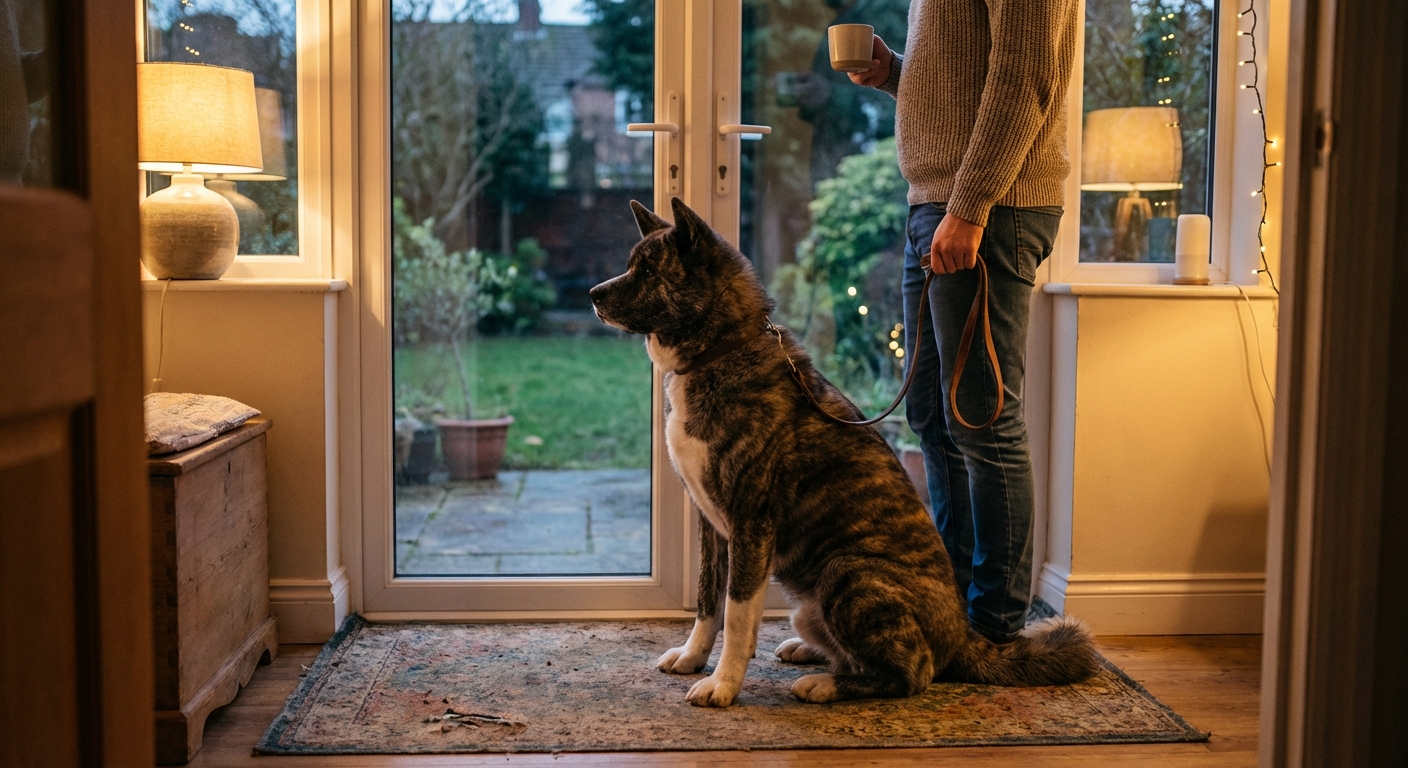
If you take one thing seriously with an Akita, let it be socialization. Because Akitas are naturally wary, your job is to teach them that the world is safe and predictable. Socialization is not forcing interactions. It is creating positive, controlled exposure.
A key concept here is no flooding. Do not push your dog into close contact with strangers, crowded greetings, or handling they are not ready for. Give space, reward calm choices, and let curiosity build naturally.
Best socialization goals
- Neutral around strangers: Reward calm observation, not lunging or intense staring.
- Comfort with handling: Gentle, consent-based practice with paws, ears, brushing, and vet-style touch.
- Positive “real life” exposure: Parking lots, outdoor cafes, calm parks, and hardware stores that allow dogs.
- Dog skills with boundaries: Carefully chosen, calm dog interactions. Avoid chaotic dog parks.
For many Akitas, dog parks are a poor match. The mix of rude greetings, crowded space, and off-leash unpredictability can trigger conflict. Structured walks and parallel walking with known dogs are usually safer and more productive.
Training the Akita
Akitas are intelligent and capable, but they tend to ask, “Why should I?” rather than, “How high?” Training needs to be consistent, calm, and reward-based. Harsh corrections can increase distrust or defensive behavior, especially in a protective breed.
Training priorities
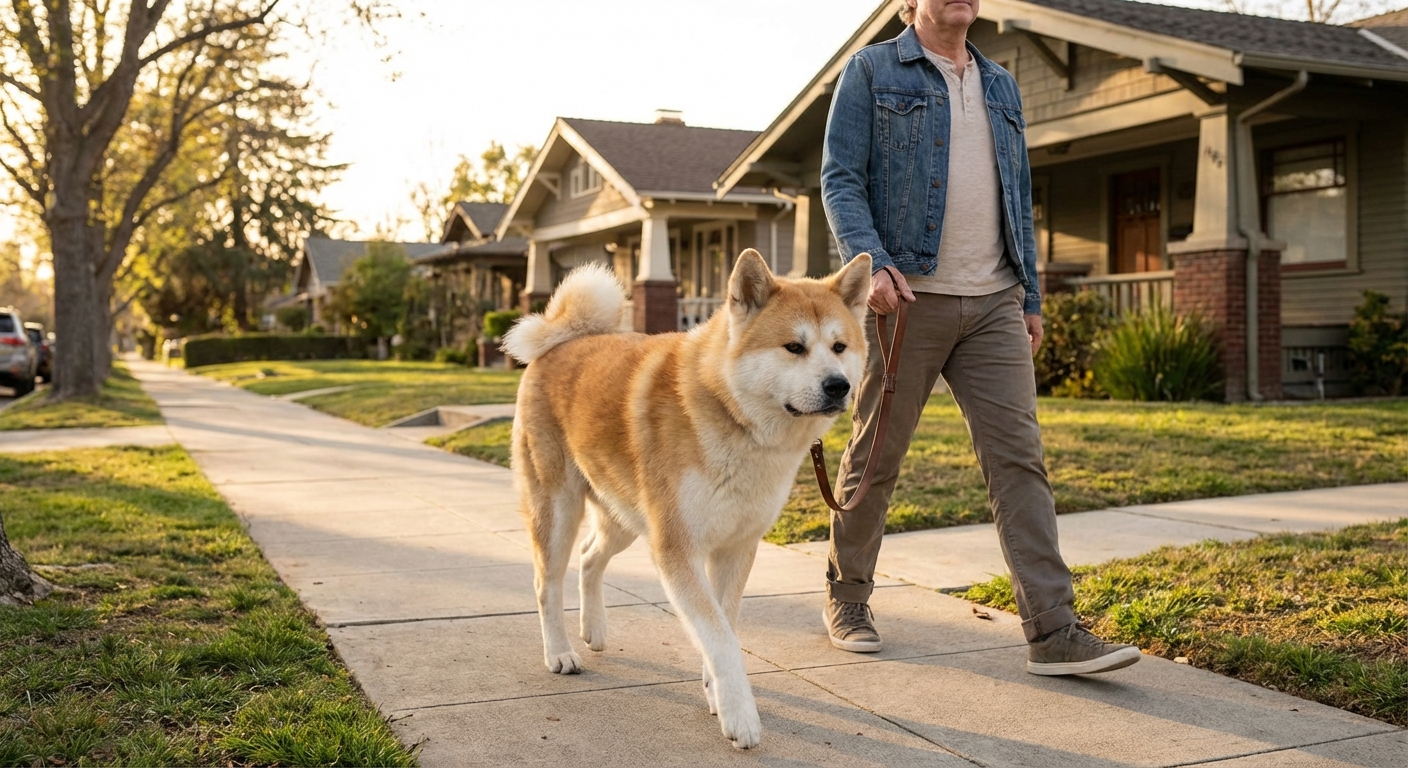
- Leash manners: A strong dog needs polite walking skills. Start early.
- Recall: Teach it, but be realistic. Many Akitas are not reliable off leash.
- Place and settle: A go-to mat behavior helps when guests arrive.
- Handling and grooming cooperation: Make brushing and nail trims routine.
- Impulse control: Wait at doors, leave it, and polite greetings.
If you are new to guardian breeds, working with a qualified trainer who has experience with Akitas or similar dogs is a smart investment.
Home management basics
Akitas thrive with clear household rules. A few management habits make daily life smoother and safer, especially as your dog reaches adolescence and adulthood.
- Secure fencing and doors: Many Akitas will door-dash or patrol boundaries. Use a secure fence, double-check gates, and consider a baby gate or second barrier at entryways.
- Visitor plan: Leash your Akita for greetings, use “place,” and do not allow strangers to crowd or hug your dog. Let your dog observe first.
- Muzzle training: A well-fitted basket muzzle, trained positively, can be a practical tool for vet visits, grooming, travel, or high-stress situations. It is not a punishment, it is a safety skill.
- Safe introductions: For other dogs, prioritize parallel walks and calm, structured meet-ups. Skip tight spaces and face-to-face greetings.
Exercise and enrichment
Akitas are athletic, but they are not usually hyper. Most do well with daily structured exercise plus brain work. Without it, boredom can turn into destructiveness, fence running, or reactivity.
What most Akitas need
- Daily walks: Often about 45 to 90 minutes total, adjusted for age, health, and individual drive.
- Strength and confidence work: Hills, controlled hiking, or a weighted backpack only when fully grown and cleared by your vet. Keep loads light and skip it if your dog has orthopedic issues.
- Mental enrichment: Nose work games, puzzle feeders, and obedience refreshers.
- Safe containment: A secure fenced yard helps, but it is not a replacement for walks.
Because of prey drive and independence, many Akitas should not be off leash in unfenced areas. A long line can be a wonderful compromise for sniffy freedom with safety.
Grooming basics
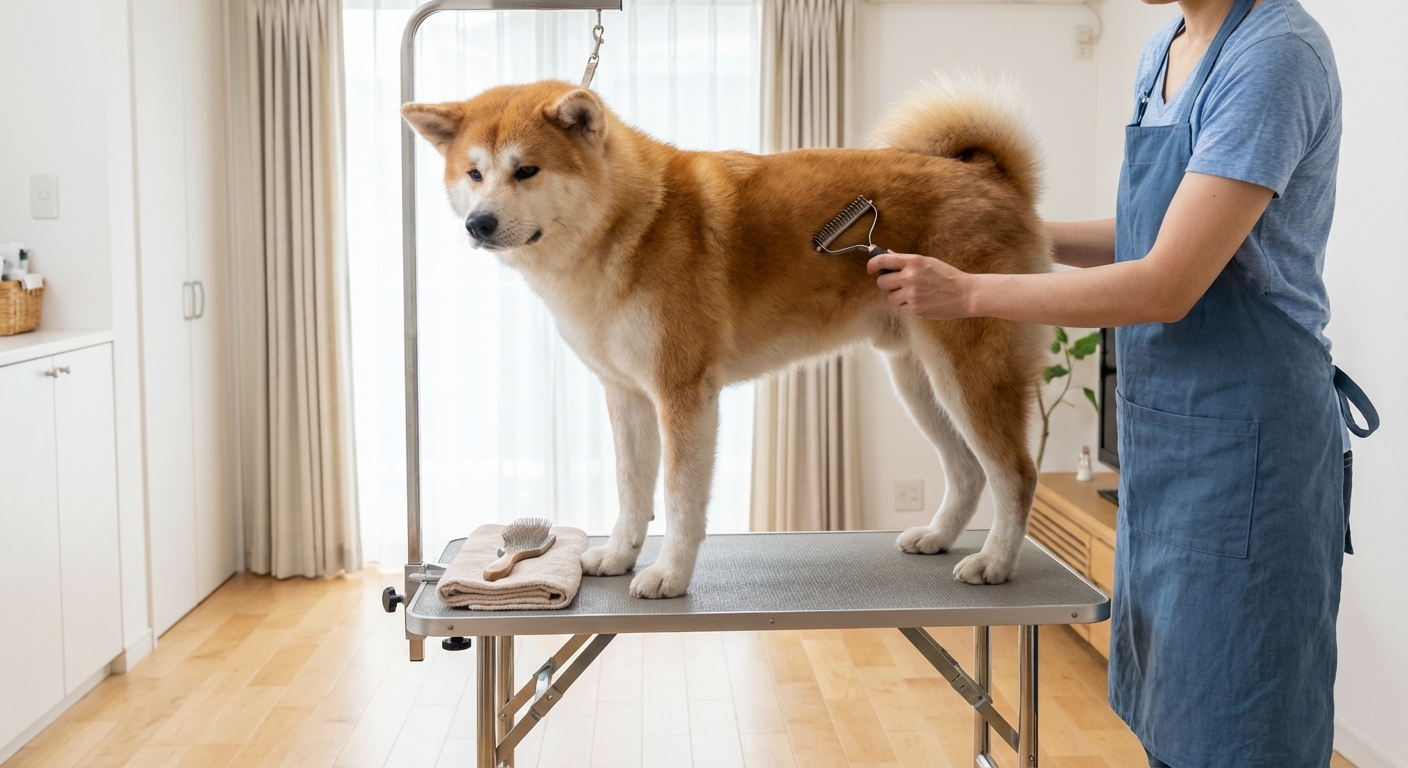
That plush Akita coat is beautiful, but it comes with responsibilities. Akitas have a dense double coat that sheds year-round and often “blows coat” seasonally, releasing a dramatic amount of undercoat in a short period.
Grooming routine
- Brushing: 2 to 3 times per week for most of the year, and daily during heavy shedding.
- Tools: A slicker brush and an undercoat rake are common go-tos. Use gentle technique to avoid skin irritation.
- Bathing: As needed, often every 6 to 10 weeks for some households, and less for others. Avoid over-bathing, and dry thoroughly because that undercoat holds moisture.
- Nails, ears, teeth: Nails every 2 to 4 weeks, ears checked weekly, teeth brushed regularly.
Tip from the clinic: if your Akita is not thrilled about brushing, do short sessions with high-value treats and stop before your dog gets overwhelmed. Cooperation is built in tiny wins.
Health concerns
Akitas can be hardy, but like many large breeds, they have a few health concerns worth planning for. Responsible breeders screen for issues and can show documentation. If you are adopting, your veterinarian can help you tailor preventive care and early monitoring.
Hip dysplasia and joints
Hip dysplasia is a hereditary condition where the hip joint develops abnormally, which can lead to arthritis and pain over time. Maintaining a lean body condition, avoiding excessive impact in puppies, and using vet-recommended joint support can make a meaningful difference.
Autoimmune risk
Akitas can be predisposed to certain autoimmune diseases. Not every Akita will have these issues, but it is worth knowing the names so you can recognize patterns early. Examples sometimes seen in the breed include autoimmune thyroiditis (hypothyroidism), uveodermatologic syndrome (VKH-like), and autoimmune skin diseases such as pemphigus. Because autoimmune problems can be complex, early veterinary evaluation is important if you notice persistent symptoms.
Other concerns
- Hypothyroidism: Can contribute to weight gain, lethargy, and coat changes.
- Bloat (GDV): A life-threatening emergency more common in deep-chested dogs. Ask your vet about risk reduction and whether a prophylactic gastropexy is appropriate.
- Eye issues: Some Akitas may be prone to conditions such as entropion and, in some lines, progressive retinal atrophy. Routine eye exams can help, and some breeders participate in CAER eye screening.
When to call your vet: limping that lasts more than a day, sudden weakness, pale gums, repeated vomiting, belly distension, collapse, intense itching with hair loss, eye redness or light sensitivity, or big behavior changes.
Feeding and weight
Akitas carry their weight heavily, and extra pounds can worsen joint strain and reduce stamina. Whatever diet style you choose, your best “supplement” is a healthy body condition.
- Choose a complete, balanced diet: Look for a food formulated for large breeds, and confirm it meets AAFCO standards for the appropriate life stage.
- Measure meals: Free-feeding often leads to creeping weight gain.
- Use treats strategically: Treats should generally stay under about 10 percent of daily calories.
- Monitor monthly: Photos from above and the side help you spot changes early.
If you are interested in adding fresh foods, do it gradually and keep it simple. Lean proteins, cooked vegetables, and small amounts of fruit can be great additions, but your dog still needs overall nutritional balance.
Akitas and kids
Many Akitas do well with their own family’s children, especially when raised with them. The bigger challenge is often the combination of size, protectiveness, and the unpredictability of visiting kids.
- Supervise: Do not leave young children alone with any large dog.
- Teach boundaries: No climbing, hugging, ear pulling, or bothering a resting dog.
- Manage play: Separate your Akita during loud, high-energy kid gatherings, and use “place” and baby gates to create calm structure.
Is an Akita right for you?
Akitas can be incredible companions for the right home. They are typically best suited for people who enjoy structure, training, and leadership, and who respect a dog that is not automatically friendly with everyone.
Good match if you want
- A loyal, steady companion with strong guarding instincts
- A calm dog indoors when exercised and trained
- A breed with presence, confidence, and intelligence
Think carefully if you have
- Little experience with large, protective breeds
- Frequent unknown visitors in and out of the home
- Multiple dogs, especially same-sex dogs
- Small pets like cats, rabbits, or backyard chickens
The Akita is not “too much dog” when matched well. But they are a lot of dog, and they deserve an owner who is ready to meet them with consistency, patience, and respect.
Care checklist
- Training: Daily practice, calm confidence, reward-based methods
- Socialization: Early, ongoing, focused on neutrality and consent-based handling
- Exercise: Structured walks plus mental enrichment
- Grooming: Frequent brushing, heavier during coat blow
- Health: Monitor joints, discuss autoimmune risks, know bloat signs
- Management: Secure fencing, visitor plan, proactive muzzle training
If you are considering an Akita, talk with a reputable breeder or rescue, meet adult dogs if possible, and partner with a veterinarian you trust. When you match this breed well and guide them thoughtfully, an Akita can be a once-in-a-lifetime kind of companion.