Flying with a cat doesn’t have to be stressful. Get practical, vet-informed guidance on in-cabin vs cargo, airline rules, TSA screening, carrier training, ...
Article
•
Designer Mixes
Airline Requirements for Dogs

Shari Shidate
Designer Mixes contributor
Flying with a dog can feel intimidating, especially the first time. The good news is that most airline rules fall into a few predictable buckets: where your dog will travel (in cabin, checked pet programs, or as air cargo), what paperwork is required, and how your dog must be contained. As a veterinary assistant in Frisco, Texas, I have helped families prep pups of every age for travel, and the biggest stress reducer is always the same: plan early and confirm details directly with your airline. It is also completely normal to worry. A little prep now (especially carrier practice) helps most dogs and owners relax on travel day.
Quick reminder: airline policies change often. Always check your specific airline and route, and confirm rules again 24 to 48 hours before departure. This article is general guidance and not a substitute for your airline’s instructions or your veterinarian’s advice.
Quick start: 5 steps
- Call the airline and add your dog to your reservation (pet spots can be limited).
- Confirm the travel type: in-cabin, checked pet program, or cargo as freight (not all routes offer all options).
- Verify carrier or kennel size rules for your specific aircraft.
- Check paperwork timing (especially international, Hawaii, and U.S. territories).
- Book a vet visit if your dog is young, senior, brachycephalic, or has any medical concerns.
Start here: what kind of trip?
Before you buy anything or schedule a vet visit, answer these three questions:
- Domestic or international? International trips can require import permits, microchips, and waiting periods.
- In-cabin, checked, or cargo? Size, breed, temperature restrictions, and aircraft type can affect this. Some airlines separate “checked pet” programs (handled at the passenger terminal) from “cargo” (shipped as freight and sometimes handled at a cargo facility).
- Pet or service animal? Service animal rules are different from pet rules. Do not assume your pet qualifies without meeting the legal definition and airline documentation requirements.
If you are traveling with a young puppy, a senior dog, or a dog with a medical condition, I recommend you also ask your veterinarian: Is my dog medically fit to fly?
Common airline requirements
1) Reservations, limits, and fees
Many airlines limit the number of pets allowed on each flight, especially in cabin. That means you should call and add your dog to your reservation as early as possible. You may also pay a pet fee (often charged each way, but it varies). Some airlines require check-in at the ticket counter rather than curbside.
- Ask if your flight is operated by a partner airline, because rules can differ.
- Ask whether layovers change the policy, especially if different aircraft are used.
- On travel day, plan to arrive earlier than usual in case the airline needs to verify the carrier size or paperwork.
2) Age rules for puppies
Many airlines set a minimum age for flying, often around 8 weeks for in-cabin pets, but this can vary. From a health standpoint, very young puppies are still building immune protection and can be more vulnerable to stress, dehydration, and infectious disease exposure in crowded airports.
If you are flying with a puppy, consider choosing a quieter travel time. Keep handling gentle and minimal, and limit pass-the-puppy moments. When possible, keep your puppy in the carrier in busy areas.
3) Health paperwork and vaccines
For many domestic U.S. flights, airlines may not require a health certificate for in-cabin pets, but some still do, and requirements can change by destination (especially Hawaii and certain U.S. territories). For international travel, health certificates are commonly required and may need USDA endorsement.
- Rabies vaccination is required for entry into many countries and some U.S. destinations and situations. Even when an airline does not check it for a domestic flight, it is a smart standard to keep current. Always confirm destination rules and timing requirements.
- Parasite prevention is required for some countries and strongly recommended for most travel, even when not required.
- Microchip is required for many countries and can be helpful if you are separated from your dog in transit.
Bring both paper copies and photos of records on your phone. Batteries die, and Wi-Fi is not guaranteed.
4) Carrier and kennel rules
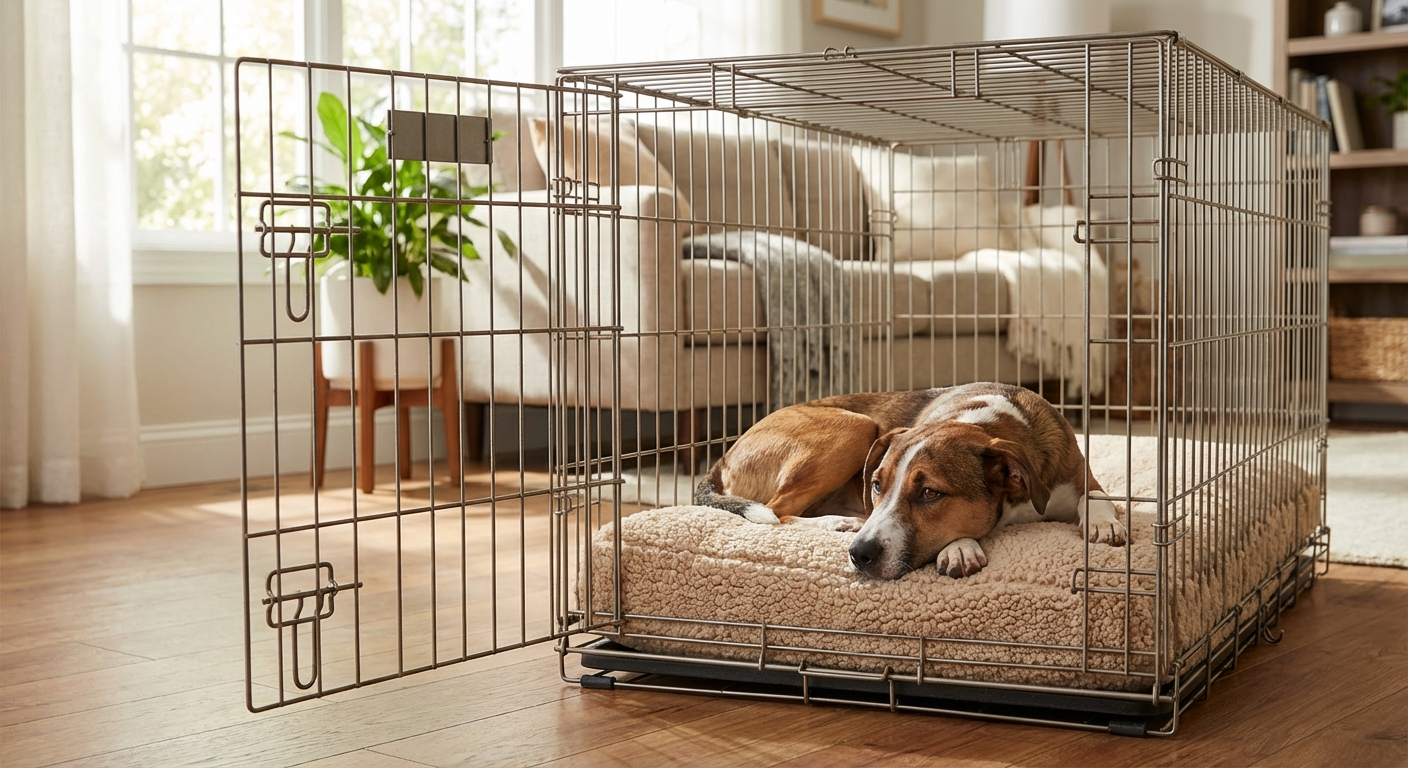
Carrier requirements are where many travelers get surprised. Airlines typically require that your dog can stand up, turn around, and lie down comfortably inside the carrier.
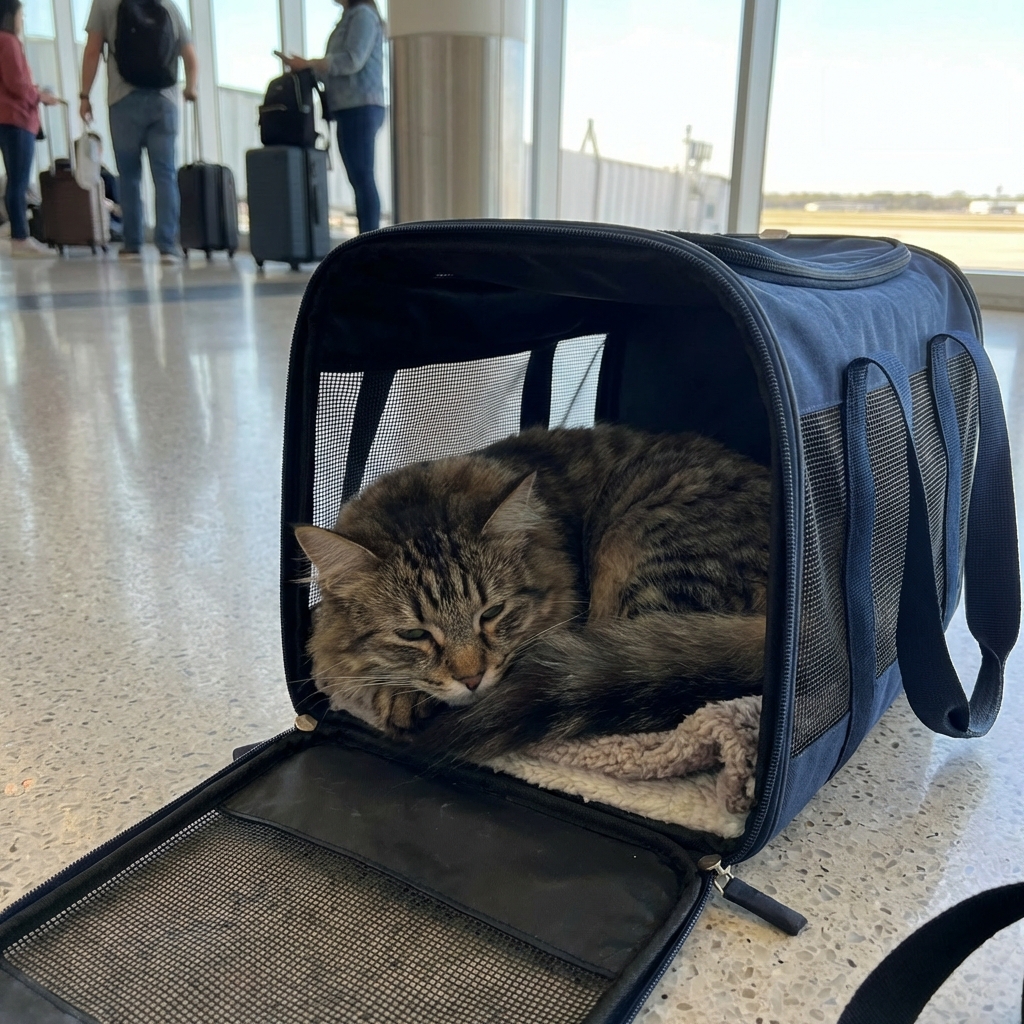
- In-cabin carriers are usually soft-sided and must fit under the seat in front of you. Size limits vary by airline and aircraft. Ask the gate agent if under-seat space is tighter on your specific plane type.
- Checked pet and cargo kennels are usually hard-sided, sturdy, properly ventilated, and secured with bolts. Wheels are often not allowed.
- Most airlines require leak-proof bottoms and adequate ventilation.
5) Breed and temperature restrictions
Some airlines restrict brachycephalic dogs (short-nosed breeds) from certain travel options, especially cargo or checked programs, due to higher respiratory risk under stress and heat. Temperature restrictions can also limit checked or cargo travel seasonally, and some routes or aircraft types may not accept pets at all.
If your dog has any breathing challenges, heart disease, or anxiety that significantly affects breathing, talk with your veterinarian well in advance.
In-cabin travel
In-cabin is typically the safest and least stressful option for small dogs who fit comfortably in an approved carrier. Most airlines require your dog to remain in the carrier during boarding and on the plane, with the carrier stowed under the seat. In the terminal, many airlines expect pets to stay in the carrier in most areas, but specific enforcement varies by airport and airline. When in doubt, keep your dog contained.
Tips that make a difference
- Practice at home: feed treats in the carrier, close it for short periods, and build positive associations.
- Use familiar scent: pack a small blanket or T-shirt that smells like home.
- Plan potty timing: do a calm walk and potty break before entering the terminal, then visit the pet relief area after security if available.
- Keep meals light: many dogs do best with a light meal about 4 to 6 hours before travel, but ask your vet for guidance for your dog’s age and health. Avoid trying new treats on travel day to reduce upset stomach risk.
- Reduce visual stimulation: some dogs relax if you lightly drape a breathable cover over part of the carrier, as long as airflow stays excellent.
If your dog is prone to motion sickness or stress, ask your vet about safe options. Do not give human medications unless your veterinarian specifically prescribes them for your dog.
Checked and cargo travel
For larger dogs, travel might be offered through a checked pet program (where available) or through cargo as freight. These options are not ideal for every pet, and policies vary widely. Some airlines have reduced or discontinued pet transport services on certain routes, so verify early.
Keys to lowering risk
- Choose direct flights whenever possible to reduce transfers and delays.
- Fly in mild temperatures and avoid peak heat or cold seasons when possible.
- Use the right kennel and label it clearly with your contact information.
- Attach feeding instructions and a current photo of your dog to the kennel.
- Confirm drop-off and pickup locations: cargo as freight may require a separate cargo facility and different cutoff times.
Sedation caution: Many airlines discourage sedating pets for air travel, and some prohibit it. Many veterinarians also avoid it because sedation can increase risks during flight. If you are worried about anxiety, talk to your veterinarian early so you can discuss safer strategies.
All ages: special notes
Puppies
- Confirm minimum age rules and vaccine timing.
- Bring extra potty pads, wipes, and a spare zip bag for cleanup.
- Keep travel days simple and avoid tight connections.
Adult dogs
- Refresh basic cues like “sit,” “stay,” and “leave it” before travel.
- Practice carrier time and airport-like sounds (calmly and gradually).
- Keep hydration steady, but avoid overdoing water right before boarding.
Senior dogs
- Schedule a pre-travel checkup, especially if your dog has heart, kidney, or respiratory issues.
- Prioritize comfort: thicker padding, gentle handling, and fewer stairs when possible.
- Watch for stiffness and fatigue during long airport walks.
International travel: details matter
International pet travel can be very manageable, but it is paperwork-heavy. Depending on the country, you may need:
- A microchip that meets destination standards
- Rabies vaccination proof and timing compliance
- A veterinary health certificate (often within a strict timeframe, such as 10 days)
- USDA endorsement (for many destinations)
- Parasite treatment documentation
- Import permits or pre-approval
- Possible quarantine on arrival
Start planning weeks to months ahead. For U.S. departures, the USDA APHIS Pet Travel resources are a helpful starting point, along with your destination country’s agriculture or veterinary authority website. If you use a pet travel service, it can help coordinate requirements, but still verify everything yourself with official sources.
TSA screening and airport etiquette
At TSA screening in the U.S., pets are commonly screened outside the carrier while the carrier goes through the X-ray. Small dogs are often carried through the metal detector, and larger dogs may walk through with you. Follow TSA officer instructions, since procedures can vary. Collars, harness hardware, and leashes can trigger extra screening, and officers may offer alternate screening options if needed.
- Use a secure harness and leash.
- Ask for a private screening if you are concerned about escape risk.
- Bring high-value treats, but keep portions small.
Day-of travel tips
- Arrive early, especially if you need to check in at the ticket counter.
- Do one last carrier check: zippers, clips, ventilation, and absorbent padding.
- Keep ID current: collar tag plus a microchip with registration up to date. I also like a temporary travel tag with your destination phone number.
- Ask at the gate if anything about your seat or aircraft affects under-seat space, so you are not surprised when boarding starts.
What to pack
- Airline-approved carrier or kennel
- Leash and harness
- Collar with ID tag plus microchip registration up to date
- Optional temporary travel tag with destination contact info
- Vaccination records and any required certificates
- Small travel water bowl and bottled water
- Light snacks or measured meals (avoid brand-new treats)
- Potty pads, wipes, and waste bags
- A familiar blanket or soft item that smells like home
- Any medications with dosing instructions
Red flags: when flying is not best
Consider alternatives like driving, using a pet sitter, or boarding with a trusted facility if your dog has:
- Uncontrolled respiratory disease or frequent breathing distress
- Recent surgery or unstable medical conditions
- Severe panic responses that are not manageable with training and veterinary guidance
- High risk of heat stress (especially some short-nosed dogs traveling in warm seasons)
There is no shame in choosing the option that keeps your dog safest and most comfortable.
End on a calm note
When you land, give your dog a quiet moment. Offer water, find the nearest pet relief area, and keep stimulation low while you transition back into normal routines. Travel can be a lot for their nervous system, even if they seem brave.
If you do one thing today, make it this: call your airline and confirm the exact pet requirements for your flight, route, and aircraft. That single step prevents most travel-day surprises and helps you focus on what matters most, your dog’s comfort and safety.