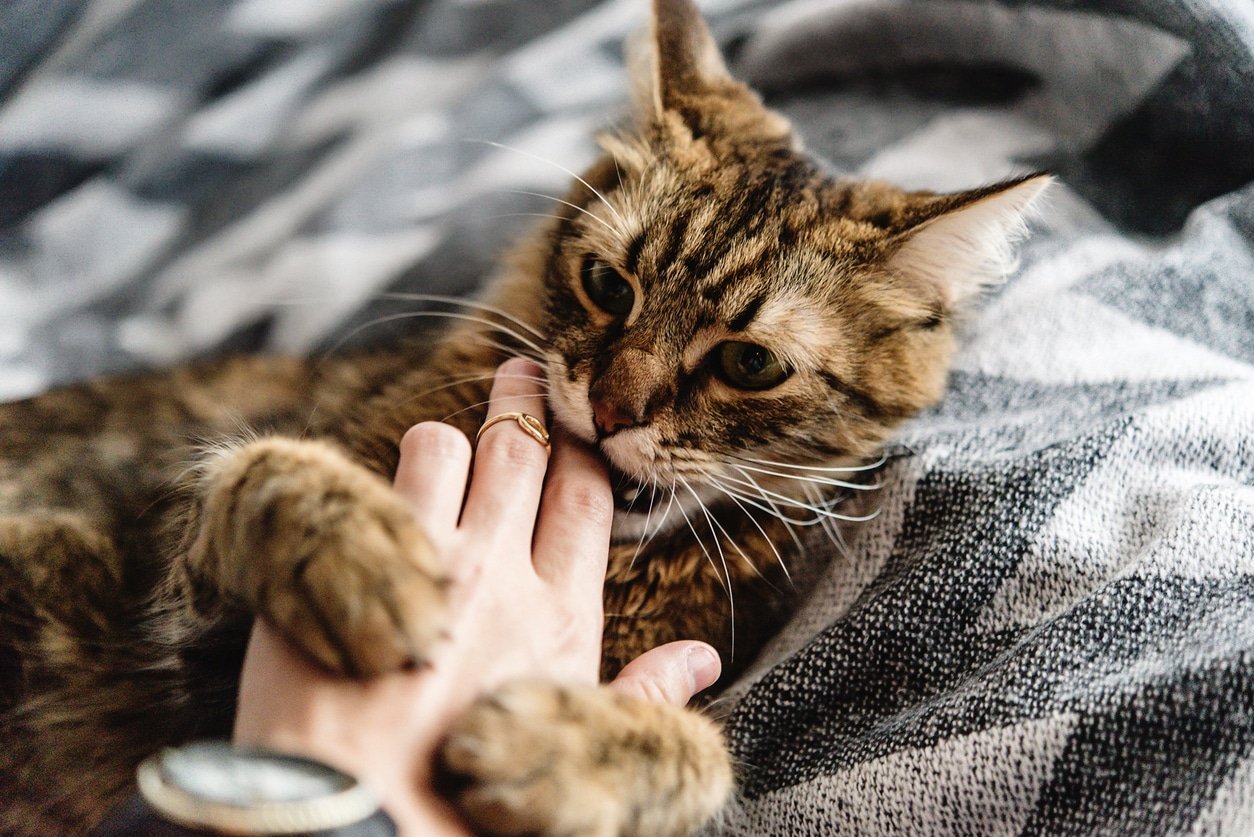
Stop cat biting by matching the bite to the cause—play, overstimulation, fear, pain, or redirected aggression. Get in-the-moment steps, training tips, and ...
Article
•
Designer Mixes
Aggression in Cats: What It Means and What Causes It

Shari Shidate
Designer Mixes contributor
Aggression in cats can feel shocking, especially when it seems to come out of nowhere. One moment your cat is asking for attention, and the next there is a hiss, a swat, or a bite. The good news is that aggression is rarely “bad behavior” for its own sake. In most cases, it is communication. Your cat is telling you they feel threatened, overstimulated, in pain, or unsure of what to do next.
Understanding the type of aggression and its trigger is often the most effective starting point for a calmer home and a safer relationship for everyone.
What counts as aggression?
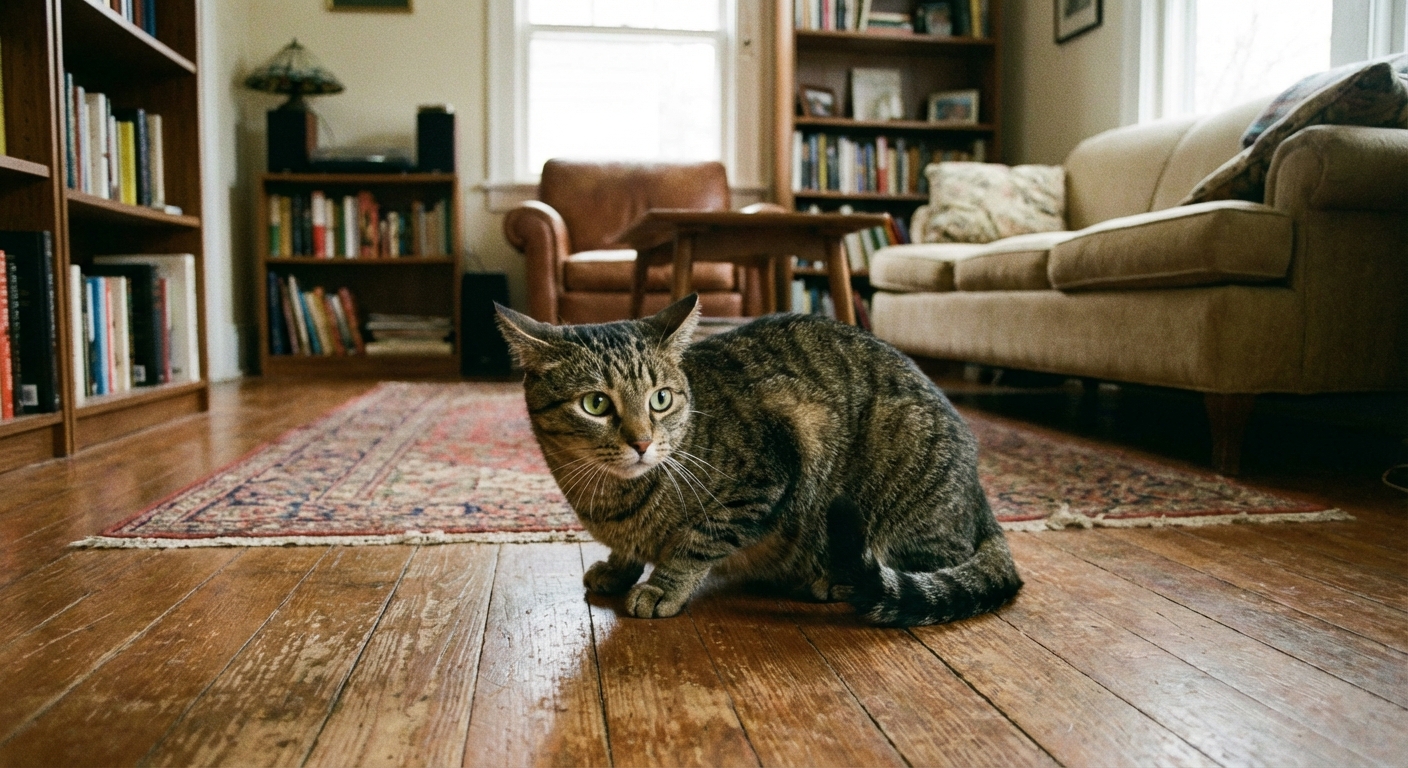
Aggression is any behavior that increases distance or helps a cat control access to a person, animal, or space. It can look obvious, like biting or chasing, but it also includes early warning signals that are easy to miss.
- Warning signs: stiff body, wide pupils, tail flicking, ears turned back, staring, low growl
- Escalating behaviors: hissing, swatting (with or without claws), quick nips
- High-risk behaviors: biting hard, scratching, lunging, prolonged chasing
Many cats give clear warnings first. If those warnings are missed or ignored, in some cases they can learn that biting is the only behavior that reliably makes the situation stop.
Common causes
Most aggressive episodes fall into a few well-studied categories. Your cat may fit more than one, especially if stress has been building over time.
Fear and defense
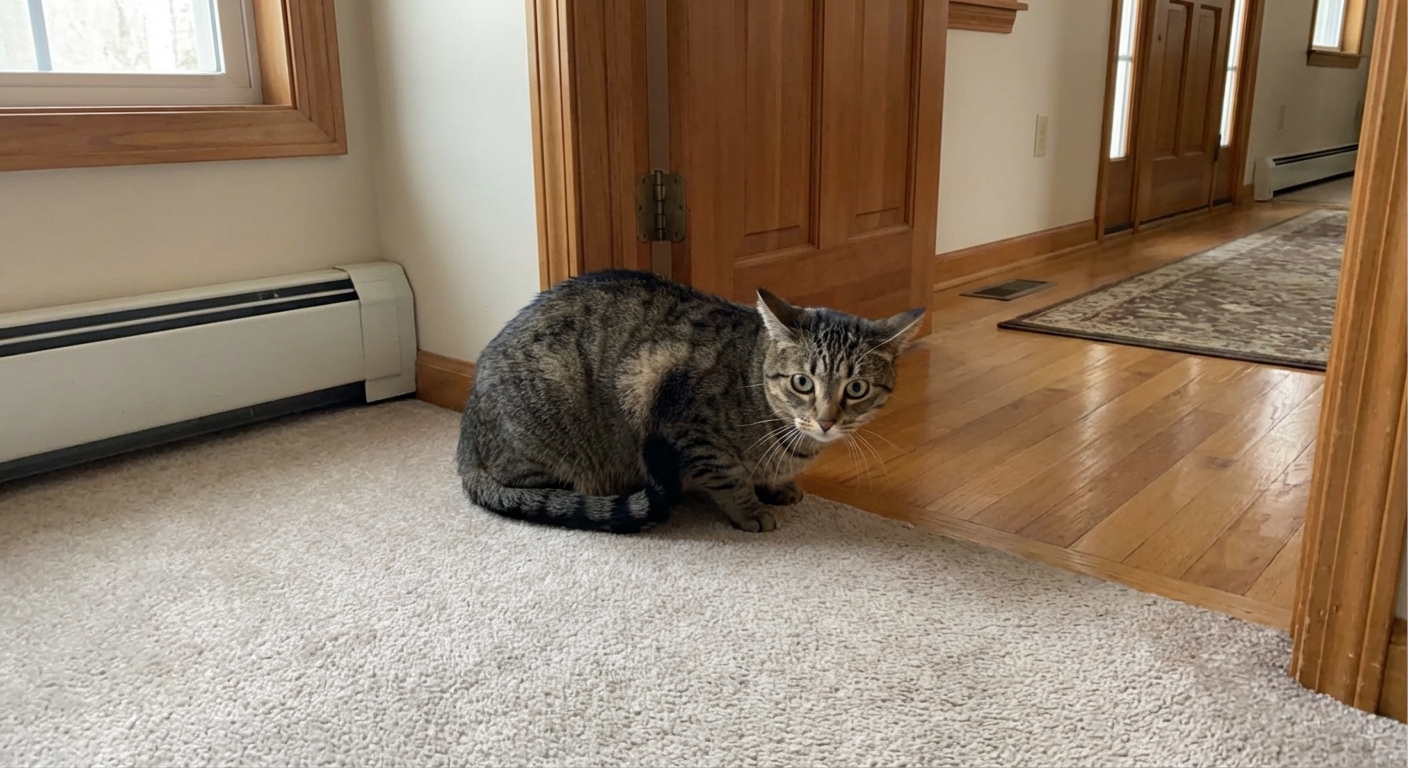
This is one of the most common causes. A fearful cat is trying to protect themselves. Triggers might include unfamiliar people, loud noises, sudden movement, or being cornered with no escape route.
- Often seen with hiding, crouching, flattened ears, and attempts to flee
- More likely if your cat had limited socialization as a kitten or a history of trauma
Petting and overstimulation
Some cats enjoy affection in small doses, then reach a sensory limit. When the nervous system gets overloaded, a bite or swat is a quick way to make contact stop.
- Common signs: skin twitching, tail thumping, sudden head turn toward your hand, tense shoulders
- Often happens with long strokes down the back or repeated touching of sensitive areas
If this sounds familiar, think “threshold,” not “moodiness.” Many cats do best with shorter, predictable petting sessions.
Play aggression
This is especially common in kittens and young adult cats. Hunting behaviors are normal. The problem starts when hands, feet, and ankles become the “prey.”
- Stalking, pouncing, and biting during high-energy times
- More likely in cats who are bored, under-stimulated, or lack appropriate play outlets
- Some solo-raised kittens also struggle more with bite inhibition, which can make play look “too intense”
Territorial conflict
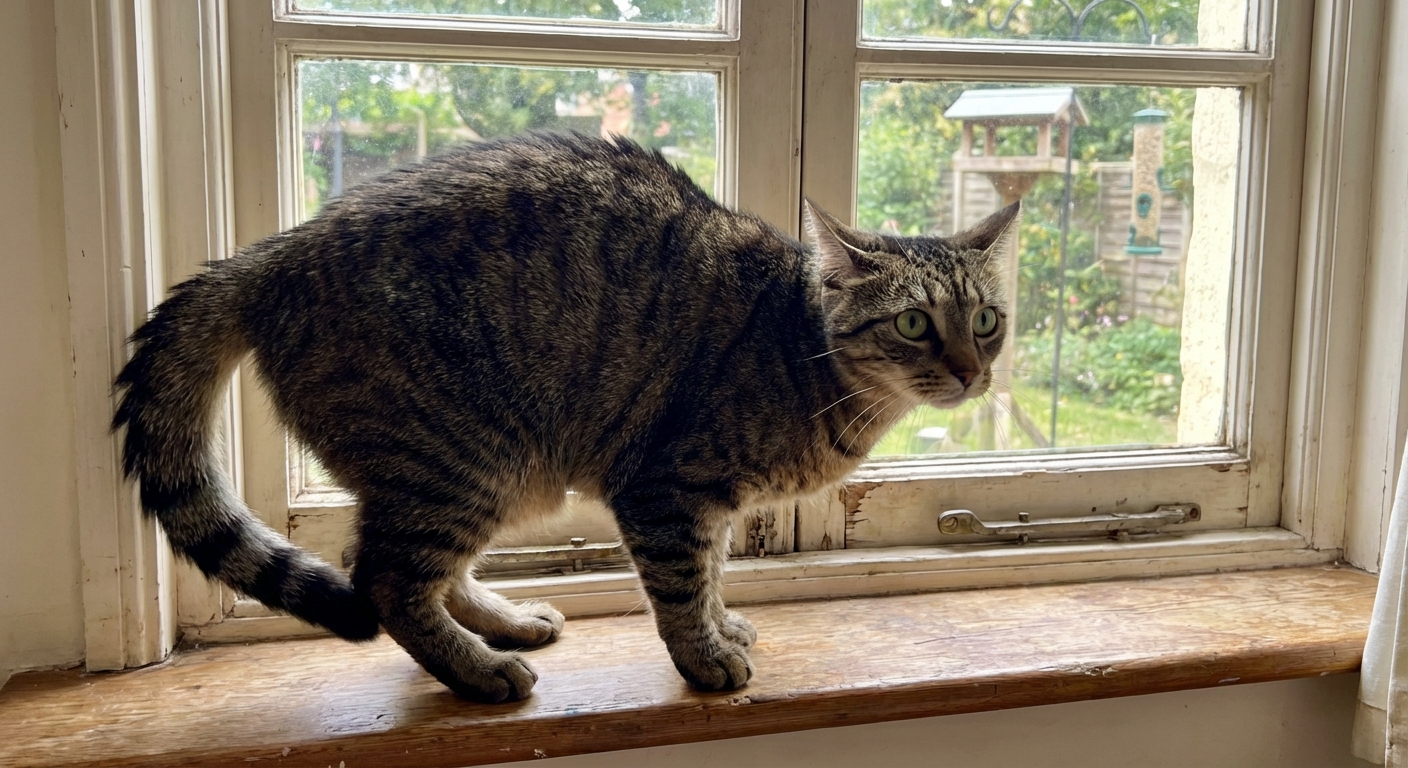
Cats can be strongly attached to familiar spaces and routines. They may react intensely to another cat entering their space, a new pet, or even an outdoor cat visible through a window.
- Can include blocking doorways, chasing, or guarding resources like food bowls and litter boxes
- May increase after a move, renovations, or changes in household routine
Redirected aggression
This is a classic “out of nowhere” scenario. A cat becomes highly aroused by something they cannot reach, like an outdoor cat, a loud noise, or a sudden commotion, and then redirects that energy onto the nearest person or pet.
- Often intense and sudden
- May occur seconds to minutes after the trigger, and sometimes longer depending on how quickly your cat can settle
Redirected aggression is a key reason to avoid grabbing or restraining a highly aroused cat. Safety and de-escalation come first.
Pain or medical causes
In clinical practice, pain is an important and sometimes overlooked cause. Cats are excellent at hiding discomfort, but pain can lower tolerance dramatically.
- Arthritis, dental disease, urinary issues, skin conditions, and injuries can all contribute
- A sudden change in temperament is a strong reason to schedule a veterinary exam
Maternal protection
A mother cat may guard kittens and react defensively to people or animals that come too close. This is instinctive and usually temporary.
Hormones and frustration
Unneutered males are often at higher risk of roaming, marking, and conflict with other cats, although every cat is different. Frustration can also build when a cat wants access to something and cannot get it, such as a closed door, a high shelf, or a view of birds without an outlet for hunting behaviors.
Why escalation happens
I often explain aggression as a “stress bucket” that slowly fills. Small stressors stack up: changes in routine, conflict with another pet, lack of hiding places, noisy visitors, inconsistent play, or even subtle pain. When the bucket is full, a minor trigger can spill it over.
If your cat seems to overreact, the trigger you see may not be the whole story. Looking at the days leading up to an incident often reveals patterns.
How to spot triggers
A simple behavior log can be surprisingly powerful. Right after an incident, write down:
- What happened just before the aggression (sound, movement, touch, person entering)
- Where it happened (hallway, couch, near food, near litter box, near a window)
- Who was involved (adult, child, another cat, dog)
- Your cat’s body language (tail, ears, pupils, posture)
- Time of day and any routine changes
This helps you and your veterinarian or behavior professional distinguish fear from overstimulation, play, pain, or redirected aggression.
In the moment
When a cat is escalating, your goal is to reduce arousal and create space. Avoid punishment. Yelling, spraying water, or hitting can increase fear and make aggression more likely in the future.
- Stop interaction immediately and freeze for a moment if your cat is close
- Create distance by stepping away slowly, without direct eye contact
- Use a barrier if needed, like a pillow, folded blanket, baby gate, or a door between you
- Give a quiet reset by separating your cat in a calm room if you can do so safely. The goal is low stimulation and space, not forcing comfort or food
If redirected aggression is suspected, keep other pets and children away until your cat has fully calmed, which may take hours.
What not to do
- Do not punish (including yelling, spraying water, or physical corrections)
- Do not use hands or feet as toys, even with kittens
- Do not corner your cat or block escape routes
- Avoid physical restraint during high arousal unless it is necessary for immediate safety
Prevention that helps
Meet core needs
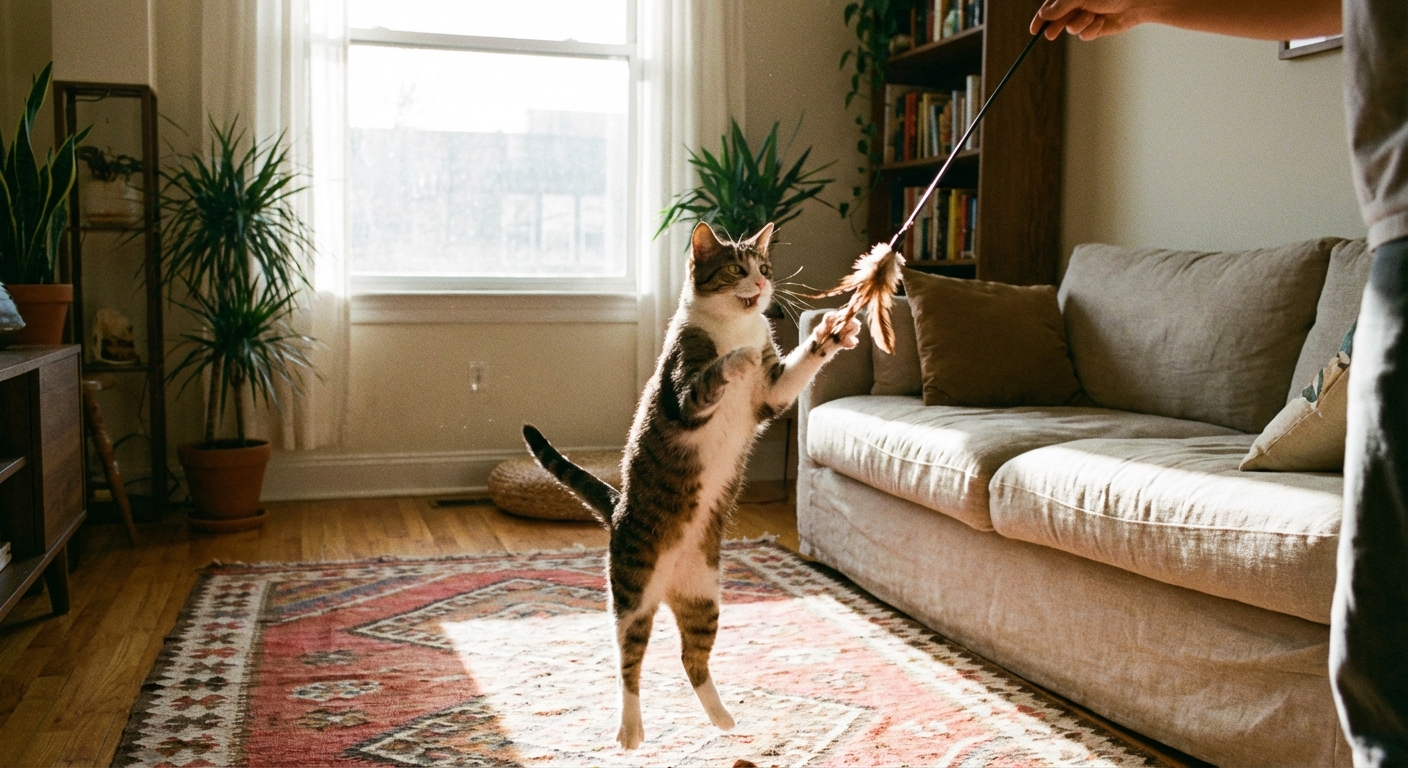
- Play: 1 to 2 short interactive sessions daily using wand toys to mimic hunting
- Predictability: consistent feeding and play times can reduce anxiety
- Safe spaces: hiding spots and vertical perches so your cat can retreat and observe
- Resources: multiple litter boxes, water stations, and resting places in multi-pet homes
Handle with consent
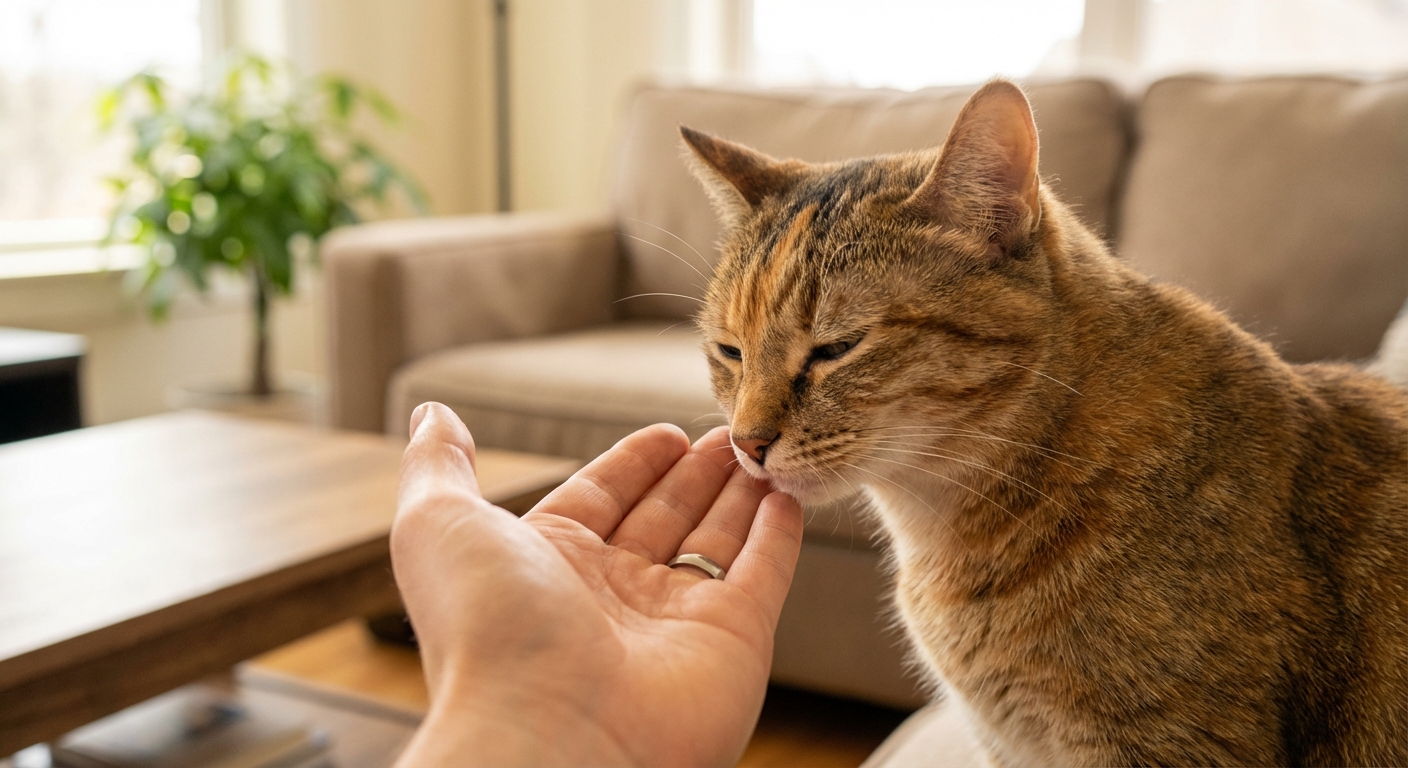
Many cats prefer brief affection with pauses. Try petting for a few seconds, then stop and see if your cat re-initiates. If they lean in, purr, or rub, continue. If they freeze, flick the tail, or turn the head sharply, give space.
Reduce cat to cat conflict
Provide separate zones, add vertical space, and avoid forcing interactions. In some cases, a structured reintroduction plan is needed, especially after a fight.
Slow introductions
If you are adding a new cat or pet, go gradually. Start with separation and scent swapping (blankets, bedding), then short, calm exposures at a distance. Move forward only when both animals are relaxed. Rushing introductions is a common reason territorial conflict escalates.
Support calmer energy
Environmental enrichment, food puzzles, and scheduled play help burn off energy in a healthy way. Some households also benefit from pheromone diffusers, especially during transitions like moving or adding a new pet.
When to call the vet
Please seek veterinary guidance if aggression is new, worsening, or paired with any signs of illness. Cats often express pain and discomfort through behavior changes.
- Sudden aggression in a previously social cat
- Hiding more than usual, decreased appetite, changes in litter box habits
- Sensitivity to touch, limping, bad breath, drooling, or excessive grooming
- Any bite that breaks skin, especially if it happened “without warning”
Your veterinarian can rule out medical causes and help you decide whether a referral to a qualified behavior professional is appropriate.
Bites and scratches
If a bite or scratch breaks skin, wash the area promptly with soap and running water. Cat bites can lead to infection, so contact a medical professional for advice, especially for deep punctures, swelling, increasing pain, fever, or if the wound is on the hand or near a joint.
Getting extra help
If aggression is severe, unpredictable, or putting people or pets at risk, it is worth getting professional support. Your veterinarian may refer you to a board-certified veterinary behaviorist or a qualified cat behavior consultant (such as someone certified through organizations like IAABC). Some cases also benefit from a structured behavior plan and, when appropriate, medication to reduce underlying anxiety or pain.
A gentle takeaway
Aggression is a signal, not a character flaw. When you approach it with curiosity, safety, and a plan, many cats improve significantly. Small, consistent changes like better play routines, less overstimulation, and more predictable environments can make a remarkable difference over time.
If you are feeling overwhelmed, you are not alone. With the right support, you can rebuild trust and help your cat feel secure again.