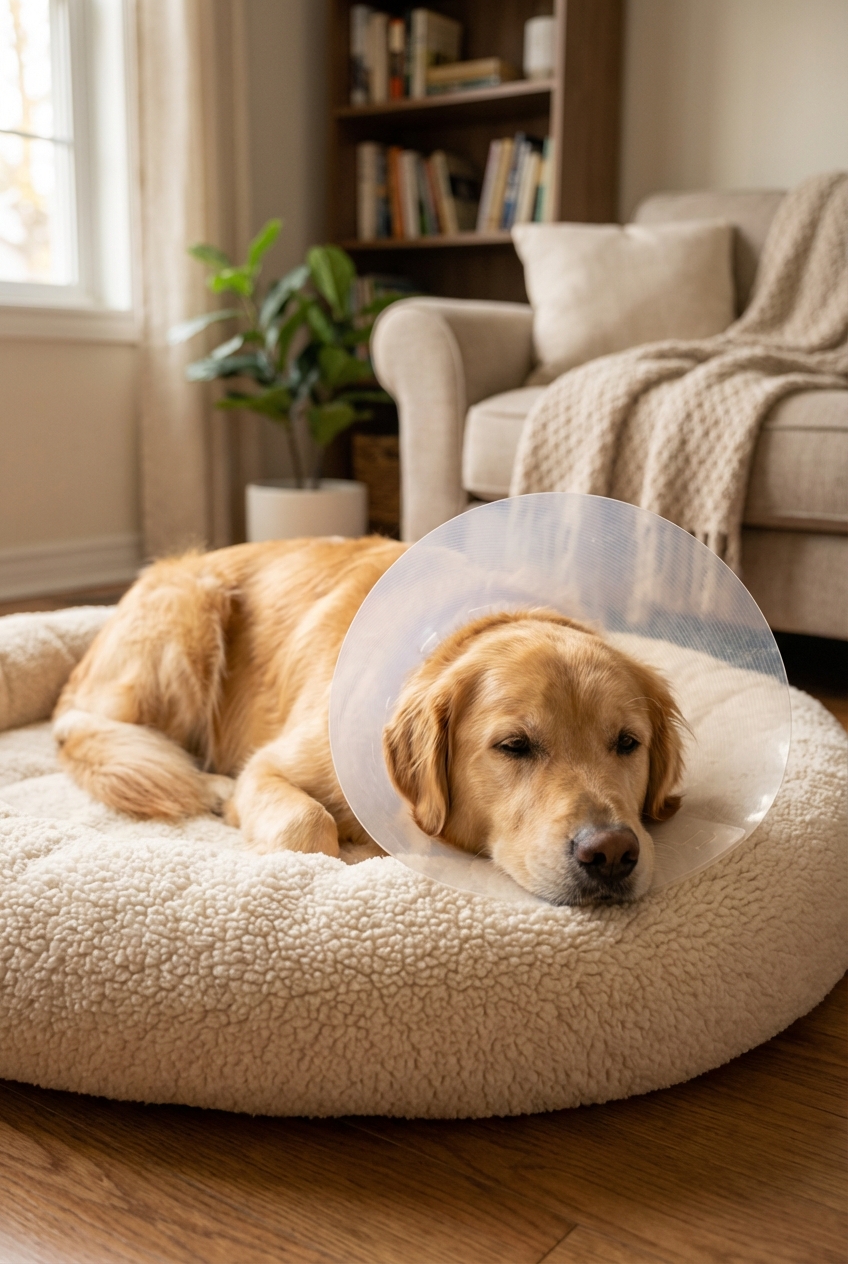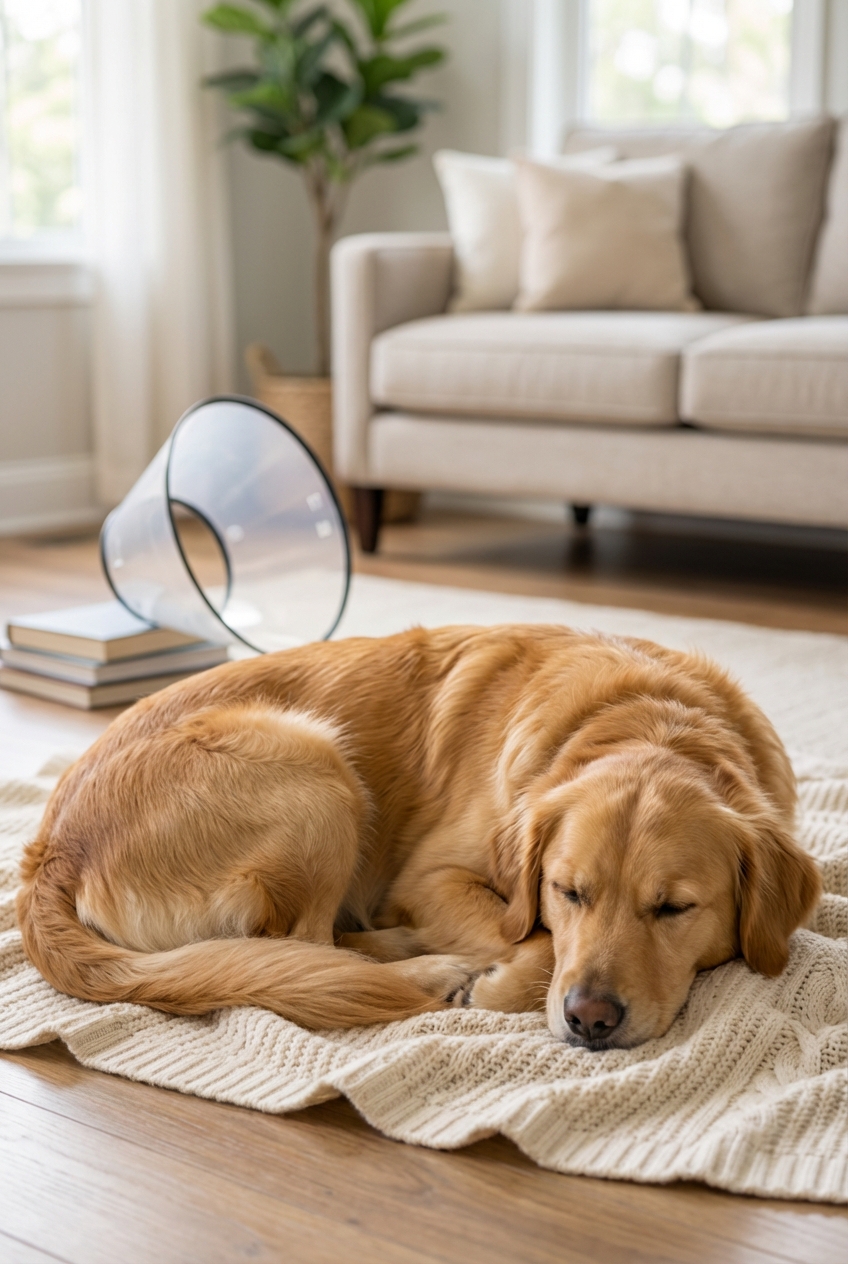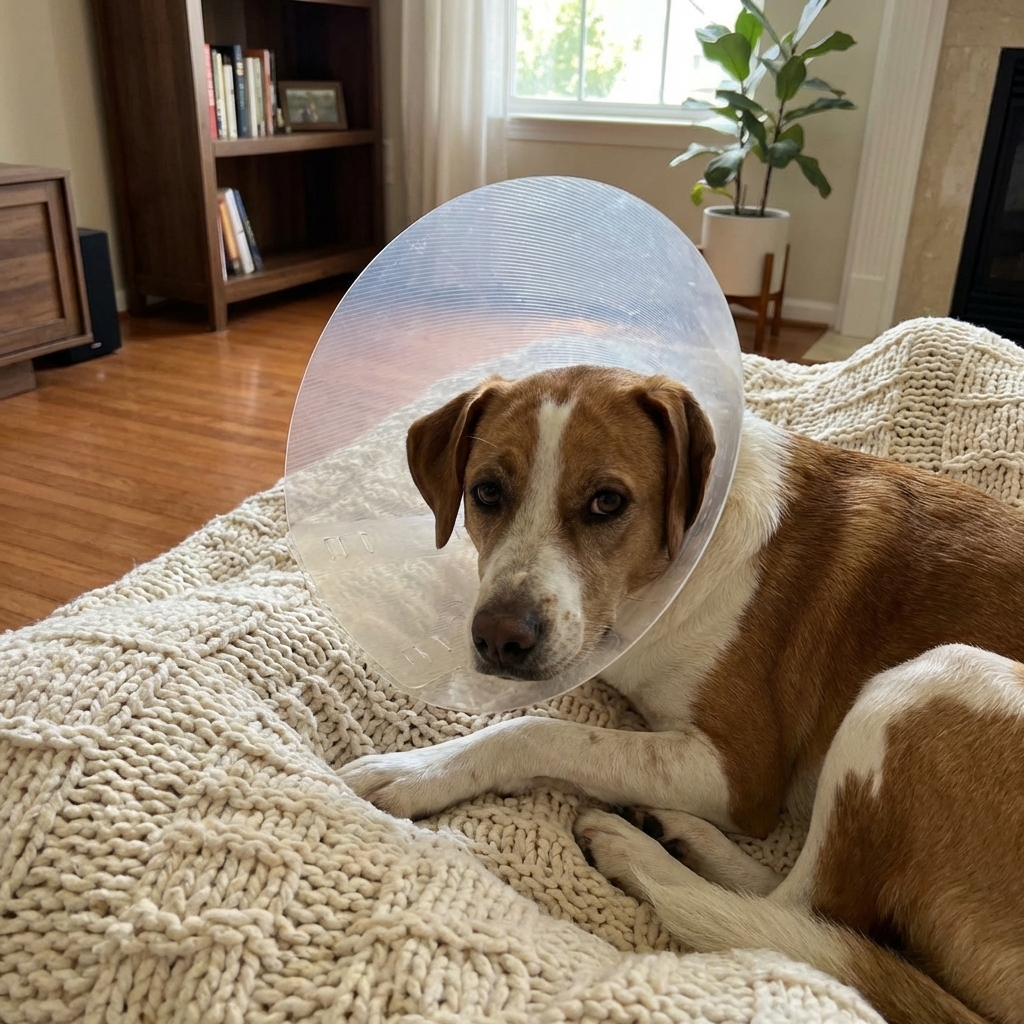
A vet assistant’s step-by-step guide to spay recovery: what’s normal in the first 24 hours and week one, incision checks, activity restriction, cone opti...
Article
•
Designer Mixes
Aftercare for a Spayed Dog

Shari Shidate
Designer Mixes contributor
Bringing your dog home after a spay can feel a little intimidating, even if the surgery went perfectly. The good news is that most dogs recover smoothly with a few days of calm, close observation, and smart incision-protection strategies.
As a veterinary assistant in Frisco, Texas, I always remind families of this: the surgery is only half the story. Aftercare at home is what protects healing tissue, prevents infection, and keeps a small problem from turning into an emergency.
What to expect after a spay
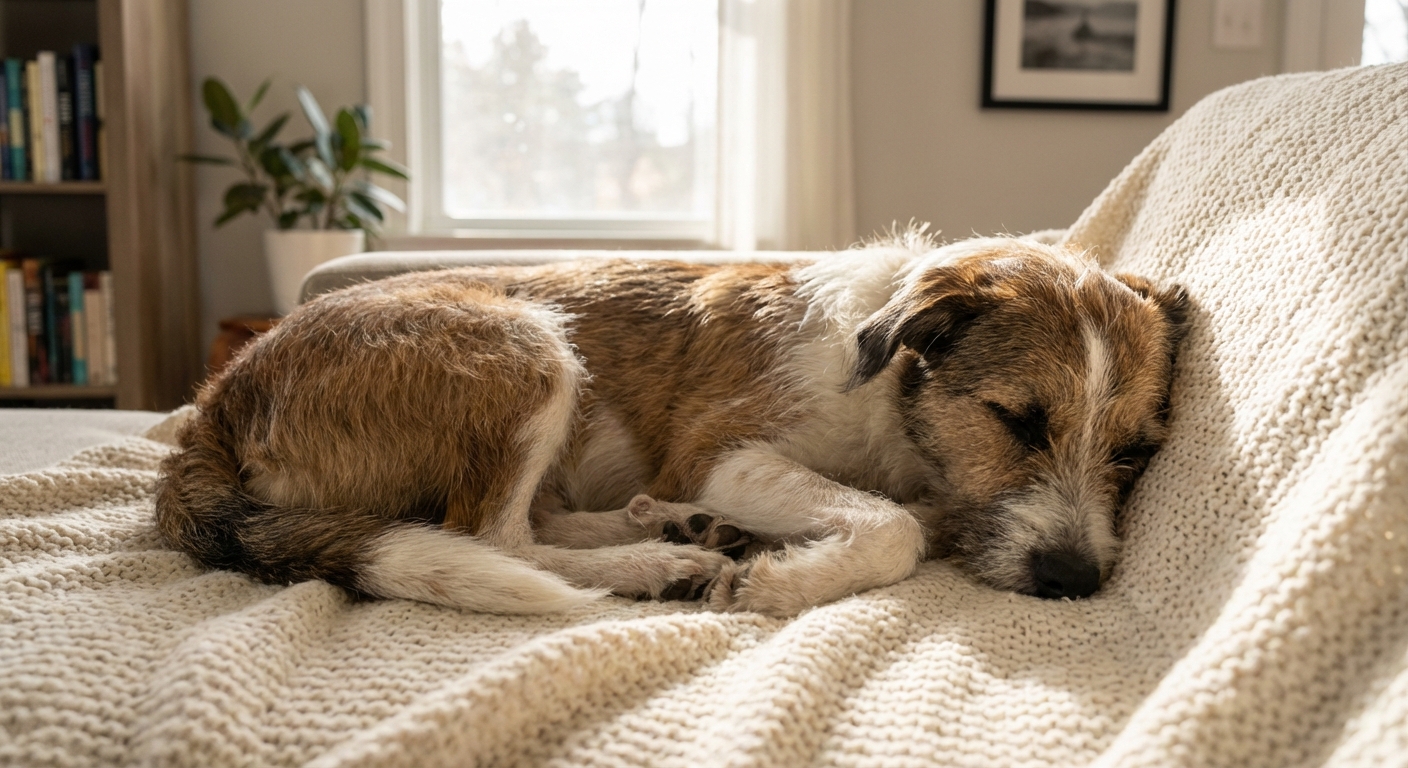
A spay (ovariohysterectomy or ovariectomy, depending on technique) is surgery, and recovery can vary based on your dog’s size, age, heat-cycle history, and the method your clinic uses (traditional vs. minimally invasive). Even if your dog looks “pretty normal” within 24 hours, her body is still healing under the skin.
- Sleepiness is common for the first 12 to 24 hours due to anesthesia and pain medication.
- Mild nausea can happen the first night. Anesthesia and pain meds are common causes, and gulping water too fast can contribute.
- Lower appetite for a day is typical, but she should still be interested in water.
- Some swelling at the incision can be normal, especially a soft, small puffiness.
- Energy often returns before healing is complete, which is why activity restriction matters so much.
The first 24 hours at home
Create a calm recovery space
Set your dog up in a quiet area away from stairs, excited kids, and other pets. Think “cozy and boring.” Use a clean blanket or bed that is easy to wash.
- Keep lighting and noise low.
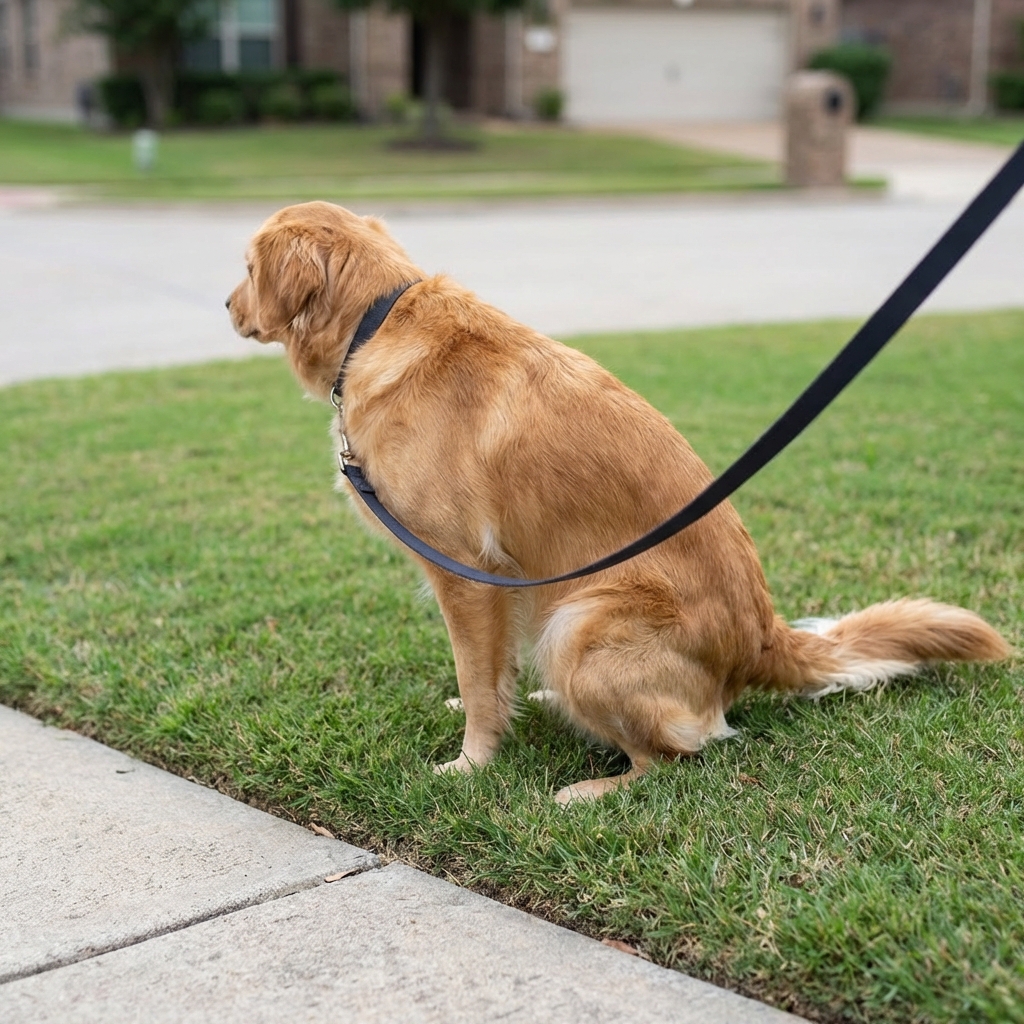
- Offer frequent potty breaks on leash only.
- Prevent jumping on furniture. If she usually sleeps on the bed, plan a temporary floor setup.
Food and water
Follow your clinic’s discharge instructions first. In general, you can offer a small amount of water when you get home. If she keeps that down, you can offer a small meal.
- Water: Offer a few sips at a time. If she gulps and vomits, remove water for 30 to 60 minutes, then retry in small amounts.
- Food: A smaller meal is often recommended the first night. Avoid rich treats or new foods for the first 24 hours. If she is not interested, do not panic. Try again in the morning.
If vomiting continues or she cannot keep water down, call your veterinary clinic.
Bathroom breaks
Your dog may urinate less the first night. She should still be able to pee. A bowel movement can take 24 to 48 hours to return, especially if she ate less and had pain meds.
If she has not urinated by the next morning (or she is straining, painful, or producing only small dribbles), contact your clinic right away.
Pain control and medications
This is one area where I want you to be very strict: give only the medications your veterinarian prescribed, exactly as directed.
- Do not give human pain relievers like ibuprofen or naproxen. Do not give acetaminophen unless your veterinarian specifically instructs it. Many are toxic to dogs.
- Stay on schedule. Pain is easier to prevent than to chase once it is intense.
- Watch for side effects such as vomiting, diarrhea, loss of appetite, or extreme sedation and report them.
If your dog seems painful even with meds (trembling, panting at rest, cannot settle, guarding the belly), call your clinic or surgeon. Do not double doses at home.
Incision care
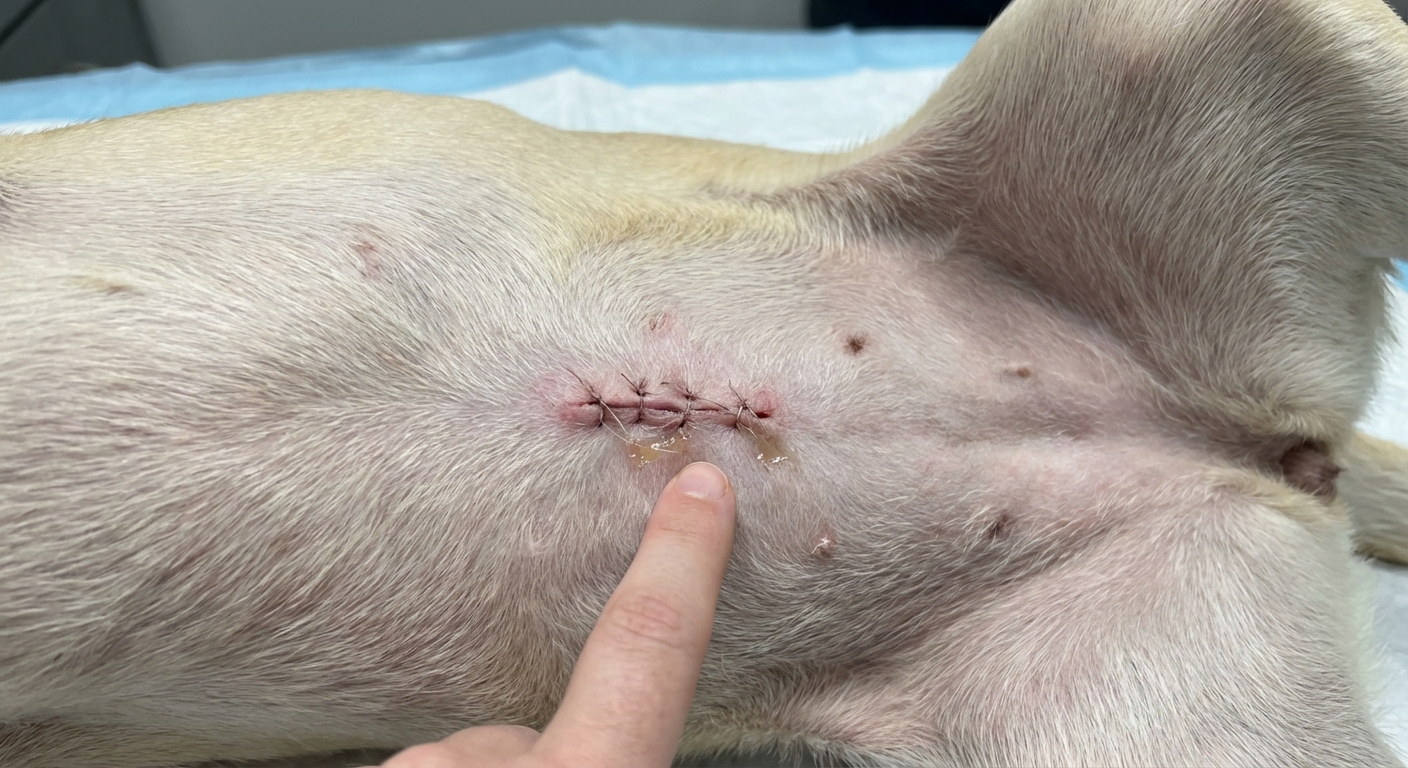
Check the incision twice a day in good lighting. A quick look is enough. You do not need to touch it.
Normal healing signs
- Closed edges that stay together
- Light pink skin, mild bruising, or mild swelling
- Mild bruising can shift or look more obvious over a couple of days as it settles
- A very small amount of clear moisture may be seen the first day with some techniques, but it should not persist or worsen
Not normal
Call your veterinarian if you see any of the following:
- Active bleeding or dripping fluid
- Yellow or green discharge, or a bad odor
- Incision edges pulling apart
- Growing swelling, especially a firm or hot lump
- Skin that is very red, angry, or increasingly painful
- A new lump under the incision, even if it is soft and does not seem to bother her (it could be a seroma and should be assessed)
Important: Do not apply ointments, peroxide, alcohol, or sprays unless your veterinarian told you to. Many products slow healing or encourage licking.
Also, do not let her lick “just once.” A few seconds is enough to irritate skin or pull at sutures, and many dogs do their sneakiest licking at night.
The cone matters
Licking and chewing are the fastest ways to cause infection, open the incision, or create a painful seroma. Many dogs can damage an incision in minutes.
- E-collar (cone): Still the most reliable option for most dogs.
- Inflatable collar: Works for some dogs, but determined lickers can often reach around it.
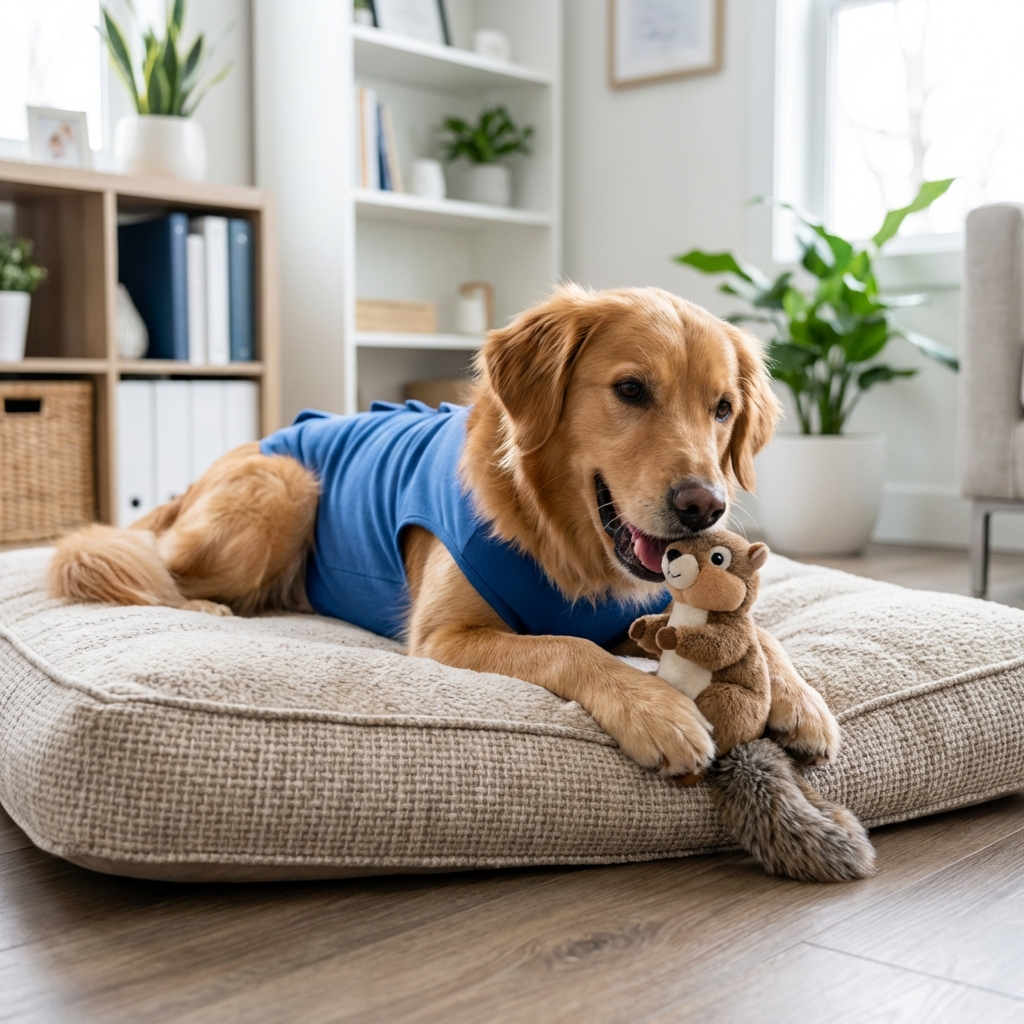
- Recovery suit: Great for calm dogs, but it must fit well and stay clean and dry.
If your dog is licking at all, use the cone 24/7, including overnight. If she can reach the incision for even a second, plan on the cone.
Activity restriction
Most spay complications I see are tied to “she seemed fine, so we let her run.” Internal sutures need time to strengthen.
For about 10 to 14 days
Follow your veterinarian’s timeline, especially if your dog had a recent heat cycle, was pregnant, or had any surgical complications.
- Leash walks for potty breaks only
- No running, jumping, wrestling, or rough play
- No off-leash time, even if your yard is fenced
- Stairs: Avoid if you can. If your vet says stairs are okay, keep them slow and on a leash. Carry small dogs when possible.
Keep your dog sane while resting
- Feed meals in a puzzle feeder that does not require bouncing or pouncing
- Scatter kibble in a snuffle mat (low movement, high sniffing)
- Short training sessions: sit, touch, name game, “find it” with treats on the floor
- Calm enrichment: stuffed KONG-style toy (ask your vet if your dog needs a special diet)
Bandages and stitches
Not every spay has a bandage. If your dog goes home with one, follow your clinic’s instructions exactly. In general, keep it clean and dry, do not let her chew it, and call your clinic if it slips, gets wet, has a bad smell, or your dog’s toes look swollen.
Some dogs have external sutures or staples that need removal, while others have dissolvable sutures under the skin. Many clinics schedule a recheck around 10 to 14 days. If you are not sure what your dog has, call and ask. It is a quick question and it matters.
Bathing and grooming
Keep the incision clean and dry. That usually means no baths, no swimming, and no muddy adventures until your veterinarian clears her.
- If she gets a little dirty, use a damp cloth on areas away from the incision.
- Avoid belly rubs and brushing that pulls on the skin near the incision.
When to call the vet
Trust your gut. If your dog seems “off,” it is always okay to call your clinic. Here are common red flags:
- Repeated vomiting or diarrhea
- Refusing water or signs of dehydration (sticky gums, lethargy)
- Collapse, extreme weakness, or pale gums
- Labored breathing or persistent coughing
- Incision opening, bleeding, or discharge
- Large swelling under the incision or a belly that looks suddenly enlarged
- Restlessness, crying, or pain that is not controlled
- Straining to urinate or not urinating by the next morning
If you took a rectal temperature and it is over 103°F, contact your veterinarian. (Warm ears and a warm nose are not reliable.)
If it is after hours, use your clinic’s emergency number or an emergency hospital. A quick phone call can save you a lot of worry and can protect your dog’s recovery.
Feeding during recovery
After surgery, your dog does not need a “special” diet unless your veterinarian recommends one, but she does benefit from simple, gentle nutrition and portion awareness.
- Keep meals smaller the first day if her stomach is sensitive.
- Prioritize hydration. Water matters more than a full meal the first night.
- Use treats wisely. If activity is restricted, cut back on calories from treats to prevent weight gain.
If your dog seems constipated, ask your veterinarian before adding supplements or home remedies. Some medications and diet changes can worsen tummy trouble if used at the wrong time.
Daily checklist
- Check incision morning and night
- Keep cone or recovery suit on at all times
- Give meds on schedule
- Leash potty breaks only
- Note appetite, water intake, energy, and bathroom habits
- Prevent jumping and rough play
Healing is a quiet process. If your dog is bored, you are probably doing it right.
FAQ
How long will my dog be swollen after a spay?
Mild swelling can be normal for a few days. It should not keep growing, feel hot, or ooze. If it does, call your vet.
Can my dog sleep without the cone?
If your dog can reach the incision, the cone should stay on overnight. Many dogs lick most when the house is quiet.
When can we go back to normal walks?
Most dogs need about 10 to 14 days of restricted activity, then a gradual return. Always follow your surgeon’s instructions, especially if your dog had a heat cycle recently, was pregnant, or had any complications.