A practical after-neuter care guide: what to expect, incision care, cone vs recovery suit, 7–14 day activity restrictions, calming enrichment, meds, and ve...
Article
•
Designer Mixes
After Neutering Dog Care Secrets

Shari Shidate
Designer Mixes contributor
As a veterinary assistant here in Frisco, Texas, I can tell you this: most dogs do beautifully after neutering. Neutering (also called castration) is a routine surgery, and the “secrets” are not fancy. They are the small, consistent choices you make at home in the first two weeks, especially pain control, incision protection, and calm rest.
Below is a warm but no-nonsense guide to help you feel confident from the moment you bring your pup home.
What to expect
Normal in the first 24 to 72 hours
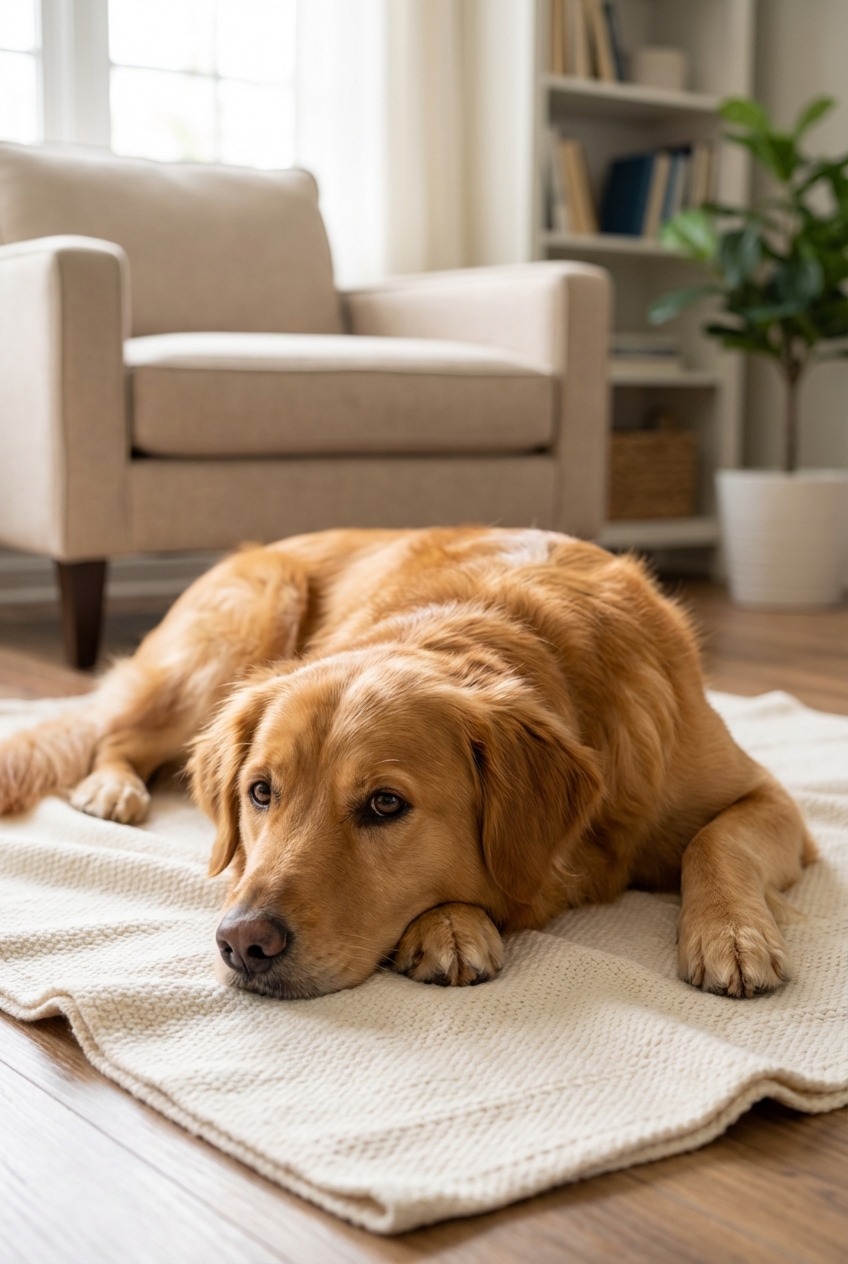
- Sleepiness and a slightly “off” vibe from anesthesia.
- Decreased appetite for one meal or a day, especially in the evening after surgery.
- Mild swelling around the incision or scrotal area.
- Mild bruising or a little redness right at the incision line.
- A tiny spot of dried blood on the skin can happen. Active bleeding is not normal.
- Occasional whining when settling, especially the first night.
Call your vet urgently if you see
- Bleeding that drips, keeps reappearing, or soaks the incision.
- Gaping incision, missing sutures, or tissue visible.
- Thick discharge, bad odor, or redness that is spreading outward.
- Hard, rapidly growing swelling in the scrotum or groin.
- Repeated vomiting, severe diarrhea, or refusal to eat beyond 24 hours.
Go to an emergency clinic now if you see
- Collapse, pale gums, trouble breathing, or extreme lethargy.
The biggest red flag is a wound that looks worse each day instead of calmer and drier.
First 24 hours
Set up a recovery space
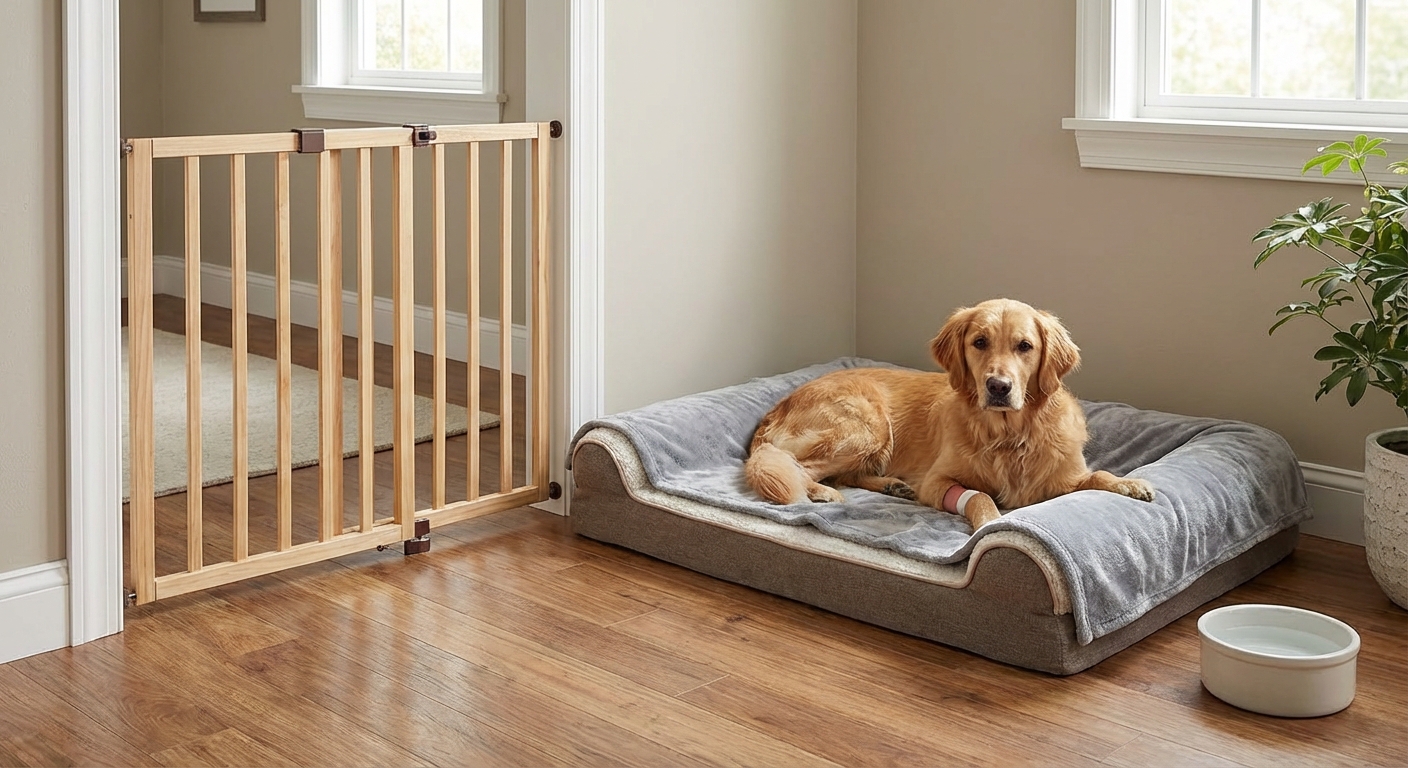
Choose a quiet room with easy-to-clean floors and no furniture your dog can launch off. Provide a soft bed, water nearby, and low lighting. Keep the temperature comfortable, since some dogs feel chilled after anesthesia.
Food and water
Unless your vet gave different instructions, offer small sips of water first. If that stays down, offer a small meal. Many clinics recommend about half the normal dinner portion the first night.
- Skip rich treats, bones, and new foods for a few days.
- If your dog is ravenous, still keep portions reasonable. Anesthesia can make them nauseated later.
Bathroom breaks
Leash-only potty breaks. Keep it boring and short. Your dog may urinate less the first evening or morning. That can happen after anesthesia, but not urinating at all is not something to wait on.
- As a general rule, call your clinic if your dog has not peed within 12 to 24 hours of coming home, or sooner if they are straining or uncomfortable. Your vet may give you a more specific timeline for your dog.
Pain control matters
This is one of the biggest “secrets” to smooth healing. Dogs who feel uncomfortable tend to lick, pace, jump, and strain. Dogs with good pain control rest and heal.
Follow the prescription
- Give medications on schedule, including overnight doses if directed.
- Ask whether meds should be given with food.
- If your dog seems painful before the next dose, call your vet. Do not double doses unless told.
Do not use human pain meds
Ibuprofen and naproxen can be dangerous for dogs. Acetaminophen can also be dangerous if dosed incorrectly. Only give these if your veterinarian specifically prescribed and dosed them for your dog. If you are worried your dog is hurting, the safest move is a quick call to your clinic for guidance.
Incision care
Look twice a day
Morning and evening, gently part the fur and take a quick look. You are looking for a clean, dry incision with mild redness right at the line, not spreading.
Keep it dry
- No baths, swimming, or muddy play until your vet clears it.
- If your dog gets damp, pat around the area gently with a clean towel. Do not scrub.
The cone is your best friend
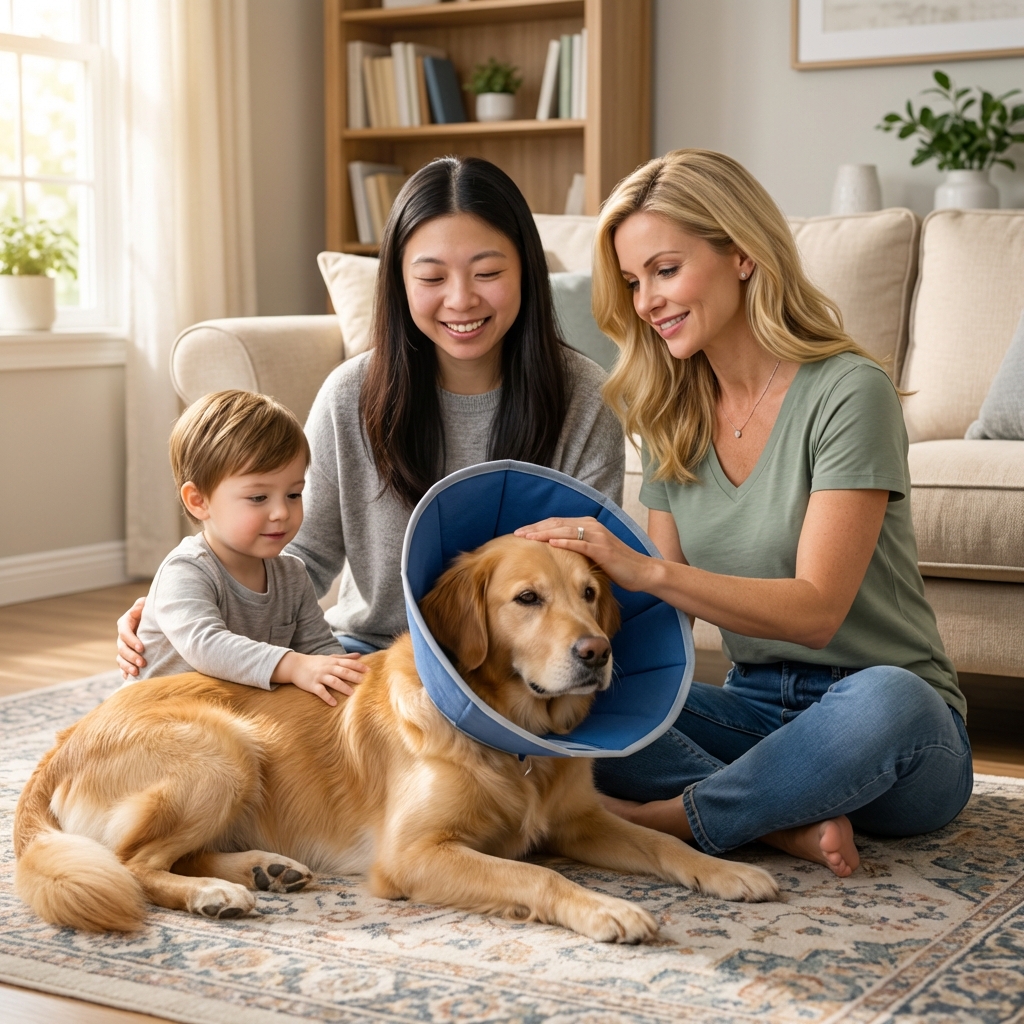
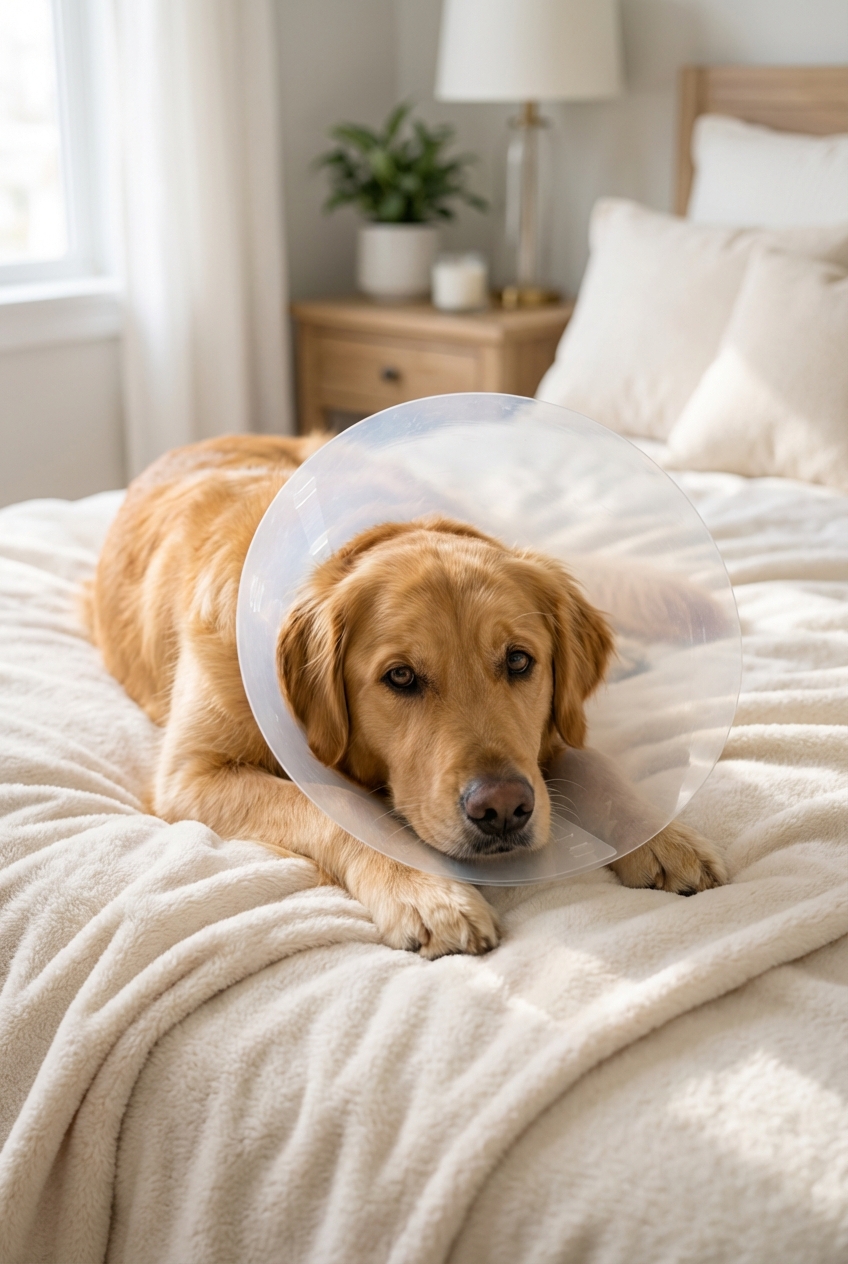
Licking is the fastest way to turn a simple neuter into a complication. If your dog can reach the incision, use an e-collar or recovery suit exactly as directed.
Also, remember that other pets can lick, too. If you have a second dog that likes to “help,” keep them separated unless you can actively supervise.
Skip ointments unless told
Many incisions are sealed with tissue glue or buried sutures. Adding ointment can trap moisture and encourage licking.
Activity restriction
Neuter incisions often look small, but the tissues underneath still need time to seal and strengthen. Too much activity can cause swelling, bruising, or a fluid pocket called a seroma.
How long
Most dogs need 10 to 14 days of restricted activity, or longer if your veterinarian says so.
What “restricted” means
- Leash walks only for potty breaks, then short calm walks if allowed.
- No running, wrestling, dog parks, daycare, or rough play.
- No stairs if you can avoid them. If not, slow and leashed.
- No jumping on and off beds or couches. Use floor bedding or ramps.
Calm enrichment
- Food puzzles that do not encourage frantic movement.
- Sniffing games like scattering kibble in a snuffle mat.
- Short training sessions: sit, touch, look, settle.
If your dog is high-energy, ask your vet about safe calming options. Sometimes a temporary sedative is kinder than repeated “no, no, no” all day long.
Return to normal exercise
Once your vet clears your dog, increase activity gradually. Think short, calm walks first, then longer walks over several days. Surgical technique and incision location can vary, so your clinic’s instructions always win.
Swelling and scrotal changes
Some male dogs, especially larger or more active ones, can have noticeable scrotal swelling after surgery. Mild swelling can be normal. Big, tense swelling that keeps increasing is not.
At-home help (only if your vet approves)
- Keep activity restricted. This is the number one fix.
- Use an e-collar to prevent licking, which increases inflammation.
- Ask your clinic if a cold compress is appropriate. If approved, use a wrapped cold pack (never direct ice) for about 5 to 10 minutes, and stop if your dog resists or the skin looks irritated.
Always call your vet if you are unsure. It is better to ask early than wait until day five when swelling is impressive and uncomfortable.
Poop, appetite, hydration
Constipation can happen
Anesthesia, pain meds, and reduced activity can slow the gut. If your dog strains, produces very hard stools, or goes more than 48 hours without a bowel movement, call your vet for next steps.
Watch for dehydration
Make water easy to access, and consider adding a little warm water to meals if your dog tolerates it. Gums should be moist, not tacky.
Keep meals simple
Stick with your dog’s normal diet unless your clinic advised a bland diet. Sudden food changes plus surgery can equal tummy trouble.
Recovery timeline
Days 1 to 3
- Sleepiness, lower appetite, and mild swelling can be normal.
- Focus: pain meds, cone, calm.
Days 4 to 7
- Many dogs feel much better and want to act normal.
- This is when setbacks happen from running, jumping, or licking.
- Focus: keep restrictions even if your dog seems “fine.”
Days 8 to 14
- Incision should look dry and quiet.
- Swelling should be improving, not increasing.
- Focus: finish the full restriction period and attend recheck if scheduled.
Healing is not just skin-deep. The outside can look great while deeper tissues still need protection.
Recheck and stitches
Many neuters use absorbable sutures under the skin, so you may not see stitches at all. Some dogs do need suture or staple removal, often around 10 to 14 days. If your clinic scheduled a recheck, keep it, even if everything looks perfect. That visit is where we catch small issues early.
Behavior changes
Neutering can reduce hormone-driven behaviors like roaming and some types of marking. It does not erase training needs or instantly calm every dog.
- Short term: Some dogs are clingier or more sensitive for a few days after surgery. That is normal.
- Long term: If you want better manners, pair recovery time with gentle training and predictable routines.
Nutrition after neutering
After neutering, calorie needs can drop in some dogs. That means weight gain can sneak up quickly if portions stay the same. The goal is not to diet during recovery. The goal is to avoid overfeeding while activity is restricted.
Simple tips
- Measure food for 2 weeks instead of free-feeding.
- Use part of the meal as training treats.
- Choose single-ingredient treats like freeze-dried meat in tiny pieces.
- If your dog is already a little fluffy, ask your vet when to transition to a weight-management plan.
If you are interested in homemade, whole foods, recovery is a great time to start slowly and gently. Just avoid abrupt changes right after surgery.
Quick checklist
- Medications given exactly as prescribed.
- E-collar or recovery suit on anytime you cannot supervise.
- Two incision checks daily.
- Leash-only potty breaks and calm activity for 10 to 14 days.
- No baths or swimming until cleared.
- Keep other pets from licking the incision.
- Call your vet early if anything looks off.
You have got this. Most post-neuter problems come from one thing: doing too much too soon. Calm, consistent care is the real secret.