A compassionate guide to end-of-life signs in dogs—appetite changes, weakness, breathing issues, pain, and more—plus comfort care tips, quality-of-life c...
Article
•
Designer Mixes
After a Dog Dies at Home: What to Do First

Shari Shidate
Designer Mixes contributor
First, I am so sorry. When a dog dies at home, it can feel surreal, and it is common to freeze or second-guess what you are seeing. In those first minutes, your job is simple: check whether your dog may still be alive, keep everyone safe and calm, and then decide who you want to call next.
Step 1: Check if your dog may still be alive
If there is any chance your dog is still alive, treat it as an emergency. Call an emergency veterinarian right away and describe what you see. If you are unsure, it is always okay to call.
Signs your dog may have passed
These checks can be helpful for a non-professional, but they are not definitive. Weak breathing, a faint pulse, cold temperatures, or the dying process can make things hard to interpret.
- No breathing movement for at least a full minute.
- No heartbeat you can feel when your hand is placed on the left side of the chest behind the elbow.
- Eyes are open and do not blink when gently touched.
- Body becomes very still, and the jaw may be slack.
- Urination or defecation can happen at the moment of death.
Dogs can also have reflexive gasps (sometimes called agonal breathing). These can happen after death, or during the dying process. If you see any gasping, twitching, or you have any doubt at all, call an emergency vet immediately.
If you think your dog is still alive
- Call an emergency vet and ask if they want you to start CPR while you travel.
- Do not put yourself at risk. A frightened or painful dog can bite, even if they are normally gentle.
Step 2: Create a calm, private space
Once you believe your dog has passed, the next thing to do is protect the moment and reduce stress for everyone in the home.
- Move children to a quiet room with a trusted adult.
- Keep other pets away at first so you can focus. Then you can decide whether to let them sniff and understand what happened.
- Dim the lights, lower noise, and take a few slow breaths.

Step 3: Call for help
You do not have to handle this alone. Choose the option that feels most supportive right now.
- If your dog was ill or elderly: call your regular veterinarian. Many clinics can guide you through next steps or refer you to a local cremation service.
- If it was sudden or traumatic: call an emergency vet or a pet aftercare service for immediate instructions.
- If you need someone with you: call a friend or family member who can arrive quickly and help you think clearly.
If you suspect poisoning, a bite, or something dangerous in the environment, mention that immediately when you call. If there are other pets in the home, separate them from any suspected toxin or hazard. Also secure medications, treats, plants, chemicals, or pest products so no one else can access them.
Step 4: Care for the body for now
This part is tender and practical at the same time. There is no single “right” way. The goal is to keep your dog in a cool, respectful place until you can transport them or arrange pickup.
Positioning and a clean layer
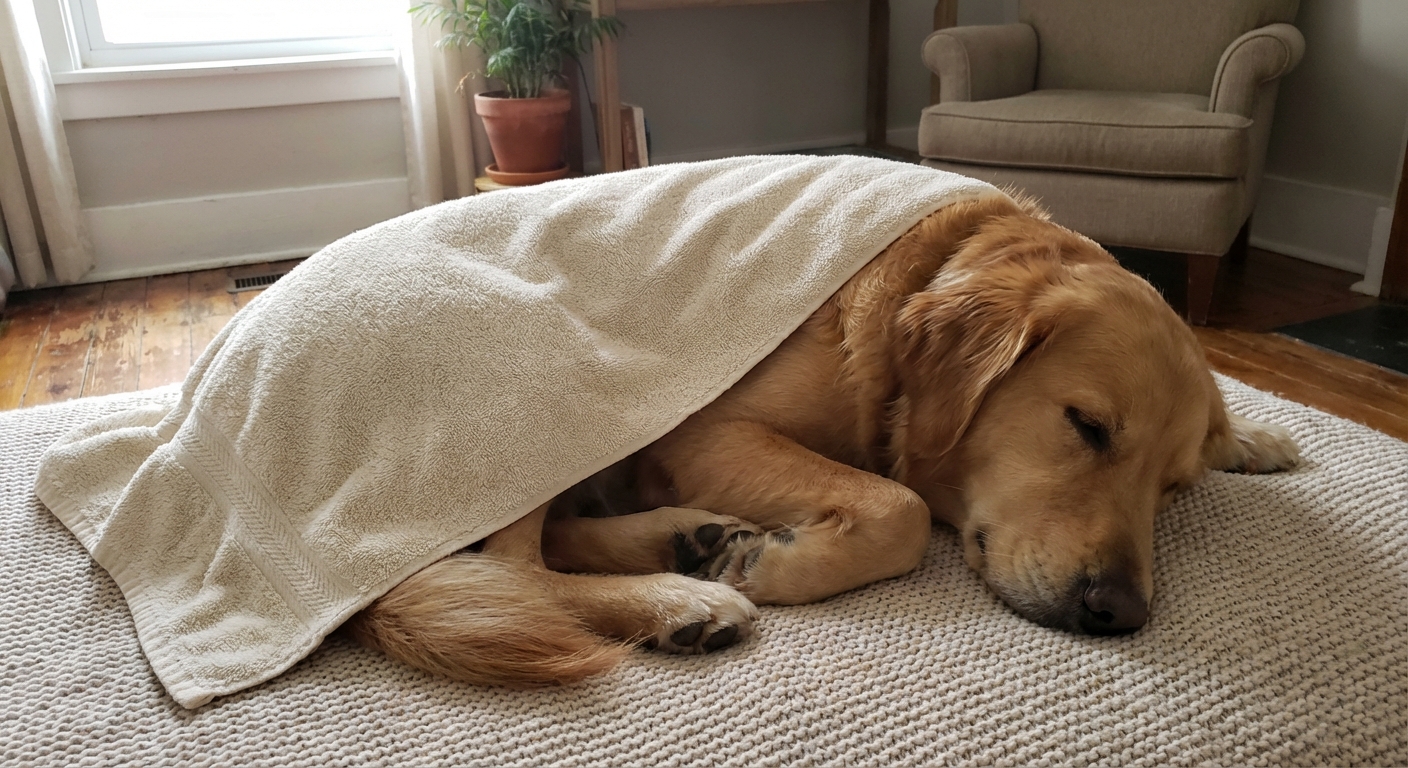
- Place your dog on a towel, blanket, or sheet in a comfortable, natural position.
- If there is any urine or stool, gently clean what you can and place an absorbent pad or towel under the hips.
- Close the eyes if they remain open, if it feels right to you.
What changes to expect
It can help to know what is normal. In the hours after death, the body may become stiff (rigor mortis), the bladder or bowels may release, and you may notice small amounts of fluid from the nose or mouth. These changes can be upsetting, but they are not your fault and do not mean you did anything wrong.
Cooling matters
After death, the body begins to change. Keeping your dog cool can give you more time and makes transport easier.
- If possible, move your dog to the coolest room in the house.
- In warm weather, place sealed ice packs near the abdomen and chest, with a thick towel between the packs and your dog.
- Do not place ice packs directly against skin. The goal is cooling, not freezing.
Timing note: Many families aim to arrange aftercare within several hours, sooner if the room is warm. If you cannot make arrangements right away, call an emergency vet or pet aftercare provider and ask about safe short-term options.
Collar, tags, and keepsakes
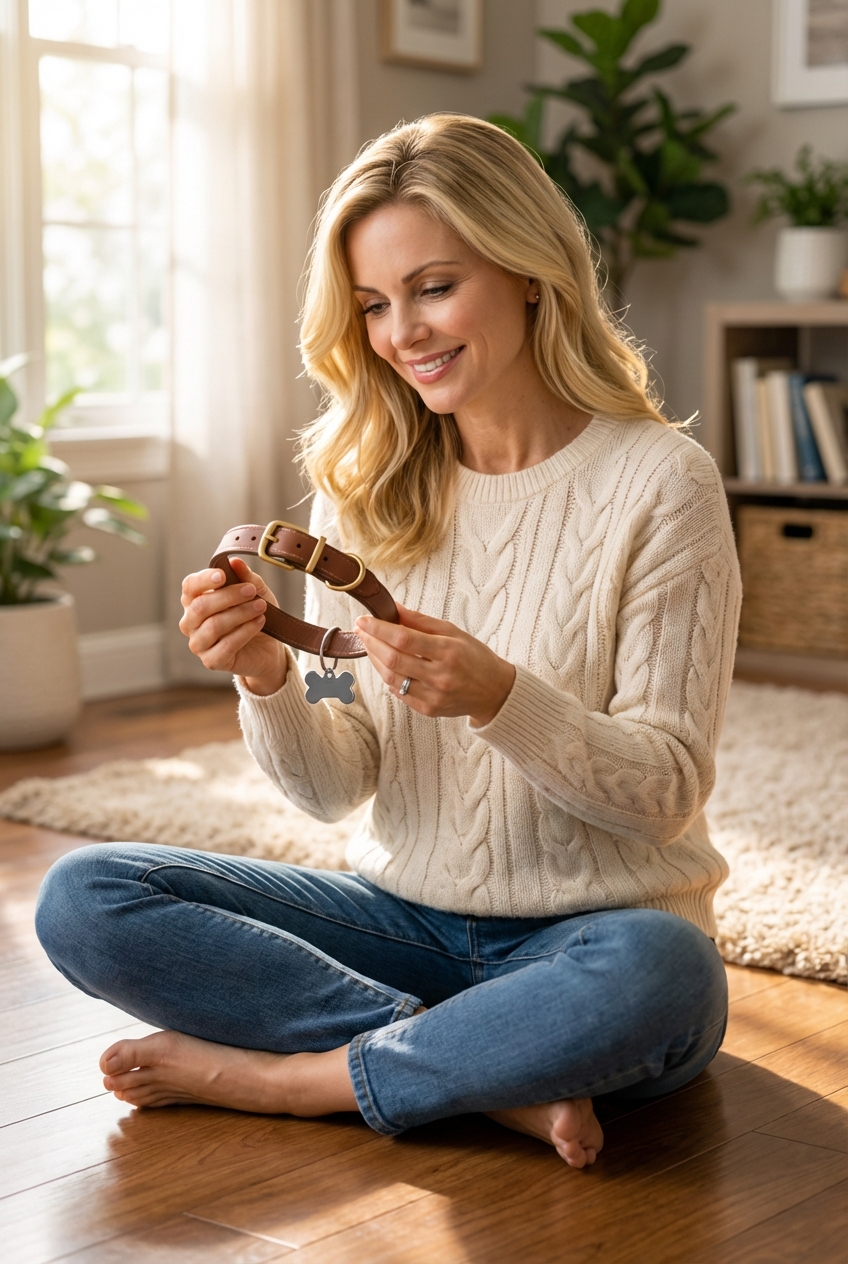
- If you want to keep the collar, ID tags, or harness, remove them now and set them somewhere safe.
- If you are unsure what your aftercare provider prefers, ask when you call. Some services return items; others request they be removed.
- If it feels meaningful, you can take a paw print photo or clip a small lock of fur.
If your dog is too large to move alone
- Ask someone to come help you. Protect your back and do not force a lift by yourself.
- You can gently roll your dog onto a sheet or blanket, then use it like a sling with two people.
- If you cannot move them right away, keep the room cool and call a vet clinic or pet aftercare service for guidance.
Step 5: Choose aftercare
It can help to decide one simple thing at a time. You can ask your veterinarian or a pet aftercare service to explain local options and costs.
Cremation
- Private cremation: your dog’s ashes are returned to you.
- Communal cremation: ashes are not returned.
- Many services offer pickup from your home or from your vet clinic.
Home burial (only where legal and safe)
Rules vary by city and county. If you rent, you may also need landlord permission. Before burying at home, check local ordinances and consider groundwater safety.
- Choose a location away from wells, streams, or vegetable gardens.
- Follow local guidance on depth. Many areas recommend roughly 3 to 4 feet of soil cover, but soil type and regulations vary.
- Avoid wrapping in plastic. A natural fiber blanket is often preferred when allowed.
When to contact a vet or authorities
If you have not already called, this is a good time to reach out. These situations deserve prompt guidance.
- Your dog died unexpectedly and you want guidance on possible causes.
- There is any chance of toxin exposure, and you have other pets in the home.
- You are considering a necropsy to understand what happened. Ask quickly, because timing affects results.
- Your dog bit someone right before death, or there are rabies concerns. Call a veterinarian for guidance and contact local public health or animal control for next steps in your area.
Helping children and other pets
Children
Clear, gentle language is best. Avoid phrases like “went to sleep,” which can create fear around bedtime.
- Try: “Her body stopped working, and she died. We are safe. It is okay to feel sad.”
- Offer a small choice: drawing a picture, picking a favorite photo, or placing a flower by the blanket.
Other pets
Some pets benefit from seeing and sniffing the body. Others become distressed. If you choose to allow it, keep it short and supervised.
Transport tips (if needed)
- Protect your car with a tarp, contractor bag, or layered blankets.
- Place absorbent pads or towels under the hips and abdomen.
- If you used ice packs, keep them wrapped and positioned near the body, not directly on skin.
A few next steps for you
In veterinary medicine, we talk a lot about the medical side of death, but the human side matters just as much. You do not need to be “strong” today. You need to be supported.
- Write down what happened while it is fresh, especially if the death was sudden and you will speak with a vet later.
- Drink water, eat something small, and ask a friend to come sit with you if you can.
Grief after pet loss is real grief. The love was real, so the loss is real too.
Quick checklist
- If there is any doubt your dog is alive, call an emergency vet right away.
- Move to a quiet space. Separate other pets if needed.
- Call your veterinarian or a pet aftercare service.
- Place your dog on a blanket or sheet and keep the body cool.
- Remove collar and ID tags if you want to keep them, and keep hazards and medications away from other pets.
- Choose aftercare: private cremation, communal cremation, or legal burial.