
Adopting a Dog as an Older Adult

As a veterinary assistant here in Frisco, Texas, one of my favorite conversations is with older adults who are thinking about adopting. The right dog can add structure, comfort, and laughter to your day. And you do not need a "perfect" home to be a perfect match. You just need the right fit and a plan for the first few weeks.
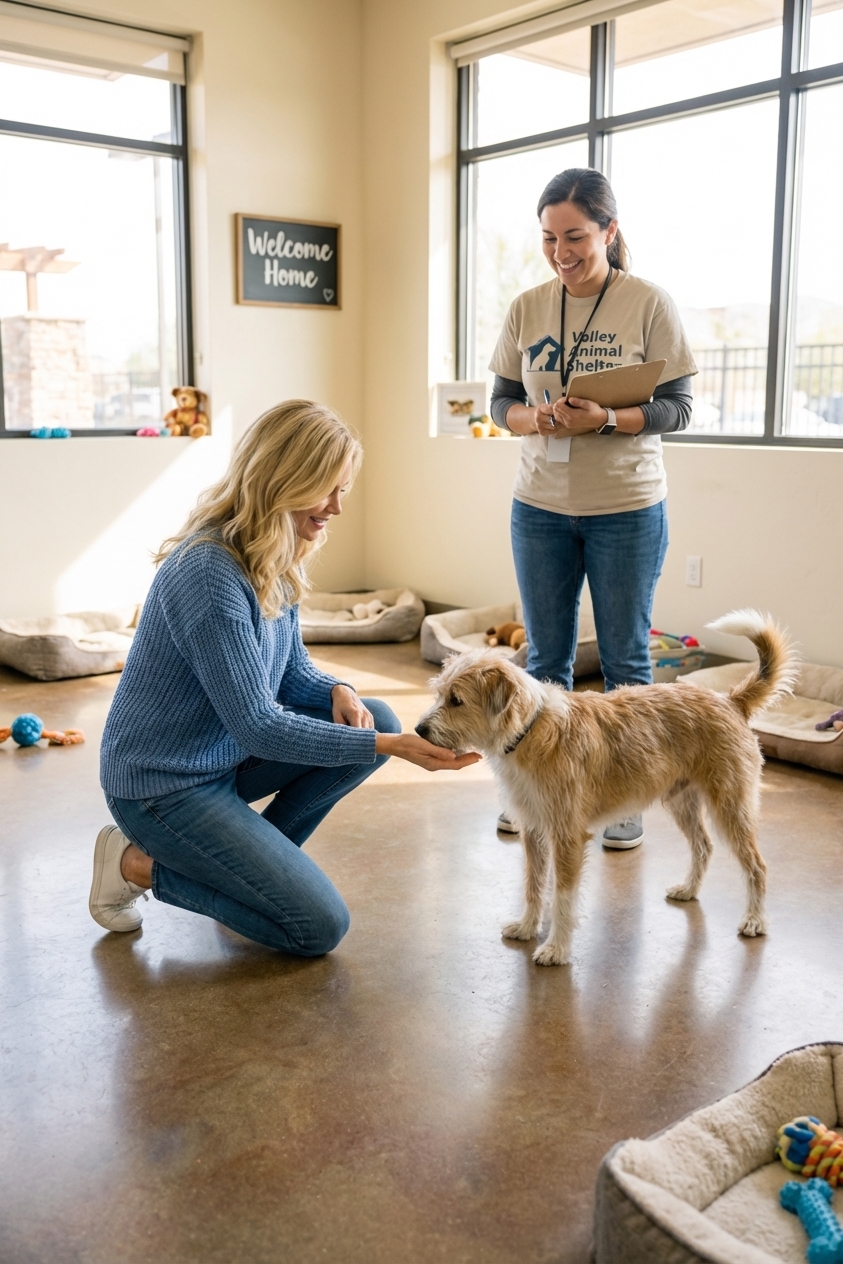
This article focuses on adoption pathways, temperament matching, and practical fit checks, plus what the first month usually looks like. No breed rankings. Just real-world steps that help adoptions stick.
Why adopt later in life
Companionship is the obvious benefit, but it is not the only one. Many older adopters tell me they feel more anchored day to day once a dog comes home.
- Healthy routine: Feeding times and potty breaks naturally add structure.
- Gentle movement: Even short walks and backyard time can increase daily activity.
- Social connection: Dogs are conversation starters with neighbors, friends, and family.
- Purpose and mood support: Caring for an animal can ease loneliness and boost well-being.
Just as important, adoption can be a beautiful second chance for a dog that may have been overlooked. Senior dogs, in particular, often settle in quickly and are already past the intense puppy phase.
Senior-to-senior programs
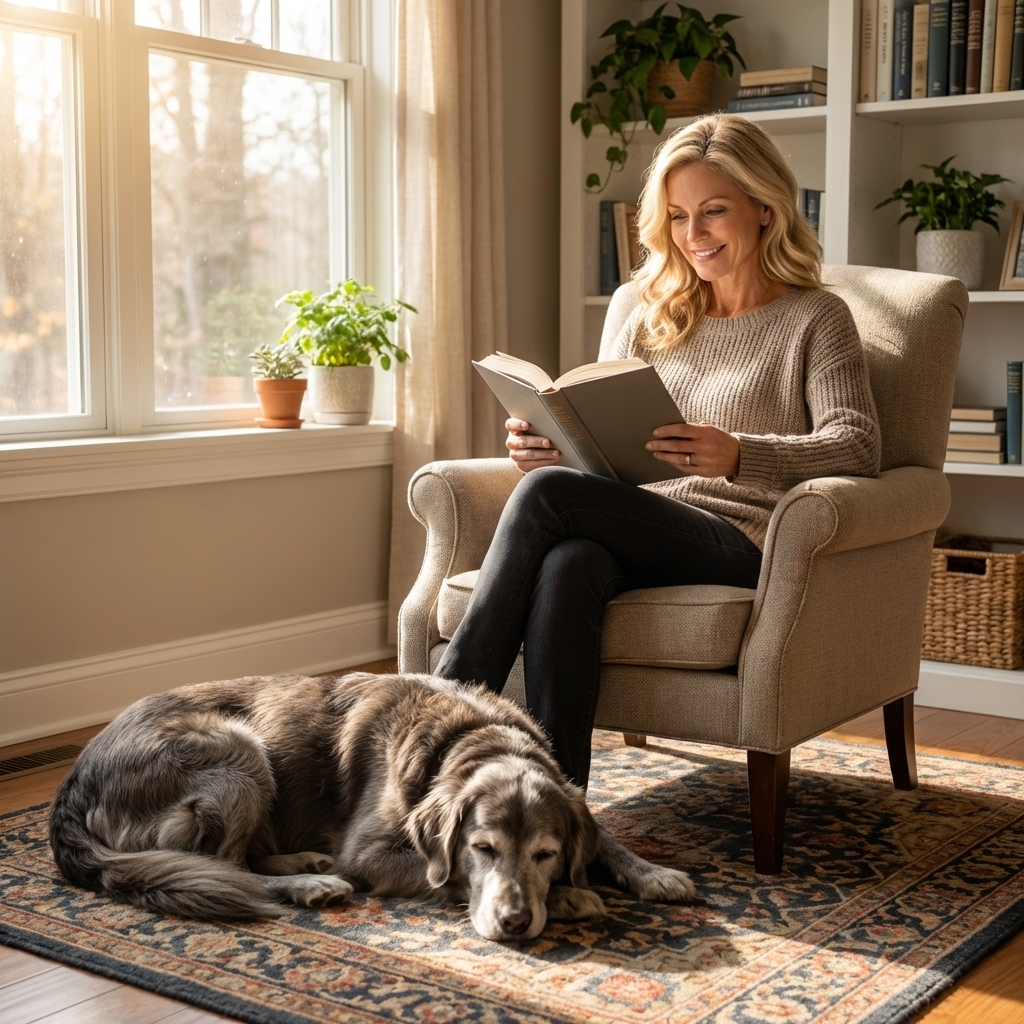
Many shelters and rescues run programs designed to match older adults with older pets. Names vary by organization, but you may see terms like Senior-for-Senior, Golden Paws, or Seniors Saving Seniors. These programs are popular because they can make adoption easier and improve long-term success for both people and pets.
Common perks
- Reduced adoption fees for adopters over a certain age and/or adopting dogs over a certain age.
- Medical support such as vaccines included, or vouchers for future care.
- Behavior support from a trainer or counselor during the transition.
- Foster-to-adopt trials so you can confirm the fit before finalizing.
- Senior pet starter kits like a bed, leash, food, or medications that the dog is already on.
How to find them
- Search your local municipal shelter website for “senior” and “program.”
- Call rescues directly and ask, “Do you have a senior-to-senior program or reduced fees for older adopters?”
- Ask your veterinarian’s office if they know local rescues with these programs.
If a shelter does not have a formal program, ask anyway. Many will still reduce fees for senior dogs or offer support when they hear your situation. In North Texas, that often includes DFW-area rescues and city shelters that can point you toward low-cost vaccine clinics and senior-focused adoption events.
Temperament matching
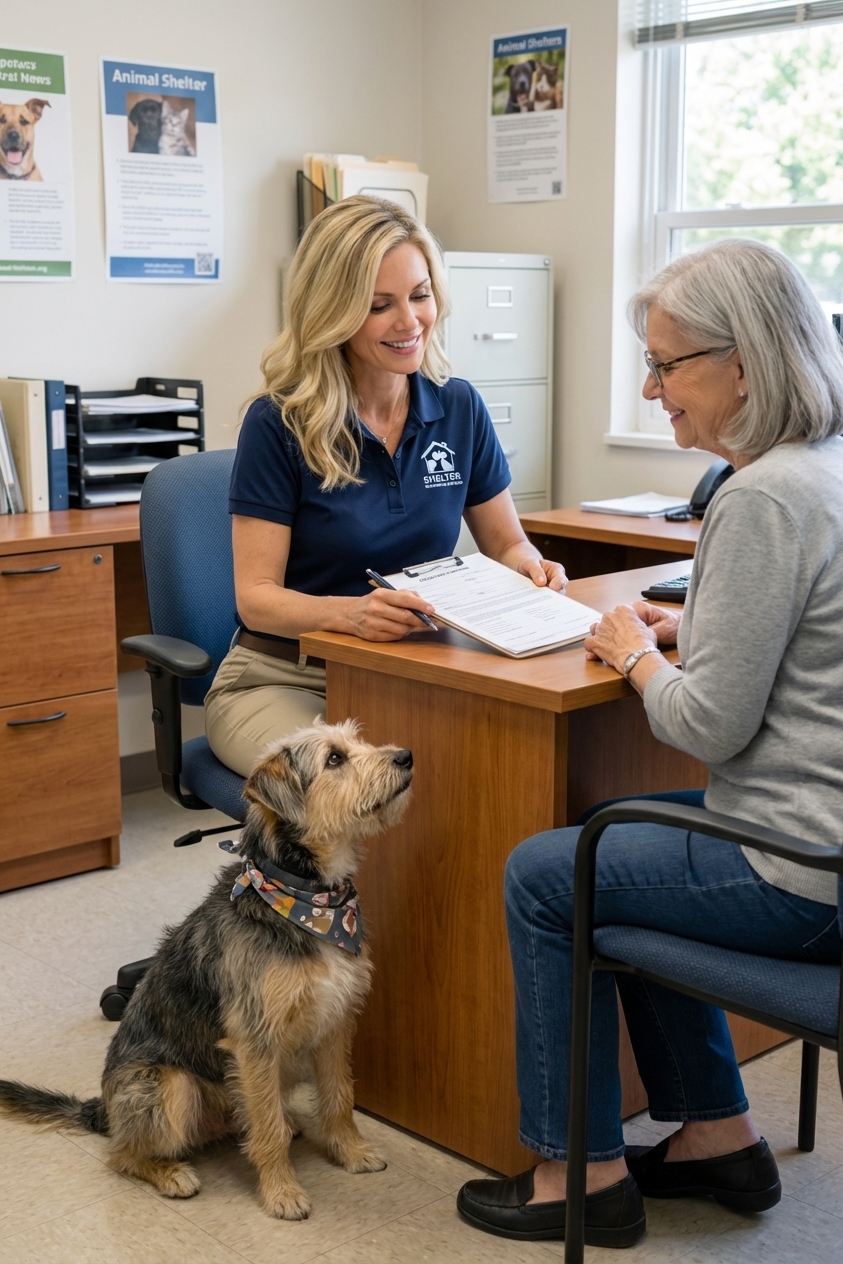
When people ask me, “What dog is best for seniors?” I gently reframe it: What temperament fits your daily life? Temperament is often more important than coat type or age. That said, size and strength still matter for safety, especially if you have any fall risk or shoulder or hand issues. A calm dog who also feels physically manageable is usually the sweet spot.
Traits that often fit well
- People-oriented and steady: Seeks affection but can relax independently.
- Lower to moderate energy: Enjoys walks but does not require intense exercise.
- Comfortable with handling: Tolerates gentle brushing, nail trims, and vet checks.
- Predictable around visitors: Not overly reactive to doorbells and new faces.
- House-trained or close: Fewer surprises during the first month.
Questions to ask
- How does the dog do when left alone for 1 to 4 hours?
- How does the dog respond to strangers entering the home?
- Any signs of separation anxiety, noise sensitivity, or reactivity on leash?
- What is the dog like during handling: paws, ears, brushing, being picked up?
- Has the dog lived with cats or other dogs, and what was that like?
Many shelters do informal assessments, foster reports, and “meet and greets.” If the dog is in a foster home, that feedback is gold because it reflects real-home behavior.
Fit checks
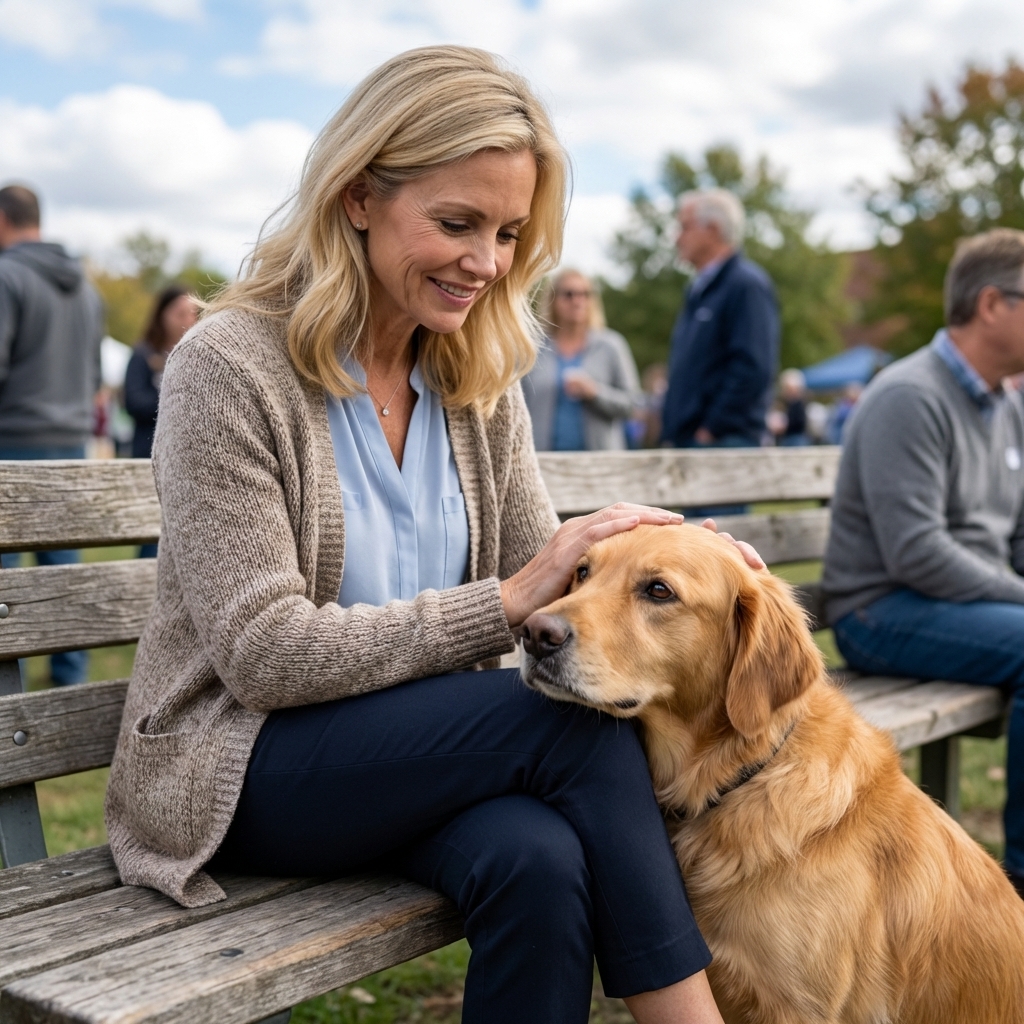
Fit checks are not about judging your home. They are about setting you both up for an easier transition.
Home and mobility
- Stairs: If you have stairs, consider a dog that can safely manage them, or plan for ramps and gates.
- Flooring: Senior dogs can slip on tile or wood. Rugs and runners help.
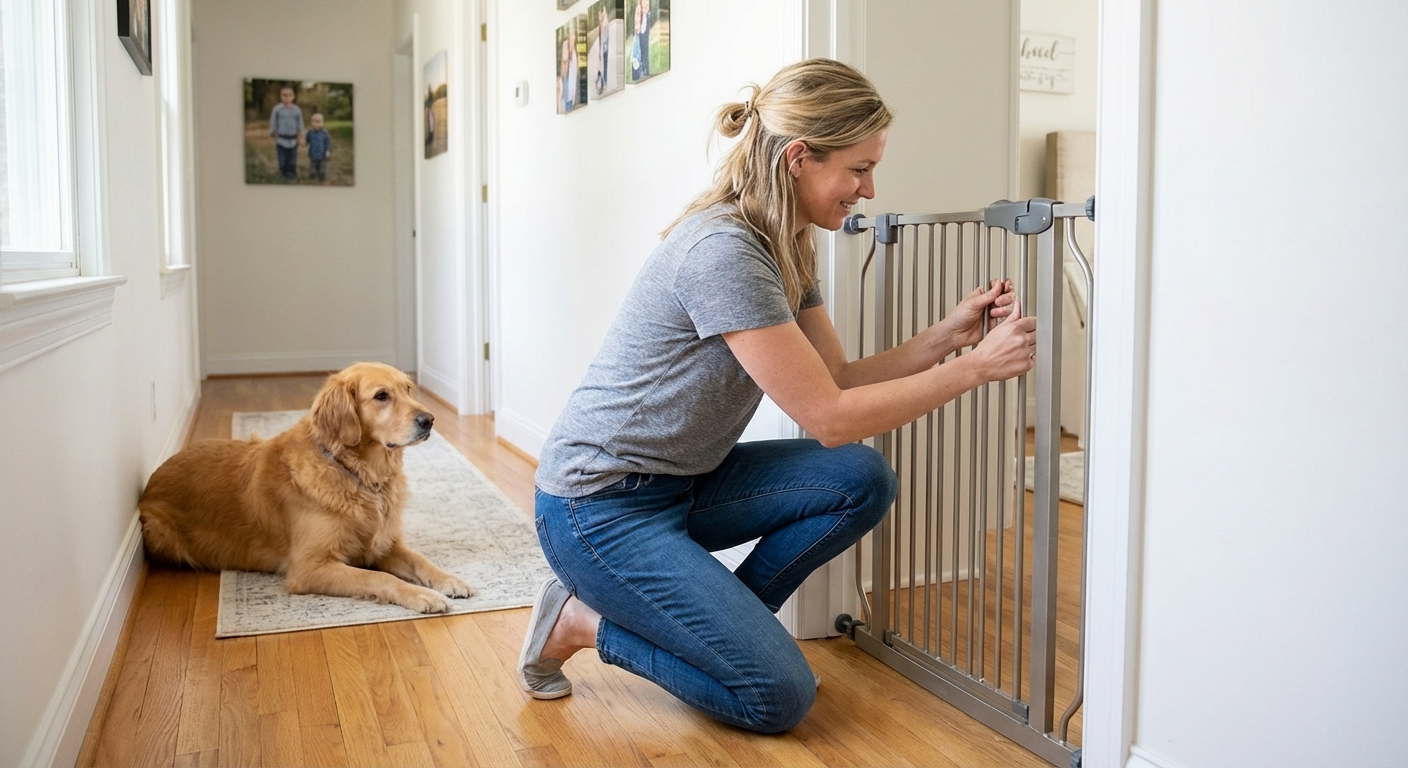
- Entryways: If the dog is a door-darter, you may need a baby gate or a secure foyer routine.
- Yard: A fenced yard is helpful but not required. A leash plan works well too.
Lifestyle
- Your schedule: Dogs usually do best with predictable meal and potty timing.
- Travel and appointments: Who can help if you are away longer than expected?
- Energy match: Be honest about daily walking ability. A calm dog can be a perfect companion.
- Grooming tolerance: If frequent brushing is tough, choose a coat that is easier for you to manage and budget for grooming help.
Financial
Adoption fees are just the start. Plan for monthly basics and the occasional surprise.
- Food, treats, heartworm and flea and tick prevention
- Routine vet care and vaccines
- Dental care, especially for small dogs and seniors
- Emergency fund or pet insurance if it fits your budget
A helpful heads-up if you are considering insurance for an older dog: many pet insurance plans do not cover pre-existing conditions, and some have waiting periods. If you are unsure, ask the insurer to explain what counts as pre-existing before you enroll.
If cost is a concern, ask shelters about low-cost clinics, vaccine events, and senior program support. Many communities have resources that make pet care more manageable.
Older dog vs younger dog
Plenty of older adults love raising a puppy, but puppies are physically demanding. They bite, they chew, and they need frequent potty breaks. Adult and senior dogs often come with built-in training and a calmer baseline, which can be a better match for many homes.
Senior dogs: gentle truths
- They may already be house-trained.
- They often want what you want: calm companionship and a cozy routine.
- They can have medical needs: arthritis, dental disease, or chronic conditions that require regular monitoring.
From a veterinary assistant perspective, I always recommend a post-adoption wellness exam within the first week or two, especially for older dogs. It helps you start with good information and a care plan.
One more practical note: while this guide does not do breed rankings, it is fair to say some dogs are stronger pullers or have higher exercise needs. That is exactly why individual temperament and leash manners should be part of your screening.
The first month
Many adoptions struggle because people expect instant comfort and perfect behavior. In reality, a dog is decompressing from a big change. A simple, steady plan can prevent a lot of stress.
Week 1: decompress
- Keep it quiet: Limit visitors and big outings at first.
- Start a routine: same feeding times, same potty schedule, same sleep space.
- Use a safe zone: a crate or gated area with bed, water, and a chew.
- Watch appetite and stool: mild changes can be normal, but diarrhea, vomiting, or refusal to eat for 12 to 24 hours should prompt a call to your veterinarian. Call sooner for small dogs, senior dogs, or any dog with chronic disease.
Week 2: bond
- Short, predictable walks in low-traffic areas.
- Reward calm behavior and check-ins with small treats.
- Introduce grooming slowly, one minute at a time if needed.
Week 3: expand
- Add one new experience at a time, like a new walking route.
- Practice simple cues: sit, touch, wait.
- Assess alone-time comfort in small steps.
Week 4: settle in
- Try a calm visit with a friend or family member.
- Confirm a long-term care routine: grooming, nail trims, preventives, and vet schedule.
- If challenges persist, ask for help early: a trainer, your shelter, or your vet team.
Tip from the clinic: if your new dog seems "perfect" the first few days and then starts acting more restless or vocal, that is often normal. As they feel safer, their true personality comes out. That is a good sign, not a failure.
Comfort and safety upgrades
A few small changes can protect your body and your dog’s joints and confidence.
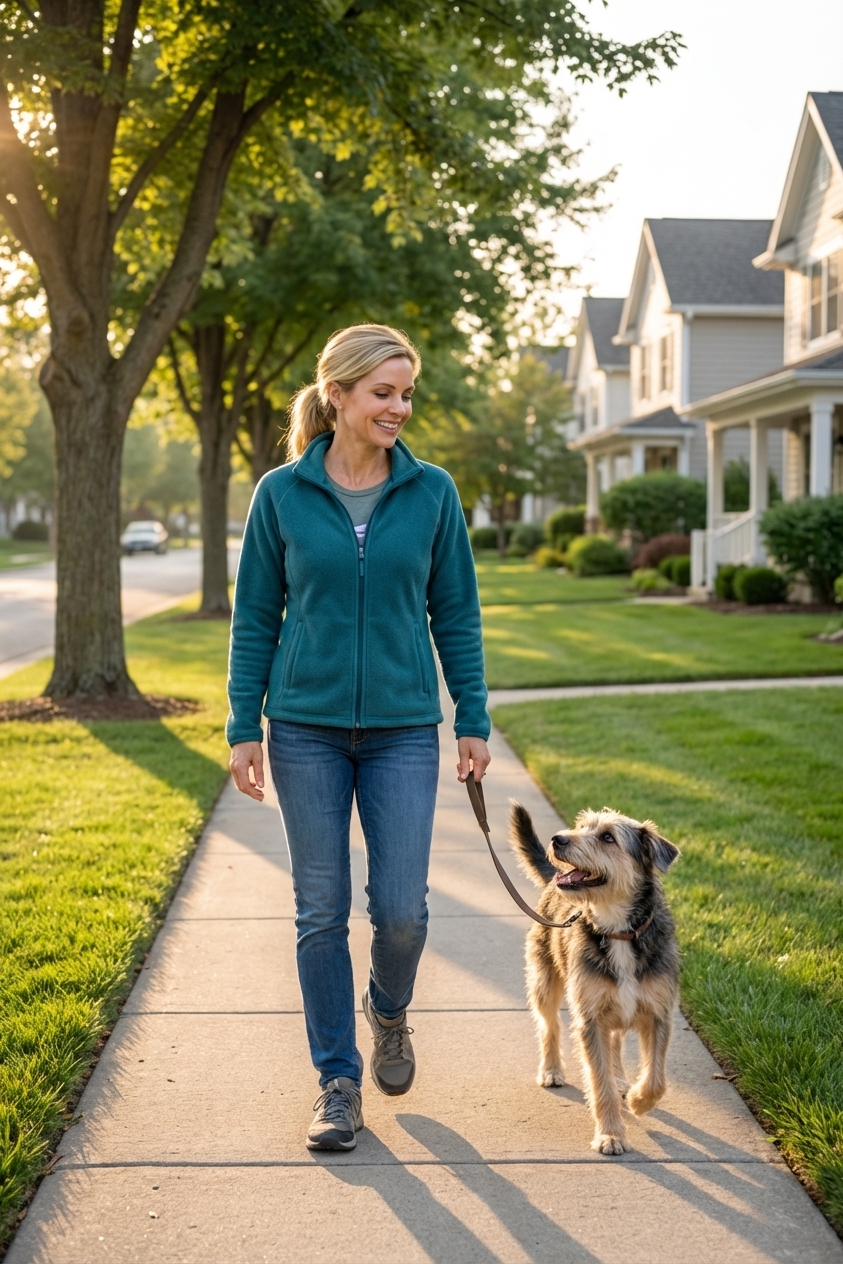
- Harness over collar: Often easier on hands and shoulders, and safer for the dog’s neck.
- Non-slip rugs: Helps senior dogs feel stable.
- Raised bowls (only if recommended): Not a universal must. Some dogs benefit for comfort, such as certain orthopedic or neck issues, but your veterinarian can advise based on your dog’s health and body shape.
- Night lights: Helpful for both humans and dogs during late potty trips.
- Medication organizer: Great if your dog takes daily meds.
- Helpful tools: hands-free leash or waist belt, treat pouch, long-handled poop scooper, and a ramp into the car if lifting is hard.
If you have any concerns about falls, ask the shelter about dogs that walk politely on leash. A strong puller can be retrained, but it is safer to start with a dog whose leash manners already match your comfort level.
Back-up plans
This is the part people mean to do later and then forget. If you were sick or hospitalized unexpectedly, who would care for your dog?
- Pick one or two back-up caregivers and confirm they truly can step in.
- Write down your dog’s feeding schedule, medications, veterinarian info, and any behavior notes.
- Keep a spare key plan and an emergency contact card in your wallet.
It is not pessimistic. It is loving, and it makes day-to-day life feel lighter.
When to pause
Sometimes love is immediate, and sometimes it takes time. Still, there are a few situations where you should reach out right away for support.
- Repeated growling, snapping, or guarding food and toys
- Severe separation anxiety causing self-injury or property damage
- Persistent diarrhea, vomiting, coughing, or lethargy
- Overwhelming pulling on leash that feels unsafe
Contact the shelter or rescue and your veterinarian. Early help can turn a hard start into a long, happy relationship.
Adoption checklist
- Your realistic daily schedule and walking ability
- Names of medications in your household (important if a dog gets into them)
- Questions about temperament, alone time, handling, and leash manners
- A plan for veterinary care within 7 to 14 days
- A back-up helper for emergencies or appointments
You do not have to do this perfectly. You just have to do it thoughtfully. When temperament, lifestyle, and support line up, adopting a dog as an older adult can be one of the most life-giving choices you make.