Understand Addison disease (hypoadrenocorticism) in dogs: common symptoms, emergency Addisonian crisis red flags, how vets diagnose it, and long-term treatme...
Article
•
Designer Mixes
Addison’s vs. Cushing’s in Dogs

Shari Shidate
Designer Mixes contributor
As a veterinary assistant, I have seen how stressful it can be when your dog’s symptoms do not neatly fit into one box. Addison’s disease and Cushing’s disease are two endocrine (hormone) disorders that are commonly confused because they can both cause vague, whole-body signs like lethargy and appetite changes.
Here is the reassuring part: these conditions are driven by generally opposite cortisol patterns, and with the right testing, your veterinarian can usually sort them out. This guide will walk you through what is similar, what is different, and what the next steps typically look like.

Big picture
Addison’s disease (hypoadrenocorticism)
Addison’s happens when the adrenal glands do not produce enough hormones, especially cortisol and often aldosterone.
- Cortisol helps the body handle stress, regulate blood sugar, and support normal gut function.
- Aldosterone helps maintain healthy sodium and potassium levels and supports blood pressure and hydration.
When these hormones are too low, dogs can have intermittent “off” days, digestive upset, and in severe cases a dangerous crash called an Addisonian crisis.
Cushing’s disease (hyperadrenocorticism)
Cushing’s is usually the opposite cortisol problem: the body has too much cortisol over time. Most commonly, it is caused by:
- Pituitary-dependent Cushing’s (most common): the pituitary gland signals the adrenals to make excess cortisol.
- Adrenal tumor: the adrenal gland itself produces too much cortisol.
Chronic excess cortisol affects metabolism, skin, muscles, the liver, and the immune system.
One more important note: some dogs develop iatrogenic Cushing’s, meaning Cushing’s-like signs caused by long-term steroid medication (for example, for allergies or immune disease). If your dog is on steroids and you are seeing increased thirst, urination, panting, or a pot-bellied look, bring that up with your veterinarian. Do not stop steroids suddenly unless your veterinarian tells you to.
Who is at risk?
These are not hard rules, but they can help frame the conversation:
- Addison’s is often diagnosed in young to middle-aged dogs. Some breeds are overrepresented (for example, Standard Poodles, Portuguese Water Dogs, Nova Scotia Duck Tolling Retrievers, and some terrier breeds), but any dog can be affected.
- Cushing’s is more common in middle-aged to older dogs and is frequently seen in small breeds, though larger dogs can get it too.
Quick comparison
| Category | Addison’s | Cushing’s |
| Core hormone issue | Too little cortisol (often too little aldosterone) | Too much cortisol |
| Typical pattern | Waxing and waning signs, can suddenly crash | Slow, progressive signs over months |
| Common overlapping signs | Lethargy, appetite changes, vomiting or diarrhea, weight changes | Lethargy, appetite changes, vomiting or diarrhea, weight changes |
| More distinctive signs | Weakness, dehydration, possible low heart rate when potassium is high, collapse in crisis | Increased drinking and urination, pot-bellied appearance, panting, thin skin and hair loss, recurrent infections |
| Classic lab clue | Electrolyte changes: low sodium, high potassium (not in every case) | Supportive clues like elevated ALP, stress-related CBC changes, and urine that is lower specific gravity than expected for hydration status |
| Key diagnostic tests | Baseline cortisol, ACTH stimulation test, electrolytes | Low-dose dexamethasone suppression (LDDS) test, urine cortisol:creatinine screening, ACTH stimulation test in selected situations |
| Treatment focus | Replace missing hormones and manage crises | Reduce cortisol production or address tumor source |
| Prognosis | Often excellent with consistent medication and monitoring | Often good with monitoring, depends on cause and comorbidities |
Note: Dogs do not always read the textbook. “Atypical Addison’s” can have normal electrolytes, and early Cushing’s can be subtle. That is why testing matters.
Why they look similar
Both disorders affect the entire body, so the early signs can look similar at home. Common overlaps include:
- Lethargy or low stamina
- Appetite changes (either decreased or increased, depending on the dog and disease stage)
- Vomiting and diarrhea (more common with Addison’s, but can occur with Cushing’s too)
- Weight changes
- General “not quite right” behavior that comes and goes
If your dog has these signs, do not assume it is “just stress” or “just getting older.” These are exactly the situations where a vet visit and basic lab work can be truly life-changing.

Symptoms that help sort it out
More suggestive of Addison’s
- Episodes of vomiting, diarrhea, weakness, and then seeming better for a while
- Shaking, trembling, or marked weakness
- Dehydration even when your dog is not drinking excessively
- Slow heart rate in a sick dog can happen, especially when potassium is high (your vet will confirm this with an exam and bloodwork)
- Collapse or severe lethargy, especially after stress (boarding, travel, another illness)
Addisonian crisis can look like sudden collapse, severe vomiting and diarrhea, profound weakness, dehydration, and shock. This is an emergency.
More suggestive of Cushing’s
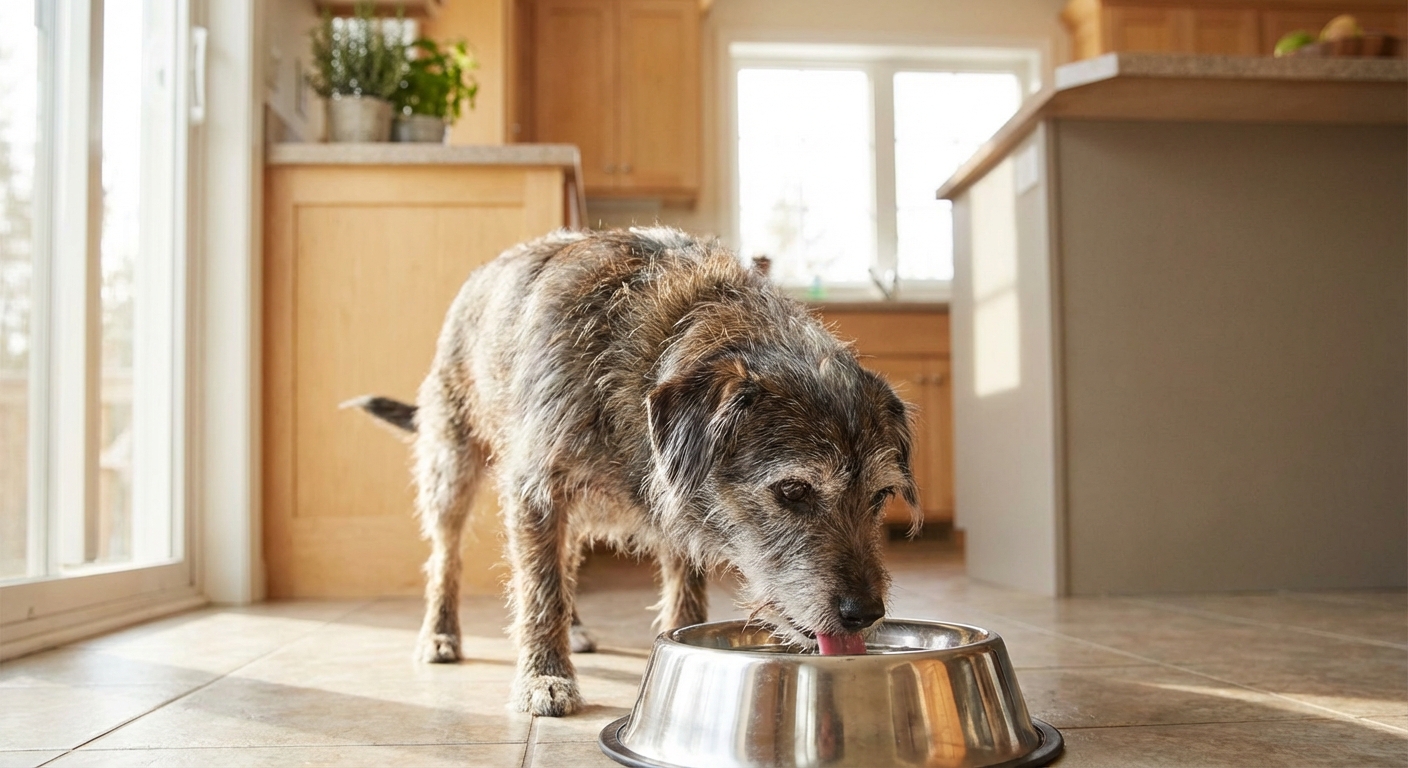
- Increased drinking and urination (pet parents often notice they are refilling the water bowl more, or having accidents)
- Increased appetite and food-seeking behavior
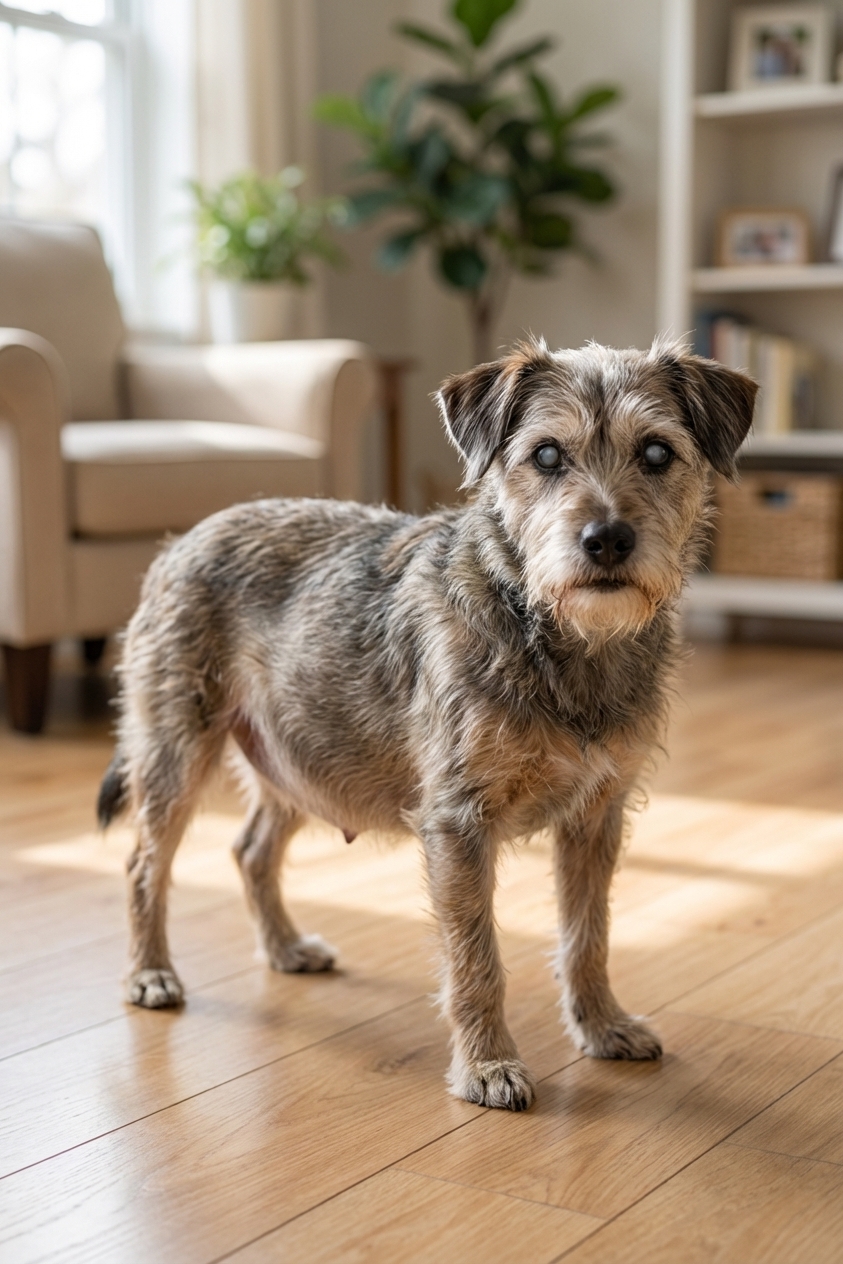
- Pot-bellied appearance from muscle weakness and liver enlargement
- Panting that seems out of proportion to activity or temperature
- Skin and coat changes: thinning hair, recurrent skin infections, thin skin, blackheads, slow hair regrowth after clipping
How vets diagnose them
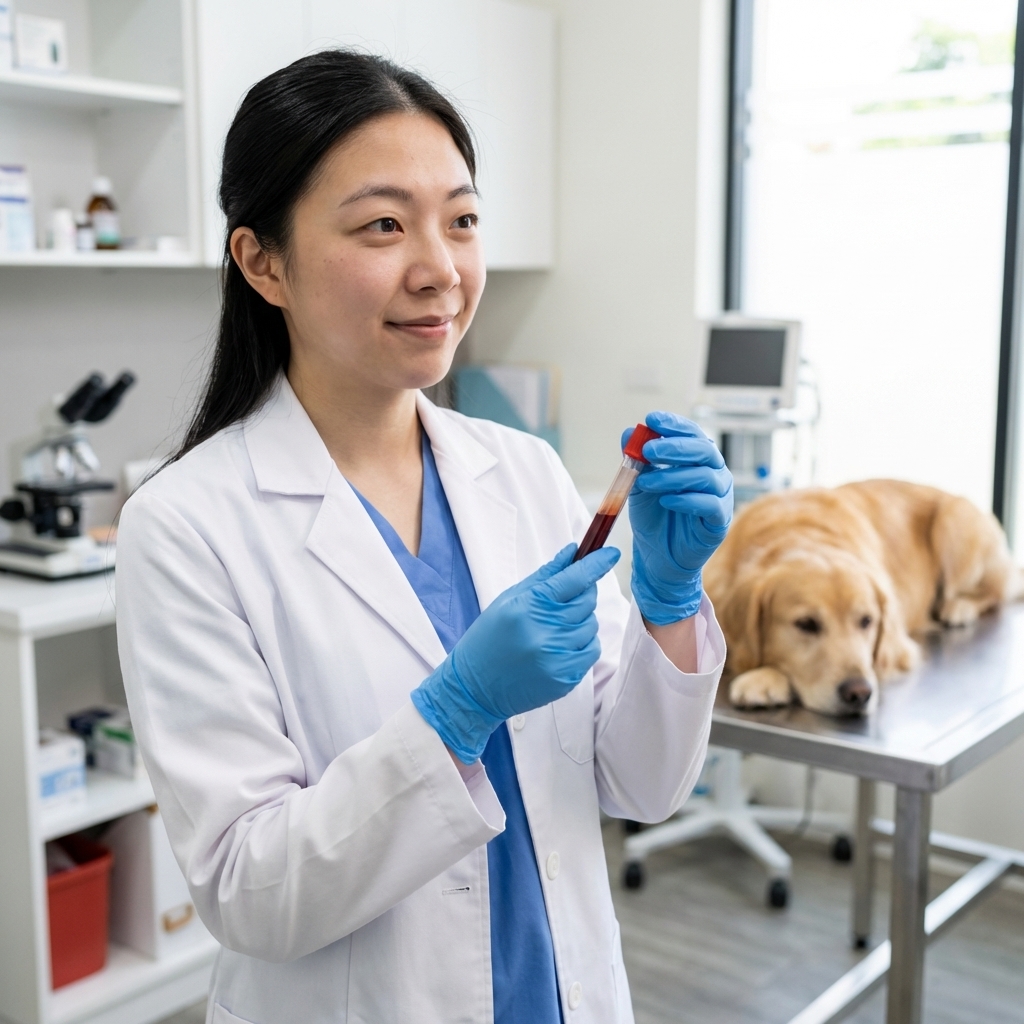
Diagnosis is usually a step-by-step process. Your veterinarian will combine history, physical exam, and lab results to choose the most appropriate endocrine test.
First-line basics
- Physical exam (hydration, body condition, muscle tone, skin and coat)
- Bloodwork (CBC and chemistry)
- Urinalysis
- Blood pressure (often especially helpful when Cushing’s is suspected)
Addison’s: key tests
- Electrolytes: low sodium and high potassium are classic, but not always present.
- Baseline cortisol: a normal baseline cortisol makes Addison’s very unlikely, while a low value can support suspicion and help decide next steps.
- ACTH stimulation test: commonly considered the confirmatory test for Addison’s.
Atypical Addison’s
You may hear your veterinarian mention atypical Addison’s. This usually means low cortisol with normal electrolytes at the time of diagnosis. Some dogs stay “atypical,” while others develop aldosterone deficiency later and then need mineralocorticoid support too. It still deserves careful monitoring and a clear plan.
Cushing’s: key tests
- Urine cortisol:creatinine ratio: often used as a screening test. A normal result can make Cushing’s less likely, but an abnormal result does not confirm it by itself.
- Low-dose dexamethasone suppression (LDDS) test: commonly used to diagnose Cushing’s.
- ACTH stimulation test: can be helpful in selected situations (for example, suspected iatrogenic Cushing’s or for monitoring certain Cushing’s treatments). It is generally less sensitive than LDDS for diagnosing spontaneous Cushing’s.
- Ultrasound: helps assess adrenal size and look for adrenal masses. It can be supportive when trying to distinguish pituitary-dependent disease from an adrenal tumor, but it is not always definitive and sometimes advanced imaging is needed.
Because multiple conditions can mimic these symptoms, your veterinarian may also rule out diabetes mellitus, kidney disease, liver disease, urinary tract infection, GI disease, and pancreatitis.
Treatment approaches
Treating Addison’s
The goal is to replace what the body is missing.
- Mineralocorticoid support (for aldosterone deficiency): commonly DOCP injections or fludrocortisone, depending on the case and your veterinarian’s plan.
- Glucocorticoid support (for cortisol deficiency): often prednisone or prednisolone at a physiologic replacement dose.
- Stress dosing: during stressful events (travel, surgery, illness), many Addisonian dogs need temporarily increased steroid support, per your veterinarian’s guidance.
- Monitoring: regular rechecks and electrolytes help fine-tune dosing.
If an Addisonian crisis occurs, treatment is urgent and typically includes IV fluids, electrolyte and glucose support, and injectable steroids. Many dogs recover very well when treated promptly.
Treating Cushing’s
The goal is to reduce cortisol’s excess effects and improve quality of life.
- Medical therapy: many dogs do well with medications such as trilostane (common) or mitotane (selected cases), with scheduled monitoring tests.
- Surgery: may be considered for certain adrenal tumors, depending on imaging, surgeon assessment, and overall health.
- Managing secondary issues: skin infections, urinary tract infections, high blood pressure, and sometimes diabetes can occur alongside Cushing’s.
With Cushing’s, you are often balancing symptom control with avoiding “over-correcting” into low cortisol. Follow-up testing is not optional, it is part of safe treatment.
Monitoring basics
Your veterinarian will tailor the schedule to your dog, but here are common patterns you may hear:
- DOCP monitoring often includes electrolyte checks after starting or adjusting therapy (commonly around 10 to 14 days, then again closer to the next dose) until stable, then periodic rechecks.
- Trilostane monitoring is typically done on a set protocol after starting and after dose changes, then at regular intervals once stable.
If you ever feel unsure about timing, call and ask. Monitoring is part of the treatment.
When it is an emergency
Please seek urgent veterinary care (ER if needed) if your dog has:
- Collapse or inability to stand
- Repeated vomiting or profuse diarrhea
- Signs of dehydration (tacky gums, sunken eyes, extreme lethargy)
- Very pale gums or weakness that worsens rapidly
These can be signs of an Addisonian crisis or another serious condition that needs immediate stabilization.
Living well long term
Most dogs with Addison’s or Cushing’s can enjoy a happy life with the right plan. Here are practical ways to support that plan at home:
- Keep a symptom log: water intake, appetite, energy, accidents in the house, vomiting or diarrhea episodes, and panting patterns.
- Give medications consistently and do not stop steroids abruptly unless your veterinarian directs you to.
- Prioritize recheck appointments: endocrine disorders are monitored conditions, not “set it and forget it.”
- Feed for stable energy: consistent mealtimes and balanced nutrition can help many dogs feel steadier day to day.
- Ask about infections: recurrent UTIs and skin issues are common in Cushing’s, and they can quietly make your dog feel miserable.
If you are stuck between “Could it be Addison’s?” and “Could it be Cushing’s?”, you are not alone. The good news is that these diseases have strong diagnostic pathways, and once identified, they are very manageable for many families.
Questions to ask your vet
- Based on my dog’s symptoms and labs, which condition is more likely right now?
- Do you recommend baseline cortisol, an ACTH stimulation test, LDDS, or a different endocrine test first?
- If we suspect Cushing’s, should we screen for urinary tract infection and check blood pressure?
- If my dog is on steroid medication, could this be iatrogenic Cushing’s?
- How often will we recheck labs once treatment starts?
- What changes at home should prompt me to call you immediately?
References
- Merck Veterinary Manual. Hypoadrenocorticism (Addison Disease) in Small Animals.
- Merck Veterinary Manual. Hyperadrenocorticism (Cushing Syndrome) in Small Animals.
- Behrend EN, Kooistra HS, Nelson R, Reusch CE, Scott-Moncrieff JC. Diagnosis of spontaneous canine hyperadrenocorticism: 2012 ACVIM Consensus Statement (Journal of Veterinary Internal Medicine, 2013).
- Behrend EN, Kooistra HS, Nelson R, et al. Treatment of canine hyperadrenocorticism: 2012 ACVIM Consensus Statement (Journal of Veterinary Internal Medicine, 2013).