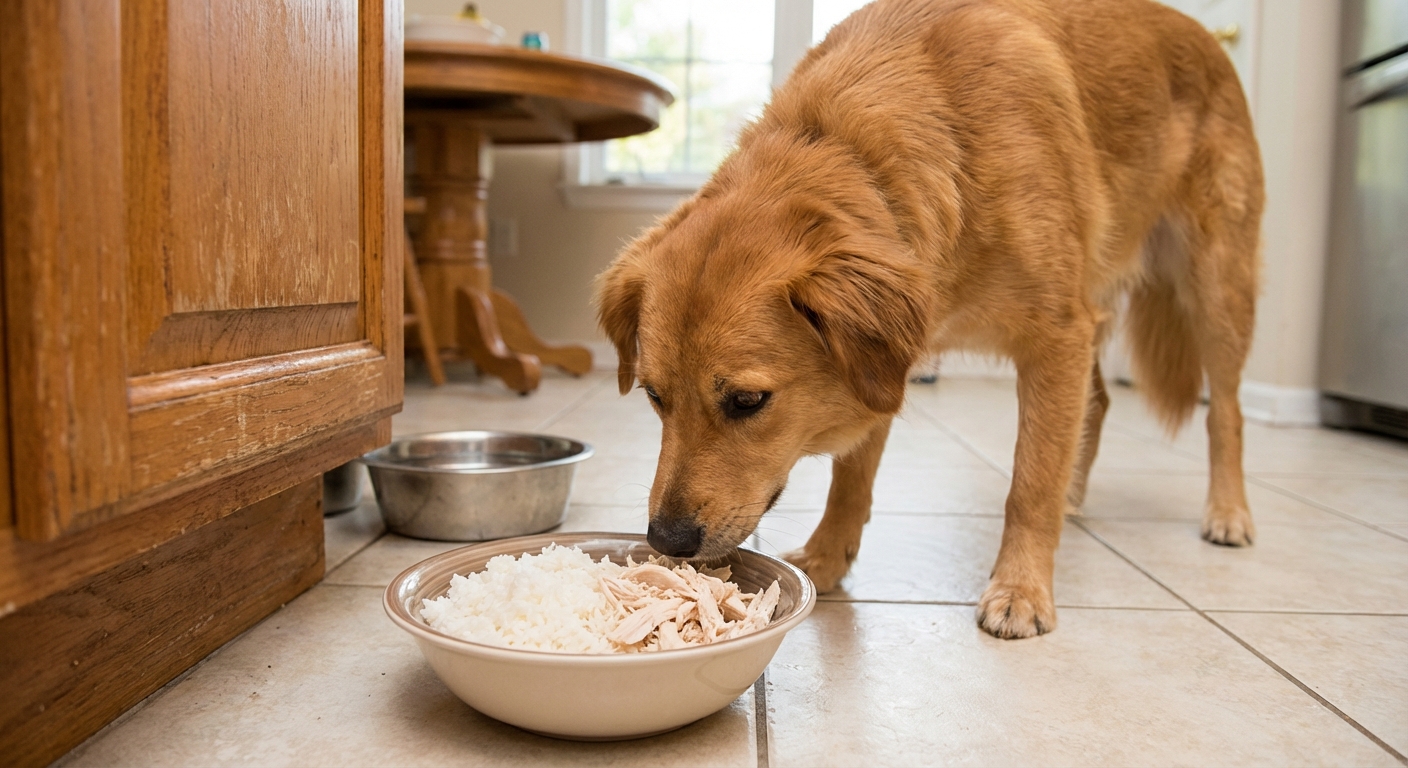
Chicken and rice can soothe mild stomach upset and help dogs transition back to normal food. Learn safe recipes, portions, how long to feed it, and when to c...
Article
•
Designer Mixes
Addison’s Disease in Dogs: Overview & Care

Shari Shidate
Designer Mixes contributor
Addison’s disease can feel scary because it often shows up quietly, then suddenly becomes an emergency. The good news is that with the right diagnosis and consistent medication, most dogs with Addison’s live happy, active lives. As a veterinary assistant, I have seen how quickly things can turn around once a dog gets on the proper treatment plan.
Educational note: This article is for general education and is not a substitute for veterinary diagnosis or treatment. Always follow your veterinarian’s instructions, especially for medication changes.
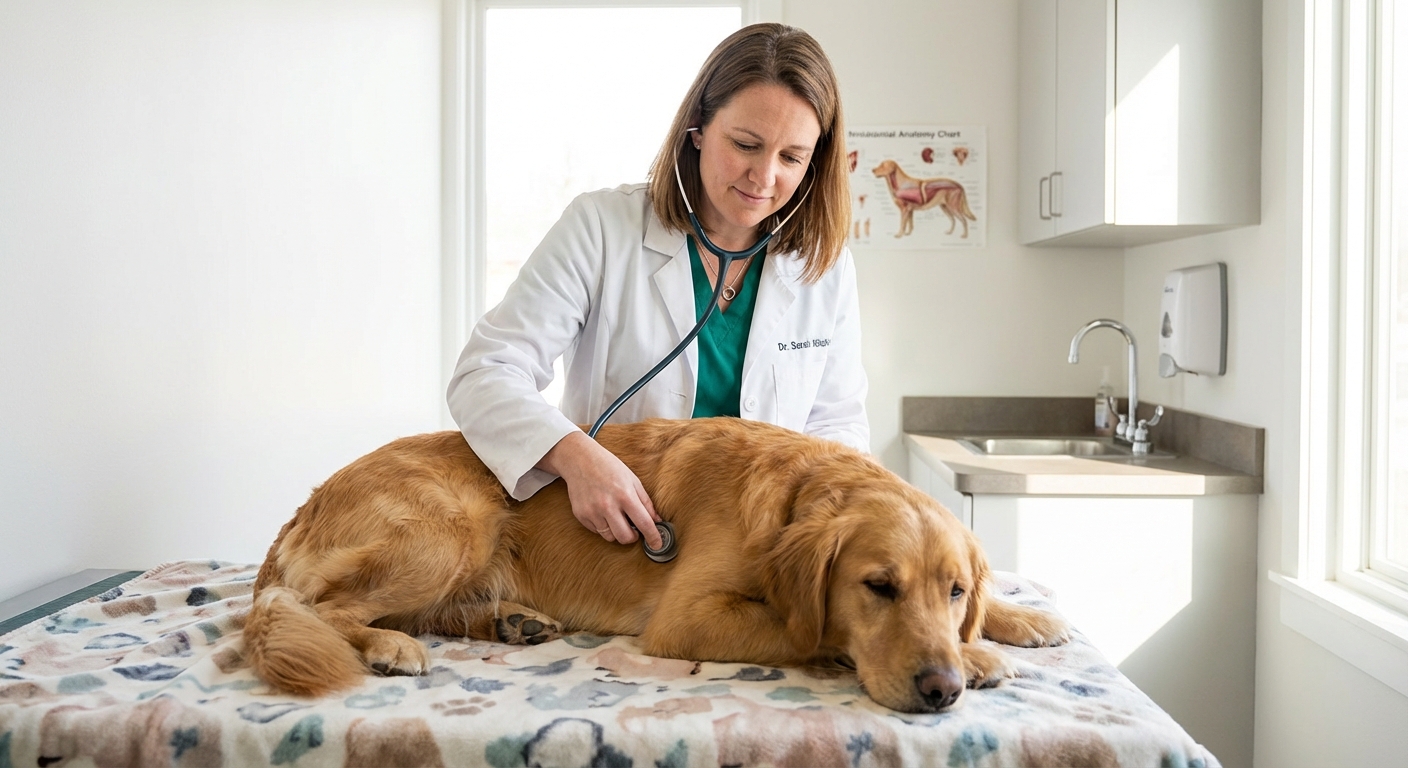
What is Addison’s disease?
Addison’s disease is the common name for hypoadrenocorticism. It happens when the adrenal glands do not make enough essential hormones, most importantly:
- Cortisol, which helps the body respond to stress, maintain normal appetite and energy, and support healthy blood sugar and blood pressure.
- Aldosterone, which helps regulate sodium and potassium balance and keeps hydration and blood pressure stable.
When these hormones are low, your dog’s body can struggle to keep normal electrolyte levels and circulation. That is why untreated Addison’s can become life-threatening.
Which dogs are most at risk?
Addison’s can happen in any breed, at any age, but veterinarians often see it more in young to middle-aged dogs and in some predisposed breeds. Some studies suggest it may be more common in females, but that pattern can vary by breed and dataset.
Breeds that are commonly overrepresented include Standard Poodles, Portuguese Water Dogs, Bearded Collies, and Nova Scotia Duck Tolling Retrievers. Other breeds are reported in some sources as well, and mixed-breed dogs can absolutely get Addison’s too.
Signs owners notice
Addison’s is sometimes called “the great pretender” because symptoms can come and go and mimic many other problems. You might see mild issues for weeks or months before a diagnosis.
Common symptoms
- Low energy or “off” behavior
- Decreased appetite or picky eating
- Vomiting or diarrhea, sometimes intermittent
- Weight loss
- Shaking, weakness, or acting painful
- Increased thirst and urination in some dogs
Addisonian crisis (emergency)
An Addisonian crisis occurs when hormone levels are too low for the body to maintain normal circulation. The most dangerous problems are shock from dehydration and poor blood volume, plus high potassium that can slow the heart and trigger abnormal rhythms. This is an emergency that requires immediate veterinary care.
- Collapse or extreme weakness
- Severe vomiting and diarrhea
- Dehydration
- Pale gums
- Slow heart rate or irregular heart rhythm
- Mental dullness
If your dog collapses, cannot keep water down, or seems severely weak, go to an emergency veterinarian right away.
What causes Addison’s?
Most cases are thought to be immune-mediated, meaning the immune system damages adrenal tissue over time. Addison’s can also be caused by injury to the adrenal glands, certain infections, cancer, or as a complication of treating Cushing’s disease.
Veterinarians may also discuss:
- Primary Addison’s: adrenal gland failure, often affecting cortisol and aldosterone.
- Atypical Addison’s: usually cortisol deficiency without mineralocorticoid (aldosterone) deficiency at first. Electrolytes may look normal early on. Some atypical cases later progress to include electrolyte changes, so ongoing monitoring matters.
How vets diagnose it
Diagnosis usually starts with history and lab work. Addison’s can cause characteristic electrolyte changes, especially:
- Low sodium (hyponatremia)
- High potassium (hyperkalemia)
Those changes are not present in every case, especially early or atypical Addison’s, so normal electrolytes do not rule it out.
Other lab clues
Your veterinarian may also notice patterns that can raise suspicion, even though they are not specific to Addison’s. Examples can include signs of dehydration, mild anemia, or a CBC pattern that does not show the typical “stress response” some sick dogs have. Urine may be less concentrated than expected in some dogs. These clues help guide testing, but they cannot confirm Addison’s on their own.
Key test: ACTH stim
The ACTH stimulation test is the standard test used to confirm Addison’s. Your dog’s blood cortisol is measured, then a medication that stimulates the adrenal glands is given, and cortisol is measured again. Dogs with Addison’s have little to no increase in cortisol.
Your veterinarian may also run baseline cortisol, a chemistry panel, CBC, urinalysis, and sometimes imaging depending on your dog’s symptoms.
If Addison’s is suspected, getting to an answer can feel like a huge relief. Once you have a diagnosis, the next steps are usually clear and very doable.
Treatment and long-term care
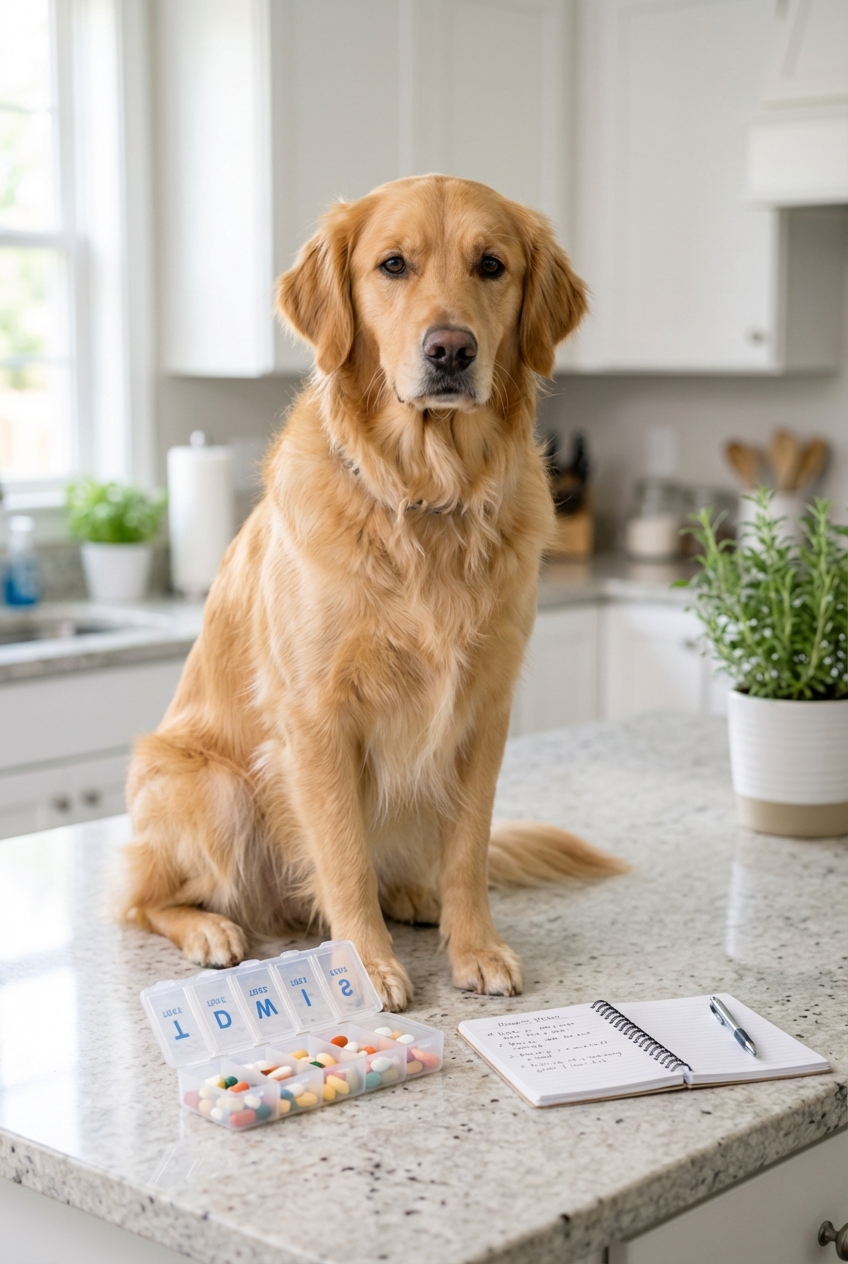
Addison’s is very manageable, but it is a commitment. Most dogs do best with consistent medication, routine monitoring, and a plan for stressful events like travel, boarding, or surgery.
Hormone replacement
- Mineralocorticoid replacement to replace aldosterone. This is commonly done with DOCP injections (given at the clinic or sometimes at home with veterinary guidance) or sometimes oral fludrocortisone.
- Glucocorticoid replacement to replace cortisol. This is usually prednisone or prednisolone given at a low dose.
Some dogs with atypical Addison’s may not need mineralocorticoid replacement at first, but they still need regular electrolyte checks because that can change over time.
Stress dosing
This is one of the most important owner skills. Dogs with Addison’s often need a temporary increase in their glucocorticoid dose during stressful events, because healthy adrenal glands would normally produce extra cortisol.
Only stress dose under your veterinarian’s direction. Ask for a written plan that tells you exactly when to increase, how much, and for how long.
Stressors can include:
- Boarding or travel
- Grooming (for some dogs)
- Big changes in routine
- Injury, pain, or illness
- Surgery or anesthesia
Ask your veterinarian for a written stress-dosing plan and keep it with your dog’s medical records.
Rechecks and monitoring
Follow-up is how you keep Addison’s stable. After starting treatment or adjusting medication, your veterinarian will recheck bloodwork to ensure electrolytes and kidney values are safe and the dose timing is correct.
Monitoring often includes:
- Electrolytes, especially sodium and potassium
- Kidney values (BUN, creatinine)
- Hydration status and weight
- Energy, appetite, vomiting or diarrhea trends
If your dog is on DOCP, many clinics recheck labs within the first few weeks after the initial injection and again later in the dosing cycle to fine-tune the dose and interval. Exact timing varies by protocol and by patient, so follow your veterinarian’s schedule.
Many dogs settle into a predictable routine once their ideal medication type and dosing interval are found.
Day-to-day at home
Home care is less about doing anything complicated and more about doing the basics consistently and paying attention to subtle changes.
Practical tips
- Give medications on schedule and do not stop steroids suddenly unless your veterinarian directs you to.
- Keep a simple symptom log for appetite, stools, energy, and any vomiting.
- Prioritize hydration. Always provide fresh water and call your vet if your dog cannot keep water down.
- Plan ahead for stress. When in doubt, call your veterinarian to ask if a stress dose is needed.
- Share Addison’s status with pet sitters, boarding facilities, and groomers.
- Carry emergency info. A note in your phone or a small wallet card with the diagnosis, medications, and your vet and ER contact info can save time in an urgent situation.
If a dose is missed
If you realize you missed a dose, follow your veterinarian’s written instructions if you have them. If you do not, call your veterinary clinic for guidance. If your dog is vomiting, cannot keep medications down, seems weak, or you are worried about a crisis, go to an emergency clinic.
Food and treats
There is no single “Addison’s diet,” but consistency matters. Choose a complete and balanced diet your dog tolerates well. If your dog has a sensitive stomach, your veterinarian may recommend a diet that is easier to digest. Avoid sudden diet changes, especially during periods when symptoms are active.
When to call the vet
Addison’s dogs can do beautifully, but you never want to wait too long if something looks off.
- Repeated vomiting or diarrhea
- Refusing food for more than a day, or refusing water
- Weakness, wobbliness, shaking, or collapse
- Unusual lethargy after a known stress event
- Any concern that medication was missed or vomited up
If you suspect an Addisonian crisis, go to an emergency clinic. Crisis care typically includes IV fluids, electrolyte correction, glucocorticoids, and close monitoring.
Prognosis
In most cases, yes, dogs can live a normal life. Once stable, many Addison’s dogs run, play, hike, and live full lives. The biggest keys are early recognition, consistent medication, and regular rechecks.
Addison’s is serious, but it is also one of those diagnoses where a clear plan can bring a lot of peace. You are not powerless here. With your vet team, you can keep your dog stable and thriving.