Track your dog’s pregnancy week by week with vet-informed milestones, common symptoms, confirmation tests, feeding guidance, whelping setup, labor signs, a...
Article
•
Designer Mixes
Accidental Dog Mating: What to Do Next

Shari Shidate
Designer Mixes contributor
If you just witnessed an accidental mating, take a breath. This happens more often than people think, and in most cases you have safe, time-sensitive options. As a veterinary assistant in Frisco, Texas, I have talked families through this exact situation. The goal now is to stay calm, protect both dogs, and contact your veterinarian as soon as you can.
Emergency note: If either dog is injured, bleeding heavily, having trouble breathing, collapsing, or in severe distress, go to an emergency veterinary clinic right away.
This article is general education, not individualized medical advice. Your veterinarian is the best source for recommendations for your dog.
First: Do not pull them apart
If the dogs are “stuck” together, they are likely in a normal breeding tie. During the tie, the male’s bulbous glandis swells and temporarily locks the pair together. A tie typically lasts about 10 to 30 minutes, and sometimes longer (occasionally 45 minutes or more).
- Do not try to separate them. Pulling can seriously injure one or both dogs, especially the female.
- Reduce stress and movement. Keep other pets and kids away, lower noise, and avoid shouting.
- Prevent sudden twisting. If possible, calmly stand near them to keep them from panicking or trying to run.
After they naturally separate, keep them apart in secure areas.
After separation: Quick safety check
Once the dogs separate on their own, your next job is basic safety and containment.
- Leash or crate each dog in separate rooms so there is no repeat mating.
- Check for injuries like limping, swelling, bleeding, or intense pain.
- Monitor urination over the next few hours. Straining, crying, or inability to pee warrants a vet call immediately.
Keep things quiet. Stress and chaos tend to make both dogs more reactive.
Secure both dogs and note details
Your veterinarian will ask questions that help determine risk and next steps. Write down what you can:
- Date and approximate time the mating happened (or the window of time if you are not sure)
- Whether a tie occurred and how long it lasted
- Female’s heat timing (first day you noticed bleeding or swelling, if known)
- Ages, weights, and breeds (or best guesses)
- Any health issues or medications for either dog
If you did not witness the full event, that is common. Some owners only notice the dogs afterward, or see a quick mount with no tie. Pregnancy can still be possible depending on timing.
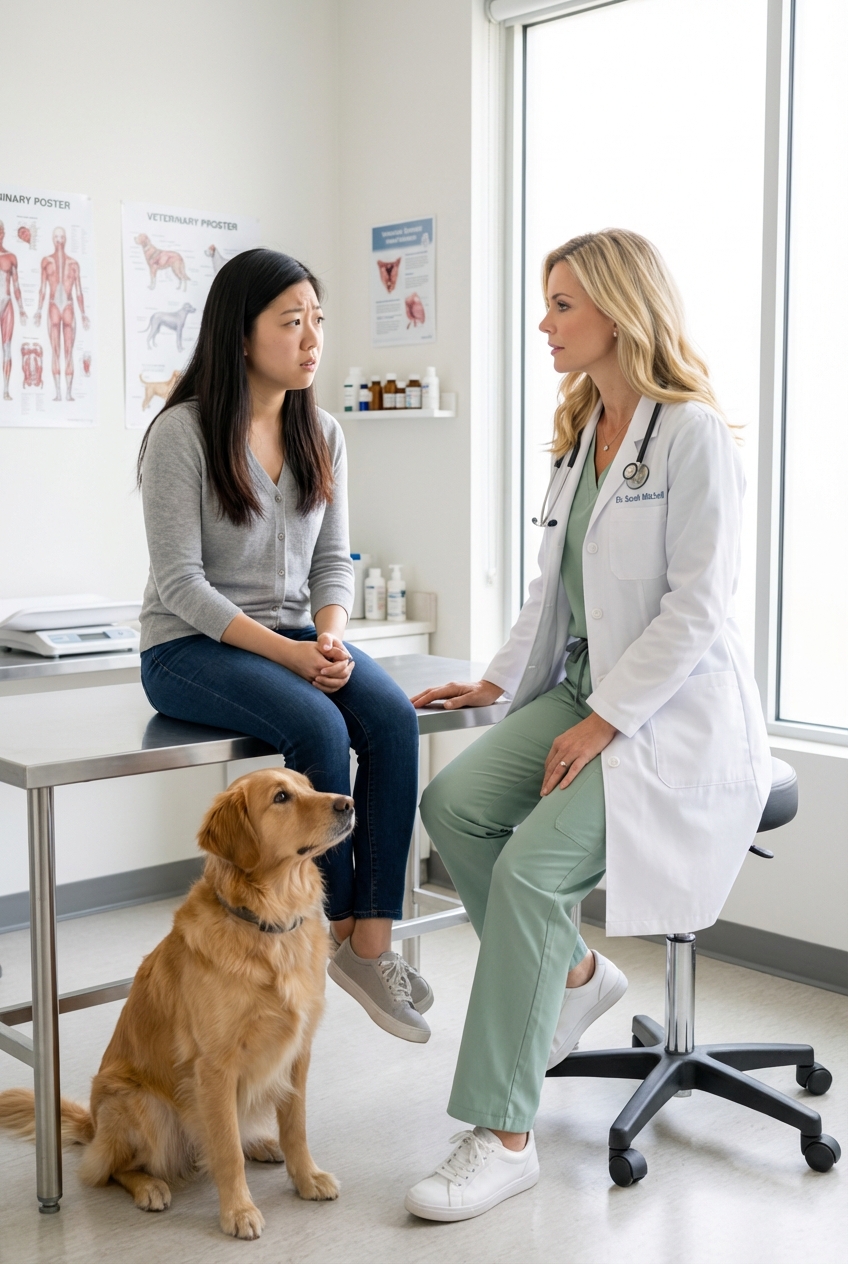
Contact your veterinarian
Time matters because prevention choices are most effective early. Contact your regular vet, or an emergency clinic if it is after hours, especially if:
- You think there was an injury (bleeding, limping, intense pain, collapse)
- The female is very small and the male is much larger
- Either dog has trouble urinating after separation
- The dogs stayed tied for a long time and are very distressed
Even if everything looks normal, still contact your vet. The calm period right after is often when you have the most options.
Pregnancy risk basics
A tie increases the chance of pregnancy, but it is not a guarantee. Fertility depends on where the female is in her heat cycle. Most females are most fertile roughly in the middle of heat, but dogs vary.
It is also important to know that sperm can survive in the female reproductive tract for several days, up to about a week. That is why one accidental mating can still result in pregnancy even if it did not happen on the single “perfect” day.
Your main options
Option 1: Vet-guided prevention (the “mismate” talk)
This is the option many families want to discuss first, and it is why reaching out quickly matters. Your veterinarian can walk you through what is available in your area, the timeline, potential side effects, and what follow-up is needed.
Important: Do not give human medications and do not use online remedies. These can be dangerous and do not reliably prevent pregnancy.
Availability varies a lot by region and clinic, and the risk profile can differ significantly between protocols. Some areas have very limited medical options. Your veterinarian will help you understand what is realistic, what is safest for your dog, and what monitoring is required.
Option 2: Spay the female
If you do not intend to breed and your veterinarian agrees she is a good candidate, spaying is the most definitive way to prevent this pregnancy and future accidental litters. This can be done as a spay-abort, but it is still a surgical and medical decision.
Timing depends on where she is in her cycle and whether pregnancy has started. Spaying during or soon after heat can come with an increased bleeding risk because the reproductive tract is more vascular. Your vet will help you weigh safety, cost, recovery, and what is best for your dog.
Option 3: Continue the pregnancy
If you choose to continue the pregnancy, start planning immediately. Pregnancy and whelping can become expensive quickly, especially if a C-section is needed. This is particularly relevant with size mismatch, brachycephalic breeds, and first-time moms. If the size mismatch is extreme, talk with your veterinarian early about dystocia risk and a delivery plan.

When pregnancy can be confirmed
Your veterinarian will recommend the best method based on timing. Common windows include:
- Ultrasound: often around 21 to 30 days after breeding to check for pregnancy and assess development.
- Relaxin blood test: often around 25 to 30+ days after breeding, when the hormone is more reliably detectable.
- X-rays: typically 45 days and later to evaluate skeletons and help estimate puppy count closer to delivery.
If you are not sure whether you want to continue the pregnancy, say that out loud to your veterinarian. The earlier you make a plan, the more options you usually have.
A simple timeline
- Day 0 (today): Separate the dogs, do a quick injury check, and contact your veterinarian.
- Next 1 to 7 days: Follow your vet’s guidance on prevention options and monitoring.
- Weeks 3 to 4: Discuss ultrasound timing if you are confirming pregnancy.
- Weeks 6 to 7: Discuss X-ray timing if you are planning for delivery and puppy count.
What to watch for
Normal after mating
- Mild vulvar swelling related to heat
- Normal heat discharge (often bloody early, then lighter)
Contact your veterinarian urgently if you notice
- Heavy bleeding or foul-smelling discharge
- Lethargy, fever, vomiting, or not eating
- Abdominal pain or a tense, uncomfortable belly
- Excessive drinking and urination
Some of these signs can overlap with serious conditions like uterine infection (pyometra), which is a medical emergency in intact females. Pyometra is not caused by the mating event itself and most often develops in the weeks after estrus, but any concerning signs deserve a prompt veterinary call.
Prevent another mating
One accidental breeding can turn into multiple matings quickly because a female in heat may accept a male for days. For the rest of her heat cycle:
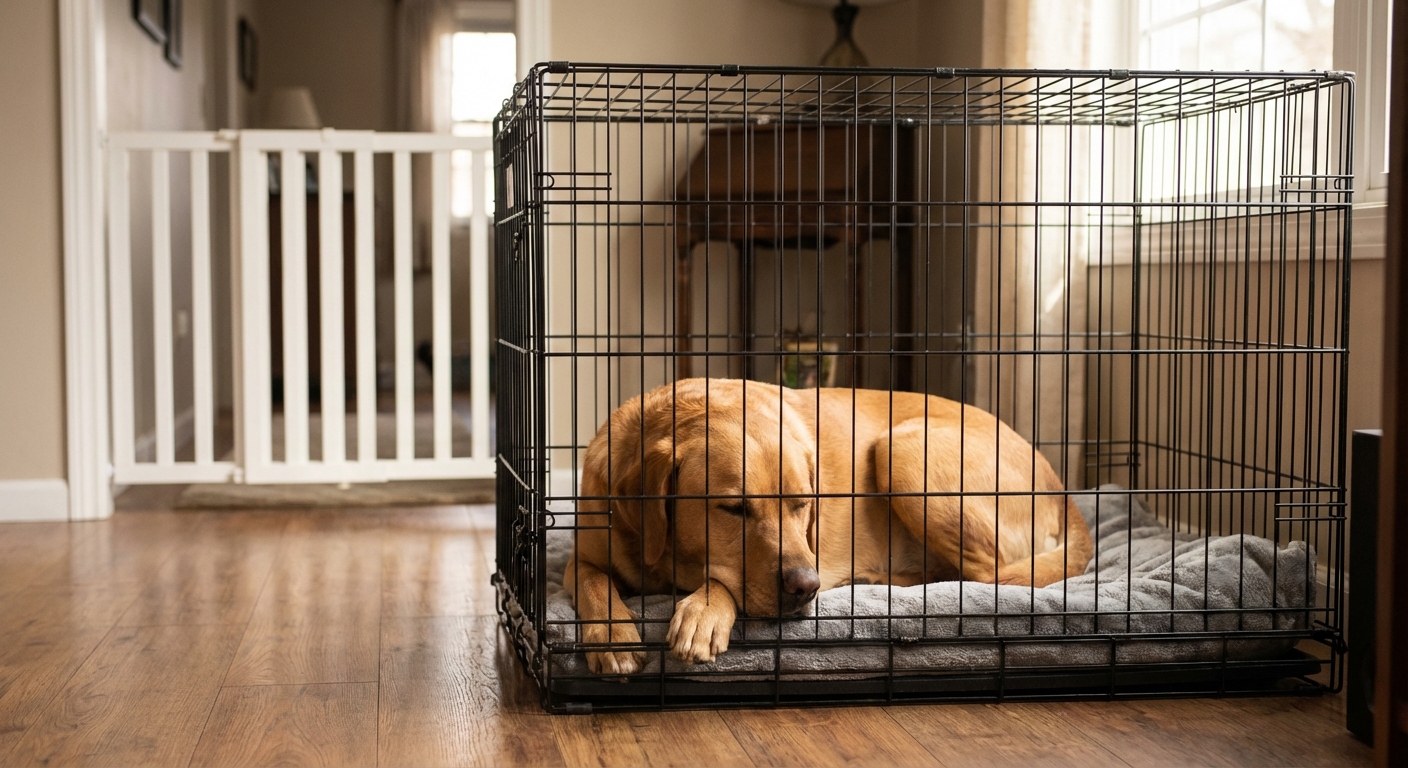
- Strict separation from intact males, even if they live in the same home.
- No off-leash time outdoors, even in fenced yards. Dogs can climb, dig, or squeeze through.
- Crate and rotate if needed, using two closed doors between them when you can.
Heat commonly lasts around 2 to 4 weeks, and behavior can change throughout. When in doubt, keep barriers stronger than you think you need.
Manage the male too
Intact males can become persistent, vocal, or determined to escape when a female is in heat. To reduce risk:
- Increase supervision and double-check doors, latches, and fences.
- Use secure confinement indoors when you cannot directly supervise.
- Separate with distance if possible. Being in the same house can keep arousal high for some dogs.
Nutrition and care if pregnancy continues
If pregnancy is confirmed and you plan to proceed, ask your veterinarian when to transition to an appropriate diet for gestation and lactation. In general, you want:
- Veterinary guidance first, especially for small breeds or dogs with medical issues
- Steady body condition, avoiding rapid weight gain early on
- No supplements unless prescribed, since excess calcium or vitamins can cause problems
Also ask about parasite prevention, vaccination timing, and a whelping plan. Being prepared is one of the kindest things you can do for mom and puppies.
Common myths
- Myth: “If there was no tie, she cannot get pregnant.” Reality: Pregnancy is still possible.
- Myth: “A bath or cleaning her out will prevent pregnancy.” Reality: It will not, and it can irritate tissues.
- Myth: “Home remedies or leftover meds can stop it.” Reality: This is unsafe and unreliable. Always use veterinary care.
The bottom line
Accidental dog mating is stressful, but you are not powerless. Do not separate stuck dogs, keep both pets calm, and contact your veterinarian promptly to discuss time-sensitive options. With a clear plan, you can protect your dog’s health and make the best decision for your family.
If you are unsure what to do next, your safest move is simple: contact your veterinarian and ask, “What are my options today?”