Stop kitten biting without punishment. Learn why kittens bite, how to freeze and disengage, redirect to toys, prevent ankle attacks, and build a daily play r...
Article
•
Designer Mixes
4 Month Old Kitten Behavior Secrets

Shari Shidate
Designer Mixes contributor
At around 4 months old, kittens feel like tiny athletes with no off switch. One minute they are purring in your lap, and the next they are parkouring off the couch and attacking your ankles. Here is the secret: most of what looks like naughty behavior at this age is normal developmental work. Your kitten is learning how to be a cat: how hard to bite, how to hunt, how to land, how to communicate, and how to cope with frustration.
As a veterinary assistant, I love this stage because it is the perfect window to shape lifelong habits. This is also one of the most common concerns I hear from new kitten families in clinic: “Is this normal?” Usually, yes. With a few simple routines, you can keep the fun parts of kittenhood and gently prevent the chaos from becoming a permanent lifestyle.
What is normal at 4 months
Most 4-month-old kittens are in a social and learning sweet spot. They are weaned, highly playful, and mentally ready for training. Many are also teething, which can add extra chewing and mouthy play (timing varies by kitten).
- Energy spikes: short bursts of intense play, often at dawn and dusk.
- Skill-building play: stalking, pouncing, bunny-kicking, and climbing.
- Boundary testing: exploring counters, houseplants, cords, and your patience.
- Growing independence: less baby clinginess, more curiosity-driven wandering.
Secret #1: Big play is hunting practice
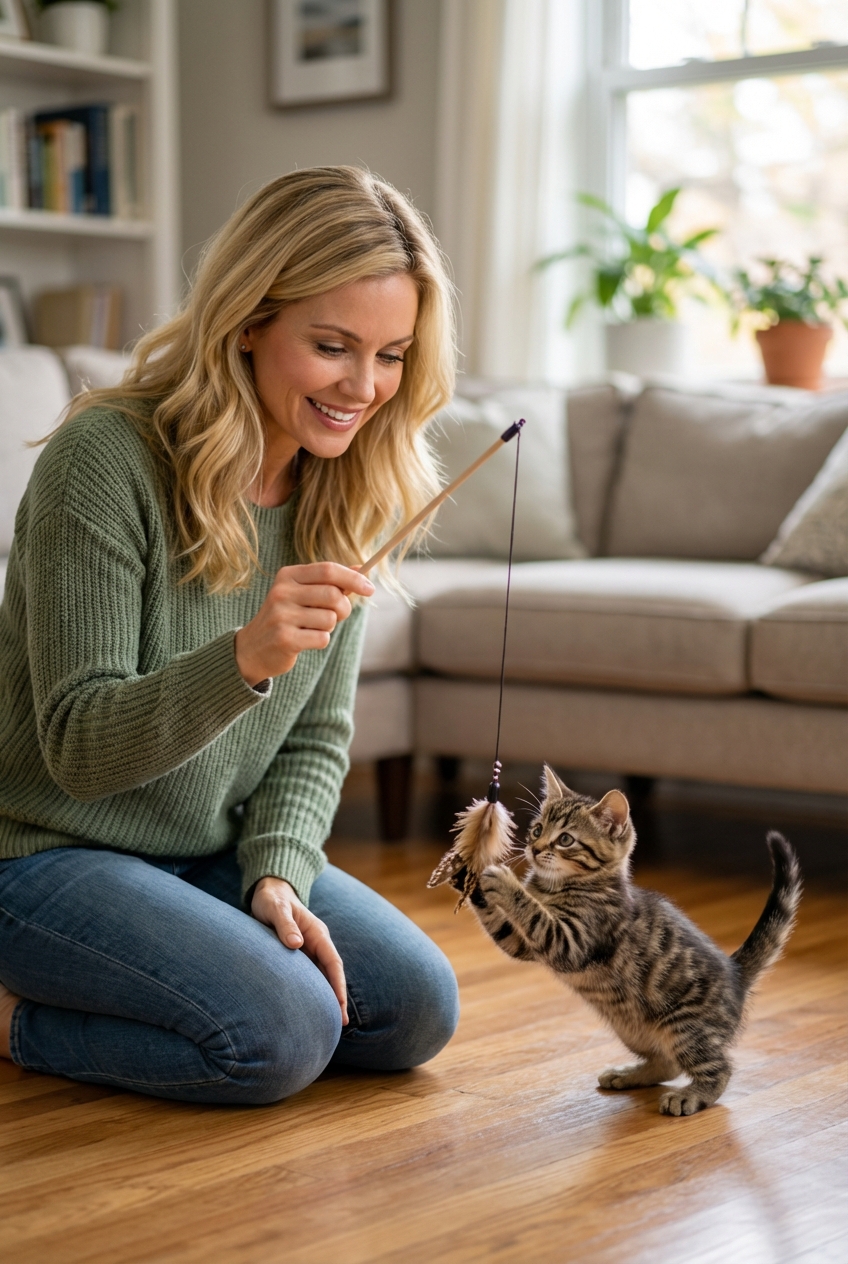
Ankle attacks, hand-grabbing, and surprise pounces can look aggressive, but at this age they are usually predatory play. Your kitten is rehearsing the full hunting sequence: watch, stalk, chase, grab, bite, and kick.
What to do
- Never use hands as toys. It teaches that skin is fair game.
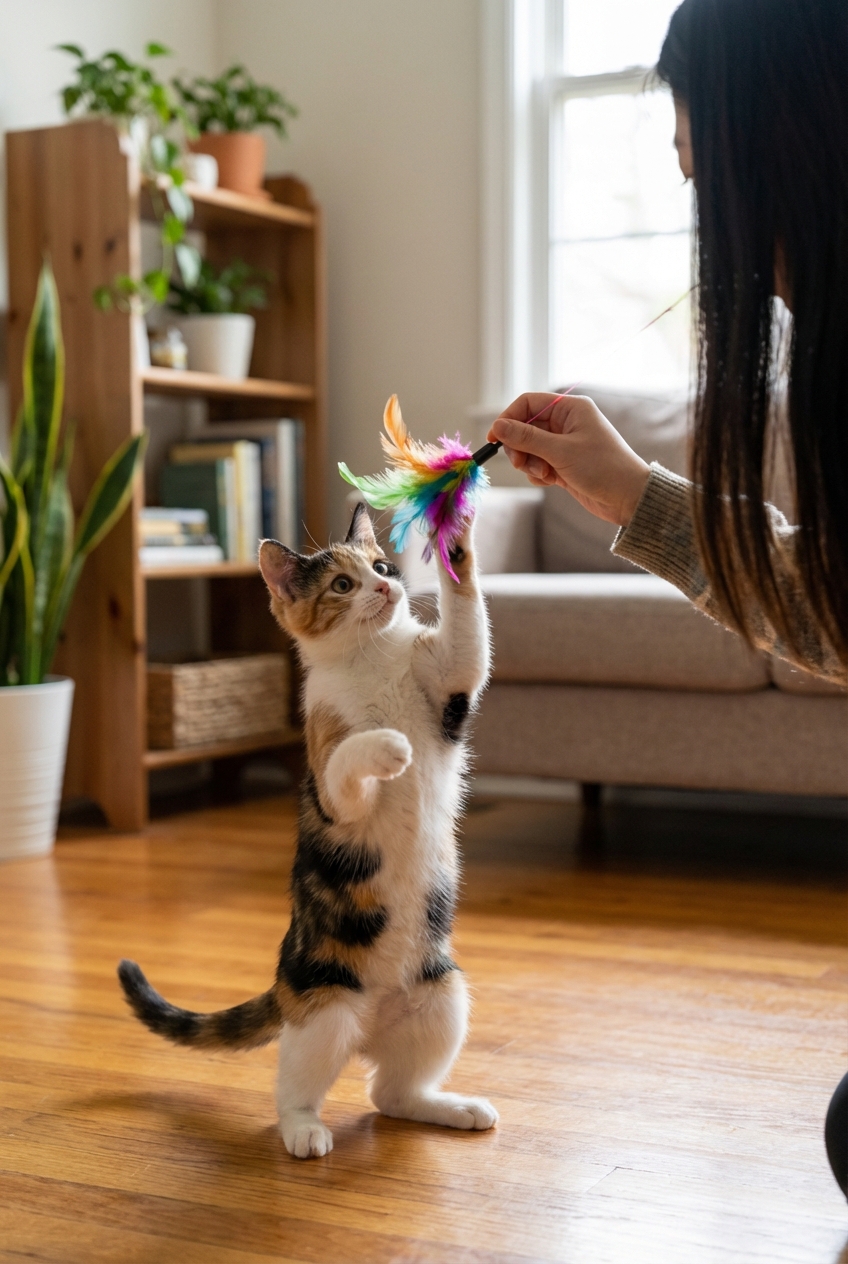
- Redirect to a wand toy when your kitten targets you. Make the toy move like prey: scurry, hide, pause, then dart.
- Finish the hunt. End play with a small meal or treat. This often helps the play-eat-groom-sleep cycle kick in and can reduce post-play ambushes.
If your kitten clamps down, avoid yanking your hand away (that can trigger chase instincts). Instead, go still, then calmly swap in a toy.
Secret #2: Biting is communication
Kittens learn bite inhibition from littermates and mom. If they leave their family early or play mostly with humans, they may not get enough feedback about what is too hard. At 4 months, your job is to teach gentle play consistently.
A simple bite plan
- When teeth touch skin, pause play immediately. Stand up or freeze for 5 to 10 seconds.
- Offer a toy and resume play only if the kitten switches to the toy.
- Reward soft behavior. Calm praise, a treat, or a gentle chin scratch when your kitten plays nicely.
Avoid yelling or physical punishment. It can create fear, and fear is what can turn normal kitten play into true defensive aggression.
Once you have a bite plan, the next piece is managing energy. That is where routines matter.
Secret #3: Zoomies are often a clue
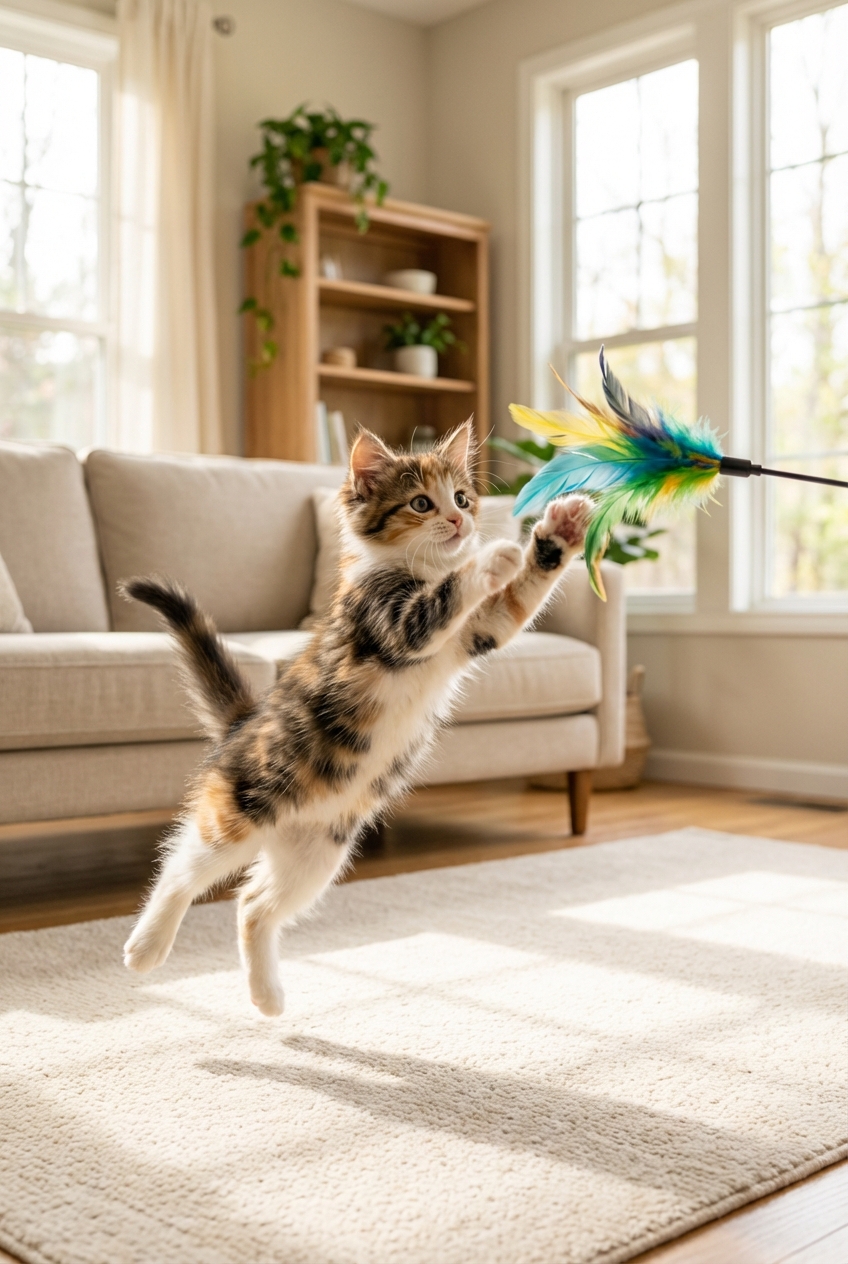
The evening crazy hour is classic. It is not your kitten being bad. Zoomies can be normal even in well-enriched homes, but frequent chaos can mean your kitten needs a better outlet for movement and mental challenge.
The two-session fix
Try two intentional play sessions daily, 10 to 15 minutes each:
- Morning: quick wand-toy session before you start your day.
- Evening: a longer session about 60 to 90 minutes before bedtime, followed by dinner.
This routine often improves nighttime sleep because your kitten is not carrying a full day of unused energy into the dark hours.
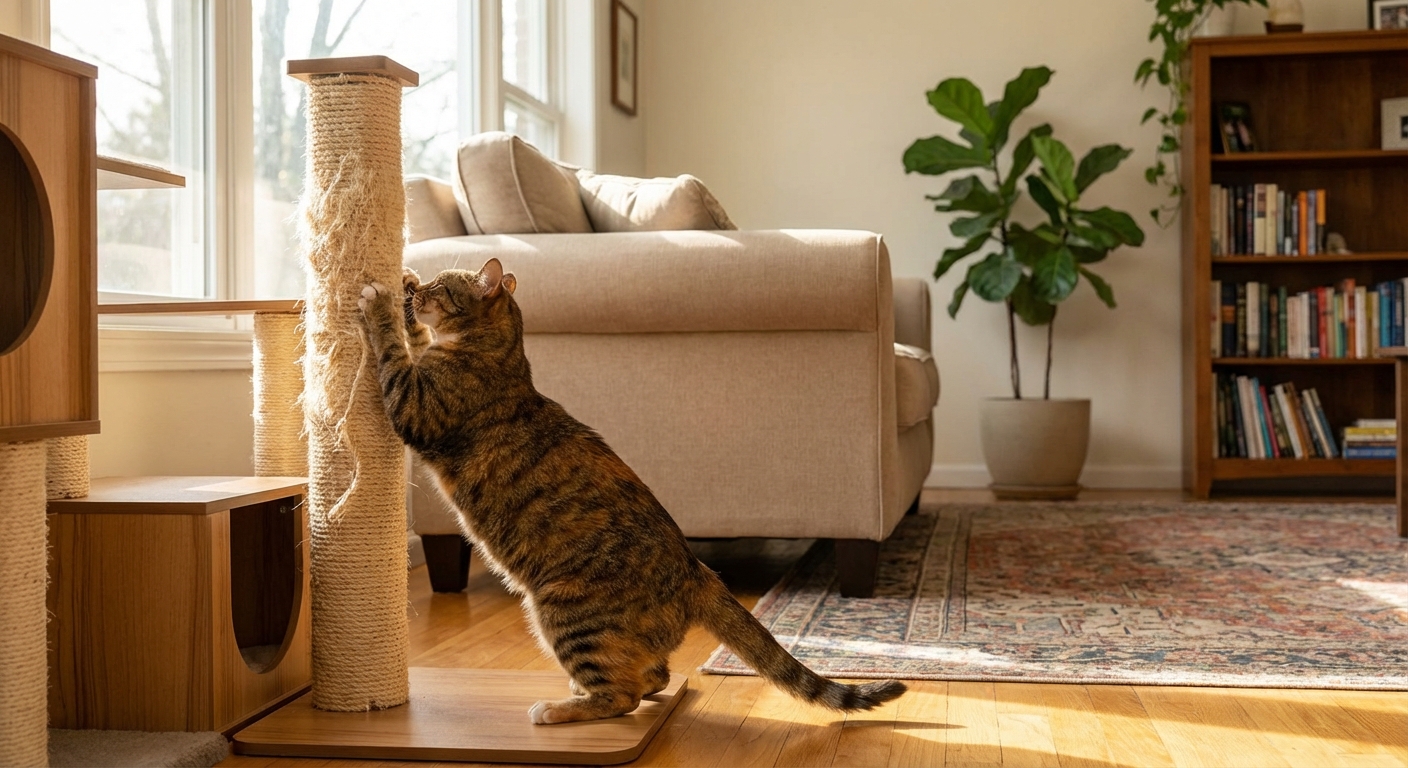
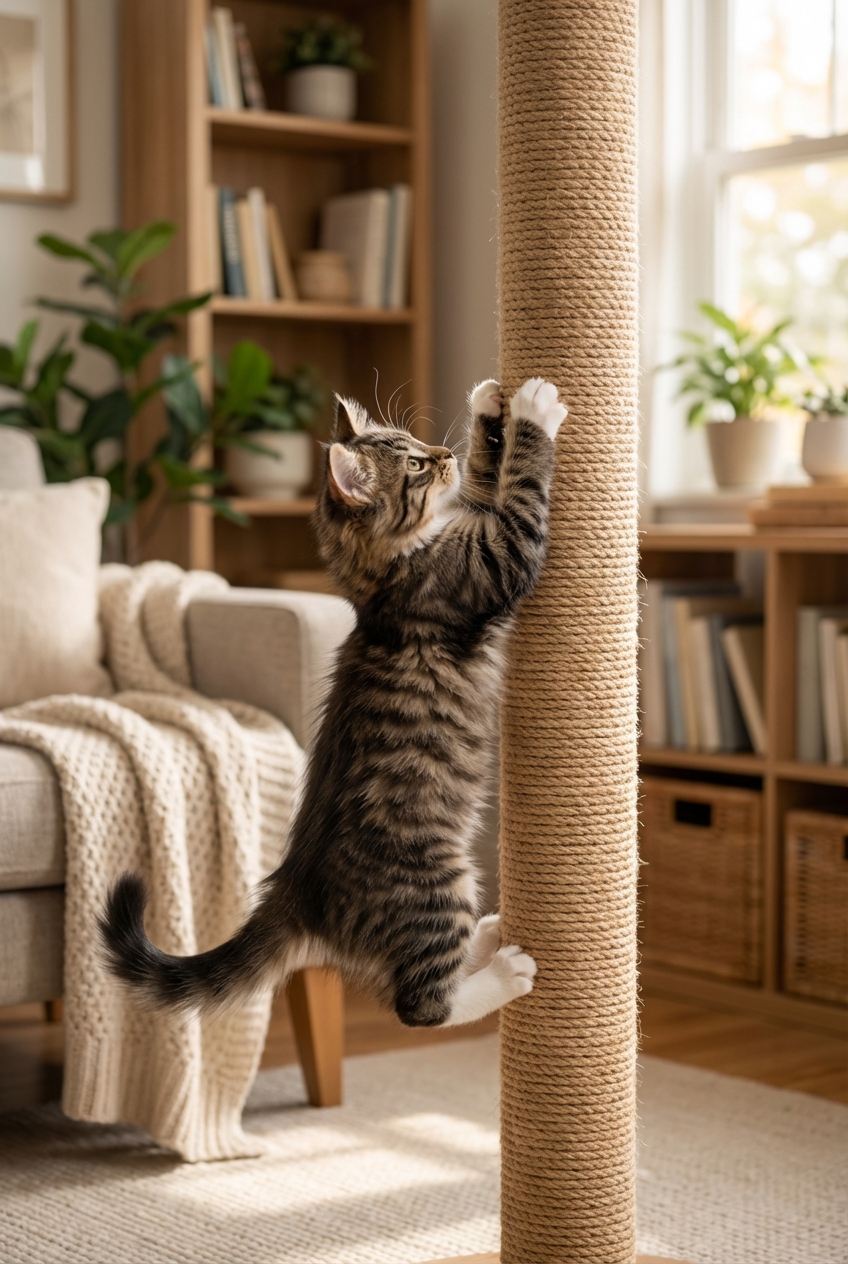
Secret #4: Scratching and climbing are needs
Scratching is normal and healthy. It maintains claw condition, stretches the back and shoulders, and leaves scent markers. Climbing is also normal because cats feel safer when they can survey their space from above.
Set up success
- Provide at least two scratching options: one tall vertical post and one horizontal scratcher.
- Place a scratcher where the problem happens. If your kitten scratches the sofa corner, put a post right next to it.
- Add vertical territory: a cat tree near a window is ideal.
- Use reward placement: sprinkle catnip on scratchers (if your kitten responds) and praise when used.
If you are seeing destructive scratching, consider whether the post is sturdy enough. Many kittens avoid wobbly posts because they do not feel safe.
Secret #5: Teething can ramp things up
At roughly 3 to 6 (sometimes 7) months, kittens lose baby teeth and adult teeth come in. Some kittens chew more, mouth objects, or seem a bit irritable during this window.
Help with teething
- Offer safe chew outlets like rubbery kitten toys designed for teething.
- Kitten-proof cords with cord covers and keep strings, hair ties, and ribbon put away.
- Do a quick plant safety check. Many common houseplants are irritating or toxic to cats, so keep plants out of reach or verify they are cat-safe.
- Schedule a vet check if you notice bad breath, bleeding gums, or refusal to eat, since retained baby teeth can happen.
Secret #6: Litter issues are fixable
A healthy 4-month-old kitten typically uses the litter box reliably. If accidents happen, it is usually about setup, cleanliness, stress, or medical issues rather than spite.
Quick litter checklist
- Number: one box per cat, plus one extra is the gold standard.
- Location: quiet, easy-to-reach, not next to loud appliances.
- Cleanliness: scoop daily, wash the box regularly.
- Litter: many kittens do best with unscented, fine-grain litter, but preferences vary. At 4 months, clumping litter is usually fine, but if your kitten is the type to taste everything, ask your vet what they recommend.
If your kitten is straining, crying, or making frequent trips with little output, call your veterinarian promptly. Urinary issues are uncomfortable and can become serious.
Secret #7: Attention-seeking can help training
At 4 months, kittens are still building their comfort with handling, grooming, carriers, and new people. If your kitten follows you everywhere or meows for attention, you can use that motivation to teach calm, cooperative habits.
Mini training that lasts
- Carrier comfort: leave the carrier out with a soft blanket and toss treats inside.
- Gentle handling practice: touch paws, ears, and mouth briefly, then reward.
- Grooming: short brush sessions, reward, stop before your kitten gets wiggly.
- Nail trims: one or two nails at a time is a win at this age.

Health basics at this age
A lot happens medically around 4 months, and it can affect behavior (especially energy, appetite, and irritability).
- Vaccines: many kittens receive booster vaccines during this period. Follow your veterinarian’s schedule.
- Spay and neuter: timing varies by clinic and kitten, but it is commonly discussed in this window. If you have not booked it yet, ask at your next visit.
- Food: feed a kitten-formulated diet. Meal routines often work better than constant free-feeding for households dealing with nighttime antics.
- Sleep: kittens still sleep a lot. Long naps are normal and healthy, and they help the brain grow.
When it is not normal
Some behaviors deserve a call to your veterinarian or a qualified cat behavior professional, especially if they appear suddenly or escalate quickly.
- Repeated diarrhea or vomiting alongside behavior changes
- Hiding all day, reluctance to move, or obvious pain
- Sudden aggression with hissing, growling, or fear signs that are new
- Not eating for 12 to 24 hours, or any major drop in appetite in a kitten
- Frequent litter box trips, straining, or crying
If biting or aggression is intense, persistent, or you feel unsafe handling your kitten, it is worth getting help early. Ask your vet for a referral, or look for a credentialed cat behavior consultant (for example, IAABC).
Your kitten is not giving you a hard time. They are having a hard time. When we look for the why, solutions get a whole lot easier.
Daily routine that works
If you want one clear routine to start today, try this:
- Morning: play 10 minutes, then breakfast.
- Midday: rotate a few solo toys (keep some put away so they stay exciting).
- Evening: play 15 minutes, then dinner.
- Before bed: calm cuddles or grooming, lights out.
Consistency is calming for kittens. When your kitten can predict when play, food, and attention are coming, you usually see fewer ambushes, fewer nighttime wake-ups, and better manners all around.
At a glance
- Play daily with a wand and let your kitten chase and pounce.
- Feed after play to support a calmer cycle.
- Stop play when teeth hit skin and redirect to a toy.
- Provide scratchers and vertical space so your kitten can act like a cat in the right places.
- Call the vet for appetite, litter, or pain changes.