Skip pricey processed treats with 5 easy homemade dog treat ideas—from frozen pumpkin yogurt bites to sweet potato chews. Includes vet safety tips, portion...
Article
•
Designer Mixes
20 Fruits To Safely Feed Your Dog

Shari Shidate
Designer Mixes contributor
As a veterinary assistant here in Frisco, Texas, I get asked about “safe people food” all the time. Fruit is one of the easiest upgrades you can make for a dog’s treat routine, but it has to be done thoughtfully. Some fruits are wonderfully nourishing in small amounts, and others can be downright dangerous.
Below are 20 fruits most dogs can enjoy safely when prepared the right way, plus a simple serving guide and a quick list of fruits to avoid. If your dog has diabetes, pancreatitis, kidney disease, food allergies, or a sensitive stomach, check with your veterinarian before adding new foods. Also, keep in mind that any new food can cause GI upset, even when it is considered “safe.”
Quick safety rules
- Start tiny: Offer one small piece and watch for vomiting, diarrhea, itching, or gas over the next 24 hours.
- Remove pits, seeds, and cores: Many are choking hazards or can cause blockages. Some (like apple seeds and stone fruit pits) contain cyanogenic compounds and should never be chewed or swallowed.
- Skip added sugar: No fruit cups in syrup, sweetened dried fruit, or fruit packed in juice.
- Avoid xylitol: Do not offer fruit products, yogurt, or “no sugar added” items sweetened with xylitol. It is extremely toxic to dogs.
- Keep treats to 10% or less of daily calories: Fruit is healthy, but it is still sugar and can add up quickly.
- Cut appropriately: Small dogs need pea-sized pieces. For big dogs, think blueberry to cherry tomato-sized pieces.
Tip: If you are using fruit for training, reduce other treats that day. Little swaps make a big difference for weight management.
20 fruits dogs can usually eat
1) Apples
Crunchy, hydrating, and a favorite for many dogs. Remove the core and all seeds. Apple seeds contain cyanogenic compounds, and the core can be a choking or blockage risk. Slice thin for small dogs.
2) Bananas
Soft and easy on the mouth, but higher in sugar. Great as a tiny topper or frozen in small coins. Offer in small portions, especially for overweight dogs, diabetes, or pancreatitis.
3) Blueberries
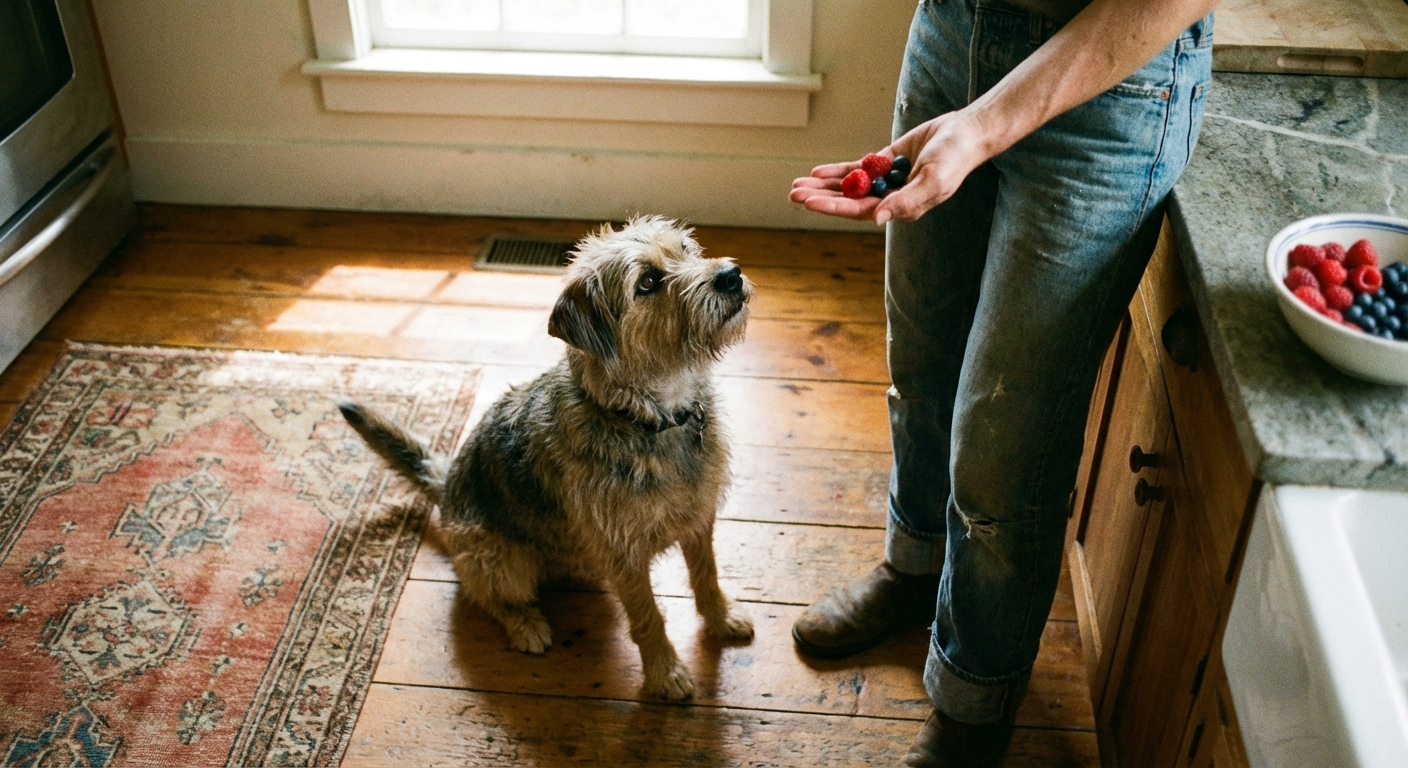
One of the easiest “ready-to-go” fruits. Serve fresh or frozen (frozen can slow down fast eaters). For tiny dogs, you can mash them.
4) Strawberries
Wash well, remove the green tops, and slice. Strawberries are a fun, lower-calorie treat when served plain.
5) Raspberries
These are fine for most dogs in small amounts. Because they are tart and have tiny seeds, keep portions modest, especially for sensitive stomachs.
6) Blackberries
Another berry option that works well fresh or frozen. Cut large berries in half to help prevent gulping.
7) Cranberries
Fresh or frozen cranberries are okay for many dogs, but they are quite tart. Skip sweetened dried cranberries due to added sugar.
8) Watermelon
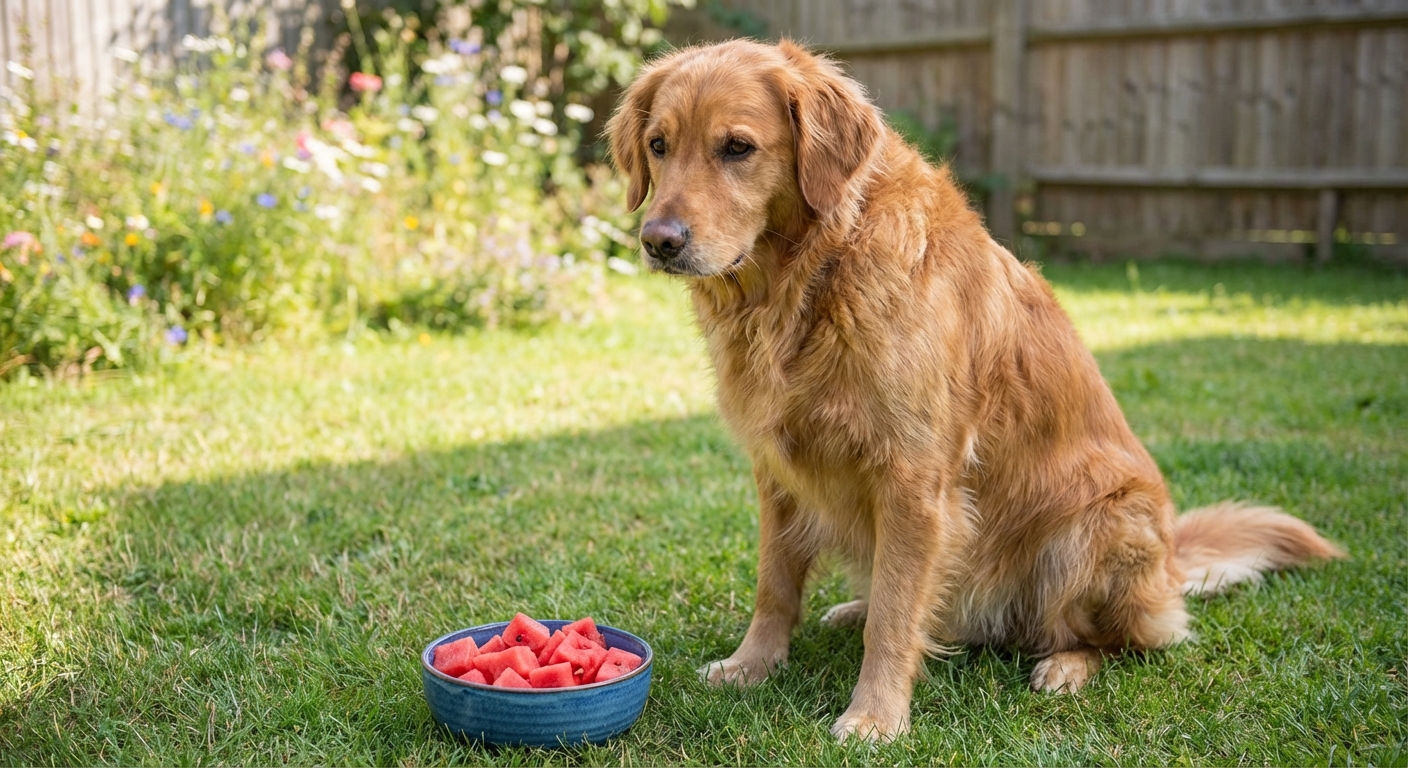
Hydrating and refreshing in warm weather. Remove the rind and seeds (seedless is best). Serve in bite-sized cubes.
9) Cantaloupe
Soft, fragrant, and typically a hit. Remove the rind and seeds. Because it is sweet, offer small portions (especially for diabetes or pancreatitis).
10) Honeydew
Similar to cantaloupe: remove rind and seeds, then cube. Great for dogs who like milder flavors.
11) Pineapple
Offer small chunks of fresh pineapple only. Avoid the spiky skin, and stick to the softer flesh. The core is very fibrous and tough, so it can be a choking risk or hard to digest, especially for smaller dogs. Too much pineapple can cause diarrhea because it is acidic and sugary.
12) Mango
Remove the skin and the large pit. Mango is rich and sweet, so think “a few small cubes,” not a whole serving.
13) Peaches
Fresh peaches can be fine if you remove the pit completely. The pit is a choking and blockage hazard, and it also contains cyanogenic compounds if chewed. Avoid canned peaches in syrup.
14) Nectarines
Prep just like peaches: no pit, no sugary syrup. The pit is a blockage risk and contains cyanogenic compounds if chewed. Slice thin and offer sparingly.
15) Pears
Remove the core and seeds, then dice. Pear is a gentle option for many dogs, but start small to avoid loose stool.
16) Oranges
Some dogs love citrus, others do not. Peel thoroughly, remove seeds, and avoid the peel and pith, which can irritate the stomach. Start with one small segment and see how your dog tolerates it.
17) Mandarins (or clementines)
Like oranges, but smaller and often easier to portion. Offer a segment or two, peeled and seedless, and avoid pith.
18) Kiwi
Peel first and slice into small pieces. Kiwi can be a fun change of pace, but it may cause tummy upset in some dogs, so keep portions small.
19) Papaya
Remove the seeds and skin. Serve plain in small cubes. It is soft and easy to chew, making it a nice option for seniors.
20) Plums
The flesh of ripe plum can be okay in tiny amounts, but the pit must be removed completely. Plum pits are a serious choking and blockage hazard and contain cyanogenic compounds if chewed. If pits are hard to manage in your kitchen, pick an easier fruit like berries or melon.
How much fruit is “just right”?
Fruit works best as a treat or a small topper, not the main part of a meal. A practical starting point:
- Tiny dogs (under 15 lb): 1 to 2 small bites
- Medium dogs (15 to 50 lb): a small handful of bite-sized pieces
- Large dogs (over 50 lb): a handful, split into a couple of snack moments
If your dog has diabetes or pancreatitis, lower-sugar options (like berries) are usually a better fit, and portions should be extra modest. If your dog is gaining weight, has frequent loose stool, or seems extra gassy after fruit, cut back or switch fruits.
Easy ways to serve fruit
- Frozen training treats: Freeze blueberries or small strawberry slices and use a few at a time.
- Hydration booster: Add a few seedless watermelon cubes to the bowl after a hot walk.
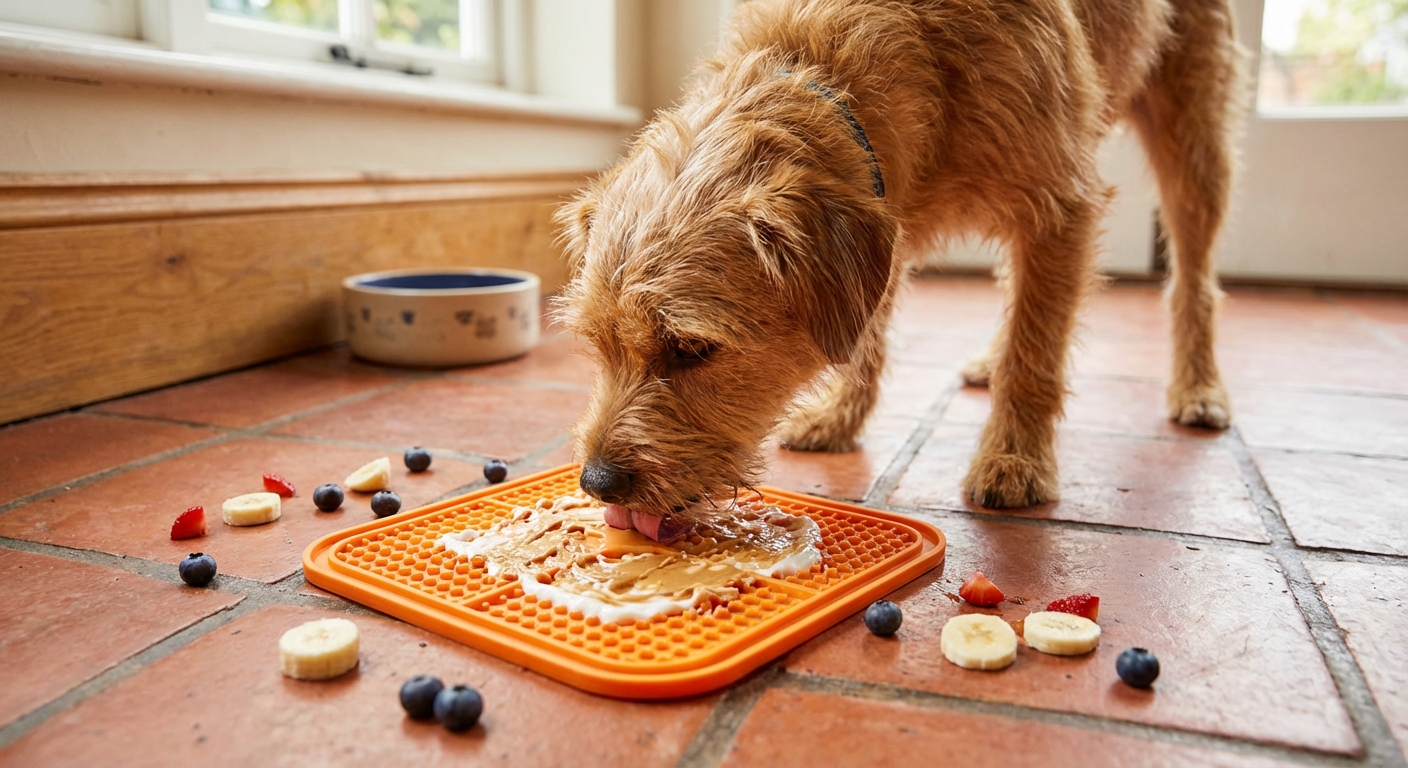
- Lick mat idea: Mash banana with a spoonful of plain, unsweetened yogurt and spread thinly. Double-check the label for sweeteners, especially xylitol.
Fruits to avoid
These are common troublemakers that I recommend keeping out of reach:
- Grapes, raisins, and currants: can cause acute kidney failure in dogs, even in small amounts.
- Cherries: pits are a choking and blockage hazard; parts of the cherry plant contain cyanogenic compounds.
- Avocado: may cause GI upset in some dogs due to fat and fiber; the pit and skin are major choking and blockage hazards. (Persin is a concern, but dogs are generally less sensitive than some species.)
- Star fruit (carambola): can be risky, especially for pets with kidney issues.
- Fruit pits and large seeds left in: peach, plum, apricot pits and similar can obstruct the GI tract and contain cyanogenic compounds if chewed.
- Dried fruit in general: it is concentrated sugar, can trigger stomach upset, and it is easy for raisins or currants to sneak in. I usually recommend skipping it.
If you think your dog got into grapes, raisins, currants, or a large pit, call your veterinarian or a pet poison hotline right away. Time matters with these exposures.
When to call your vet
Most fruit-related issues are mild stomach upset, but reach out to your vet promptly if you notice:
- Repeated vomiting or diarrhea
- Swollen belly, restlessness, or signs of pain (possible blockage)
- Weakness, trembling, collapse, or unusual lethargy
- Any grape, raisin, or currant ingestion
Fruit can be a simple, joyful way to add variety and whole-food nutrition to your dog’s life. Start small, keep it plain, and let your dog’s body tell you what works best.