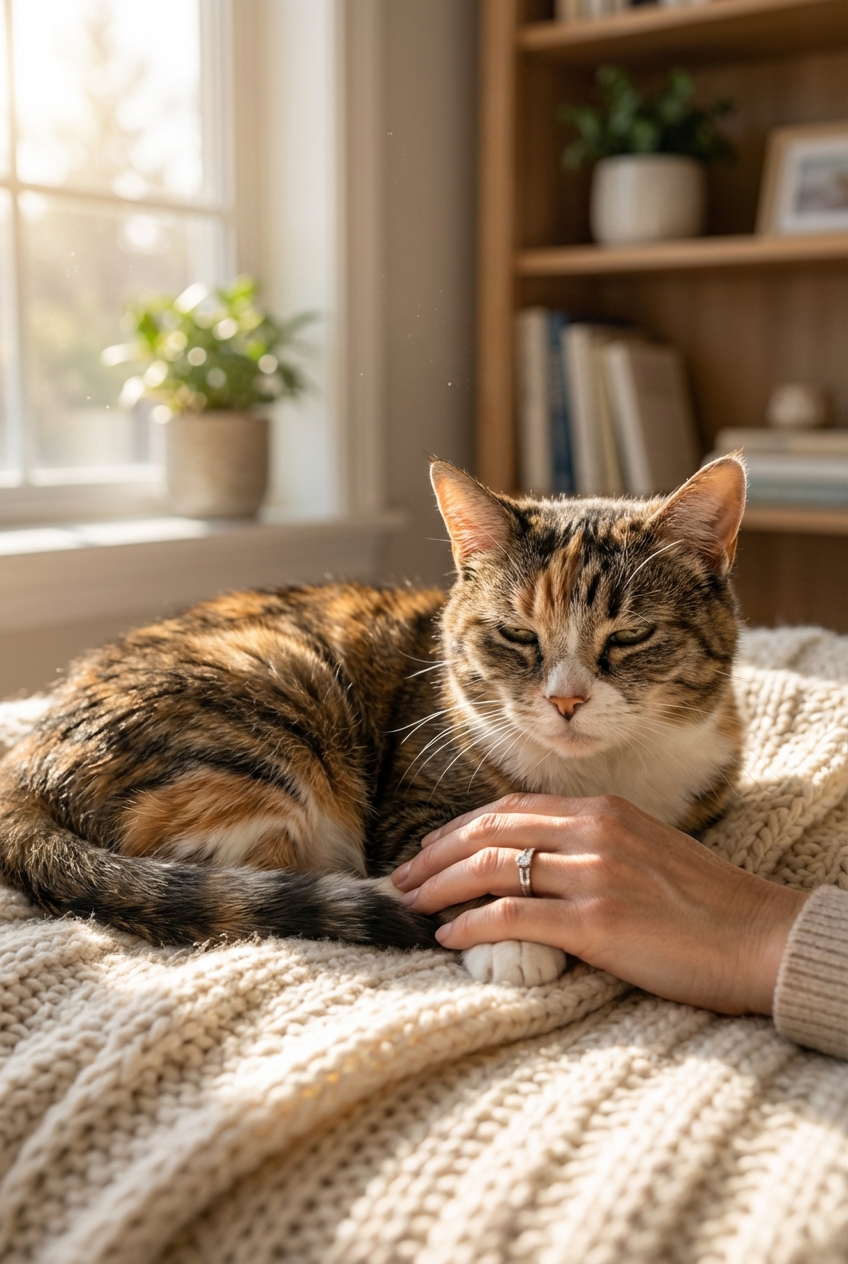
A compassionate guide to end-of-life signs in cats—appetite and weight changes, hiding, weakness, litter box and breathing changes, comfort care, and when ...
Article
•
Designer Mixes
18 Signs Your Cat May Be Dying (And What to Do Next)

Shari Shidate
Designer Mixes contributor
As a veterinary assistant, I have learned there is a big difference between a cat who is “slowing down” and a cat whose body is beginning to shut down. Cats are masters at hiding pain and illness, so the signs can be subtle at first, then suddenly feel very obvious.
This article is here to help you recognize common end-of-life signs, understand what they can mean, and know what to do next. Some of these symptoms can also happen with treatable illness, so please take them seriously and involve your veterinarian as soon as you can.
Quick note: This guide is for education and support, not a diagnosis. If your cat seems “off,” especially if symptoms are new or worsening, a vet exam is the safest next step.
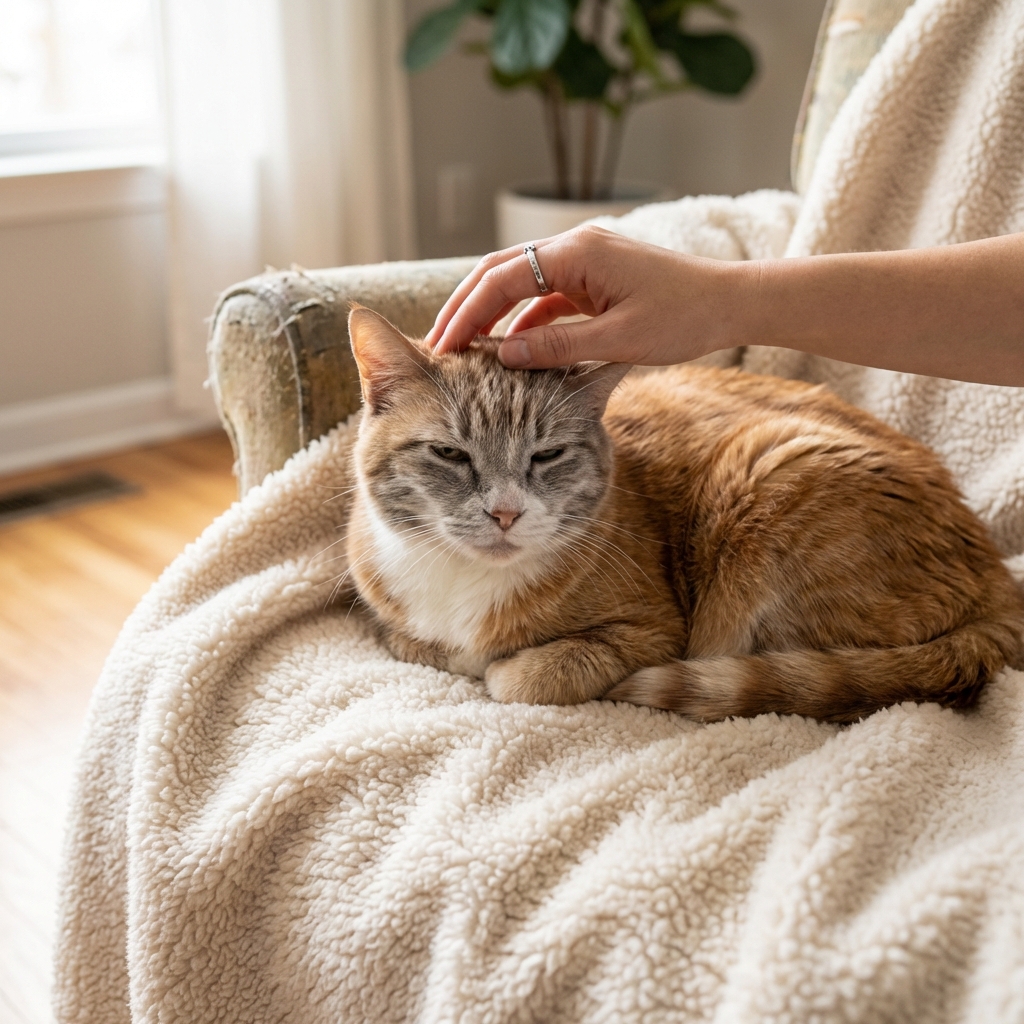
Call a vet now
If you see any of the following, treat it as urgent and call an emergency clinic or your veterinarian immediately:
- Trouble breathing (open-mouth breathing, gasping, belly heaving, blue or pale gums).
- Collapse, unresponsiveness, or severe weakness.
- Seizures, especially if lasting more than 5 minutes or happening in clusters.
- Repeated vomiting or vomiting with blood.
- Urinary blockage signs: straining or crying in the litter box, frequent attempts, and producing only tiny drops or no urine at all (especially in male cats).
- Uncontrolled bleeding or severe trauma.
- Extreme pain (crying, hiding and growling, unable to get comfortable).
Even if it ends up being less serious than you fear, it is still safer to get help quickly. Cats can decline fast.
18 signs your cat may be dying
Many of these signs overlap with serious illness, advanced age, or chronic disease (like kidney disease, heart disease, hyperthyroidism, diabetes, and cancer). What matters most is the pattern: multiple changes at once, rapid decline, and loss of normal daily behaviors.
1) Not eating or eating much less
A big appetite change deserves attention. As a general rule, if your cat eats little to nothing for 24 hours, call your veterinarian. Some cats need help even sooner (kittens, diabetic cats, cats with known liver disease, and cats who are already frail). Poor intake can also lead to hepatic lipidosis (fatty liver), especially in overweight cats, after several days of not eating well.
2) Not drinking or drinking very little
Dehydration makes everything harder: circulation, kidney function, comfort, and energy. If your cat is not drinking, ask your vet about same-day evaluation and supportive care.
3) Rapid weight loss or muscle wasting
Weight loss that happens over weeks to months can be a sign of chronic disease. Weight loss that happens quickly can signal a serious turning point.
4) Extreme lethargy
Older cats sleep more, yes. But if your cat cannot be comfortably roused, stops greeting you, or no longer changes resting spots, that is a red flag.
5) Hiding or withdrawal
Cats often isolate when they feel unwell or vulnerable. A social cat who suddenly disappears under the bed, in a closet, or behind furniture may be telling you they feel unsafe or sick.
6) Breathing changes
Slow decline can include quieter breathing and less activity, but labored breathing is never normal. Heart failure, fluid in the chest, anemia, pain, fever, and lung disease can all cause respiratory distress.
If you can safely count breaths at rest (when your cat is asleep or calmly resting), normal is often about 16 to 30 breaths per minute. A rate that is consistently over 40 at rest, or any obvious effort to breathe, is a reason to call urgently.
7) Weakness or wobbliness
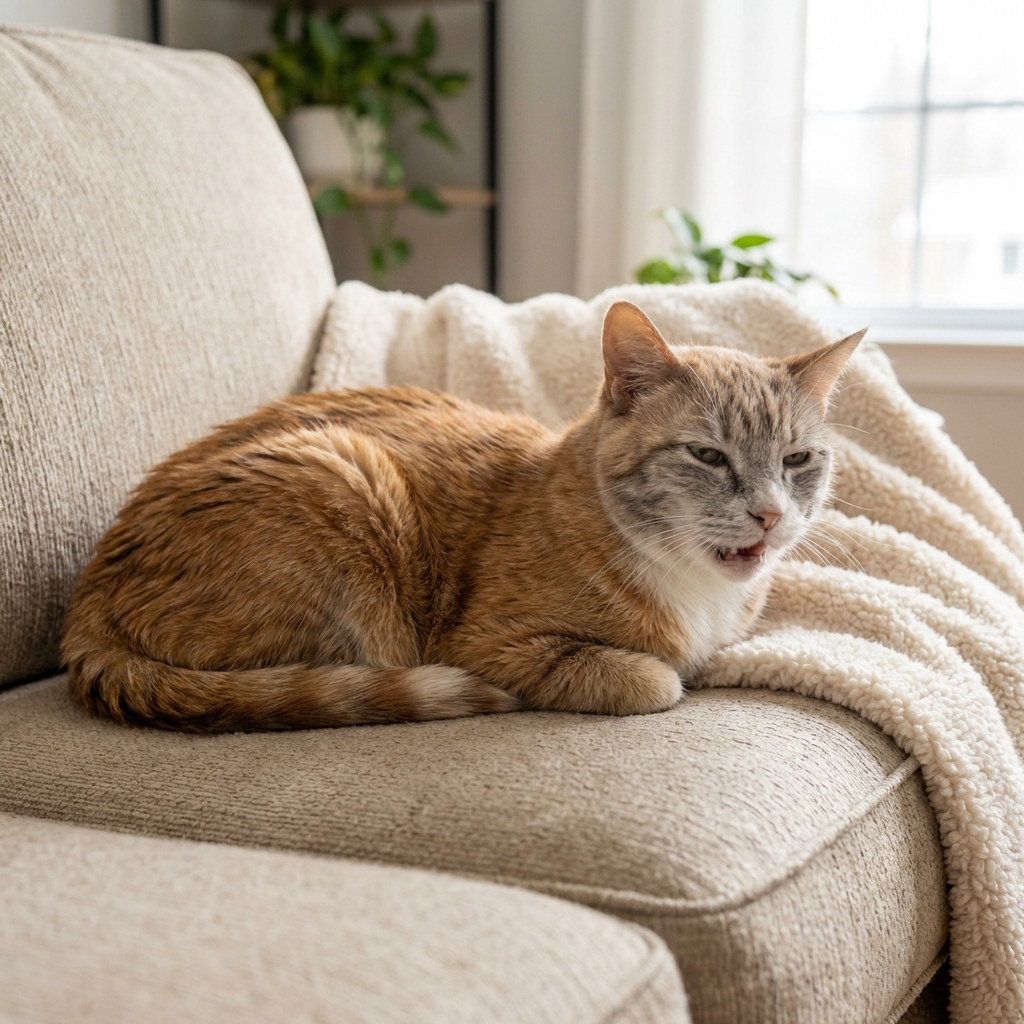
End-of-life weakness may look like shaky legs, slipping on floors, reluctance to jump, or collapsing. Arthritis can contribute, but sudden weakness needs urgent evaluation.
8) Litter box changes
This can show up as urinating outside the box, not covering waste, accidents while sleeping, or stool stuck to fur. Pain, weakness, confusion, kidney failure, constipation, and urinary issues are common causes.
9) Constipation or straining
Straining is uncomfortable and can be dangerous. In cats, straining to urinate can look like constipation. If you are not sure which it is, treat it as urgent.
10) Vomiting or nausea
Frequent vomiting, lip-smacking, drooling, turning away from food, or acting hungry but refusing meals can signal nausea. Kidney disease, GI disease, pancreatitis, toxin exposure, and cancer are just a few possibilities.
11) Diarrhea or stool changes
End-stage illness can change digestion and hydration. Watch for black, tarry stool; blood; or sudden severe diarrhea, all of which warrant veterinary guidance.
12) Poor grooming
When cats feel sick or painful, grooming is often one of the first daily habits to go. A rough coat can also reflect dehydration or malnutrition.
13) Pain behaviors
Cats do not always cry from pain. Signs include flattened posture, tense belly, hiding, irritability, growling when touched, squinting, reluctance to move, and restlessness.
14) Confusion or disorientation
Some cats develop cognitive changes with age. But sudden confusion can also be caused by high blood pressure, metabolic imbalances, toxin exposure, or neurologic disease.
15) Seizures or tremors
Seizures can occur at end of life, but they can also occur from treatable causes. This is an emergency sign, especially if a seizure lasts more than 5 minutes or happens more than once in a short period.
16) Body temperature changes
Some cats feel unusually cool in their ears, paws, or body as circulation changes. Others may run fevers with infection or inflammation. A thermometer reading is the most reliable way to check, and your vet can tell you what range is concerning for your cat.
17) Gum color changes
Healthy gums are typically pink and moist. Pale, white, blue-tinged, or very tacky gums can signal shock, anemia, oxygen problems, or severe dehydration.
Some veterinary teams also check capillary refill time as a quick circulation clue. If your cat allows it, gently press a fingertip on the pink gum until it turns briefly pale, then release. The pink color often returns within about 2 seconds. A slower return, very pale gums, or blue gums should be treated as urgent. This does not replace an exam, it is just one piece of information.
18) Brief improvement, then decline
Some caregivers report a short period of improved alertness or appetite shortly before a steep downturn. If your cat has been very ill and suddenly seems “better,” it is still wise to talk to your veterinarian about what the next days may look like.
What to do next
1) Call your vet with clear details
Share what you are seeing, when it started, and how quickly it is progressing. If you can, note:
- Food and water intake over the last 24 to 72 hours
- Urination and stool frequency and appearance
- Breathing effort and resting respiratory rate (if you can count safely)
- Any vomiting, diarrhea, hiding behaviors, or vocal changes
- Current medications and known diagnoses
If possible, take short videos of concerning episodes (breathing effort, wobbliness, coughing, vomiting, straining in the litter box). This can help your veterinarian triage and assess what is happening.
2) Ask about comfort-focused care
If your cat is nearing end of life, there may still be meaningful ways to improve comfort: anti-nausea meds, pain relief, appetite support, constipation support, and anxiety reduction. Many clinics can guide you through palliative or hospice care.
3) Consider an in-home consult
In-home hospice vets can assess your cat in a familiar environment, which can reduce stress. They can also help you plan for emergency scenarios and discuss euthanasia timing with compassion and clarity.
4) Do a daily quality-of-life check
When families feel stuck, I suggest focusing on a few daily basics (similar to the HHHHHMM quality-of-life approach):
- Hurt: Is pain controlled, or do they seem uncomfortable much of the day?
- Hydration: Are they drinking, or do they seem dehydrated?
- Hunger: Are they eating enough to maintain strength?
- Hygiene: Are they staying clean, or are accidents and matting building up?
- Happiness: Do they still enjoy anything: affection, a sunny window, favorite treats?
- Mobility: Can they get to essentials without distress?
- More good days than bad: Over the last week, which side is winning?
Write it down once a day. When you are exhausted and heartbroken, notes can help you see the trend.
5) Set up a comfort station
- Soft bedding with a washable layer
- Low-sided litter box nearby
- Food and water within a few steps
- Warmth (a wrapped warm water bottle or heating pad on low, with room to move away)
- Dim, quiet space away from other pets and busy foot traffic

6) If euthanasia is on the table, ask direct questions
These are common questions that can ease fear:
- What signs tell us it is time?
- What will the appointment look like, step by step?
- Can we do this at home?
- What aftercare options are available (private cremation, communal cremation, burial rules in our area)?
- How do we keep our cat comfortable until then?
When it may be kinder
This is one of the hardest parts of loving a cat. I cannot make the call for you, but I can tell you what usually worries veterinary teams most: uncontrolled pain, ongoing breathing distress, persistent nausea, inability to eat or drink enough to sustain themselves, and loss of the ability to rest comfortably.
If your cat is having mostly bad days, cannot do their basic routines without distress, or seems frightened, panicked, or uncomfortable much of the day, it is appropriate to ask your vet, “Are we managing suffering, or prolonging it?” That question is an act of love.
Helping in the final days
Small changes can make a big difference in comfort.
- Keep things accessible: Reduce jumping with steps or floor-level setups.
- Offer smellier foods: Warmed canned food can be more appealing. Confirm food changes with your vet if your cat has a medical condition.
- Support hydration safely: Wet food and vet-approved fluids can help, but avoid forcing water into the mouth.
- Maintain cleanliness: Use a soft damp cloth for gentle wiping, and keep bedding dry.
- Keep it calm: Quiet, predictable routines and a gentle presence reduce stress.
One of the kindest gifts you can give is comfort: relief from pain, relief from nausea, relief from fear.
What not to do
- Do not give human pain medications unless your veterinarian specifically instructs you. Many are toxic to cats.
- Do not wait on breathing trouble. Respiratory distress is an emergency.
- Do not assume it is just old age if your cat stops eating, drinking, or using the litter box normally.
- Do not syringe-feed or force-feed without veterinary guidance and hands-on instruction. It can increase stress and can be dangerous if food or liquid is aspirated into the lungs.
- Avoid unvetted supplements and essential oils. Some products are irritating or toxic to cats, and many interact with medications or worsen nausea.
FAQ
How long can cats live after they stop eating?
It varies widely based on the underlying disease, your cat’s body condition, and especially hydration. In some cases, it may be days. In others, it can be longer. But not eating is never something to wait out. If your cat has eaten little to nothing for 24 hours (or sooner for kittens, diabetics, and medically fragile cats), contact your veterinarian promptly. Cats can also develop complications from poor intake, including fatty liver, especially if they are overweight.
Do cats purr when they are dying?
Yes, they can. Purring can mean comfort, but it can also be a self-soothing behavior during stress, pain, or illness. Look at the whole picture: breathing, appetite, posture, and responsiveness.
How can I tell if my cat is in pain?
Common signs include hiding, decreased grooming, reduced appetite, tense posture, squinting, irritability, reluctance to move or jump, and changes in sleep and litter box habits. If you suspect pain, your vet can help with safe feline-appropriate options.
What does the very end sometimes look like?
Families often notice very low energy, little interest in food or water, more withdrawal, and occasional incontinence. Some cats may have irregular breathing near the very end, including gasping. If you see gasping or any breathing distress, contact a veterinarian or emergency clinic right away so your cat does not suffer.
A gentle note
If you are reading this because you are worried, I am truly sorry you are facing this. Loving a cat means eventually making hard, compassionate choices. You do not have to guess alone. Call your veterinarian, share what you are seeing, and ask directly about comfort care and quality of life. That conversation can bring real relief, for both of you.