Start homemade dog food safely with this vet-informed starter plan. Learn what “vet approved” means, choose a balancer, follow a 14-day transition, and u...
Article
•
Designer Mixes
18 Nutritious Homemade Dog Food Recipes (Meals and Treats)

Shari Shidate
Designer Mixes contributor
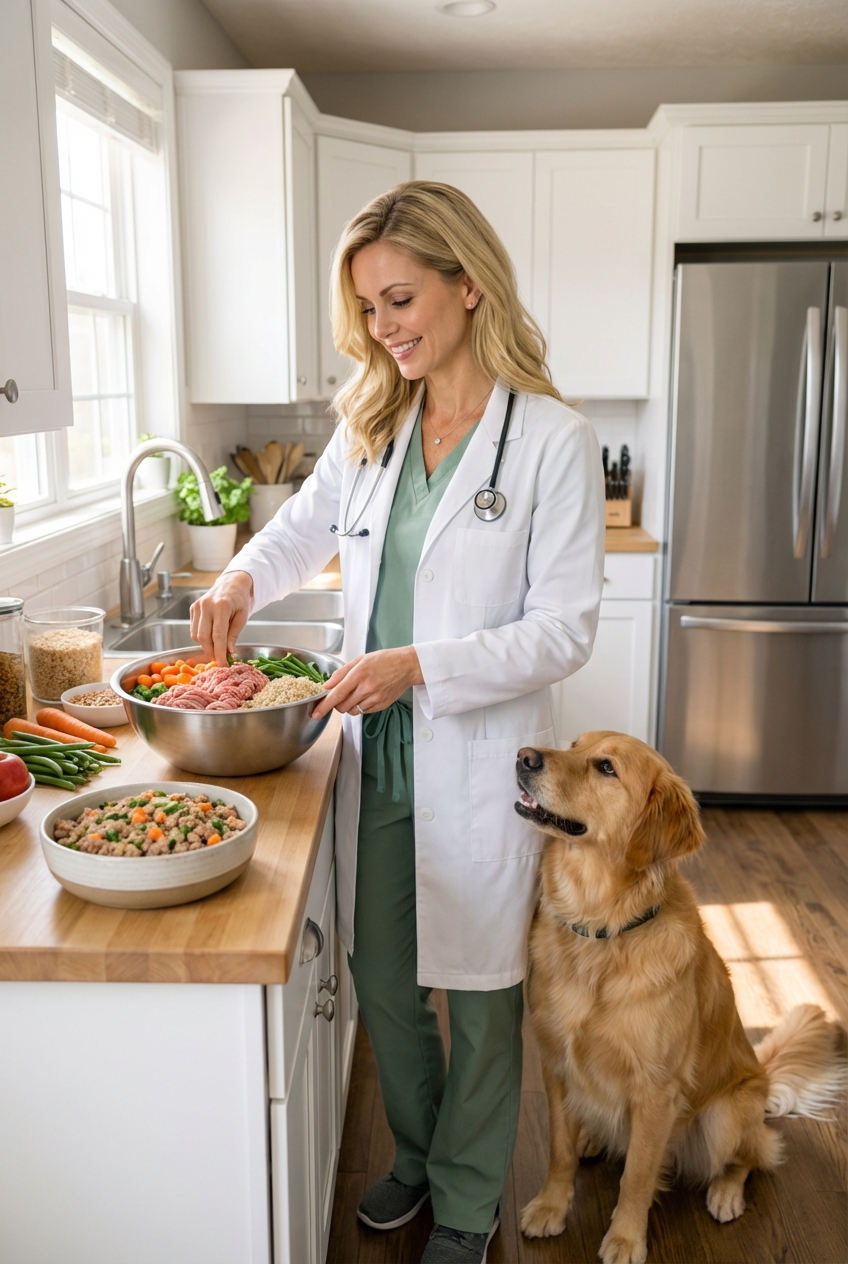
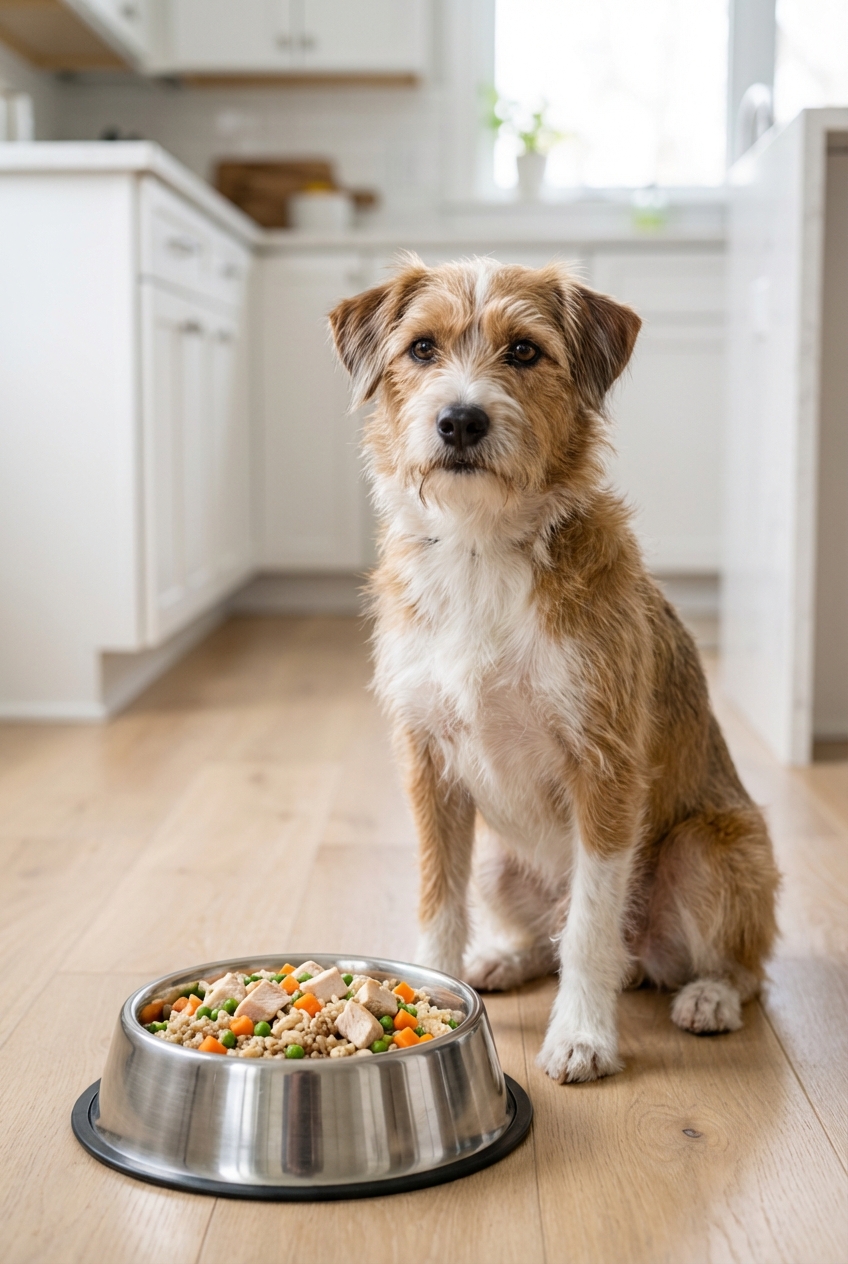
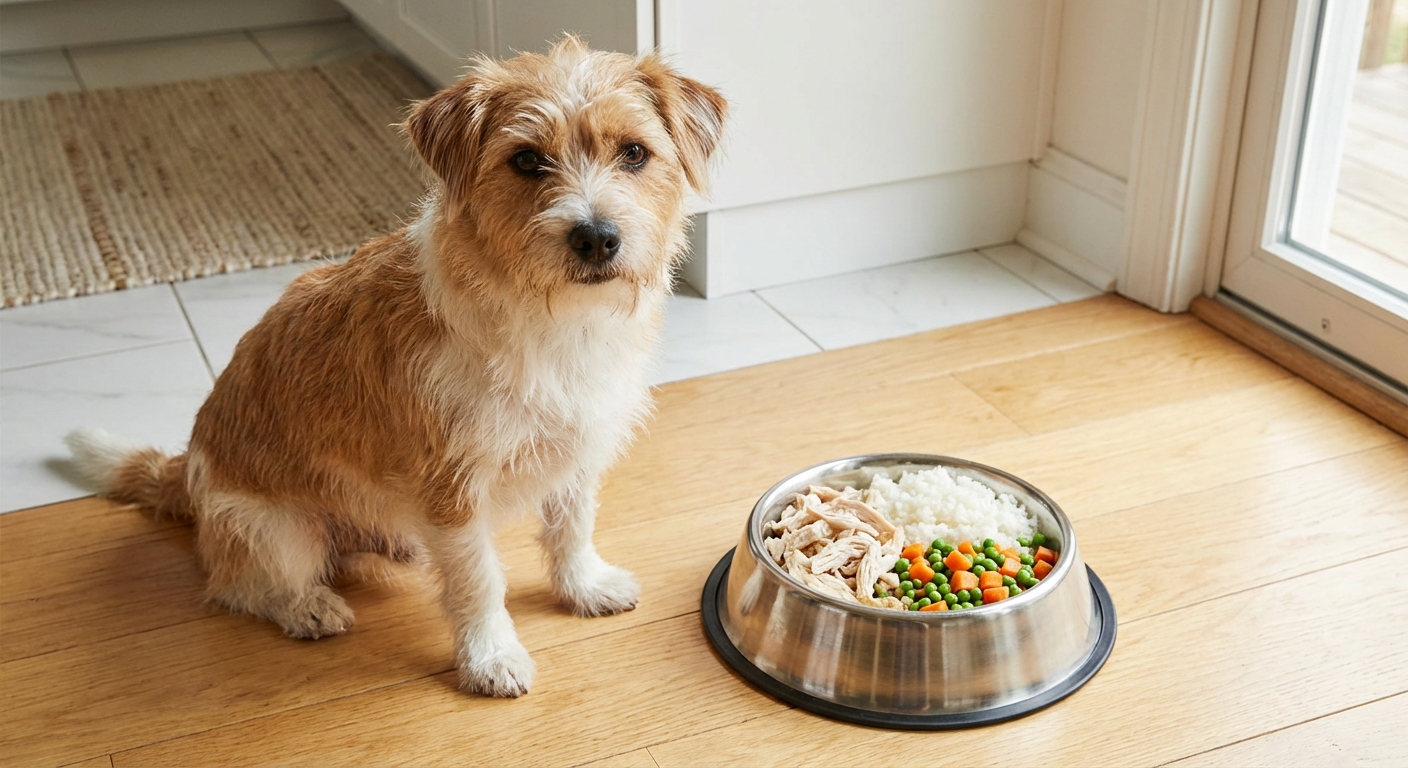
Starting your dog’s day with real, nourishing food can feel like a small change, but it can support steadier digestion, stable energy, and a healthy coat over time. As a nutrition and lifestyle medicine practitioner, I also want to be clear about one important point: homemade dog food can be wonderfully supportive, but it should be balanced, not just “healthy ingredients.” Dogs need the right mix of protein, fats, carbohydrates, fiber, calcium, and key micronutrients.
Below you will find 18 nutritious homemade recipes, including full meals and homemade treats. For long-term feeding, consider running your recipe through a board-certified veterinary nutritionist or using a vet-approved supplement designed for homemade diets.
Before you start
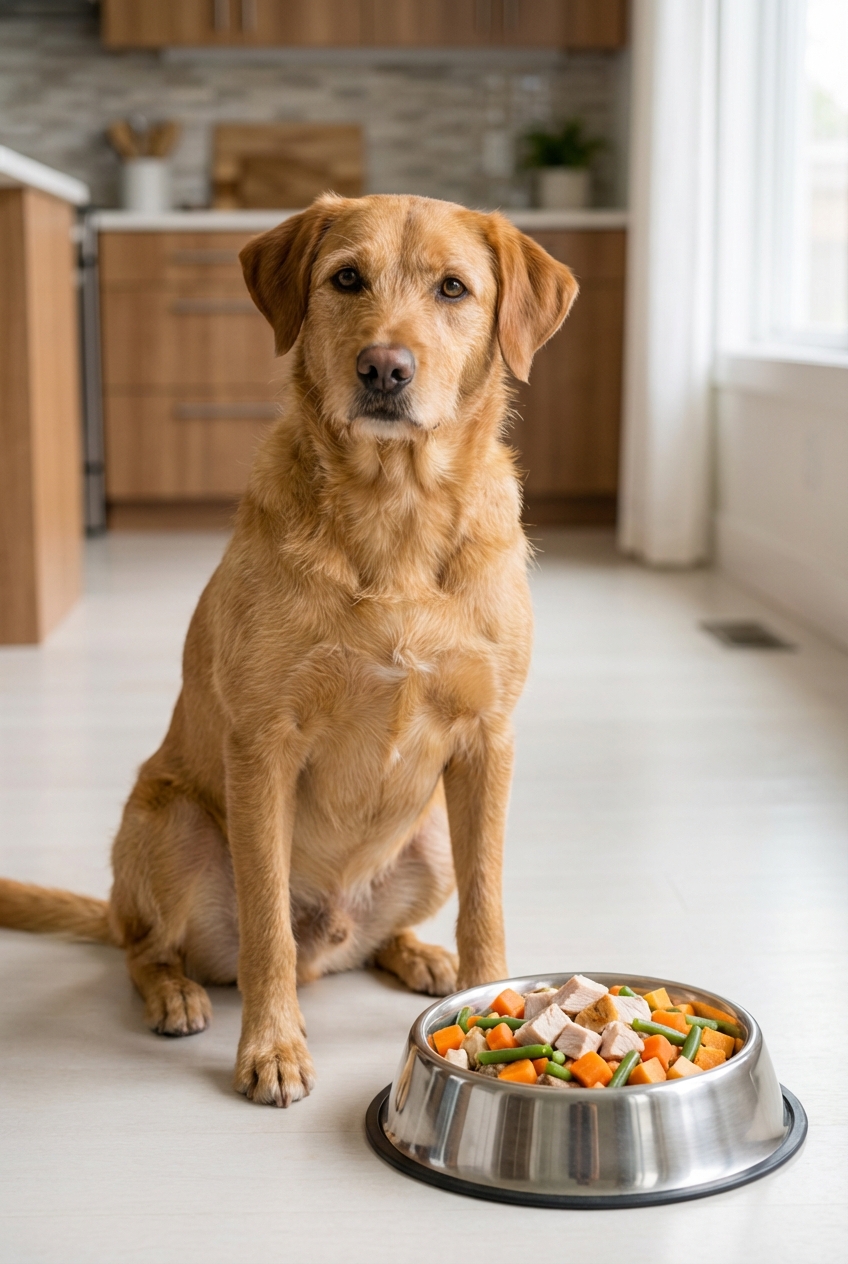
Safety and balance basics
- Always avoid: onions, garlic, grapes, raisins, chocolate, xylitol, macadamia nuts, alcohol, cooked bones, and excessive salt.
- Cook meats thoroughly unless your veterinarian specifically approves a raw plan. Raw diets can carry pathogens that may affect pets and people. Households with young children, seniors, pregnant people, or anyone immunocompromised should avoid raw feeding.
- These recipes are templates: Most of the “meals” below are best used as occasional meals, toppers, or rotation foods unless you make them complete and balanced with a veterinary-formulated supplement or a recipe designed by a veterinary nutritionist.
- Calcium matters: Many meat-and-starch recipes are low in calcium. If you plan to feed homemade regularly, ask your vet about a complete premix or an appropriate calcium source (examples include calcium carbonate or eggshell powder under veterinary guidance). The calcium-to-phosphorus ratio matters, so avoid guessing.
- Introduce changes slowly: mix 25% new food with 75% current food for 2 to 3 days, then increase gradually.
- Seasoning check: Skip salt, butter, oils beyond what is listed, and any broths or canned items that contain onion or garlic powder.
- Allergy note: Common triggers include chicken, beef, dairy, and eggs. If your dog has chronic itching or GI upset, talk with your veterinarian before experimenting.
- Fish note: Avoid using high-mercury fish (like tuna) as a regular staple. Stick with lower-mercury options more often, and keep fish in the “rotation” category unless your vet advises otherwise.
How to make it complete
If you want homemade food to be more than an occasional topper, plan for complete and balanced nutrition. In practice, that usually means:
- A veterinary-formulated recipe or a complete vitamin and mineral premix made specifically for homemade dog diets (not a generic human multivitamin).
- A reliable calcium plan to support an appropriate calcium-to-phosphorus ratio. This is one of the most common gaps in meat-based homemade diets.
- Correct dosing based on your dog’s weight, life stage, and health status. Follow product directions or your veterinary nutritionist’s formulation.
- Consistency over guesswork: small imbalances can add up over time, even when ingredients look “healthy.”
Portion guide
Portion needs vary widely because calorie density changes with ingredients, cooking method, and fat content. A more reliable approach is to use your dog’s body condition score (BCS) and calorie needs (often called MER, or maintenance energy requirement) with your veterinarian’s help.
Practical starting point: begin with a modest portion, monitor weight and stool quality for 1 to 2 weeks, then adjust. If your dog is gaining weight, reduce portions by 10% to 15%. If losing weight unintentionally, increase by 10% to 15%. When in doubt, ask your vet for a calorie target and weigh food with a kitchen scale.
Homemade dog food meals (12)
1) Turkey, brown rice, and spinach dinner
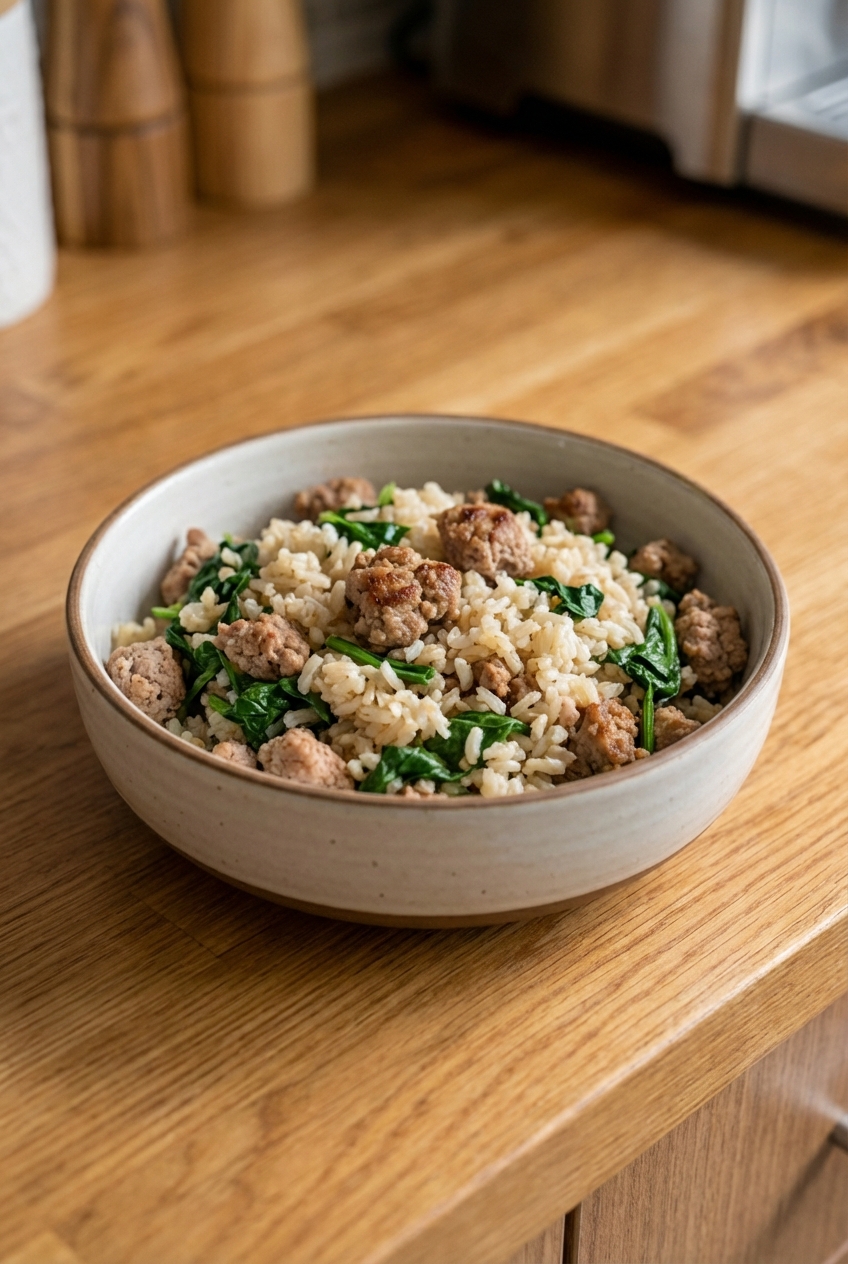
Why it’s nutritious: A simple mix with lean protein and a gently cooked carb source, plus leafy greens for added fiber and naturally occurring vitamins.
- Ingredients: 1 lb ground turkey (raw), 2 cups cooked brown rice, 1 cup chopped spinach, 1/2 cup grated carrot, 1 tbsp olive oil
- Directions: Brown turkey in a pan and cook through. Stir in cooked rice, spinach, and carrot until spinach wilts. Cool, then mix in olive oil.
- Use: Great as a topper or short-term meal. For regular feeding, add a complete homemade diet supplement and a veterinary-approved calcium source.
- Storage: Refrigerate up to 3 days or freeze up to 2 months in portioned containers.
2) Chicken and sweet potato comfort bowl
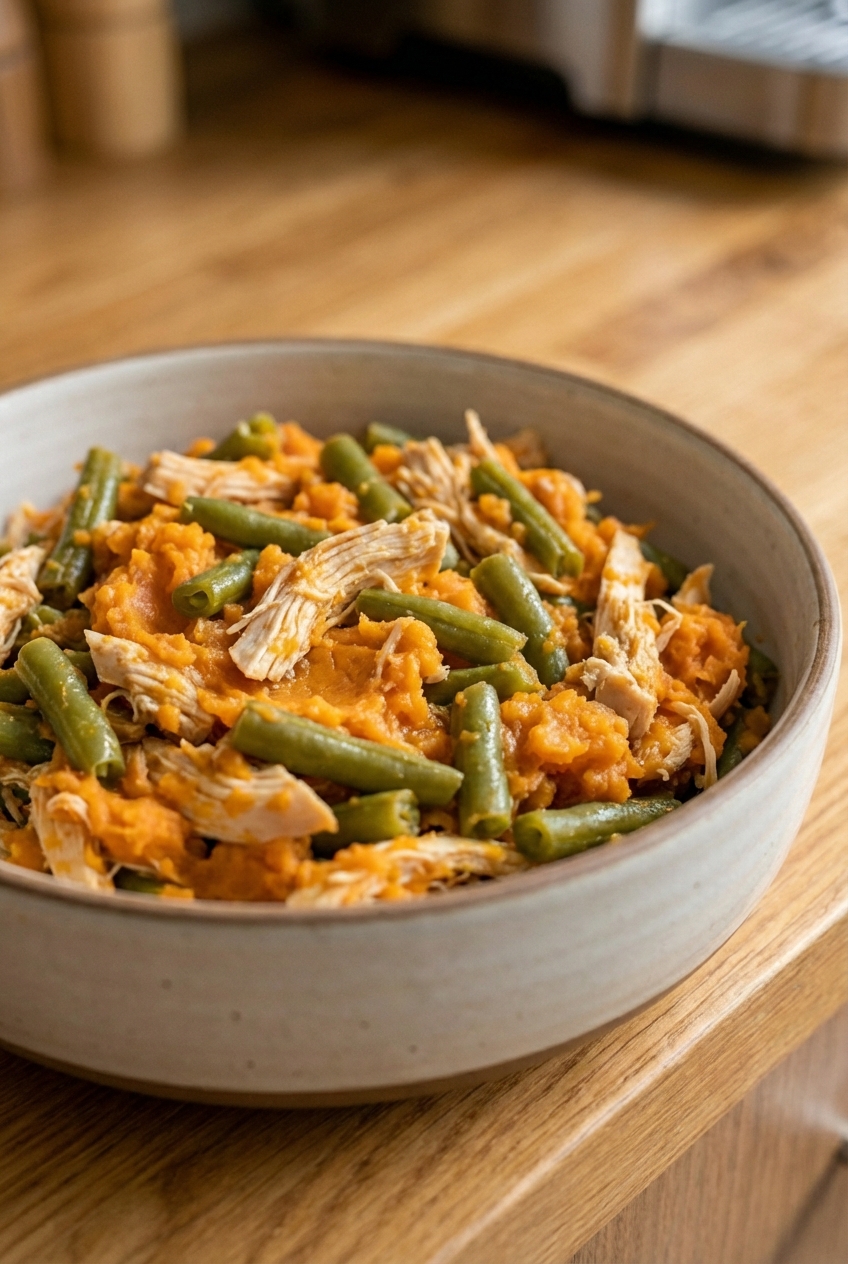
Why it’s nutritious: Gentle ingredients for many dogs, with soluble and insoluble fiber from sweet potato and green beans.
- Ingredients: 2 cups cooked shredded chicken, 2 cups cooked mashed sweet potato, 1 cup chopped cooked green beans, 1 tsp fish oil (optional)
- Directions: Combine warm ingredients and cool fully. Add fish oil right before serving.
- Note: If your dog has a pancreatitis history, skip fish oil and keep it lower fat.
- Storage: Refrigerate up to 3 days or freeze up to 2 months.
3) Beef and quinoa veggie skillet
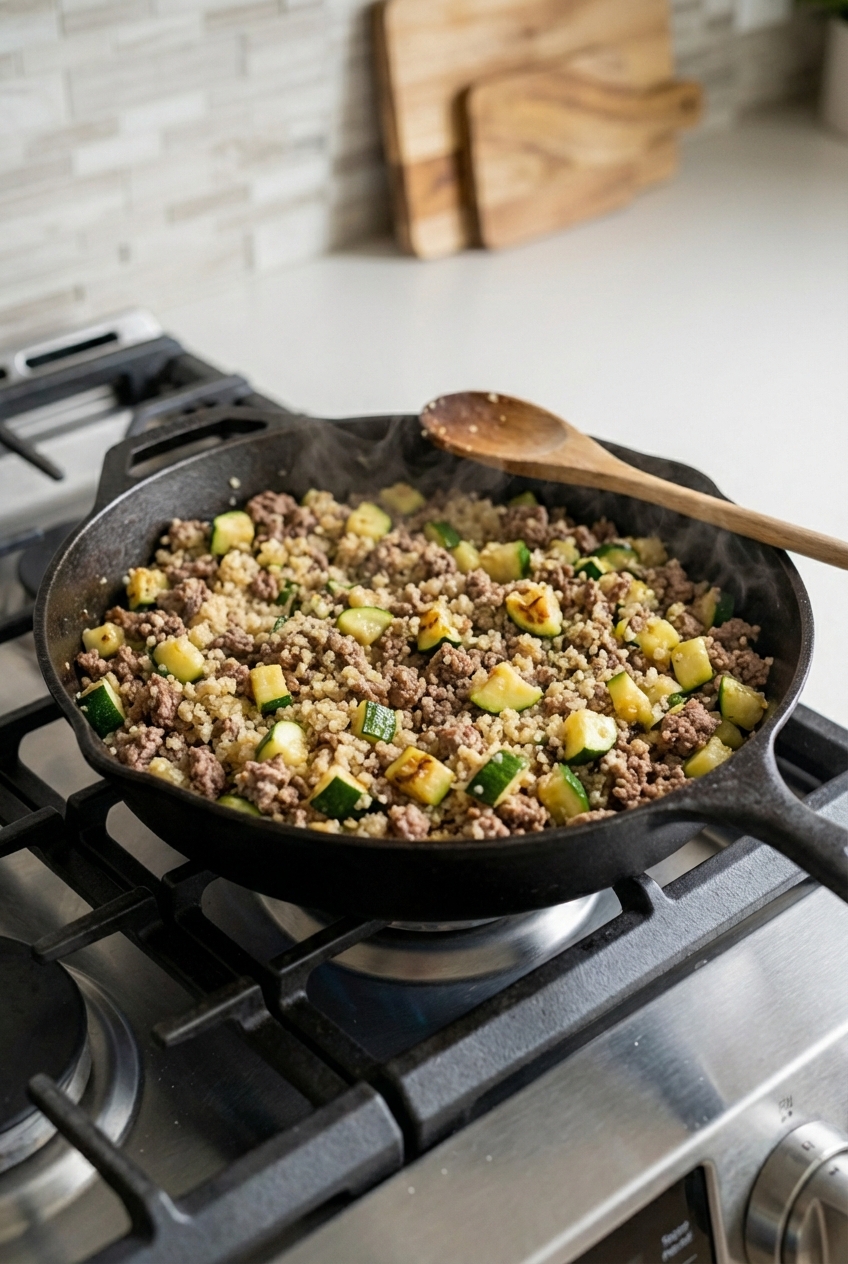
Why it’s nutritious: A hearty mix with protein plus quinoa for variety and fiber, especially when everything is cooked until soft.
- Ingredients: 1 lb lean ground beef (raw), 2 cups cooked quinoa, 1 cup diced zucchini (cooked), 1/2 cup chopped bell pepper (cooked), 1 tbsp flaxseed (ground)
- Directions: Cook beef and drain excess fat. Stir in cooked quinoa and cooked veggies until warmed through. Cool, then add ground flaxseed.
- Serving tip: For sensitive dogs, use peeled zucchini and omit bell pepper. If flaxseed loosens stools, start with a small pinch and increase only if tolerated.
- Storage: Refrigerate up to 3 days or freeze up to 2 months.
4) Salmon and pumpkin support bowl
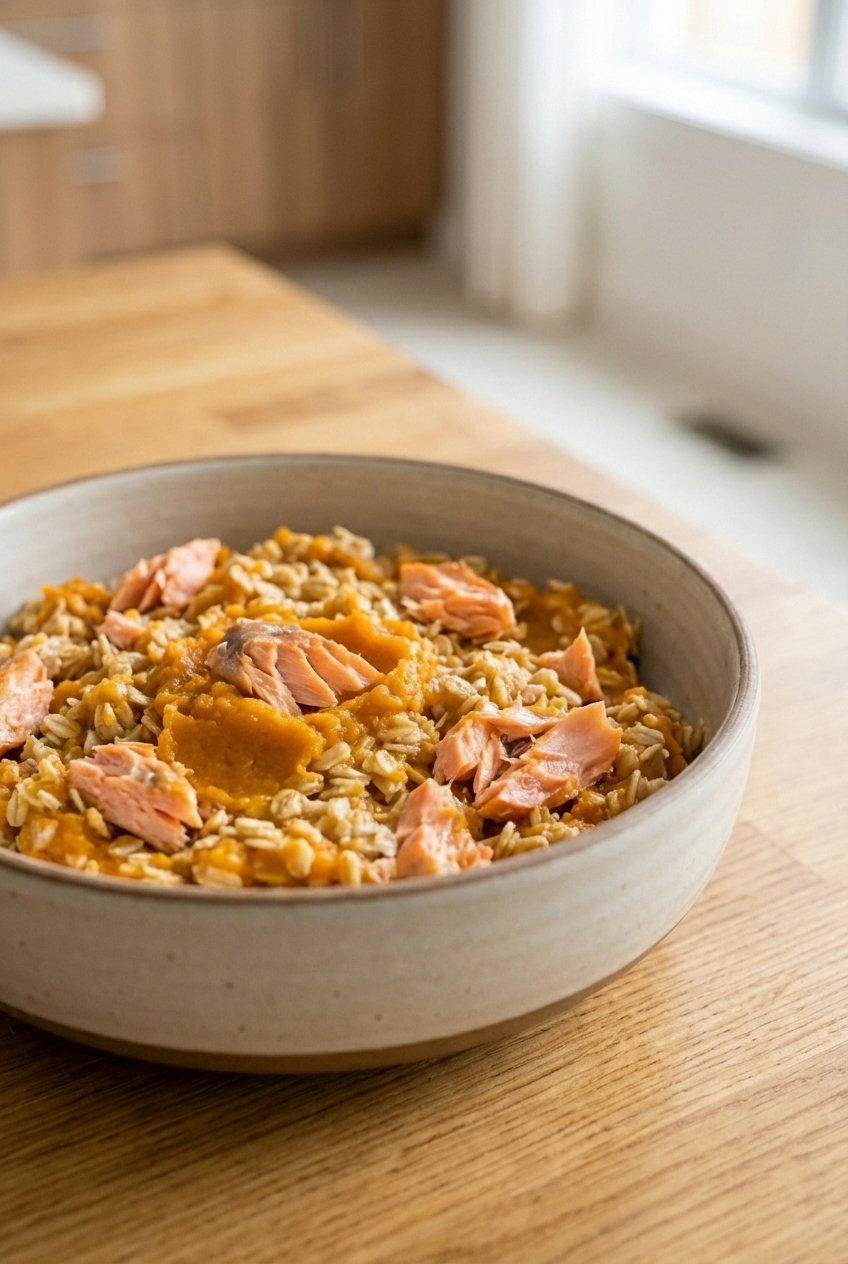
Why it’s nutritious: Salmon provides omega-3 fats that support skin and coat health. Pumpkin adds soluble fiber, which may help stool quality in some dogs.
- Ingredients: 2 cups cooked flaked salmon (boneless), 1 cup plain pumpkin puree, 1 1/2 cups cooked oats, 1/2 cup chopped cooked carrots
- Directions: Mix everything while warm. Let cool.
- Note: Use plain pumpkin, not pumpkin pie filling. Too much pumpkin can loosen stools in some dogs, so start small.
- Storage: Refrigerate up to 3 days or freeze up to 2 months.
5) Lamb and lentil stew
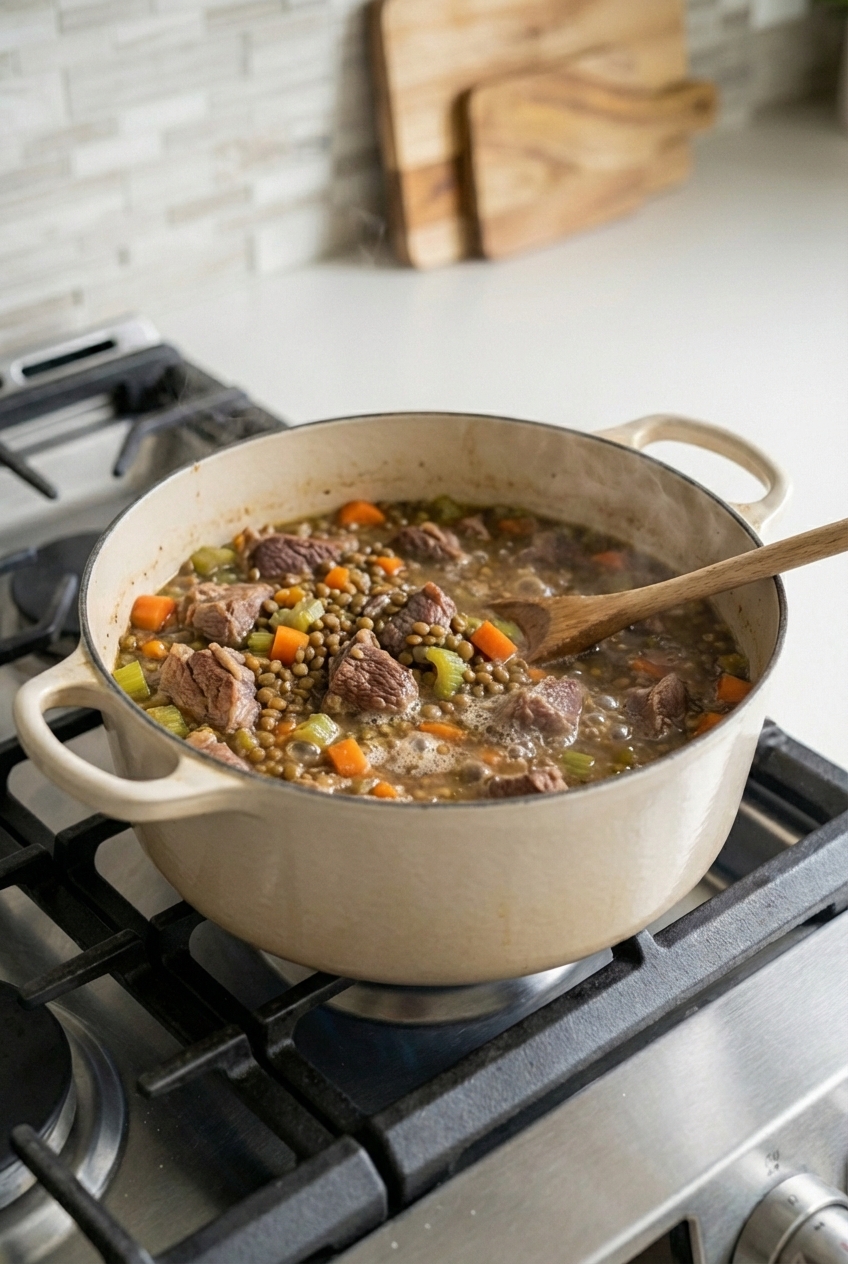
Why it’s nutritious: Protein plus fiber can help some dogs feel satisfied when portions are appropriate.
- Ingredients: 1 lb lamb (lean, diced, raw), 1 cup cooked lentils (cooked separately or use pre-cooked), 1/2 cup diced carrots (cooked), 1/2 cup diced celery (cooked), 2 cups low-sodium broth or water
- Directions: Simmer lamb until fully cooked. Add veggies and broth, cook until soft, then stir in cooked lentils. Cool before serving.
- Tip: Lentils and other legumes can cause gas or loose stool. Introduce slowly, and avoid using legumes in dogs with diet-sensitive GI disease unless your veterinarian guides you.
- Storage: Refrigerate up to 3 days or freeze up to 2 months.
6) Pork, apple, and rice bowl
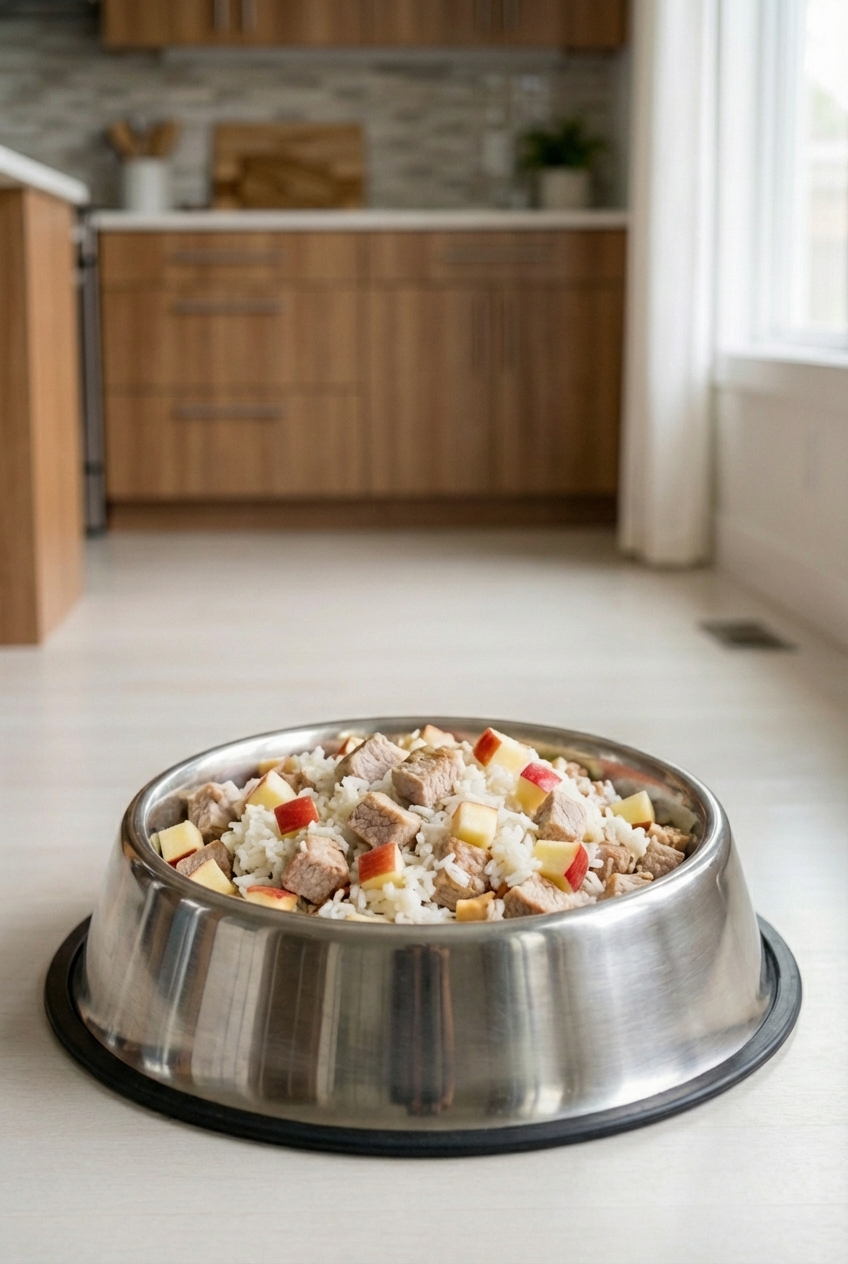
Why it’s nutritious: Pork adds protein and B vitamins. Apple adds flavor and gentle fiber.
- Ingredients: 2 cups cooked lean pork (diced), 2 cups cooked white or brown rice, 1/2 cup peeled finely diced apple, 1/2 cup cooked peas
- Directions: Combine warm pork and rice. Fold in apple and peas, then cool.
- Safety: No apple seeds or core.
- Storage: Refrigerate up to 3 days or freeze up to 2 months.
7) Sardine and cauliflower mash
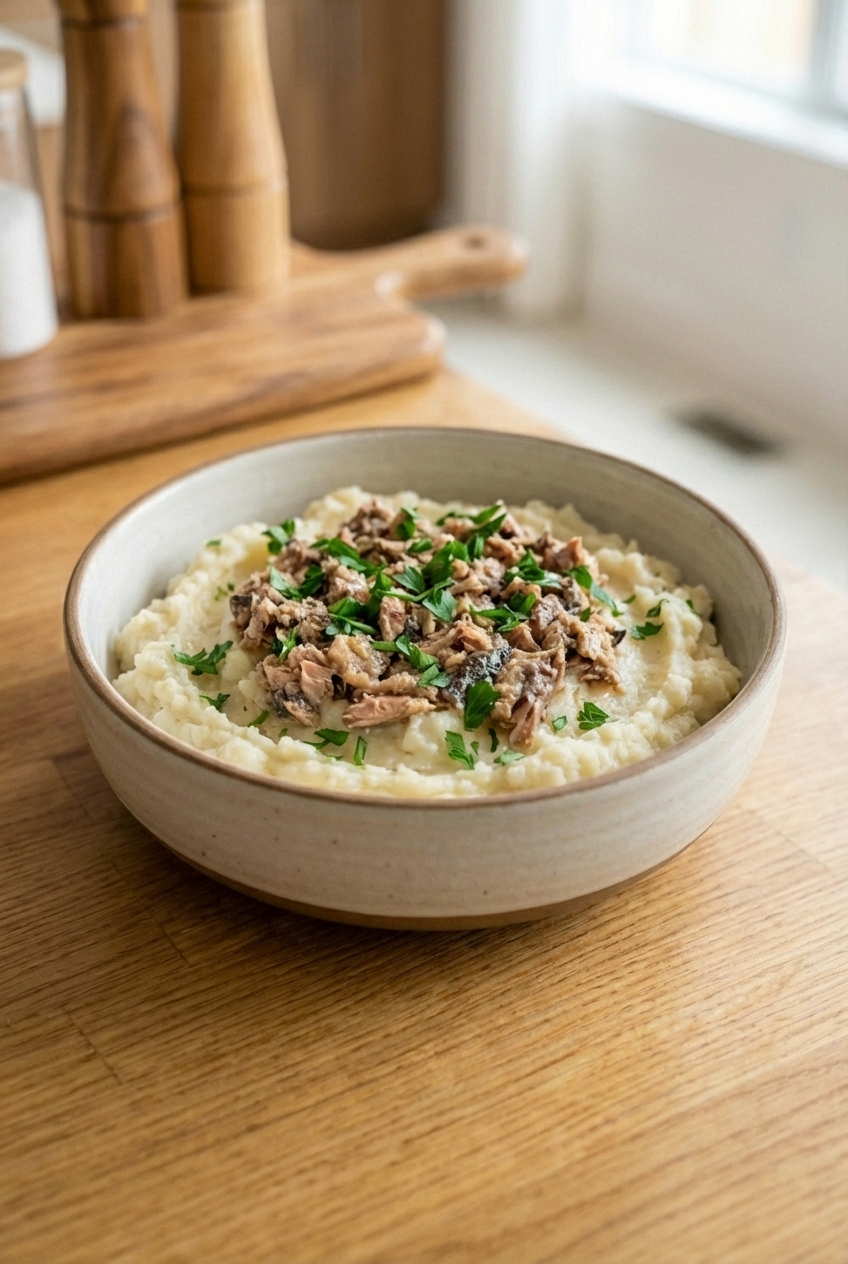
Why it’s nutritious: Sardines are rich in omega-3s. If you use sardines with bones, they also contribute calcium. Cauliflower is light and fiber-rich.
- Ingredients: 2 cans sardines in water (drained, ideally with bones), 3 cups steamed cauliflower (mashed), 1/2 cup cooked chopped spinach
- Directions: Mash sardines into cauliflower, stir in spinach, and cool.
- Note: Choose sardines in water with no added salt when possible. Avoid sauces and seasoned varieties.
- Storage: Refrigerate up to 2 days (fish spoils faster) or freeze up to 1 month.
8) Chicken liver and rice mix
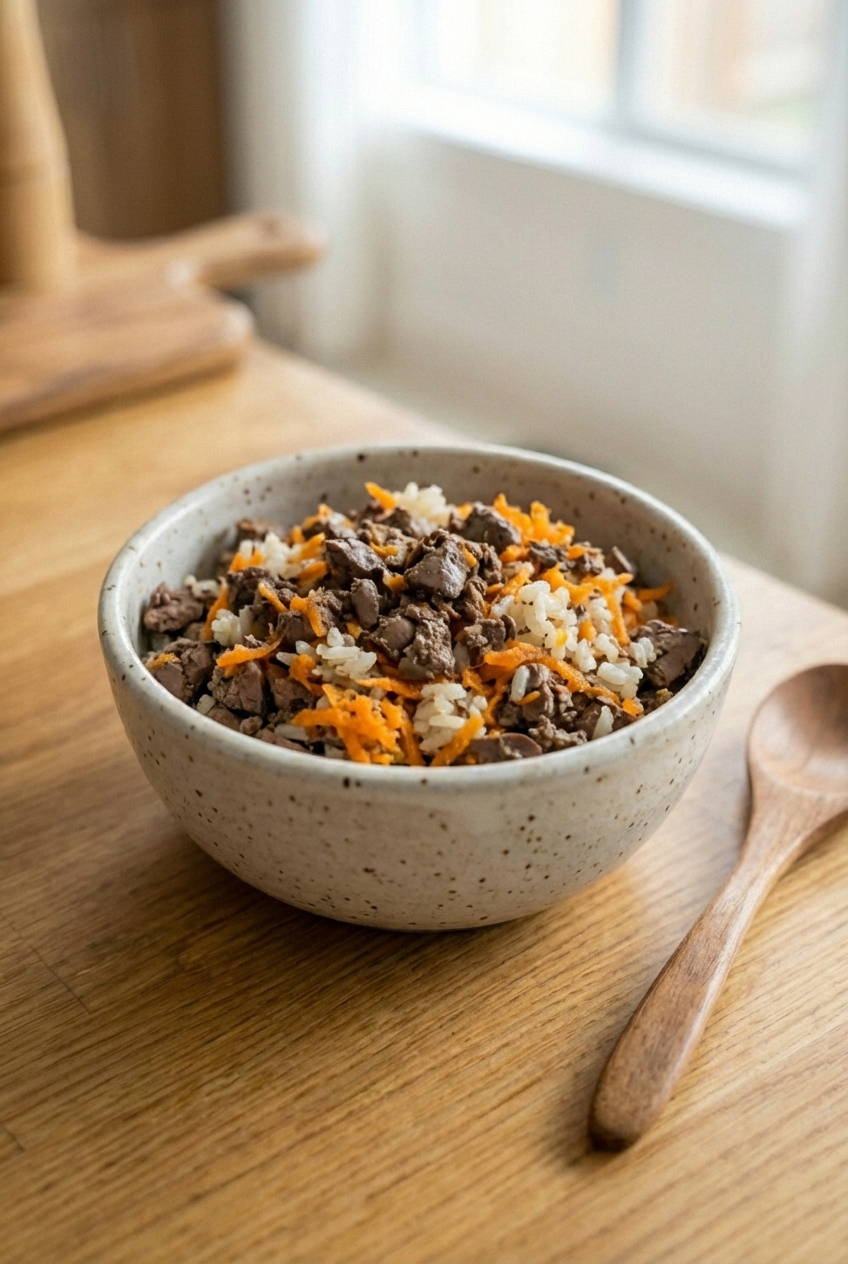
Why it’s nutritious: Liver is nutrient-dense, but it should be used in small amounts.
- Ingredients: 4 oz raw chicken liver, cooked thoroughly and finely chopped, 2 cups cooked rice, 1/2 cup grated carrot
- Directions: Cook liver thoroughly and chop finely. Mix with cooked rice and carrot.
- How to use: Feed as a topper, not the sole daily meal, unless formulated by a veterinary nutritionist.
- Storage: Refrigerate up to 2 days or freeze up to 1 month.
9) Turkey and barley garden bowl
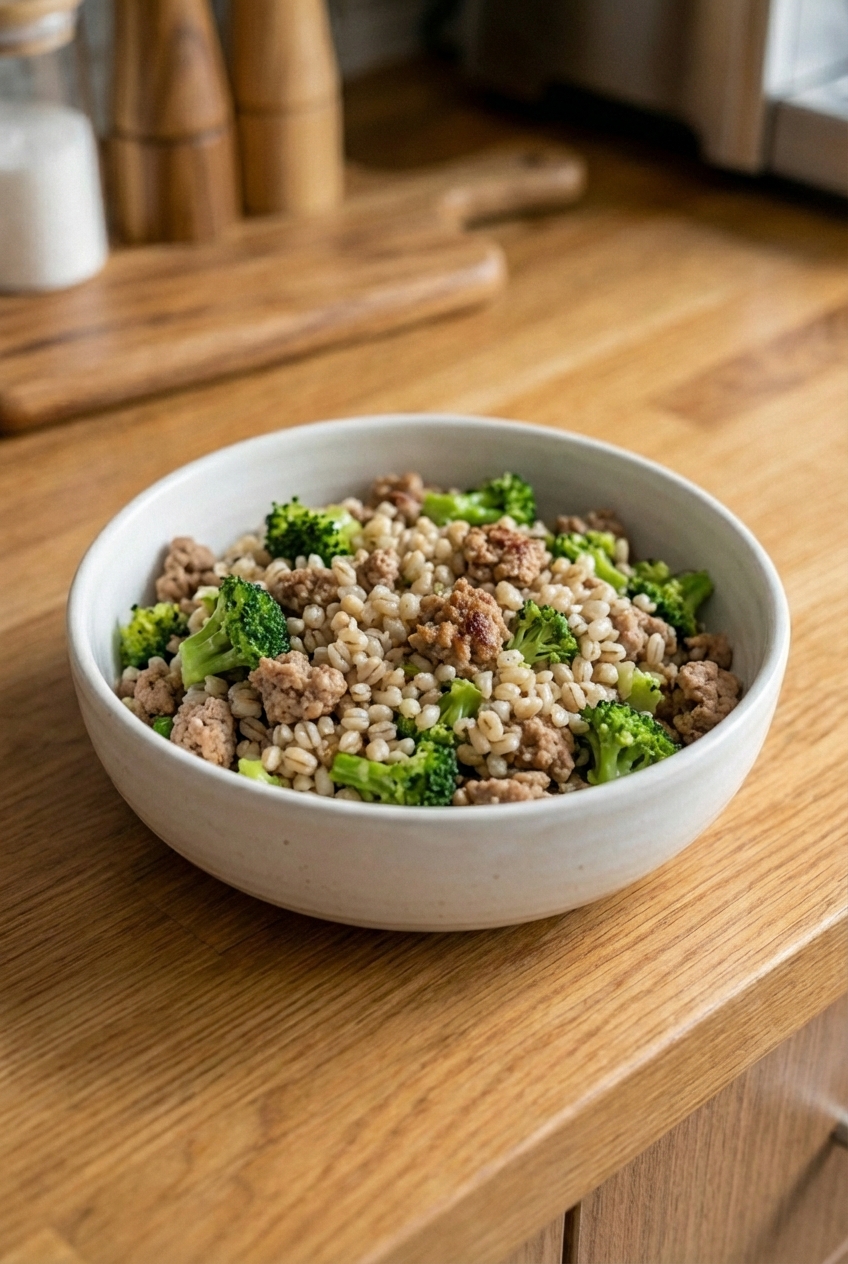
Why it’s nutritious: A lean protein base with barley for a carb source that is digestible for many dogs when well-cooked, plus veggies for fiber.
- Ingredients: 1 lb ground turkey (raw), 2 cups cooked barley, 1/2 cup chopped broccoli (cooked), 1/2 cup diced cucumber (optional, add after cooling)
- Directions: Cook turkey fully. Mix with cooked barley and cooked broccoli. Cool, then add cucumber if using.
- Storage: Refrigerate up to 3 days or freeze up to 2 months.
10) Beef heart and pumpkin rice
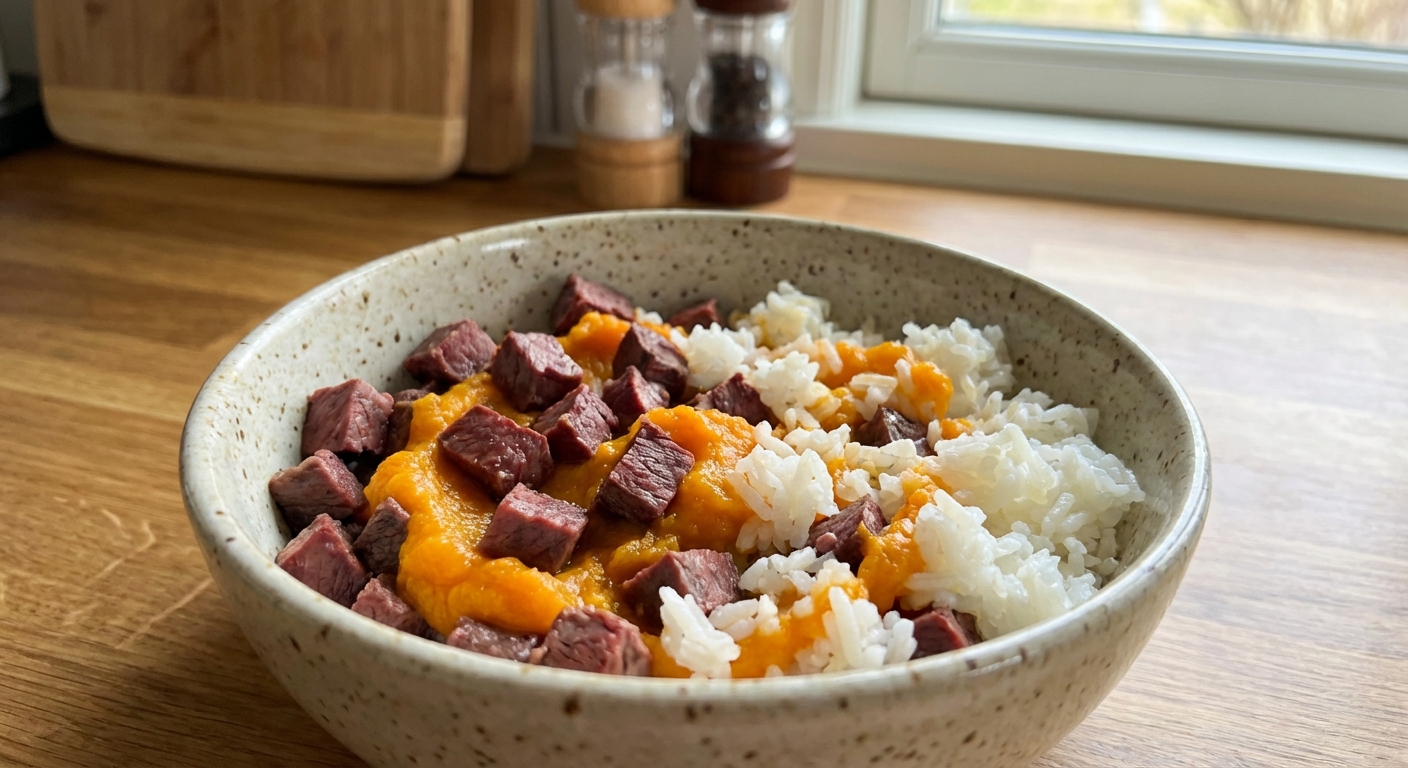
Why it’s nutritious: Beef heart is a flavorful organ meat that contains taurine and provides a rich amino acid profile. Pumpkin adds fiber.
- Ingredients: 2 cups cooked diced beef heart, 2 cups cooked rice, 3/4 cup plain pumpkin puree, 1/2 cup cooked chopped green beans
- Directions: Combine all ingredients and cool.
- Tip: This is flavorful, so it can help picky eaters transition to homemade toppers.
- Storage: Refrigerate up to 3 days or freeze up to 2 months.
11) White fish and potato bowl
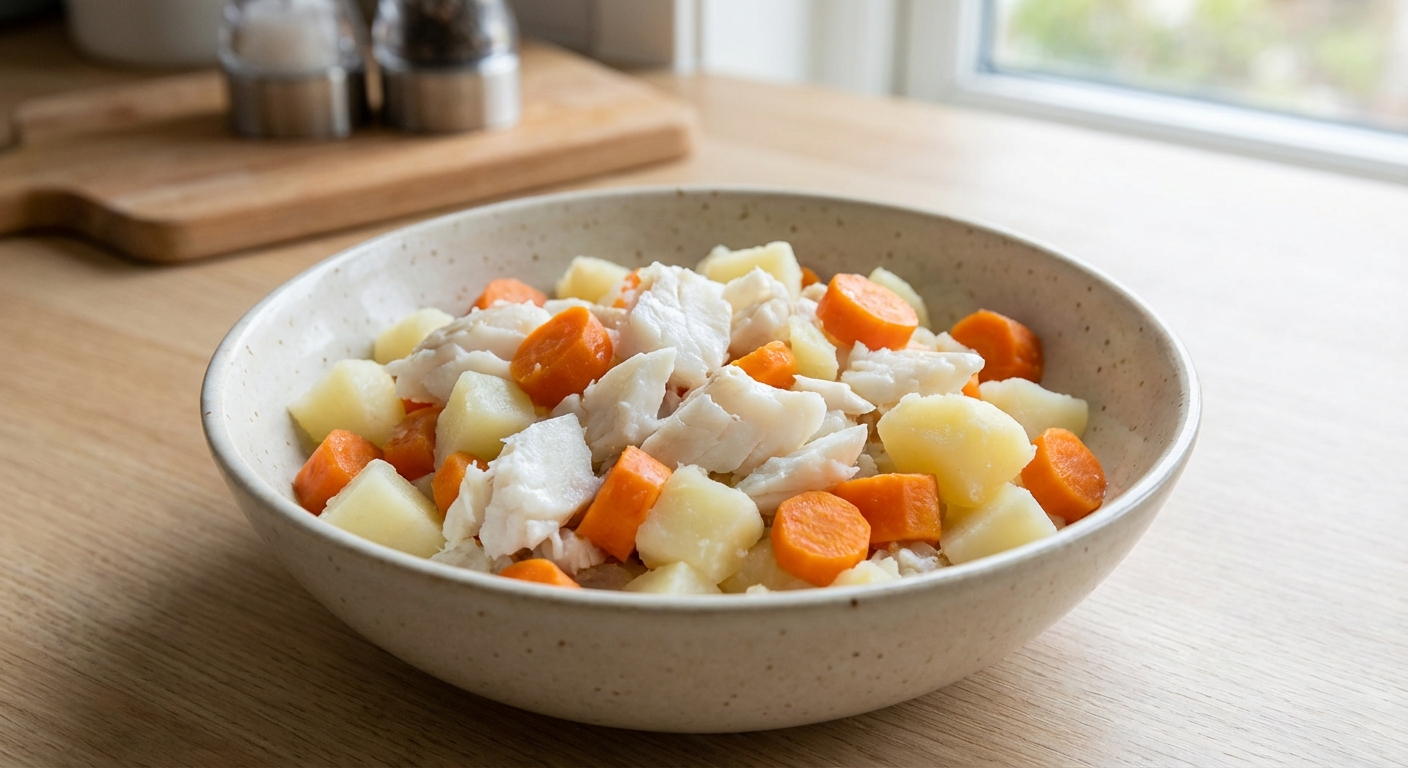
Why it’s nutritious: Mild, lower-fat protein option that may work well for dogs with sensitive digestion.
- Ingredients: 2 cups cooked flaked cod or pollock (boneless), 2 cups boiled diced potato, 1/2 cup cooked diced carrots
- Directions: Mix while warm, then cool completely.
- Note: Avoid seasoning and butter.
- Storage: Refrigerate up to 2 days or freeze up to 1 month.
12) Egg, cottage cheese, and oat bowl
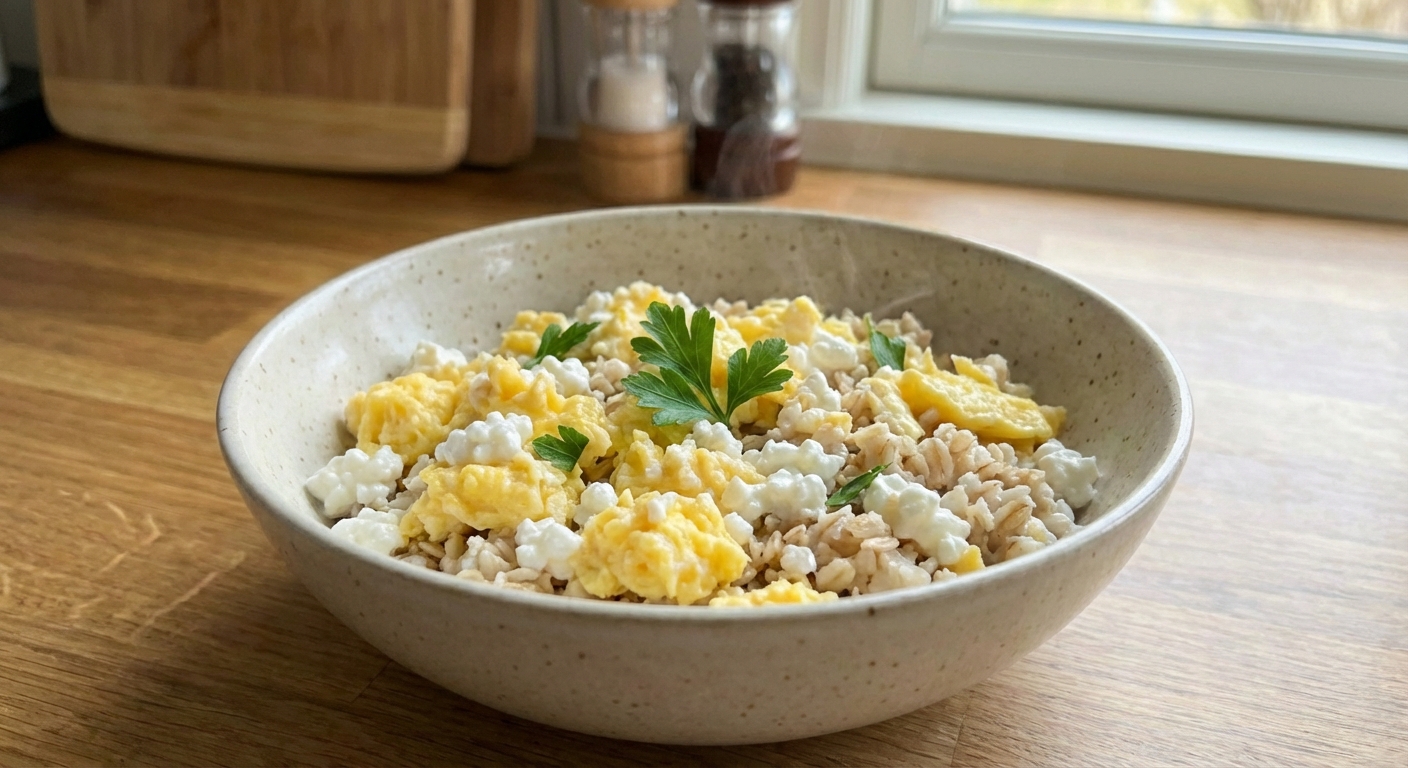
Why it’s nutritious: Eggs provide highly bioavailable protein. Cottage cheese adds palatability and some calcium, but it is not a complete calcium plan on its own.
- Ingredients: 2 eggs (scrambled), 1/2 cup low-fat cottage cheese, 1 1/2 cups cooked oats, 1/4 cup blueberries (optional)
- Directions: Scramble eggs without oil or with a tiny amount. Stir into cooked oats with cottage cheese. Add blueberries after cooling.
- Tip: If dairy causes loose stool, skip cottage cheese and use a veterinary-approved calcium source and complete supplement instead.
- Storage: Refrigerate up to 2 days or freeze up to 1 month.
Homemade dog treats (6)
13) Peanut butter banana bites
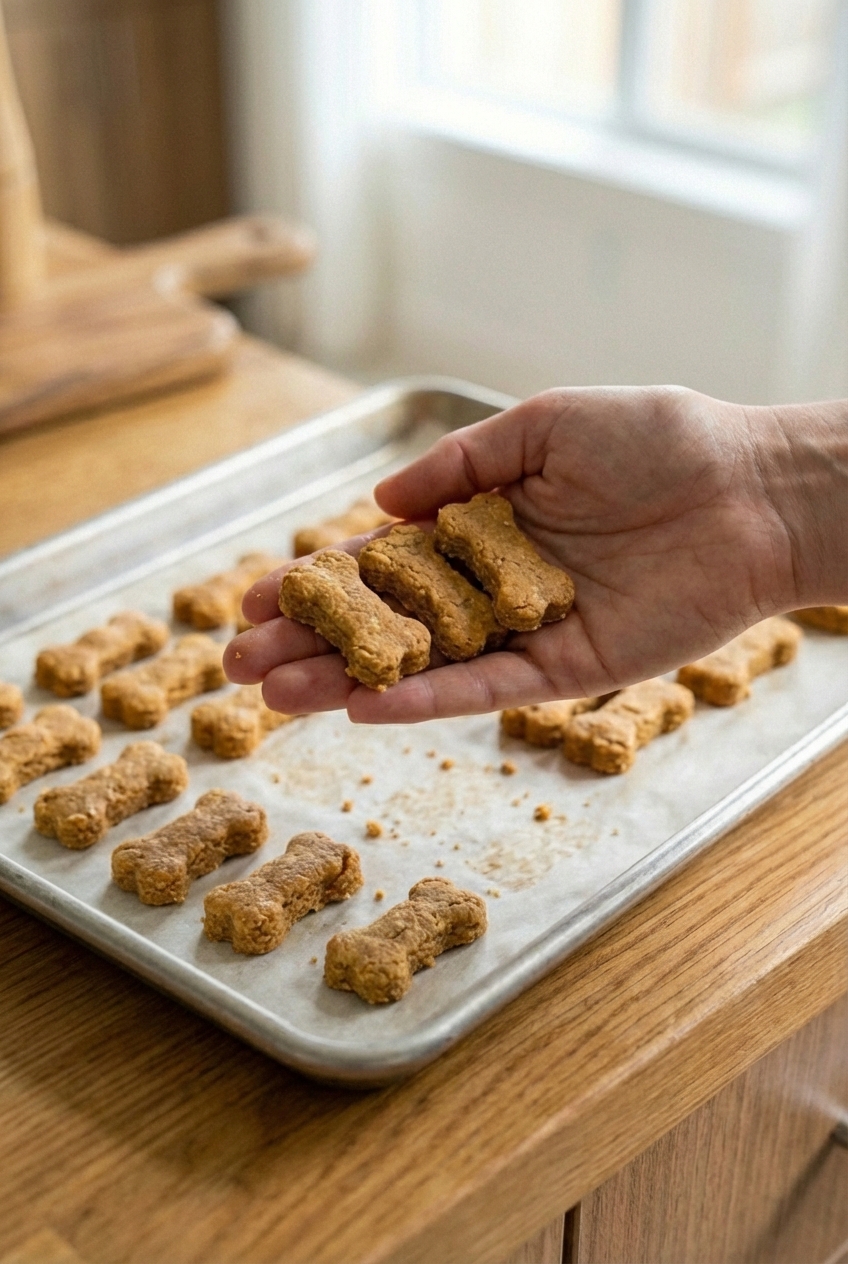
Why it’s nutritious: Simple ingredients, great for training in tiny amounts.
- Ingredients: 1 ripe banana, 1/3 cup natural peanut butter (xylitol-free), 1 cup oat flour
- Directions: Mash banana, mix in peanut butter and oat flour. Roll into small balls and bake at 350°F for 12 to 15 minutes. Cool fully.
- Yield and size: About 30 to 50 small bites depending on size. Aim for pea-size for small dogs, blueberry-size for medium dogs, and marble-size for large dogs.
- Portion: Keep treats under 10% of daily calories.
- Storage: Refrigerate up to 7 days or freeze up to 2 months.
14) Pumpkin oat cookies
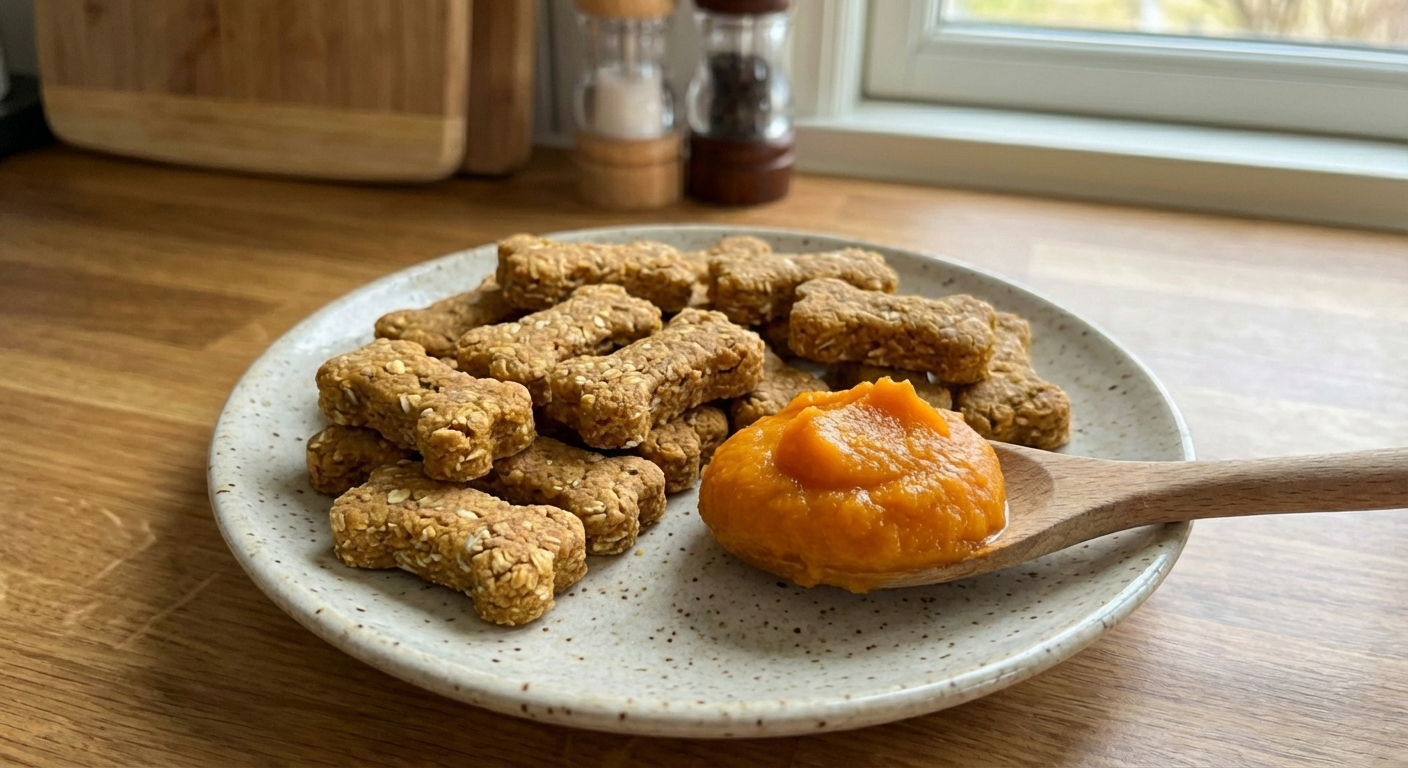
Why it’s nutritious: Pumpkin and oats add gentle fiber. Start with small portions since pumpkin can loosen stools in some dogs.
- Ingredients: 1/2 cup pumpkin puree, 1 egg, 1 1/2 cups rolled oats
- Directions: Blend oats into a coarse flour if you prefer. Mix all ingredients, spoon onto a lined baking sheet, bake at 350°F for 18 to 22 minutes. Cool fully.
- Storage: Refrigerate up to 7 days or freeze up to 2 months.
15) Salmon skin crisps
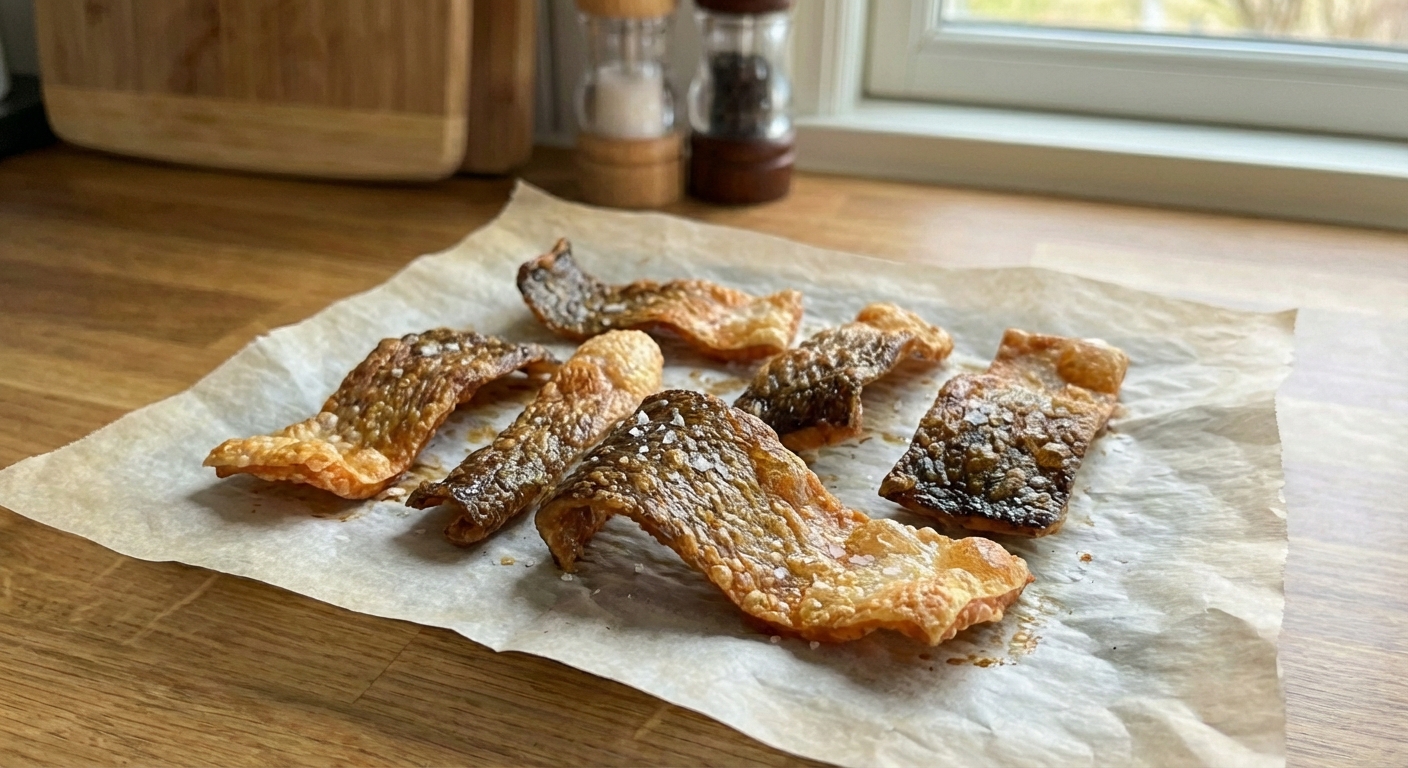
Why it’s nutritious: An omega-3 rich treat that many dogs love, but it is also higher fat, so small portions matter.
- Ingredients: Salmon skins (from skin-on fillets)
- Directions: Rinse and pat dry. Bake at 275°F for 25 to 35 minutes until fully cooked and crisp. Cool completely and break into tiny pieces.
- Note: Fish can carry parasites, so do not serve undercooked skins. Keep portions small due to fat content.
- Storage: Refrigerate up to 3 days or freeze up to 1 month.
16) Apple cinnamon mini muffins
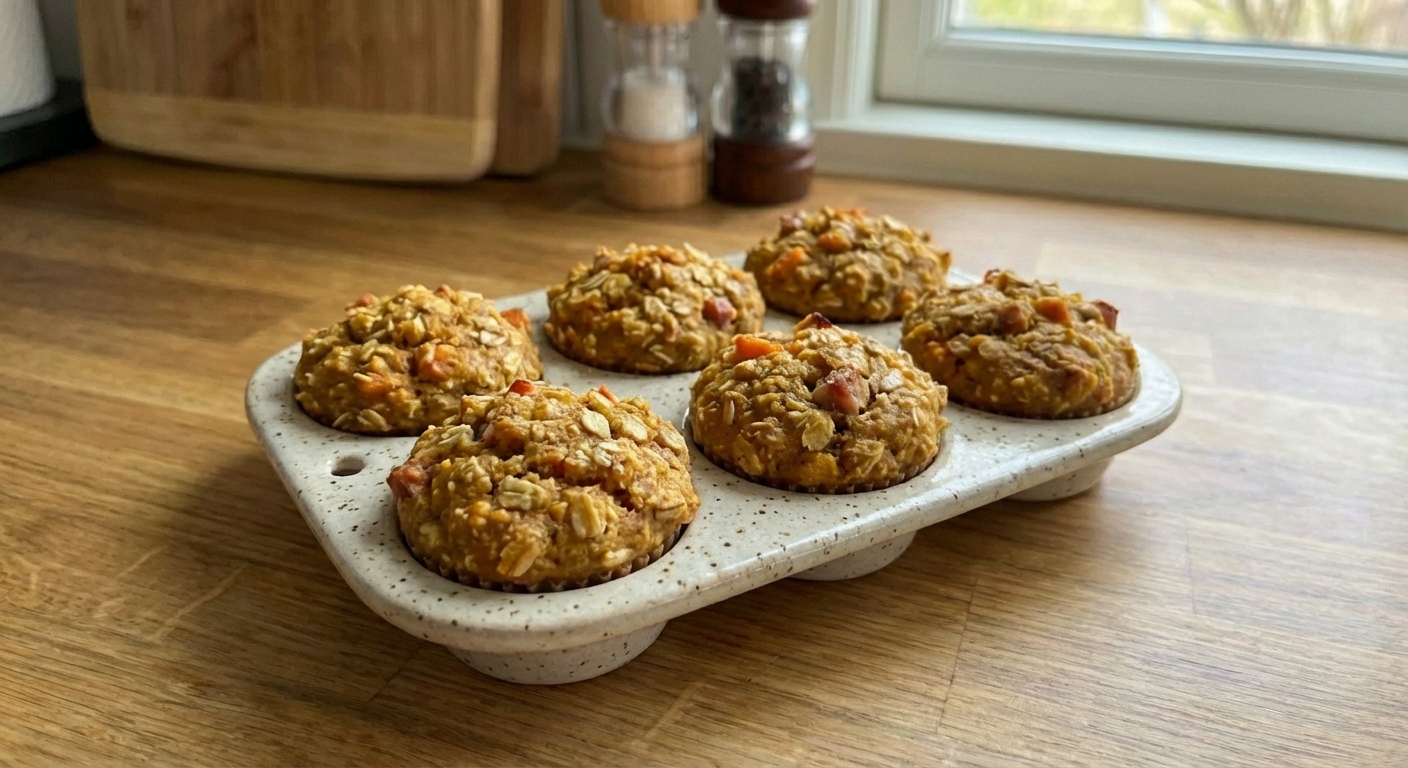
Why it’s nutritious: A fun texture with modest fiber. Cinnamon should be a tiny pinch only.
- Ingredients: 1 cup unsweetened applesauce, 1 egg, 1 1/2 cups oat flour, pinch of cinnamon
- Directions: Mix batter, portion into a mini muffin pan, bake at 350°F for 14 to 16 minutes. Cool fully.
- Safety: No nutmeg.
- Yield and size: About 18 to 24 mini muffins. Serve 1 mini muffin for small dogs, 1 to 2 for medium dogs, and 2 for large dogs as an occasional treat.
- Storage: Refrigerate up to 7 days or freeze up to 2 months.
17) Frozen yogurt blueberry pops
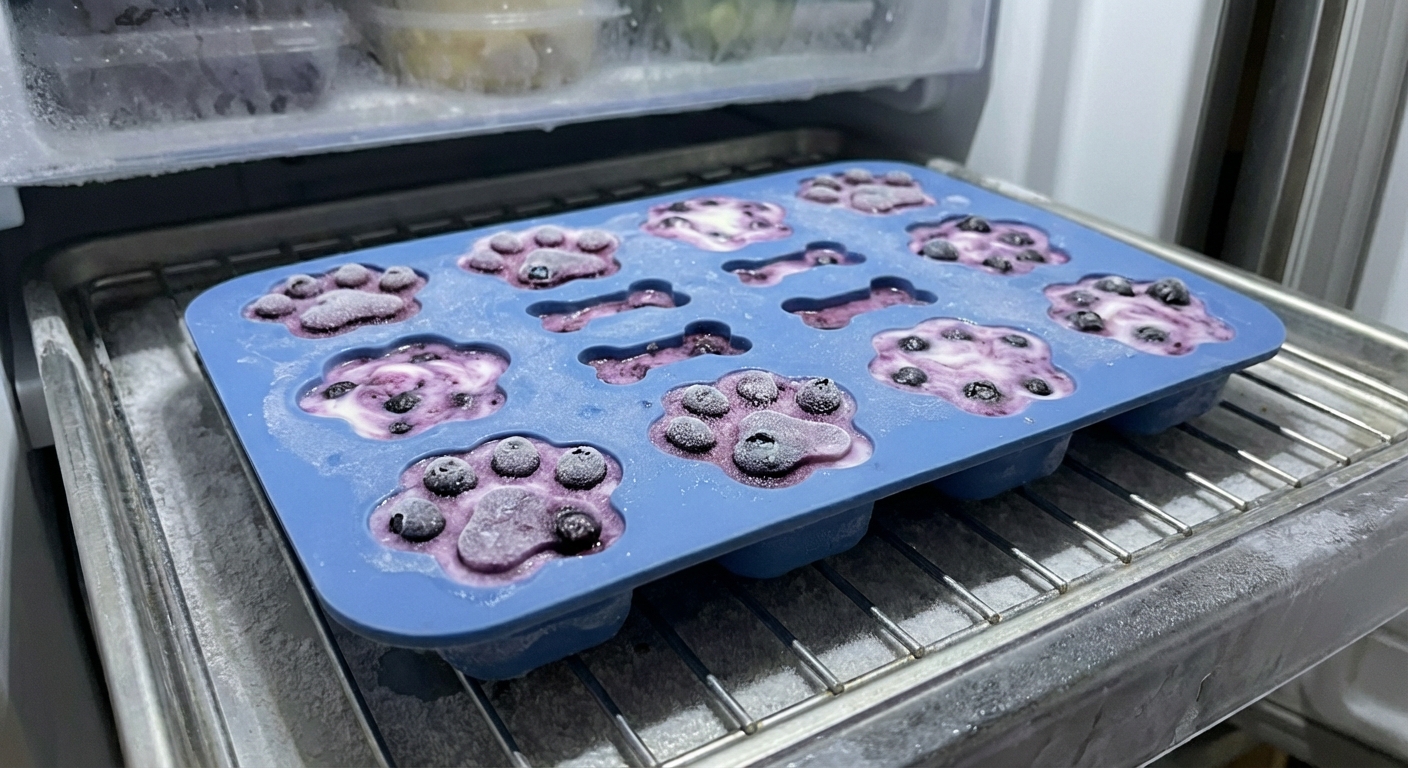
Why it’s nutritious: Cooling option for hot days, with blueberries for antioxidants.
- Ingredients: 1 cup plain unsweetened yogurt, 1/2 cup blueberries
- Directions: Mash blueberries slightly, stir into yogurt, freeze in silicone molds. Serve one small pop at a time.
- Note: If your dog is lactose sensitive, use lactose-free yogurt or skip and freeze blueberries in water instead.
- Storage: Keep frozen up to 2 months.
18) Chicken jerky strips
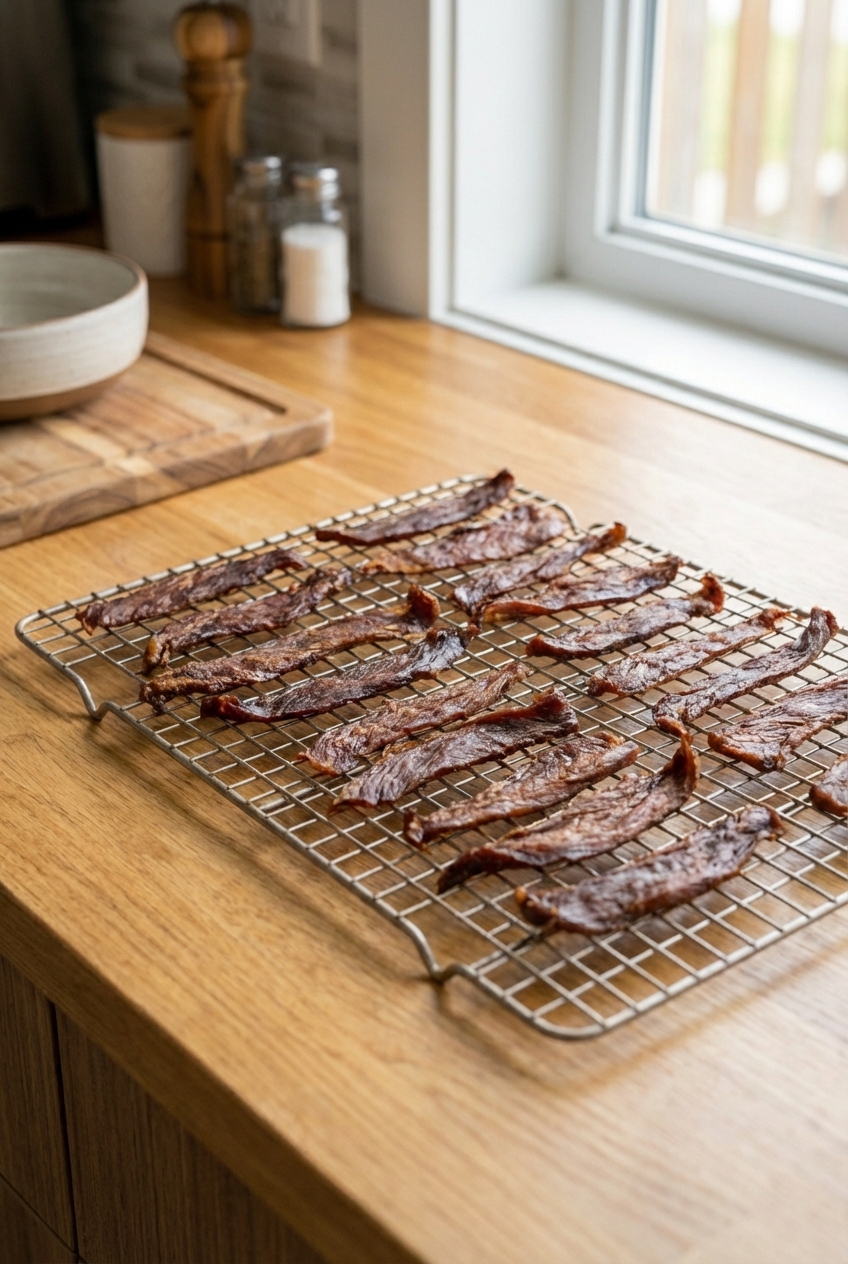
Why it’s nutritious: Single-ingredient protein treat with no fillers.
- Ingredients: Boneless skinless chicken breast
- Directions: Slice into thin strips (thinner dries more safely and evenly). Bake on a rack at 200°F for 2 to 3 hours until dry and firm. Use a meat thermometer and confirm the thickest strip reaches 165°F during cooking. Cool fully.
- Food safety: Homemade jerky can spoil or mold more easily than commercial products. Store refrigerated, discard if you notice any off smell or visible changes, and keep portions small.
- Storage: Refrigerate up to 5 days or freeze up to 2 months.
Smart add-ins
If your veterinarian approves, these can help round out homemade meals:
- Omega-3s: fish oil or small portions of sardines (watch salt and avoid seasoned varieties).
- Fiber support: pumpkin puree, cooked carrots, green beans (introduce slowly).
- Probiotic foods: small amounts of plain yogurt or kefir if tolerated.
- Calcium and balance: a veterinary-formulated calcium supplement or a complete homemade diet premix. This is especially important if homemade food is more than an occasional topper.
When to call your veterinarian
Please check in with your vet before switching to homemade food if your dog is a puppy, pregnant, senior, or has kidney disease, pancreatitis, food allergies, or a history of bladder stones. And any time you notice vomiting, diarrhea lasting more than 24 hours, itching that worsens, or weight loss, it is worth getting personalized guidance.
Small, consistent habits compound into meaningful results over time. The goal is not perfection. It is creating a nourishing routine that helps your dog thrive.