Learn Instant Pot batch cooking for cats with simple chicken and turkey topper recipes, plus safety essentials like taurine, calcium balance, storage, and us...
Article
•
Designer Mixes
18 Easy Homemade Cat Food Recipes, Toppers, and Mix-ins

Shari Shidate
Designer Mixes contributor
If you have ever looked at a pet food label and thought, “What even is this ingredient,” you are not alone. As a veterinary assistant here in Frisco, Texas, I meet a lot of loving cat parents who want to feed better but feel overwhelmed by homemade cat food.
The truth is, you can start slowly. Even adding a few fresh cooked toppers or partial homemade meals each week can be a meaningful upgrade for many cats, as long as you do it safely and thoughtfully. If you want homemade to be the main diet long-term, it needs to be complete and balanced (more on that below).
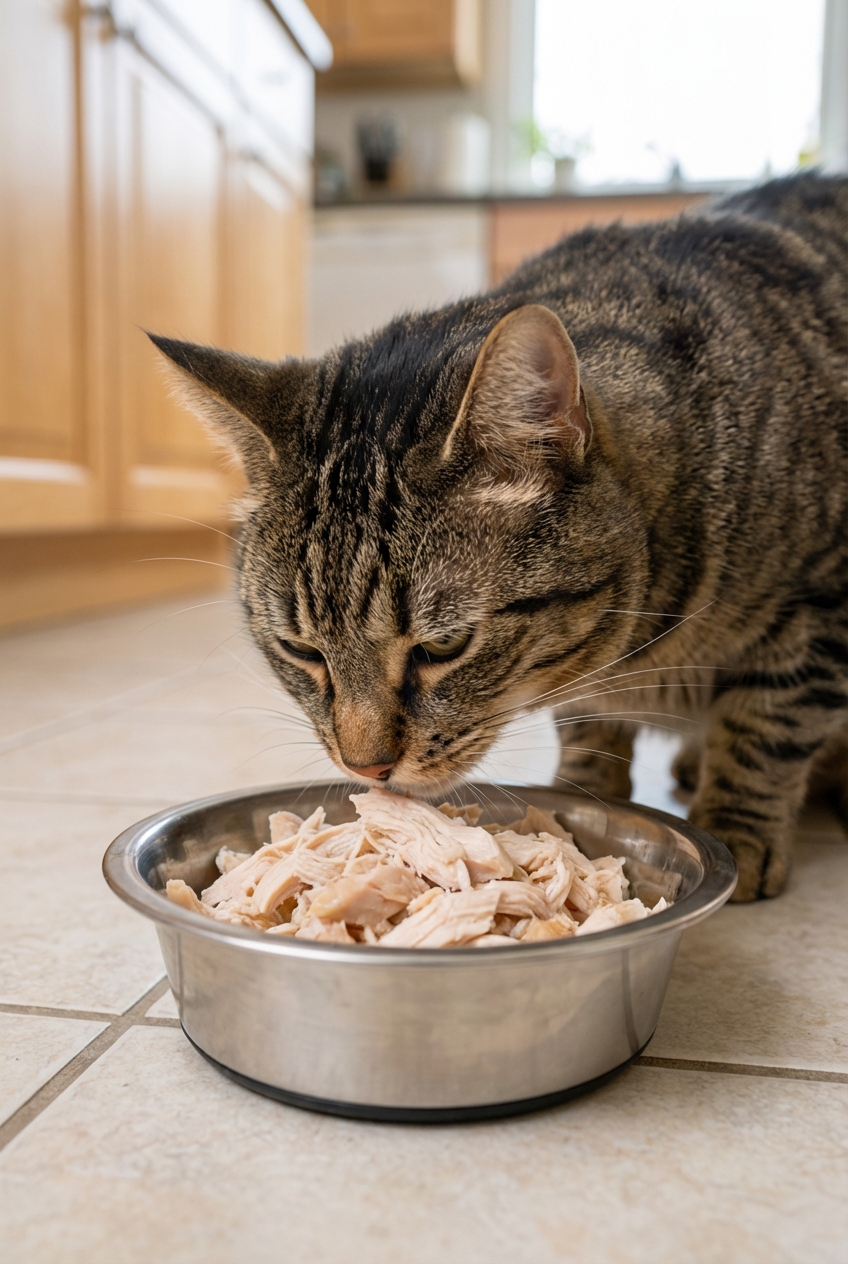
Homemade cat food is not just “real ingredients.” Cats have very specific nutrient needs, and the goal is to meet them consistently.
Before you start: safety and nutrition basics
Cats are obligate carnivores. That means they thrive on animal-based protein and fat, and they require nutrients that are difficult to provide correctly without a plan. A homemade diet that is not properly balanced can lead to serious deficiencies over time.
Talk to your vet first
Please check with your veterinarian or a board-certified veterinary nutritionist if your cat is a kitten, pregnant, senior, has kidney disease, urinary crystals, diabetes, heart disease, food allergies, IBD, or is underweight. Homemade can be wonderful, but medical cats need tailored recipes.
Key nutrients cats must get
- Taurine: essential for heart, vision, and reproductive health. Low taurine can be dangerous.
- Calcium to phosphorus balance: meat alone is high in phosphorus and low in calcium. Long-term imbalance can seriously weaken bones (nutritional secondary hyperparathyroidism). For cats with kidney disease or other risks, higher phosphorus intake may also be a concern, so this is another reason to get guidance for medical cats.
- Arachidonic acid and preformed vitamin A: cats rely on animal sources for these nutrients.
- Thiamine (B1): deficiency is most often linked to improperly formulated diets and feeding large amounts of raw or uncooked fish (thiaminase can break down B1).
- Water intake: cats are naturally low drinkers, so moisture-rich food can help support urinary health.
What “complete and balanced” means
For long-term feeding, “complete and balanced” generally means the recipe meets recognized nutrient profiles (like AAFCO or FEDIAF) or it is formulated by a board-certified veterinary nutritionist. This is where many homemade diets unintentionally fall short.
If you are not using a veterinary premix or a professionally formulated recipe, do not try to guess at calcium, taurine, vitamins, and trace minerals. In practice, the simplest safer path for most families is a cat-specific premix used exactly as directed.
Cooked vs raw
Many families choose cooked for safety, especially in households with children, seniors, pregnant people, or anyone immunocompromised. If you choose raw, please follow strict food safety and ask your vet about parasite and bacterial risk.
Basic kitchen food safety
- Wash hands and sanitize surfaces after handling raw meat.
- Avoid cross-contamination (separate cutting boards, clean knives, clean counters).
- Cook meats thoroughly. A practical guideline is: poultry and ground meats to 165°F (74°C); whole cuts of pork, beef, lamb to at least 145°F (63°C) with a rest time.
- Do not leave cooked food out at room temperature.
Ingredients to avoid
- Onion, garlic, chives, leeks
- Grapes and raisins
- Chocolate, xylitol, alcohol, caffeine
- Cooked bones (splinter risk)
- Excess salt, seasoning blends, spicy foods
How to transition without tummy trouble
Cats can be sensitive to sudden food changes. A slow transition helps prevent vomiting, diarrhea, and food refusal.
- Days 1 to 3: 10% new food, 90% current food
- Days 4 to 6: 25% new food, 75% current food
- Days 7 to 10: 50% new food, 50% current food
- Days 11 to 14: 75% new food, 25% current food
If your cat is picky, even 1 teaspoon mixed into the old food is a win. Some cats need a longer transition (3 to 4+ weeks), especially if they have a sensitive stomach.
Important: If your cat eats very little or stops eating, do not “wait it out.” Cats can get very sick from not eating (hepatic lipidosis). Call your vet if your adult cat is barely eating for 24 hours, sooner for kittens.
18 easy recipes, toppers, and mix-ins
Important note: Many items below are toppers, treats, hydration helpers, or partial-meal ideas. They are intended for healthy adult cats and are best used as rotation meals or as up to about 10% of daily calories unless you are using a cat-specific veterinary premix or a recipe designed by a veterinary nutritionist. For “complete and balanced” feeding long-term, use a reputable premix or professional formulation.
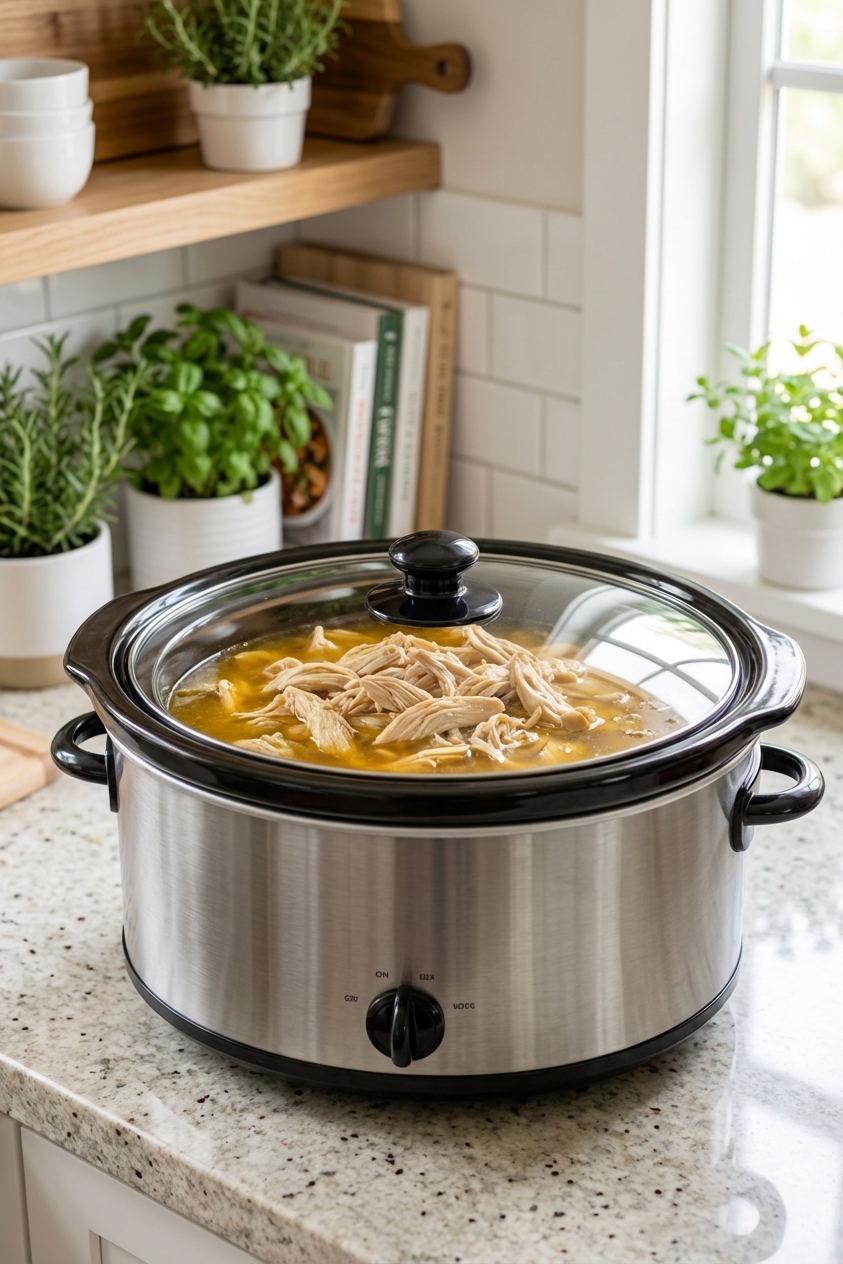
1) Simple shredded chicken and broth
- Type: topper or partial meal
- Ingredients: boneless skinless chicken thigh, water (or unsalted broth with no onion or garlic)
- How to make: Poach chicken until fully cooked, shred finely, moisten with warm cooking liquid.
- Portion guide: 1 to 2 tablespoons as a topper, or use as an occasional partial meal alongside a complete diet.
2) Turkey and pumpkin tummy-soother
- Type: topper or partial meal
- Ingredients: ground turkey, 100% plain pumpkin puree
- How to make: Cook turkey thoroughly, cool, mix in pumpkin.
- How much pumpkin: start with 1/4 to 1 teaspoon per meal.
- Tip: pumpkin can help some cats in small amounts, but too much can loosen stools.
3) Beef and egg scramble
- Type: partial meal
- Ingredients: lean ground beef, 1 egg
- How to make: Brown beef, drain excess fat if needed, scramble egg into the pan until fully cooked.
- Serving note: keep portions modest if your cat is sensitive to richer meats.
4) Chicken liver micro-boost
- Type: mix-in (not a full meal)
- Ingredients: chicken liver, water
- How to make: Lightly sauté or simmer until cooked, then puree with a little water.
- How much: 1 teaspoon mixed into a meal, 1 to 2 times per week.
- Why: organ meats are nutrient dense, but too much can cause vitamin A excess.
5) Sardine topper for picky cats
- Type: topper (not a full meal)
- Ingredients: sardines in water (no salt added if possible)
- How to make: mash a small amount and mix into regular food.
- How much: 1/2 to 1 teaspoon, 1 to 2 times per week.
- Tip: fish is a flavor win, but do not rely on fish daily as the main protein. Too much fish can contribute to picky “fish-only” preferences, and some fish choices can be high in iodine or contaminants.
6) Chicken and egg yolk pâté
- Type: topper or partial meal
- Ingredients: cooked chicken, egg yolk, warm water
- How to make: blend into a smooth pâté texture.
- Texture trick: add water a tablespoon at a time until it is lickable.
7) Rabbit and broth
- Type: partial meal
- Ingredients: ground rabbit (or finely chopped cooked rabbit), water or unsalted broth with no onion or garlic
- How to make: gently cook and moisten well.
- Why: rabbit can be helpful for some cats with suspected food sensitivities.
8) Lamb and zucchini mince
- Type: partial meal
- Ingredients: ground lamb, finely grated zucchini (cooked)
- How to make: cook lamb, lightly steam zucchini, mix in a small amount.
- How much zucchini: 1 to 2 teaspoons mixed in for moisture and texture.
- Note: cats do not need veggies, but tiny amounts can add moisture and variety.
9) Tuna-water scent enhancer
- Type: flavor enhancer (not a meal)
- Ingredients: 1 to 2 teaspoons of tuna water from tuna packed in water (no added salt if possible)
- How to use: drizzle on top of food to encourage eating during transitions.
- Note: this is for aroma and encouragement only. It can also increase fish preference, so use occasionally, not daily.
10) Chicken hearts and thigh stew
- Type: partial meal
- Ingredients: chicken hearts, chicken thigh, water
- How to make: simmer until cooked and tender, chop finely, add broth for a stew texture.
- Important: hearts are taurine-rich, but this is still not complete without a full calcium and vitamin-mineral plan.
11) Turkey and oat soft bites
- Type: treat or occasional topper
- Ingredients: ground turkey, cooked oats (very small amount), egg
- How to make: mix, form tiny patties, bake until fully cooked.
- How much: offer 1 to 2 small bites as a treat.
- Note: cats do not require grains, so keep oats minimal and only if your cat tolerates them.
12) Bone broth gel cubes
- Type: hydration helper (not a meal)
- Ingredients: unsalted bone broth with no onion or garlic, optional unflavored gelatin
- How to make: add gelatin per package directions, chill in a tray, serve a cube with meals.
- Label tip: many store-bought broths hide onion or garlic under “natural flavors,” “spices,” or seasoning blends. If the label is not crystal clear, skip it.
- Note: broth is mostly hydration and palatability, not meaningful nutrition. Some broths are fatty, so start small.
13) Chicken and salmon rotation bowl
- Type: partial meal
- Ingredients: cooked chicken, cooked salmon (small portion)
- How to make: flake salmon carefully to remove bones, mix with chicken.
- How much salmon: keep salmon to about 10% or less of the portion.
- Why: rotation adds variety, but keep fish as a smaller component.
14) Pork and turkey blend
- Type: partial meal
- Ingredients: lean ground pork, ground turkey
- How to make: cook thoroughly, drain excess fat, cool.
- Feeding note: some cats do better with moderate fat, so adjust based on stool and weight.
15) Chicken gravy blend
- Type: topper
- Ingredients: cooked chicken, warm water, optional unfortified nutritional yeast
- How to make: blend until it becomes a thick gravy.
- How much yeast: a small pinch (about 1/16 teaspoon) occasionally.
- Tip: choose unfortified nutritional yeast. Fortified products can add extra vitamins and minerals that you may not want stacking on top of a complete diet.
16) Duck and pumpkin mince
- Type: partial meal
- Ingredients: ground duck, plain pumpkin puree
- How to make: cook duck, cool, mix in pumpkin.
- How much pumpkin: 1/4 to 1 teaspoon per meal.
- Why: duck is another rotation protein option.
17) Chicken and cottage cheese soft mash
- Type: topper
- Ingredients: cooked chicken, small amount of cottage cheese (low sodium if possible)
- How to make: mash together with warm water.
- How much: 1 to 2 teaspoons, occasionally.
- Note: some cats are sensitive to dairy. If you see GI upset, skip it.
18) Complete batch with a veterinary premix
- Type: complete and balanced (when done correctly)
- Ingredients: cooked boneless meat (chicken, turkey, rabbit, or beef), water, and a reputable cat-specific vitamin-mineral premix used exactly as directed
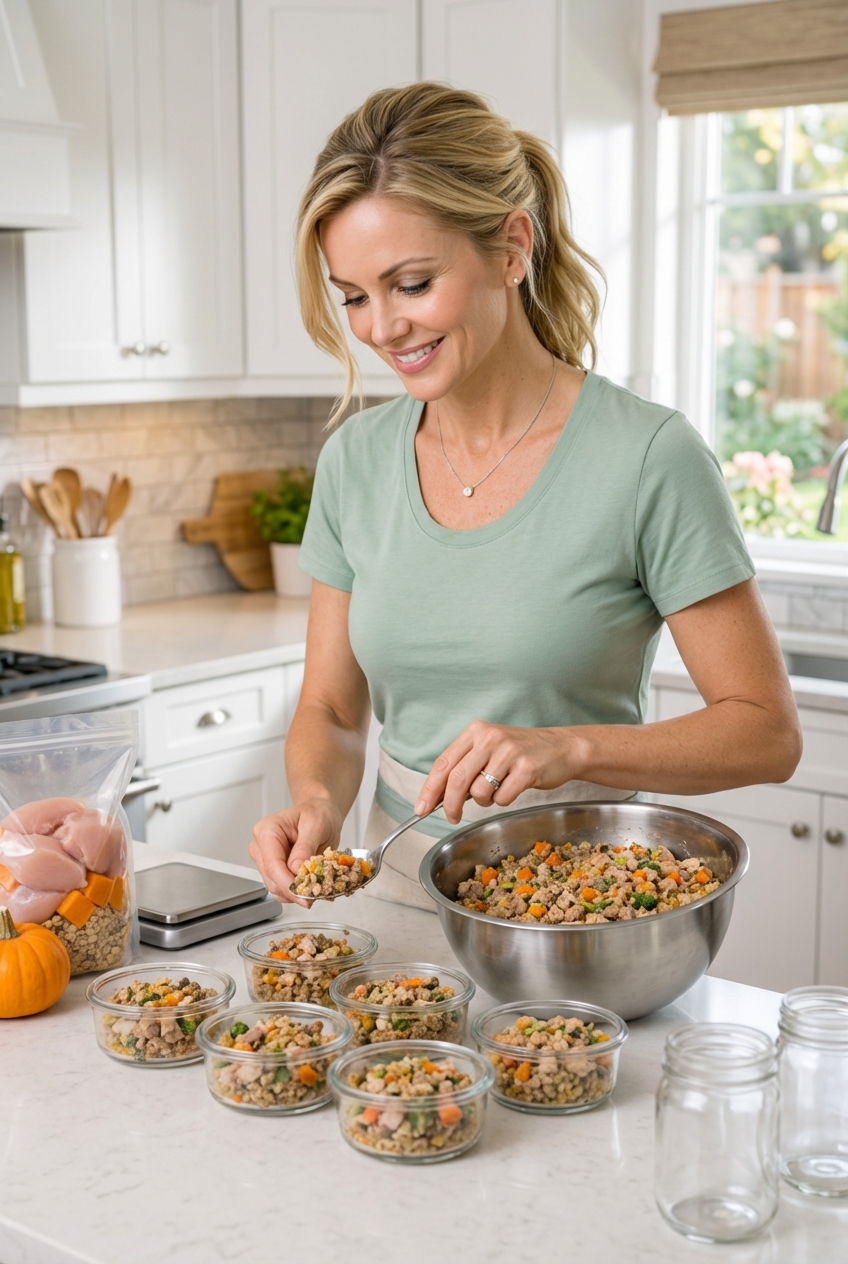
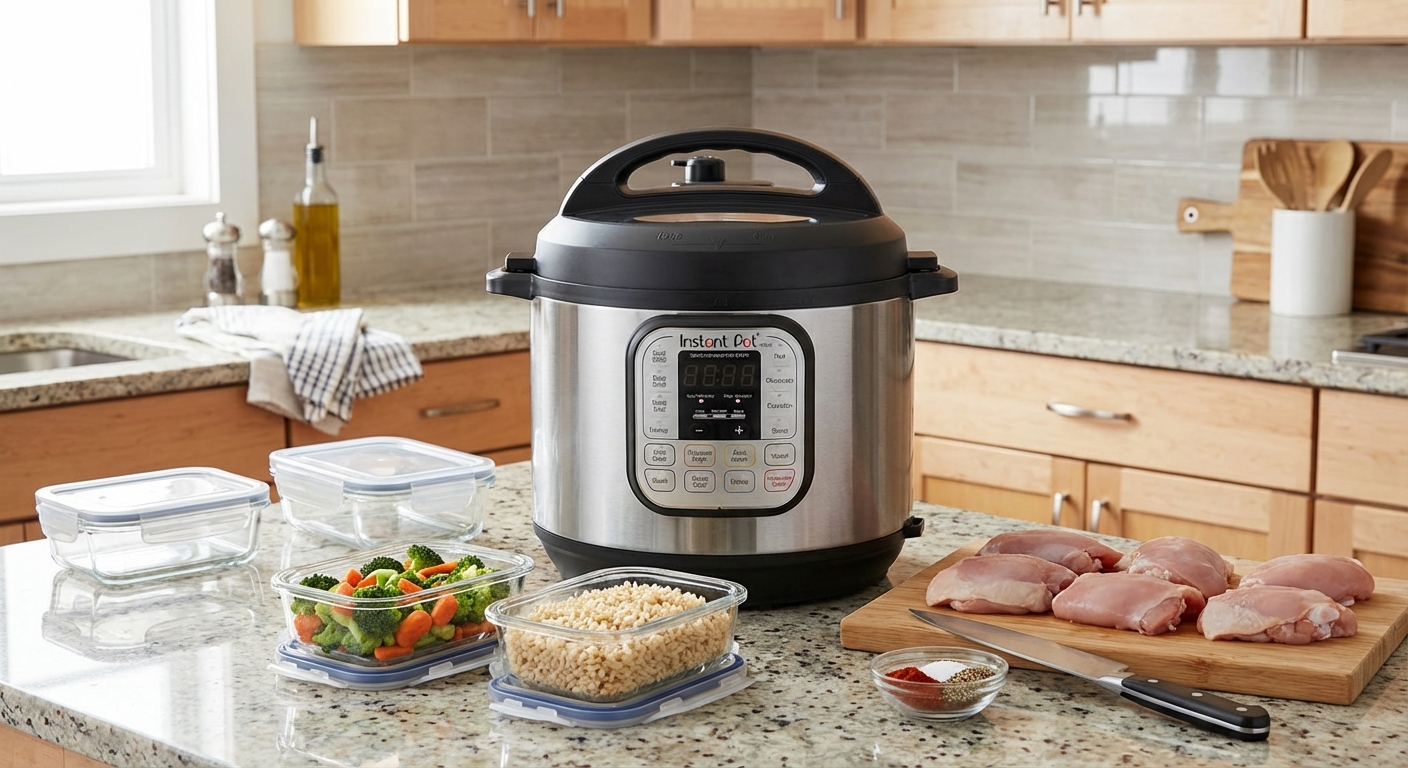
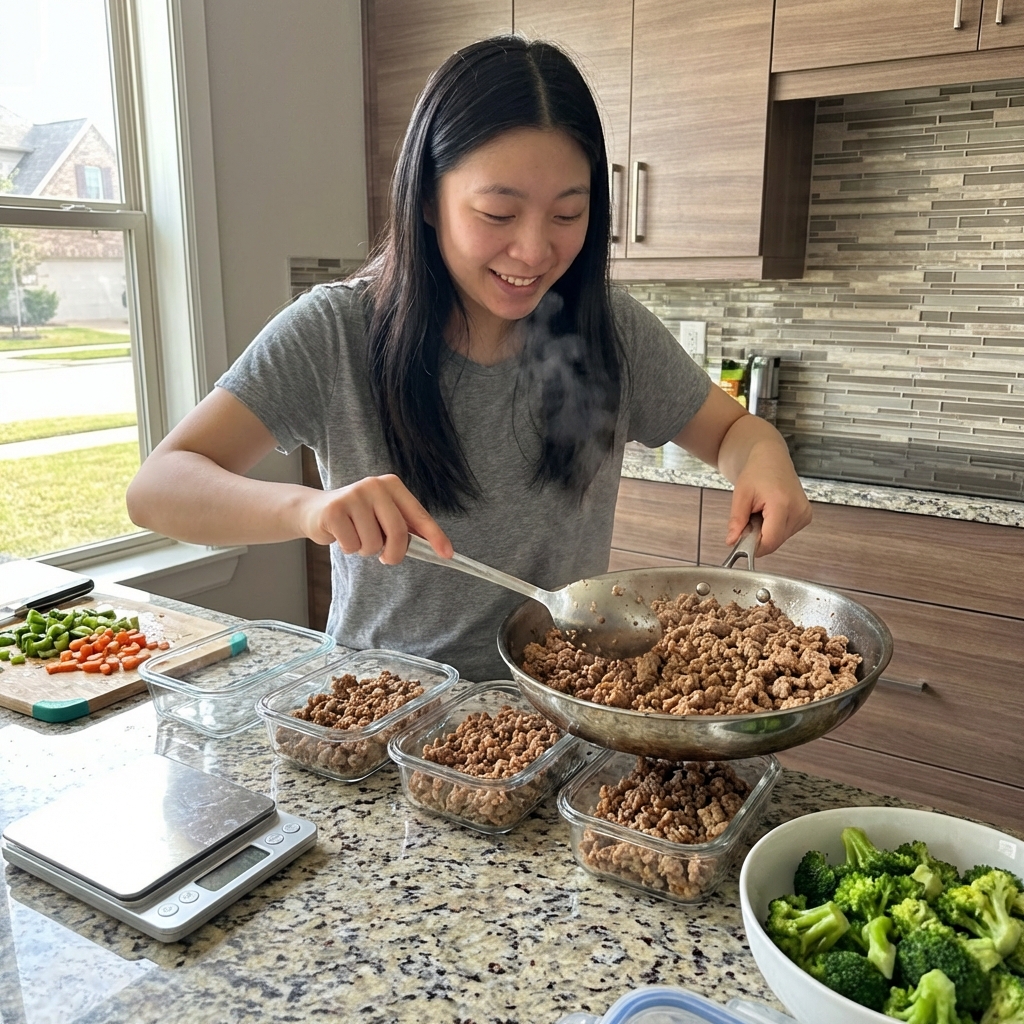
- How to make: cook meat, cool, weigh the meat, add premix and water per label directions, portion and freeze.
- What to look for in a premix: formulated for cats (not dogs), includes taurine, provides calcium and trace minerals, includes vitamins like D and E, and has clear instructions based on the weight of meat.
- Why this is my favorite approach: it is one of the simplest ways to make homemade feeding nutritionally safer without having to formulate every nutrient yourself.
Portioning, storage, and serving
Portion basics
Portion needs vary a lot by age, activity level, and whether your cat needs to gain or lose weight. If you want a simple starting point, ask your vet for a daily calorie target based on ideal body weight, then keep homemade toppers and treats at about 10% or less of those calories unless your homemade recipe is complete and balanced.
Safe storage
- Refrigerate portions you will use within 24 to 48 hours.
- Freeze extra servings in small containers for quick thawing.
- Thaw in the refrigerator, not on the counter.
- Discard leftovers that have sat out too long or that smell “off.”
Serve warm, not hot
Cats often prefer food slightly warmed. You can set the container in warm water for a few minutes or stir in a little warm water to increase moisture.
Watch the litter box
One of the fastest ways to know if a diet is working is stool quality and urination patterns. If you see straining, blood, repeated trips to the box, vomiting, or diarrhea that lasts more than a day, pause the new food and call your vet.
When to call the vet now
- Your cat is not eating or eats very little for 24 hours (sooner for kittens).
- Repeated vomiting, significant lethargy, or signs of dehydration.
- Straining to urinate, crying in the litter box, frequent tiny urinations, or no urine (this can be an emergency, especially in male cats).
- Bloody diarrhea, severe diarrhea, or worsening symptoms during a diet transition.
Frequently asked questions
Is homemade cat food cheaper?
Sometimes. It depends on your protein choices and whether you use a premix. Many families find it comparable to premium canned food, with the added benefit of ingredient transparency.
Do cats need carbohydrates?
Cats do not have a dietary requirement for carbohydrates the way humans do. Small amounts can be tolerated by some cats, but the foundation should be animal protein and fat.
Can I just feed chicken breast?
Chicken breast alone is not a balanced long-term diet. It is low in several essential nutrients and does not provide the calcium balance cats need. It can be a short-term bland option under veterinary guidance, but not a forever plan.
My best advice: start simple
If you are new to homemade cat food, start with one easy cooked topper your cat enjoys and use it a few times per week while you learn. When you are ready to go further, work with your veterinarian or use a trusted cat-specific premix so your cat gets all the nutrients they need for the long haul.
Good food supports good energy. And good energy is one of the sweetest gifts we can give our cats.