Meet the Labradoodle
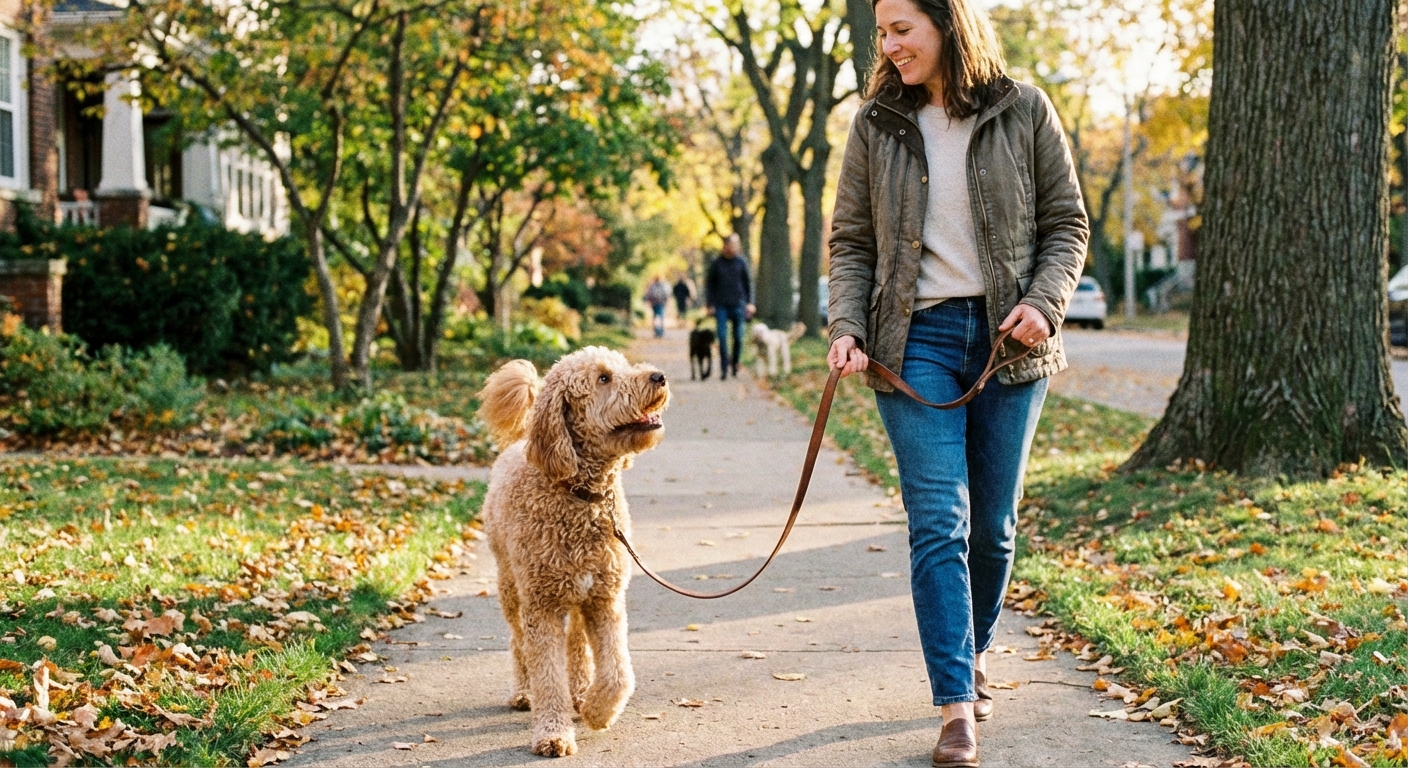
The Labradoodle is a popular mixed-breed dog created by crossing a Labrador Retriever with a Poodle.
People are often drawn to Labradoodles for their friendly temperament, trainability, and that famously fluffy coat. But like any designer mix, Labradoodles can vary a lot from dog to dog, even within the same litter.
From a wellness perspective, I always encourage future owners to look beyond the adorable curls and focus on what daily life with this dog truly requires: consistent exercise, thoughtful nutrition, grooming, and a plan for long-term health care.
Life expectancy: Many Labradoodles live around 12 to 15 years, though genetics, size, diet, exercise, and preventive veterinary care all play a role.
Temperament and Personality
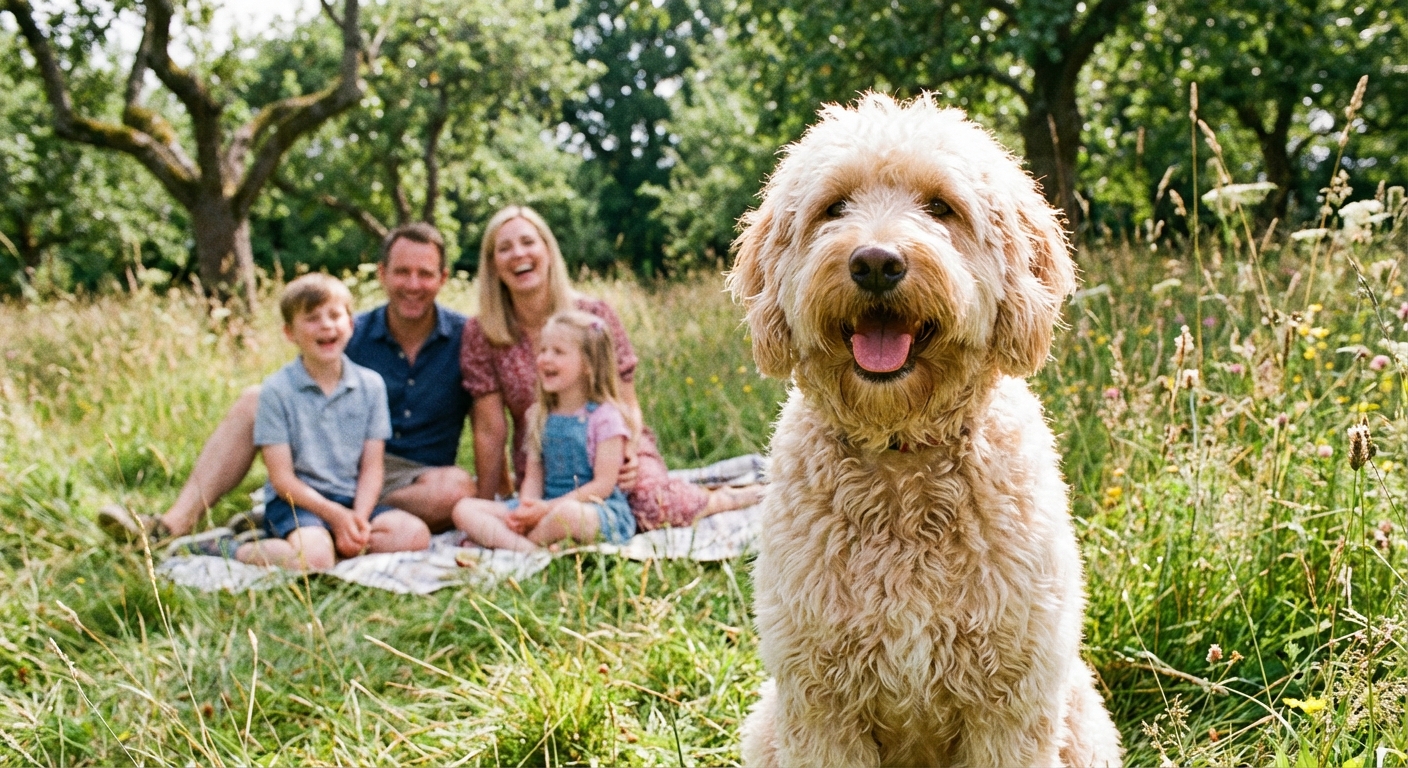
In general, Labradoodles are affectionate, social, and eager to be part of the action. They often inherit the Labrador’s people-loving nature and the Poodle’s intelligence. Many Labradoodles do well with children and can be friendly with other pets when properly socialized.
That said, temperament is influenced by genetics, early handling, training, and environment. A well-bred, well-socialized Labradoodle is typically confident and adaptable, while an under-socialized dog may be anxious or overly excitable.
Common traits many owners report
- Highly trainable: Often responds well to positive reinforcement.
- People-oriented: May struggle with long stretches alone.
- Energetic: Usually needs daily movement and mental stimulation.
- Playful: Can be a joyful companion for active households.
Size, Coat Types, and What “Hypoallergenic” Really Means
Labradoodles can range from small to large depending on whether a standard, miniature, or toy Poodle is in the family tree. As a rough guide, many Standard Labradoodles fall around 50 to 65+ pounds, Miniature Labradoodles often land around 25 to 45 pounds, and Toy or smaller types are commonly in the 15 to 25 pound range. Exact size can still vary based on the parents, generation, and breeding goals.
Coat texture also varies widely and may be curly, wavy, or straighter.
Many people assume Labradoodles are “hypoallergenic.”
The truth is more nuanced. Some Labradoodles shed less and may be better tolerated by some allergy sufferers, but no dog is truly hypoallergenic. Allergies are usually triggered by dander and proteins in saliva, not just shedding.
Coat patterns you may see
- Curly coat: Often more Poodle-like, may shed less, usually needs frequent grooming.
- Wavy coat: Common in Labradoodles, can mat if not brushed regularly.
- Straight coat: Often more Labrador-like, typically sheds more.

Exercise and Enrichment Needs
Labradoodles tend to be active dogs, and that energy needs a healthy outlet. Regular exercise supports joint health, weight management, digestion, and behavior. When dogs are under-exercised or under-stimulated, they often find their own “jobs,” like chewing, digging, or excessive barking.
A balanced daily routine often includes
- Physical activity: 45 to 90 minutes total per day for many adults, adjusted for age and health.
- Training practice: Short sessions that reinforce cues like sit, stay, and recall.
- Mental stimulation: Food puzzles, scent games, or new walking routes.
- Social time: Calm exposure to people, dogs, and environments, especially in puppyhood.
If you are adopting a puppy, avoid intense repetitive jumping or long runs until growth plates close. Your veterinarian can help you time activity increases safely.
Grooming: The Make or Break Factor
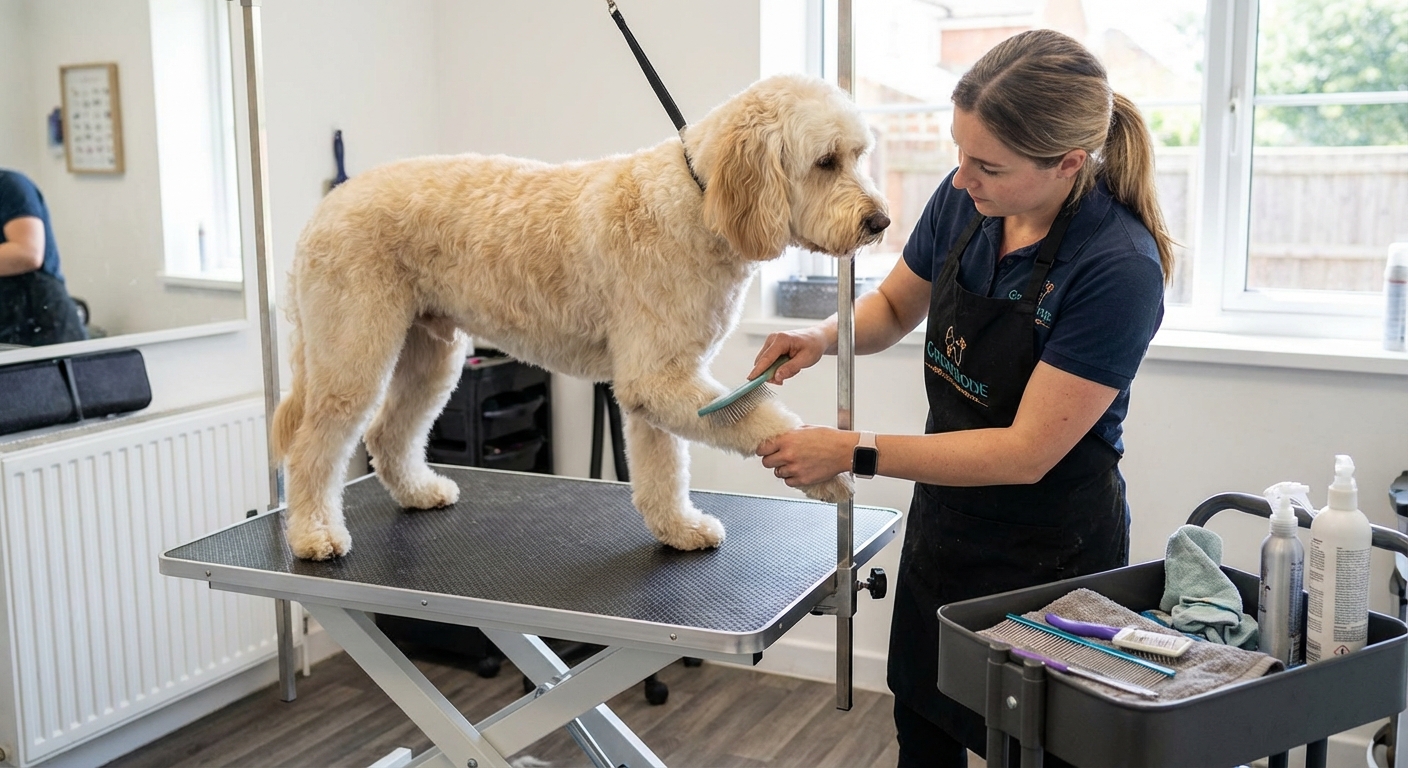
Many Labradoodles require consistent grooming, and this is where new owners are often surprised. Matting can become painful and lead to skin irritation or infection. A predictable routine is kinder than occasional marathon grooming sessions.
Typical grooming needs
- Brushing: Often 3 to 5 times per week, and sometimes daily for curlier coats.
- Professional grooming: Commonly every 6 to 8 weeks.
- Ear care: Regular checks, especially for dogs with floppy ears, since moisture can get trapped.
- Nail trimming: Usually every 2 to 4 weeks depending on activity and growth.
- Dental care: Brush several times per week if possible, plus vet dental guidance.
Nutrition and Healthy Weight
Nutrition is one of the most powerful daily tools you have to support your Labradoodle’s long-term wellbeing. A healthy body condition protects joints, supports heart health, and can reduce inflammation. In my work, I often see how quickly “a few extra treats” can add up for both humans and our pets.
Practical nutrition tips
- Choose a complete, balanced diet: Look for a reputable brand that meets AAFCO standards (or equivalent, depending on your country).
- Measure food: Use a measuring cup or kitchen scale for consistency.
- Use treats strategically: Keep treats to about 10 percent or less of daily calories.
- Prioritize protein and quality ingredients: Ask your vet what best fits your dog’s life stage and activity level.
- Watch the waistline: You should generally be able to feel ribs with light pressure and see a defined waist from above.
If your Labradoodle has frequent itching, ear issues, or digestive upset, your veterinarian can help you explore food sensitivities, parasites, and environmental triggers before switching diets repeatedly.
Common Health Concerns to Know
Mixed-breed dogs can still inherit health risks from either parent line. Responsible breeding and health testing matter. If you are choosing a breeder, ask about health clearances for hips, elbows, eyes, and relevant genetic conditions common to Poodles and Labrador Retrievers.
Health issues sometimes seen in Labradoodles
- Hip and elbow dysplasia: Can affect mobility and comfort over time.
- Ear infections: Often related to ear anatomy, moisture, and allergies.
- Allergies and skin irritation: May be environmental, food-related, or both.
- Eye conditions: Some lines carry inherited eye concerns.
- Progressive issues with aging: Arthritis and weight gain are common if activity declines.
Preventive care pays off. Routine vet visits, parasite prevention, vaccinations, dental care, and early attention to subtle symptoms can help your dog stay comfortable and active.
Training and Socialization
Labradoodles often thrive when training is consistent, kind, and engaging. Their intelligence means they learn quickly, but it also means boredom can set in if training is repetitive. Think of training as daily communication, not just obedience drills.
Foundational goals for most Labradoodles
- Positive reinforcement: Reward the behavior you want with treats, praise, or play.
- Early socialization: Safe, positive exposures during puppyhood can reduce fear later.
- Impulse control: Teach wait, leave it, and calm greetings to prevent jumping.
- Recall practice: A reliable come cue is a safety skill, not just a trick.
If your dog shows fear, reactivity, or separation distress, consider working with a certified positive-reinforcement trainer. Getting support early can make a big difference.
Is a Labradoodle Right for You?
Labradoodles can be wonderful companions for the right home, especially for people who want a friendly, active dog and are prepared for regular grooming.
Before committing, consider your schedule, energy, and budget for professional grooming and veterinary care.
A Labradoodle may be a good fit if you want
- A social dog that enjoys being involved in family life
- Regular exercise as part of your routine
- A trainable companion for walks, games, and learning
- A coat you are willing to maintain consistently
You may want to rethink if
- You are away from home for long hours most days
- You prefer a low-grooming dog
- You want a dog that is content with minimal daily activity
Small, consistent habits compound into remarkable results over time, and that applies to pet care too. With steady routines for movement, nutrition, grooming, and training, a Labradoodle can grow into a healthy, well-adjusted companion for years to come.